
Choosing the right burner for your kitchen or commercial setup can make a big difference in cooking quality, safety, and overall satisfaction. Among the most popular options are brass burners and cast iron burners. Each type brings unique strengths and weaknesses, and the best choice depends on your specific needs and environment. If you have struggled to decide which burner material suits your stove or are simply curious about how they differ, this guide will break down every important detail.
Many people choose a burner based only on price or what comes with a stove, but that can lead to frustration or poor performance. Instead, understanding how brass and cast iron perform in real kitchens, how they age, and what maintenance they need will help you avoid common mistakes. Beyond simple claims like “brass is better for heat” or “cast iron lasts longer,” there are surprising details that can influence your choice.
Let’s explore the full picture of brass burners vs cast iron burners—from technical features to real-world usage and long-term ownership—so you can make a decision that fits your cooking style and priorities.
What Are Brass Burners And Cast Iron Burners?
Before comparing, it’s important to know what each type of burner actually is.
Brass Burners
Brass burners are made mainly from brass, an alloy of copper and zinc. This material is known for its golden-yellow color and its resistance to rust and corrosion. Brass is often chosen for its ability to withstand high temperatures without deforming or breaking down.
Brass burners are common in many modern gas stoves and are often associated with premium or high-performance models. They are also found in some commercial kitchens and high-end home ranges.
Cast Iron Burners
Cast iron burners are made from cast iron, a strong and heavy iron-carbon alloy. They are usually black or dark gray and are famous for their durability and heat retention. Cast iron has been used in kitchens for centuries, not just for burners but also for pans, griddles, and ovens.
Cast iron burners are popular in both residential and commercial kitchens, especially in settings that demand long hours of cooking or high heat.
Key Differences Between Brass And Cast Iron Burners
Understanding the differences between these two materials is essential for choosing the right burner.
Material Properties
- Brass is non-ferrous, meaning it does not contain iron and resists rust naturally.
- Cast iron is ferrous, so it can rust if not properly maintained.
Brass is softer than cast iron, making it easier to shape but also more prone to scratches and dents. Cast iron is much harder and less likely to deform under stress.
Heat Conductivity And Distribution
- Brass burners conduct heat quickly and evenly, making it easier to maintain a consistent flame.
- Cast iron burners heat up more slowly but retain heat for a long time, which helps keep the temperature stable during long cooking sessions.
Weight And Handling
- Brass burners are lighter, making them easier to handle, clean, or replace.
- Cast iron burners are heavier, which can make cleaning or moving them more challenging, especially in large commercial stoves.
Corrosion Resistance
- Brass naturally resists corrosion, even in humid or coastal environments.
- Cast iron can rust if exposed to moisture, so it needs regular seasoning or protective coatings.
Performance In Cooking
The real test of any burner is how well it performs during actual cooking.
Flame Quality
Brass burners usually produce a more controlled and uniform flame. This helps in tasks like simmering, sautéing, and making delicate sauces. The even heat distribution ensures food cooks without hot spots.
Cast iron burners generate larger, broader flames. This is helpful when you need high heat, like for deep frying, boiling large amounts of water, or stir-frying. The downside is that the flame can sometimes be less precise, making it trickier for gentle cooking.
Heat Up Time
Brass burners heat up quickly—often within seconds of ignition. This saves time for quick meals or when you need to change temperatures fast.
Cast iron burners take longer to get hot but, once heated, they stay hot for a long time. This is ideal for recipes that need stable, ongoing heat.
Heat Retention
Because cast iron retains heat longer, it remains hot even after the flame is lowered or turned off. This is useful for dishes that require residual heat, like stews or slow-cooked meals.
Brass burners cool down faster, which is safer in homes with children but can be a downside if you rely on residual heat to finish cooking.
Durability And Lifespan
When investing in a stove or burner, long-term durability matters.
Lifespan
- Brass burners can last up to 10–15 years with proper care.
- Cast iron burners often last 15–20 years or longer, especially if protected against rust.
Wear And Tear
Brass burners are more prone to surface scratches or dents, especially if cleaned with harsh tools. However, these surface marks rarely affect performance.
Cast iron can chip if dropped, but it is generally more resistant to wear from daily use. If rust forms and is not removed, it can eventually weaken the burner.
Real-world Example
Many commercial kitchens prefer cast iron burners for their toughness, especially in high-use settings like restaurants. Home cooks who value appearance and easy maintenance may favor brass.
Maintenance And Cleaning
Burner maintenance is often overlooked, but it impacts performance, safety, and appearance.
Cleaning Brass Burners
Brass burners are easy to clean because they do not rust. Simply wipe them with a soft cloth and mild soap. For tough stains, a bit of lemon juice or vinegar can restore the shine.
Cleaning Cast Iron Burners
Cast iron burners need special care to prevent rust. After cleaning, they should be dried completely. Some people apply a thin layer of cooking oil to keep moisture away—a process called seasoning.
Common Mistakes
- Soaking cast iron burners in water can lead to rust.
- Using steel wool on brass can leave scratches.
Non-obvious Insight
A less-known fact is that some cast iron burners are coated with porcelain enamel. This coating helps prevent rust but can chip if handled roughly. If you see a glossy surface, check if it’s an enamel coating before cleaning with abrasive tools.
Cost And Value
Price plays a major role in most buying decisions, but it’s important to compare cost with long-term value.
Initial Cost
- Brass burners are usually more expensive than cast iron, both for standalone parts and as part of premium stove models.
- Cast iron burners are often cheaper to buy, but prices can vary based on design and brand.
Long-term Value
Brass burners may pay for themselves in environments where corrosion is a problem, since they last longer without special care. Cast iron burners can be a better value for heavy-duty use, where their durability and heat retention matter more than appearance.
Example
A home cook in a humid region may save more money with brass, avoiding frequent replacements. A restaurant chef might choose cast iron for its ability to handle constant use without deforming.

Credit: www.youtube.com
Safety Considerations
Safety should always come before price or convenience.
Overheating And Warping
Brass, while heat-resistant, can warp if exposed to extremely high temperatures for long periods. Cast iron is less likely to warp but can crack if cooled suddenly when very hot.
Flame Control
Brass burners allow finer control of flame size, which reduces the risk of burns or overcooked food. Cast iron burners’ broad flame can lead to accidental burns if not careful.
Gas Leaks
Both types must be checked regularly for blockages or leaks. Food spills can clog the holes, causing uneven flames or dangerous gas build-up.
Non-obvious Insight
A hidden safety issue is that brass burners, due to their color, can hide soot or carbon deposits. Regular cleaning and inspection are important even if the burner looks clean.
Environmental Impact
For those concerned about the environment, the choice of burner material can also matter.
Manufacturing Process
Brass production requires mining copper and zinc, both of which have environmental impacts. However, brass is recyclable and often contains a high percentage of recycled material.
Cast iron production is energy-intensive but also relies on recycled scrap iron. Like brass, cast iron can be recycled at the end of its life.
Emissions And Efficiency
Efficient burners—regardless of material—reduce overall energy use. Brass burners’ precise flame control can help save gas, while cast iron burners’ heat retention means less energy wasted.
Aesthetics And Design
How your stove looks is not just about style; it can affect cleaning and how you feel about your kitchen.
Appearance
Brass burners have a shiny, golden look that many people find attractive. They fit well in modern or high-end kitchen designs.
Cast iron burners have a classic, industrial look. They are sometimes chosen for traditional or rustic kitchens.
Compatibility
Some stoves are designed to accept only one type of burner. Always check with the manufacturer before replacing a burner.
Common Myths And Misunderstandings
Many people have heard advice that is outdated or simply wrong. Here are a few myths:
- Brass burners always last longer—Not true. If used carelessly, brass can deform faster than cast iron.
- Cast iron burners are always cheaper—This depends on the brand and design.
- Brass burners are maintenance-free—While easier to clean, they still need regular checks for clogs.
Practical Tips For Choosing The Right Burner
Making the right choice means matching the burner to your actual needs.
Consider Your Cooking Style
- If you do a lot of quick cooking, stir-frying, or need a fast response to temperature changes, brass burners may be better.
- If you often cook for long periods or need high, stable heat, cast iron burners might be ideal.
Local Climate
- In humid or coastal regions, brass resists corrosion better.
- In dry climates, cast iron can last just as long with less risk of rust.
Maintenance Commitment
- If you want minimal maintenance, brass is easier.
- If you don’t mind a bit more care for longer life, cast iron is a strong choice.
Budget
- For a higher upfront cost with less hassle, go with brass.
- For a lower initial investment and long-term toughness, cast iron is hard to beat.
Real-world Comparison: Brass Vs Cast Iron Burners
Sometimes, numbers and direct comparisons help clarify the choice. Here’s a side-by-side view.
| Feature | Brass Burner | Cast Iron Burner |
|---|---|---|
| Heat Conductivity | High (Heats Up Fast) | Medium (Heats Slowly) |
| Heat Retention | Low | High |
| Corrosion Resistance | Excellent | Poor (Needs Protection) |
| Durability | Good (Can Dent) | Excellent (Can Chip/Rust) |
| Maintenance | Easy | Needs More Care |
| Initial Cost | Higher | Lower |
Case Study: Home Kitchen Vs Restaurant
The ideal burner can change depending on where it is used. Here’s how each type performs in two common settings.
Home Kitchen
In a home kitchen, cooking is often shorter, and appearance may matter more. Brass burners are popular because they look good, resist corrosion, and heat up fast. They are also lighter, so cleaning is simpler.
Restaurant Kitchen
In a restaurant, the stove may run for hours at a time. Cast iron burners are more common because they can handle heavy pots, high heat, and constant use. The ability to retain heat also means less gas is needed during busy shifts.
User Experiences: What Real People Say
Many users share experiences on forums and review sites. Here’s what you might hear:
- “After two years, my brass burners still look new with minimal effort.”
- “The cast iron burner in my restaurant stove has survived heavy use and only needs oiling every few months.”
- “I live near the ocean, and my old cast iron burners rusted quickly. Switching to brass solved the problem.”
Advanced: When To Mix Brass And Cast Iron
Some stoves come with both types of burners. For example, a 4-burner stove might have two brass and two cast iron. This setup lets you use the best burner for each job—quick heat for tea or eggs, steady heat for stews or frying.
If your stove allows, consider mixing and matching based on what you cook most often.
Data Snapshot: Lifespan And Failure Rate
Let’s look at typical lifespans and common failure points.
| Burner Type | Average Lifespan | Common Failure |
|---|---|---|
| Brass | 12 years | Denting/Deformation |
| Cast Iron | 16 years | Rust/Chipping |
Maintenance Checklist
To get the most from your burners, follow these steps:
- Clean after every use with a soft cloth.
- Dry cast iron burners completely before storing.
- Avoid harsh chemicals on both types.
- Inspect for blockages every month.
- Oil cast iron burners lightly every few weeks.
Remember, even tough burners need care to perform their best.
Top Brands And Availability
Some well-known brands use brass or cast iron burners in their stoves:
- Brass burners: Prestige, Faber, Bosch, Glen
- Cast iron burners: Wolf, Vulcan, BlueStar, Garland
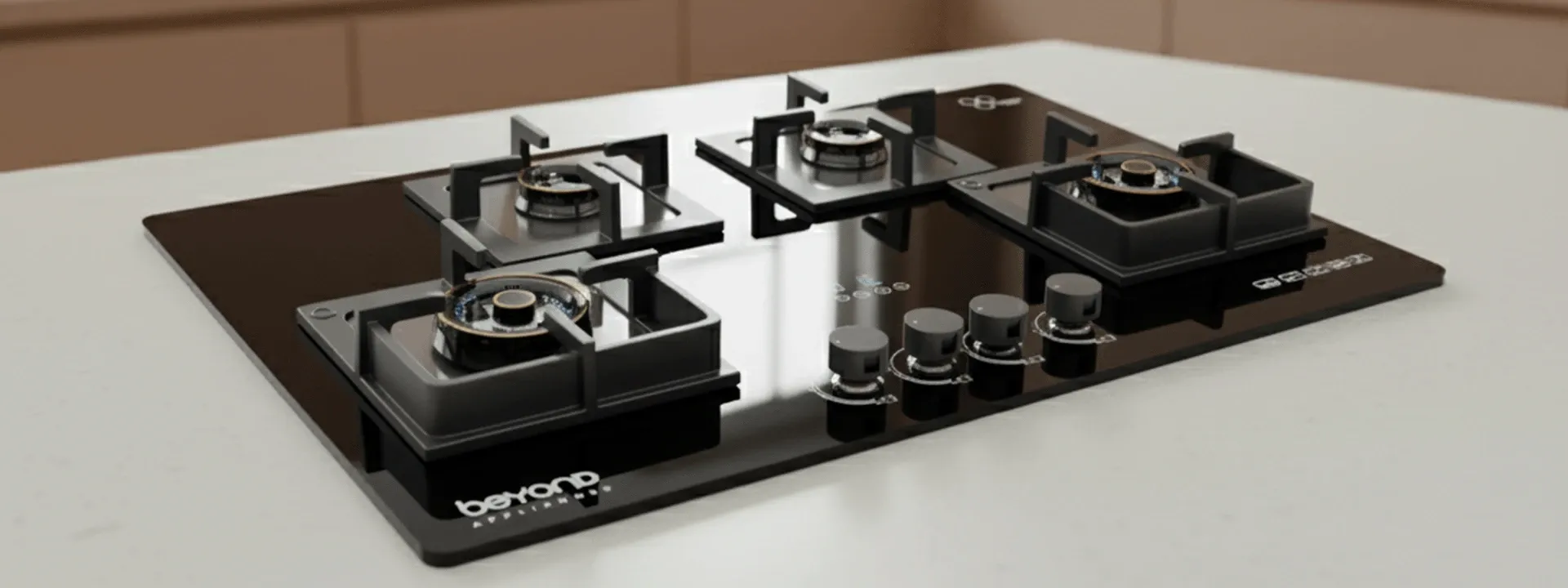
When replacing a burner, always check compatibility with your stove model. Not all burners are interchangeable, and using the wrong size can be dangerous.
Credit: beyondappliances.in
The Future: New Materials And Hybrid Designs
Manufacturers are experimenting with new alloys and coatings to improve both types. Hybrid burners, combining brass and cast iron, are starting to appear. These offer fast heating with better heat retention, though prices are currently higher.
For more technical details and the science behind these materials, see Wikipedia’s Gas Stove article.
Summary: Which Burner Is Right For You?
Choose a brass burner if:
- You value quick heating and precise flame control.
- You live in a humid place or want low-maintenance cooking.
- Appearance matters to you.
Choose a cast iron burner if:
- You need high, stable heat for long periods.
- You do not mind a bit more maintenance.
- Cost is a key concern, or you cook with heavy pots and pans.
Think about your kitchen environment, cooking style, and how much effort you want to put into cleaning and care. The best burner is the one that fits your everyday life—not just the one with the best reviews or the lowest price.

Credit: us.bertazzoni.com
Frequently Asked Questions
Is A Brass Burner More Energy-efficient Than A Cast Iron Burner?
Brass burners often allow for more precise flame control, which can reduce wasted gas. However, cast iron burners retain heat better, so they may use less gas over long cooking sessions. The efficiency depends on how and what you cook.
Can I Replace A Cast Iron Burner With A Brass One In My Stove?
Usually, this depends on your stove’s design. Some stoves allow swapping, but others require specific sizes or mounting styles. Always check your stove’s manual before buying a replacement.
Which Burner Type Is Safer For Homes With Children?
Brass burners cool down faster after use, which can be safer in homes with kids. However, all burners need proper supervision and regular maintenance to stay safe.
How Do I Prevent Rust On Cast Iron Burners?
Dry the burner completely after cleaning and apply a thin layer of cooking oil regularly. Avoid soaking in water, and store in a dry place when not in use.
Are There Health Concerns With Either Burner Type?
Both brass and cast iron are safe for cooking when maintained correctly. The main risks come from poor cleaning, which can lead to gas blockages or uneven flames. Proper care and regular checks keep them safe for daily use.
Choosing between brass burners and cast iron burners is a matter of matching their unique strengths to your kitchen needs. By understanding the real differences, you can make a confident and satisfying decision.