
Copper pans have a special place in kitchens around the world. Chefs and home cooks talk about them with excitement. Their shiny surface and classic look bring elegance to any kitchen. But copper pans are not just about looks—they offer real benefits that can improve your cooking.
Whether you are just starting in the kitchen or want to upgrade your tools, understanding the benefits of copper pans can help you make better choices. Let’s explore why copper pans are more than just beautiful cookware.
Why Choose Copper Pans Over Other Materials?
Copper pans stand out for their unique abilities. They are not the most common pans you see in every kitchen, but those who use them rarely want to go back. To see why, it helps to compare them with other materials.
| Material | Heat Conductivity | Responsiveness | Weight | Maintenance |
|---|---|---|---|---|
| Copper | Excellent | Very High | Medium | Medium-High |
| Stainless Steel | Poor | Low | Medium-Heavy | Low |
| Cast Iron | Good | Low | Heavy | High |
| Aluminum | Good | Medium | Light | Medium |
From the table, you can see that copper offers the best heat conductivity and responsiveness. While it requires a bit more care, the cooking advantages are hard to beat.
Superior Heat Conductivity
One of the top reasons people love copper pans is their heat conductivity. Copper heats up fast and distributes heat evenly across the pan. This means no “hot spots”—areas where food burns while other parts stay undercooked. For delicate dishes like sauces, eggs, or caramel, this even heating is essential.
For example, if you are making a delicate sauce, a copper pan allows you to keep the temperature exactly where you want it. The pan responds instantly when you adjust the heat. This control is something that many other materials simply cannot match.
Scientific Insight
Copper’s thermal conductivity rate is about 401 W/mK (watts per meter kelvin). Compare this to stainless steel at around 16 W/mK. That is a huge difference. In practice, this means copper cooks your food more evenly and reacts to heat changes much faster.
Fast And Precise Temperature Control
Controlling temperature is important for good cooking. With copper pans, you get immediate feedback. If you turn up the heat, the pan responds right away. If you turn it down, the pan cools quickly. This is why many professional chefs use copper for recipes where timing and temperature are everything.
Real-life Example
Let’s say you are making scrambled eggs. In a copper pan, you can lower the heat the moment you see them start to overcook. The pan will cool down quickly, preventing burnt eggs. In a steel or cast iron pan, the temperature stays high even after you turn the heat down, and your eggs may burn.
Even Cooking Results
Uneven cooking can ruin a meal. Copper pans solve this problem with their uniform heat distribution. Every part of the pan stays at the same temperature, so your food cooks evenly.
This is especially useful for:
- Sauces that must not separate
- Candies that need exact temperatures
- Searing meat for a perfect crust
If you have ever noticed pancakes with one side burnt and the other side raw, you know the problem of uneven heating. Copper pans prevent this, giving you consistent results.
Beautiful Appearance And Presentation
Copper pans are beautiful. Their shiny, reddish-brown surface adds style to your kitchen. Many people choose copper for its looks alone. Some even hang their copper pans on the wall as decoration.
But the beauty of copper is not just about style. Cooking in a copper pan can make you feel more professional. When you serve a dish from a copper pan, it looks impressive on the table.
A Timeless Look
Copper pans have been used for centuries. Their look fits both modern and classic kitchens. Unlike many other pans, copper develops a natural patina over time. Some people polish their pans to keep them shiny, while others like the aged look.
Both styles are attractive and show the pan’s history.
Durability And Longevity
A well-cared-for copper pan can last a lifetime. Some families pass them down from generation to generation. This is not just about saving money—it’s about having a tool that gets better with age.
Copper itself is a soft metal, but most copper pans have a lining made of tin or stainless steel. This makes them strong enough for daily use. If the lining wears out, it can often be replaced—a process called “re-tinning.”
What Affects Durability?
- Lining Material: Stainless steel linings are more durable than tin, but tin is more nonstick.
- Thickness: Thicker copper pans (2.5–3mm) are more robust and less likely to warp.
- Proper Care: Avoiding metal utensils and washing by hand keeps them in good shape.
Health And Safety Aspects
Many people ask if copper pans are safe. The answer is yes—when used correctly.
Most copper pans have a lining of tin or stainless steel. This prevents copper from reacting with acidic foods, which can cause a metallic taste or, in rare cases, health issues. As long as the lining is not damaged, cooking in these pans is safe.
Non-toxic Cooking
Copper itself is a natural material. Unlike some nonstick pans, it does not contain chemicals like PFOA or PTFE, which can release fumes at high temperatures. Using copper pans gives you peace of mind that you are cooking with safe materials.
Versatility In Cooking
Copper pans are not limited to one style of cooking. You can use them for:
- Sautéing vegetables
- Making sauces
- Preparing candy
- Searing meats
- Baking (with copper mixing bowls)
Some pans are specifically designed for certain dishes—like the French jam pan or the sugar pan for candy making. This flexibility makes copper a valuable part of any kitchen.
Oven And Stovetop Use
Most copper pans can be used in the oven as well as on the stovetop. This lets you start a dish on the stove and finish it in the oven—perfect for recipes like frittata or braised meats.

Credit: healthsmith.co
Faster Cooking And Energy Savings
Because copper heats quickly and evenly, you often spend less time and energy cooking. You do not have to wait long for the pan to warm up, and you can use lower heat settings for the same results.
This efficiency can save on energy bills over time. It also means less time waiting and more time enjoying your meal.
Easy To Clean (with The Right Care)
Copper pans are not as difficult to clean as some people think. Most food does not stick to the lining, especially if it is tin. If you take care not to overheat them or use harsh tools, cleanup is usually simple.
Cleaning Tips
- Let the pan cool before washing.
- Use warm water and mild soap.
- Avoid steel wool or abrasive cleaners.
- For the outside, use a special copper polish if you want to keep it shiny.
One insight many beginners miss: you do not have to keep the outside perfectly shiny for the pan to work well. The patina does not harm the cooking ability.

Credit: hestanculinary.com
Enhanced Flavor And Food Quality
Some cooks say food tastes better when made in copper pans. This is especially true for delicate sauces and sweets. The even heat helps ingredients blend smoothly and prevents scorching.
Why Does This Happen?
When you control the temperature precisely, you avoid burning, sticking, or separating ingredients. This keeps flavors pure and textures perfect. For example, a chocolate sauce made in a copper pan is less likely to taste bitter from burnt chocolate.
Easy Monitoring Of Cooking
The color of copper makes it easy to see what is happening in your pan. If food starts to brown or bubble, you notice right away. The reflective surface helps you watch the cooking process and make adjustments in real time.
This is a small advantage, but it can help you avoid mistakes, especially when making sugar or caramel, where timing is critical.
Professional-grade Performance
Many top chefs use copper pans for a reason. They give you the control and consistency needed for high-level cooking. If you want to practice advanced techniques, copper is an excellent choice.
In professional kitchens, copper pans are used for:
- Making reductions
- Preparing sauces
- Candy making
- Finishing meats
Even for home cooks, using professional tools can make cooking more enjoyable and help you achieve restaurant-quality results.
A Smart Investment
Copper pans are often more expensive than other types of cookware. However, they offer long-term value. Because they last for decades and can be repaired, they are a smart investment for serious cooks.
If you calculate the cost over 20 or 30 years, a good copper pan often costs less per year than replacing cheaper pans every few years.
Retinning And Repairability
One special benefit of copper pans is that they can be repaired. If the tin lining wears out, it can be replaced by a professional. This process is called retinning.
Many other pans cannot be fixed easily. With copper, you can keep your favorite pan working for many years. Some companies even offer retinning services for pans that are over 100 years old.
Excellent For Sugar And Candy Work
If you like making candy, copper pans are almost a must-have. Sugar cooks very evenly in copper, and the pan’s responsiveness makes it easy to reach the exact temperature you need.
Science Behind Candy Making
Copper ions help control sugar crystals, which results in smoother, shinier candy. This is why many professional candy makers use copper pans for caramel, fudge, and other sweets.
Ideal For Making Sauces And Delicate Foods
Sauces like hollandaise, béarnaise, or custard can be tricky. Copper pans help you keep the temperature just right, so your sauce does not separate or overcook.
Practical Example
If you have struggled with sauces breaking or curdling, a copper pan can make a big difference. The even heat helps you create perfect, silky sauces every time.
Unique Patina And Aging
Over time, copper develops a unique patina—a natural green or brown layer on its surface. Some people love this look and see it as a sign of a well-used, well-loved pan.
Patina does not affect how the pan works. If you prefer the bright, shiny look, you can polish the pan. If you like the aged look, you can let it develop naturally.
Adds Value To Your Kitchen
Copper pans are often seen as a sign of a serious cook. They can increase the value of your kitchen, both for your own enjoyment and if you ever sell your home. A kitchen with copper pans looks more professional and inviting.
Some people even collect antique copper pans as investments. Rare pans can be valuable and are sometimes displayed as art.
Tips For Buying Copper Pans
If you are thinking of buying a copper pan, here are some tips to help you get the best one for your needs.
- Check the Thickness: Look for pans that are at least 2.5mm thick. Thinner pans do not conduct heat as evenly.
- Choose the Right Lining: Tin is traditional and nonstick, but stainless steel is more durable.
- Pick the Right Shape: Saucepans, sauté pans, and jam pans each have special uses.
- Check for Solid Handles: Cast iron or brass handles are more durable than steel.
- Buy from Trusted Brands: Quality matters with copper. Well-known brands offer better construction and repair services.
Common Mistakes When Using Copper Pans
Copper pans are easy to use, but some mistakes can shorten their life or affect your food.
- Using metal utensils that scratch the lining
- Overheating the pan (especially with tin lining)
- Cooking acidic foods in unlined copper
- Putting copper pans in the dishwasher
- Not drying the pan after washing, which can cause tarnish
Avoiding these mistakes will keep your pan in good shape for years.
Comparing Copper Pans To Nonstick And Stainless Steel
To see the benefits more clearly, let’s compare copper pans with nonstick and stainless steel pans.
| Feature | Copper Pan | Nonstick Pan | Stainless Steel Pan |
|---|---|---|---|
| Heat Control | Excellent | Good | Average |
| Even Heating | Excellent | Good | Average |
| Durability | High | Low | High |
| Maintenance | Medium | Easy | Easy |
| Price | High | Low | Medium |
| Repairability | Yes (Retinning) | No | No |
| Professional Use | Yes | Sometimes | Yes |
This comparison shows why serious cooks often choose copper, even though it requires more care.
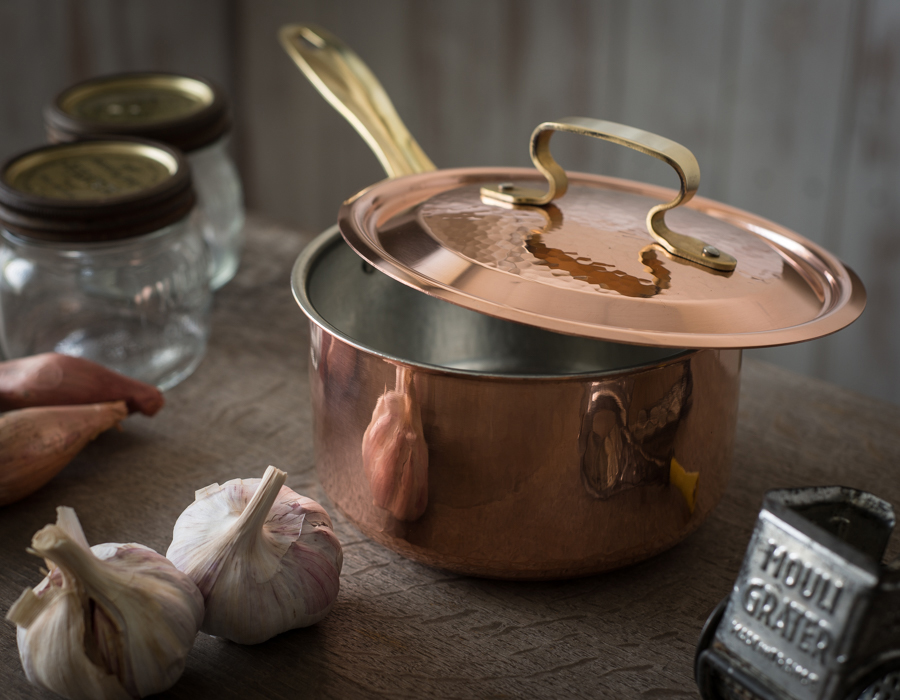
Credit: www.allorashop.com
Environmental Impact
Copper pans are environmentally friendly compared to many nonstick or plastic-based pans. They last longer, can be repaired, and are fully recyclable. When your copper pan finally reaches the end of its life (which could be decades from now), it does not become waste.
Copper is also mined and processed in ways that are less polluting than the chemicals used in some nonstick coatings.
What Beginners Often Miss About Copper Pans
- Heat Adjustment Is Key: Because copper reacts so quickly, you often need to use lower heat. Many beginners burn food by using the same heat they would with steel or iron.
- The Lining Matters: The cooking surface (tin or stainless steel) is what touches your food, not the copper itself. Knowing the difference helps you choose the right pan for your cooking style.
Caring For Your Copper Pans
Proper care keeps your copper pans working well for years. Here are some essential tips:
- Wash by hand with mild soap and warm water
- Dry immediately to prevent spotting
- Use wooden or silicone utensils
- Polish the outside if you want a shiny look
- Store in a dry place to avoid tarnish
If you see the lining wearing thin or copper showing through, get the pan re-tinned before using it again.
The Best Uses For Copper Pans
Copper pans excel in certain tasks. Here are some of the best uses:
- Sauces: For controlled, gentle simmering and reductions
- Candy Making: Sugar heats evenly, preventing crystallization
- Egg Dishes: Scrambled eggs, omelets, and custards
- Searing: Even browning and perfect crusts
- Jam Making: Even heating for large batches of fruit
Professional kitchens use copper for these dishes because nothing else performs quite as well.
When Copper Pans Might Not Be The Best Choice
Copper pans are not perfect for every job. Here are some situations where another pan might be better:
- High-Heat Searing: Tin linings melt above 450°F (232°C), so stainless steel or cast iron may be safer for very high heat.
- Cooking Acidic Foods: Tomato sauces or vinegar-based recipes can react with unlined copper.
- Quick, Simple Meals: Nonstick pans are easier for cleanup and fast cooking, especially if you do not want to worry about maintenance.
Knowing when to use copper—and when not to—helps you get the most from your cookware.
How To Spot A Quality Copper Pan
There are many copper pans on the market, but not all are equal. Here’s how to identify a good one:
- Weight: Heavier pans usually mean thicker copper and better performance.
- Lining: Look for a smooth, even lining with no bubbles or gaps.
- Handles: Riveted handles are stronger than welded.
- Brand Reputation: Brands like Mauviel, Falk, and Matfer Bourgeat are well-known for quality.
- Country of Origin: French and Italian copper pans are often the best.
A quality pan will cost more, but the performance and longevity are worth it.
Are Copper Pans Worth The Investment?
For many cooks, the answer is yes. The combination of performance, beauty, and durability makes them a smart choice for serious home cooks and professionals alike.
If you love cooking and want the best tools, a copper pan can change the way you cook. The experience of using a copper pan is different—you feel more connected to your food, and your results improve.
If you want to learn more about the history and science of copper cookware, you can read about it on the Wikipedia page on Copper Cookware.
Frequently Asked Questions
Are Copper Pans Safe To Cook With?
Yes, copper pans are safe as long as the lining (tin or stainless steel) is intact. The lining prevents copper from reacting with food. Do not cook acidic foods in unlined copper pans.
How Should I Clean And Maintain Copper Pans?
Wash by hand with mild soap and water. Avoid dishwashers and steel wool. Dry immediately after washing. Polish the outside if you want to keep it shiny, or let a patina develop if you like the aged look.
Why Are Copper Pans So Expensive?
Copper is a costly material, and making quality pans requires skill. Thick copper performs better but adds to the cost. However, a good copper pan can last a lifetime, making it a long-term investment.
Do I Need To Polish My Copper Pans?
No, polishing is not necessary for cooking performance. It only affects appearance. Some people like a bright, shiny pan, while others prefer the natural patina that develops with use.
Can Copper Pans Be Used On Induction Cooktops?
Most copper pans do not work on induction cooktops unless they have a special induction-compatible base. Induction needs a magnetic material, and pure copper is not magnetic.
Copper pans are more than just pretty kitchen tools. They offer fast, even heating, precise control, and impressive durability. For cooks who want the best results and are willing to care for their tools, copper pans are a rewarding choice that can elevate both your cooking and your kitchen.