
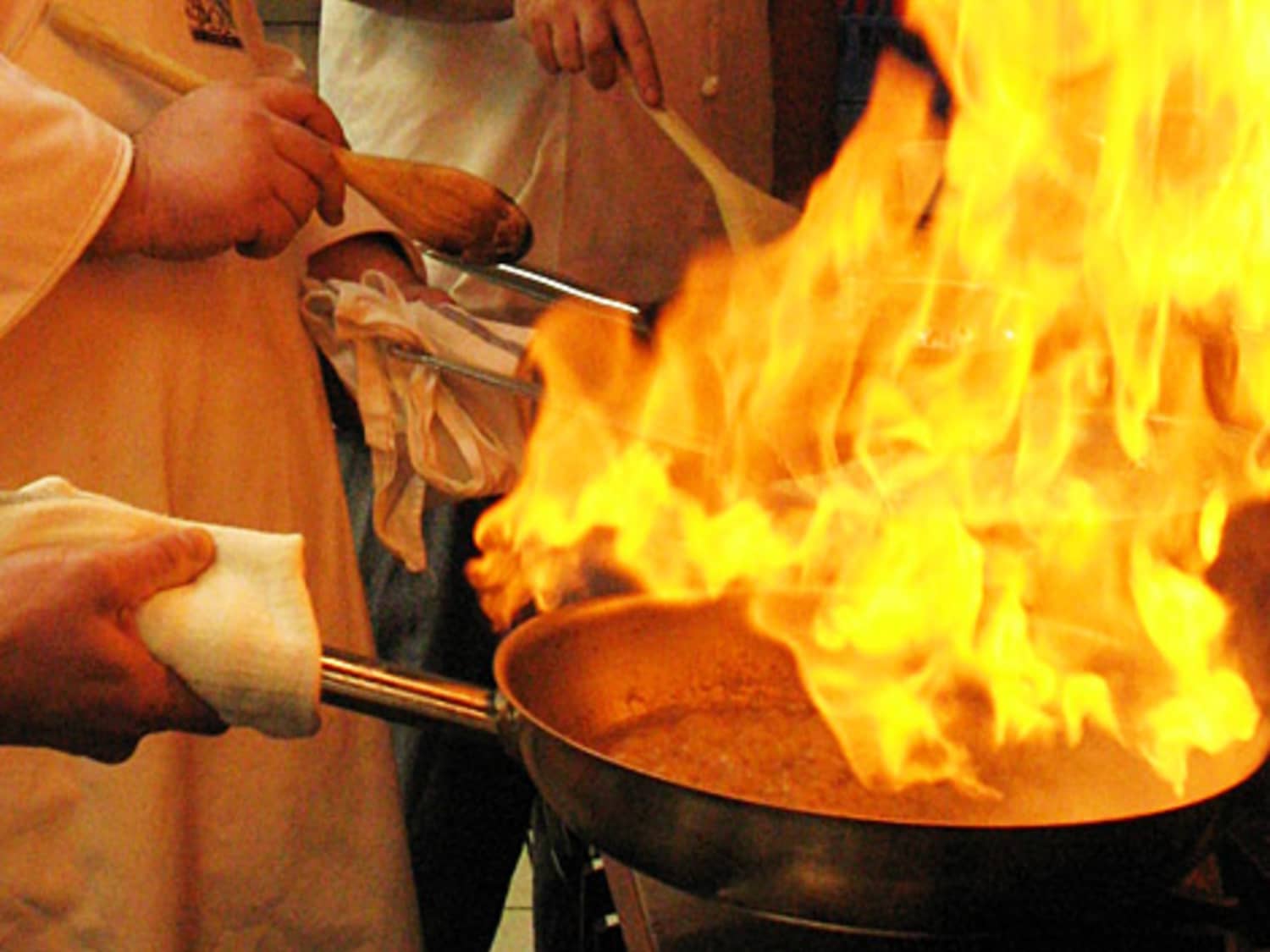
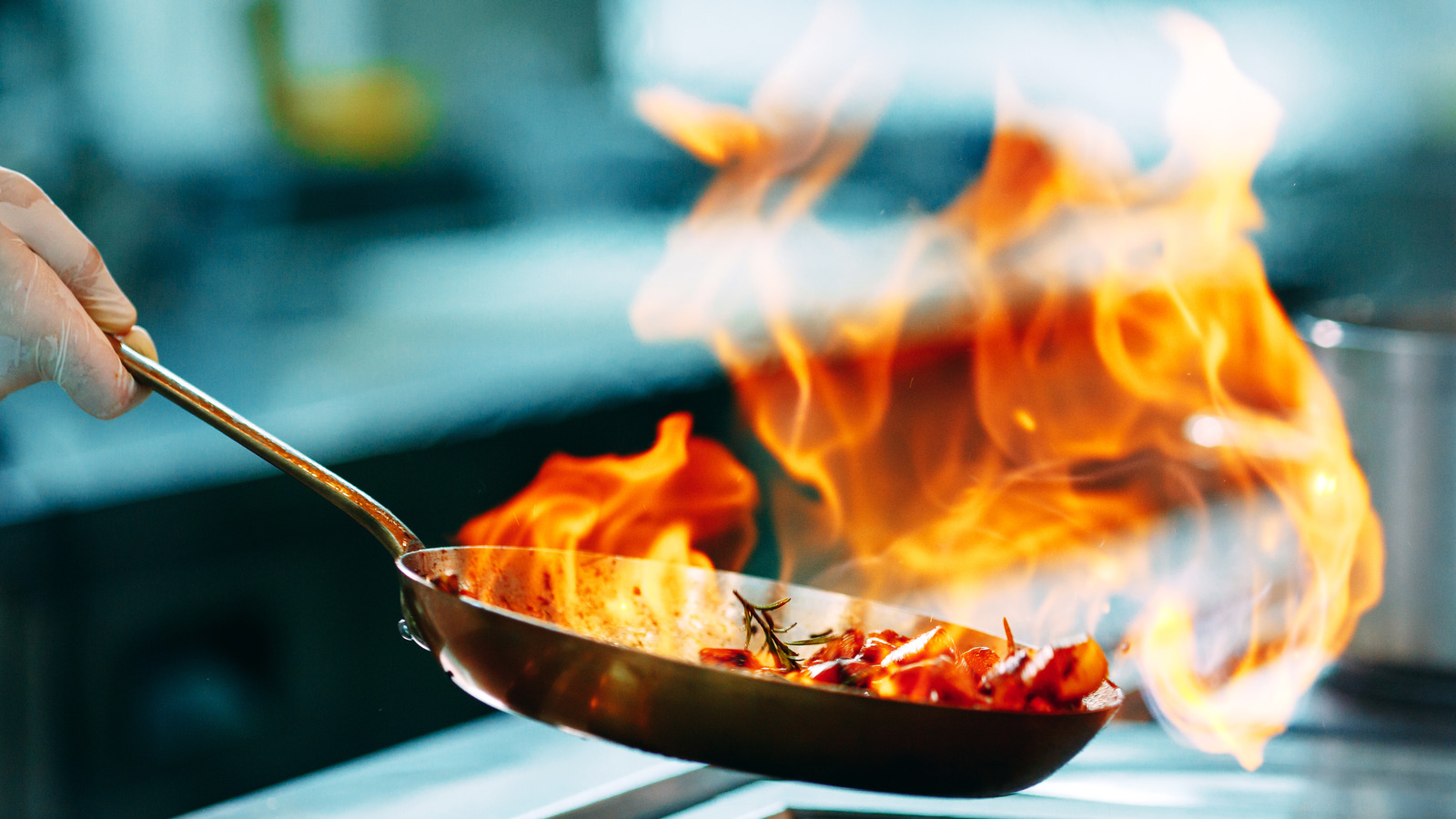
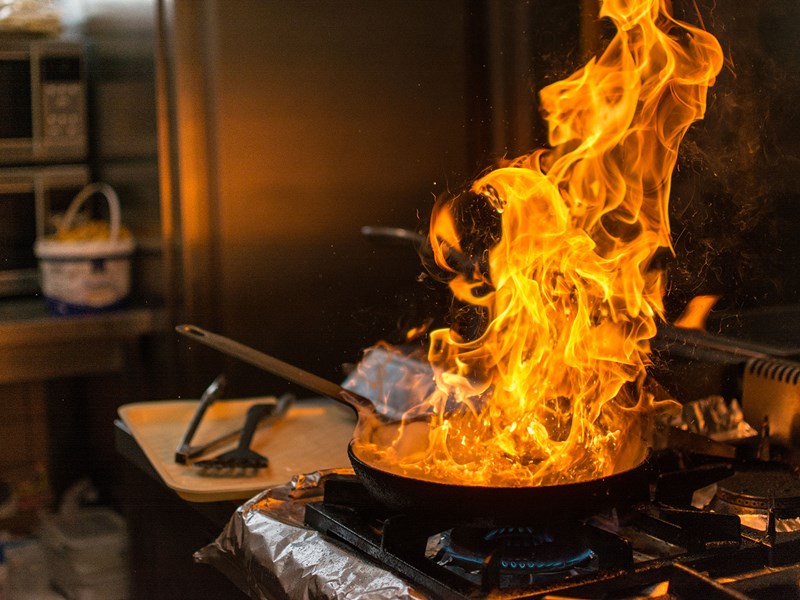
If you ever see flames rising from your kitchen pan, it can feel terrifying. Many people freeze or make mistakes that make things worse. But knowing what to do if the pan catches fire can protect you, your loved ones, and your home. Kitchen fires are one of the top causes of house fires, and most start with a simple mistake. This article gives you clear, step-by-step advice on how to handle a pan fire, prevent it from happening, and respond if things go wrong. You’ll learn exactly what actions to take, what to avoid, and how to stay safe—even if you’ve never dealt with fire before.
Why Pan Fires Happen
Understanding why pans catch fire helps you prevent kitchen disasters. Most pan fires begin with cooking oil or fat getting too hot. Oil has a specific temperature at which it will start to smoke, called the smoke point. If oil gets even hotter, it can burst into flames—this is called a flash point.
Some common reasons for pan fires include:
- Leaving a pan unattended while the burner is on.
- Setting the burner to high heat and forgetting to turn it down.
- Overfilling the pan with oil, which can bubble over onto the flame or heating element.
- Cooking with wet food (like frozen fries), which can make hot oil splatter.
Many people are surprised to learn that over half of all home cooking fires start because food was left unattended on the stove. According to the National Fire Protection Association, about 49% of home fires are caused by cooking. This is not just about carelessness—sometimes you get distracted by a phone call, a child, or something outside the kitchen.
Immediate Steps If Your Pan Catches Fire
If you see flames in your pan, acting fast and smart is crucial. Here’s what you should do:
- Stay Calm – Panic leads to bad decisions. Take a deep breath.
- Do Not Move the Pan – Moving the pan can spill burning oil, spreading fire.
- Turn Off the Heat – If safe, reach over and switch off the burner. This stops more heat from feeding the flames.
- Cover the Pan with a Metal Lid or Baking Sheet – This blocks oxygen, smothering the fire. Use a flat, metal object that fits over the pan. Do not use glass, as it can shatter.
- Leave the Lid On – Do not lift the lid for at least 20 minutes or until the pan is completely cool.
- Use Baking Soda for Small Fires – If the fire is small and you don’t have a lid, pour a generous amount of baking soda over the flames. This can help put out the fire. Never use flour or sugar—these can explode or make the fire worse.
- Evacuate and Call 911 if It Spreads – If the fire gets out of control, get everyone out and call emergency services immediately.
Here’s a quick reference table to help you remember what to do and what to avoid:
| Action | Safe? | Why |
|---|---|---|
| Cover with metal lid | Yes | Blocks oxygen and smothers flames |
| Turn off the burner | Yes | Stops feeding the fire |
| Move the pan | No | Can spill burning oil, spreading fire |
| Pour water | No | Makes oil fires explode |
| Use baking soda | Yes, for small fires | Can help put out flames |
| Use flour/sugar | No | Can explode or fuel fire |
What Not To Do During A Pan Fire
Some actions, even if they seem logical, are extremely dangerous during a pan fire. Here’s what you must avoid:
- Never pour water on a grease or oil fire. Water causes burning oil to splatter and the fire can explode, spreading instantly across the kitchen.
- Never try to carry the burning pan outside. You might spill the oil, setting fire to your clothes, the floor, or other areas.
- Don’t use a wet towel. Like water, a wet towel can cause oil to splatter and worsen the fire.
- Don’t use fire extinguishers not designed for kitchen use. Only use a Class K (for commercial kitchens) or Class B (for home use) fire extinguisher. Foam or water-based extinguishers are dangerous with oil fires.
- Don’t try to put out a large fire yourself. If flames reach outside the pan or up the walls, evacuate immediately and call for help.
Many beginners think they can “just throw water on it” or move the pan, but these mistakes cause most injuries and property damage.
How To Prevent Pan Fires
Prevention is always better than cure. Here are the most effective ways to prevent pan fires:
- Never leave cooking unattended. If you need to leave, turn off the heat.
- Keep flammable items away. Towels, paper, wooden utensils, and food packaging should not be near the stove.
- Control the heat. Use medium or low heat, especially with oil. High heat increases the risk of fire.
- Do not overfill pans with oil. Fill pans only one-third full to prevent bubbling and splashing.
- Dry food before frying. Water makes oil splatter and can cause fires.
- Keep a lid nearby. When frying, always have a metal lid or baking sheet within reach, just in case.
- Clean your stove and hood. Grease buildup can catch fire easily. Clean spills and splatters after each use.
Here’s a comparison of risk levels for common cooking practices:
| Practice | Risk Level | Why |
|---|---|---|
| Deep frying with full attention | Low | You’re watching the oil constantly |
| Leaving pan unattended | High | High chance of overheating and fire |
| Frying wet food | Medium | Water can cause oil to splatter and ignite |
| Cooking with dirty stove | High | Grease buildup is very flammable |
| Using a lid as cover | Low | Ready to smother flames if needed |
How To Use A Fire Extinguisher On A Pan Fire
Sometimes a fire extinguisher is needed, especially if the fire is spreading or you cannot safely cover the pan. Here’s how to use one:
- Know Your Extinguisher – Only use a Class B or Class K extinguisher for kitchen fires. Check the label before using.
- Remember PASS:
- Pull the pin.
- Aim the nozzle at the base of the flames, not the top.
- Squeeze the handle.
- Sweep from side to side.
- Stand Back – Stay at least 6-8 feet from the fire.
- Spray, then retreat – Discharge the extinguisher, then back away. If the fire goes out, do not touch the pan until it is completely cool.
If the fire does not go out immediately, evacuate and call for help. Never use a fire extinguisher as your first move unless the fire is already spreading beyond the pan.
What To Do After The Fire Is Out
Once the fire is extinguished, you’re not completely safe yet. Here’s what to do next:
- Leave the pan alone until it’s cool. Even if the flames are gone, oil can re-ignite if disturbed.
- Ventilate the kitchen. Open windows and use fans to clear out smoke.
- Check for hidden fires. Grease can drip or spatter into cracks. Look for any signs of smoldering.
- Dispose of oil safely. Do not pour hot oil down the sink. Let it cool, then pour into a container to discard.
- Clean all surfaces. Soot and grease can be left behind, so wipe down walls, counters, and the stove.
- Replace damaged equipment. If a pan, lid, or stove part was damaged, replace before using again.
- Contact your insurance company if there was any property damage.
Many people forget to check for hidden fires or try to clean up too soon. Fires can restart if the pan is still hot or if grease remains.
Credit: www.thekitchn.com
Common Mistakes People Make
Even with the best intentions, it’s easy to make mistakes when a pan catches fire. Here are some of the most common errors:
- Trying to “beat out” the fire with a towel. This rarely works and can spread flames.
- Using wet cloths or sponges. Water and oil do not mix and will make things worse.
- Opening windows during the fire. This can add oxygen, making the fire burn hotter.
- Forgetting to turn off the heat. The fire will keep growing if the burner stays on.
- Touching hot equipment too soon. Serious burns can happen if you try to move or clean up too early.
- Using the wrong fire extinguisher. Only a Class B or Class K extinguisher is safe for oil fires.
A non-obvious mistake: Not checking smoke detectors after a fire. Smoke can clog sensors, so replace or test them to ensure your home stays safe.
How To Treat Burns And Smoke Inhalation
If you or someone else gets hurt, quick action can reduce harm:
- For minor burns: Run the area under cool water for at least 10 minutes. Do not use ice or greasy creams.
- For severe burns: Cover with a clean, dry cloth and seek medical help immediately. Do not remove stuck clothing.
- For smoke inhalation: Move to fresh air quickly. If you have trouble breathing, call 911.
- Check for shock: Pale skin, rapid pulse, or fainting are signs—lie down, raise feet, and cover with a blanket until help arrives.
Burns from oil fires can be deep and serious. Always get medical advice if you’re unsure.
Credit: www.tastingtable.com
Special Considerations For Different Stoves
Pan fires can behave differently depending on your stove type. Here’s what you should know:
Gas Stoves
- Flames can spread quickly if oil spills over.
- Always turn off the gas immediately.
- Check for gas leaks before using the stove again.
Electric Stoves
- Coil burners stay hot even after being turned off.
- Do not try to move the pan, as coils can reignite the fire.
Induction Stoves
- Heat stops quickly once turned off, but the pan can stay hot.
- Smothering the fire is still the best method.
Here’s a quick comparison:
| Stove Type | Fire Risk | Special Advice |
|---|---|---|
| Gas | High | Turn off gas, check for leaks |
| Electric | Medium | Coils stay hot after off |
| Induction | Lower | Heat off is safer, but pan hot |
How To Prepare Your Kitchen For Fire Safety
Being ready makes a big difference. Here’s how to prepare:
- Keep a metal lid or baking sheet near the stove at all times. This is your first tool for smothering flames.
- Have a Class B or K fire extinguisher in the kitchen. Know where it is and how to use it.
- Install smoke detectors in or near the kitchen. Test them monthly and replace batteries yearly.
- Make an emergency plan. Know at least two ways to exit your home and where to meet outside.
- Teach family members what to do. Make sure everyone, even children, knows not to pour water on oil fires.
A useful insight: Practice using your fire extinguisher (without discharging) so you’re familiar with its weight and operation.
The Science Behind Pan Fires
Understanding why oil fires are so dangerous helps you stay alert. When oil reaches its flash point, it gives off vapors that can ignite instantly. Water, being heavier than oil, sinks below the burning oil and turns to steam at 1,700 times its original size.
This explosion throws burning oil everywhere.
Oil fires can reach temperatures over 600°F (315°C) in seconds. Most cooking oils start to smoke at 350°F (177°C) and can ignite soon after. That’s why even a short distraction can be dangerous.
Real-life Examples And Data
Knowing real stories can make the risks clear. Here are some powerful examples:
- In 2021, a family in Texas lost their home after leaving a pan of oil unattended for just 3 minutes. The fire spread before anyone could react.
- A study by the National Fire Protection Association found that 44% of stove fires involved frying, and 61% of non-fatal injuries happened when people tried to fight the fire themselves.
- One woman suffered serious burns after trying to carry a flaming pan outside—she tripped, spilling oil on her legs and the carpet, starting a second fire.
These stories show that small mistakes can have huge consequences. They also highlight the importance of not trying to move the pan and always calling for help if the fire gets out of control.
How Insurance Handles Kitchen Fires
If your kitchen is damaged, home insurance usually covers fire damage. However, they may ask how the fire started. If you acted with gross negligence (for example, left a pan on for hours), they may reduce the payout.
What to do:
- Take photos of the damage before cleaning up.
- Keep receipts for repairs and replacement items.
- Contact your insurance company right away.
Knowing your policy details before a fire can save you time and stress later. For more information on fire safety and insurance, the National Fire Protection Association is a trusted resource.
Replacing And Caring For Pans After A Fire
After a fire, pans may look okay but can be unsafe.
- Check for warping or cracks. If the pan is misshapen, it may not heat safely.
- Look for damaged coatings. Nonstick pans with bubbles, flakes, or peeling should be thrown away.
- Clean thoroughly. Soot and burnt oil can remain. Use hot, soapy water, and scrub hard-to-reach areas.
- Consider replacing older pans. If the pan is old or you’re unsure, it’s safest to get a new one.
One insight: Some metals can weaken from fire. If your pan was in a major fire, it’s better to replace it, even if it looks usable.
Credit: www.staffordshirefire.gov.uk
Teaching Kids And New Cooks About Pan Fire Safety
If you live with children, teenagers, or people new to cooking, teaching fire safety is essential. Here’s how:
- Explain why fires start. Show how oil behaves when heated.
- Practice fire drills. Walk through what to do if the pan catches fire.
- Point out dangers. Show which items should be kept away from the stove.
- Supervise new cooks. Watch carefully the first few times they fry food.
A non-obvious tip: Let kids practice putting a lid on a cold pan (no heat or oil) so they know the motion if a fire ever happens.
The Importance Of Staying Focused
The most powerful way to prevent pan fires is simple: stay in the kitchen. Most fires happen when someone leaves for “just a second” and gets distracted.
If you must leave:
- Turn off the burner.
- Ask someone else to watch the pan.
- Set a loud timer as a reminder.
Distractions are everywhere—phones, kids, delivery people. Make a rule: if you’re frying, you don’t leave the kitchen.
Frequently Asked Questions
What Should I Do If A Small Fire Starts In My Frying Pan?
Stay calm. Turn off the burner if it is safe, and cover the pan with a metal lid or baking sheet to cut off the oxygen. Do not try to move the pan or pour water on the fire. Leave the cover on until the pan is cool.
If the fire spreads, evacuate and call 911.
Can I Use Salt Or Baking Soda To Put Out A Pan Fire?
Baking soda can help with small fires, but you need a lot—enough to fully cover the flames. Salt can also work but is less effective. Never use flour, sugar, or baking powder, as these can make the fire worse.
Why Is Water So Dangerous On A Pan Fire?
Water causes oil to splatter and can create a fireball. When water hits burning oil, it turns to steam and explodes, spreading fire rapidly. This is why you should never pour water on a grease or oil fire.
How Do I Know If My Fire Extinguisher Is Safe For Kitchen Fires?
Look for “Class B” or “Class K” on the label. These are designed for flammable liquids like oil. Do not use water, foam, or powder extinguishers not rated for kitchen use.
What Should I Do If I Get Burned During A Pan Fire?
For minor burns, run the area under cool water for at least 10 minutes. Do not use ice, butter, or ointment. If the burn is deep, larger than your palm, or on the face/hands, seek medical help right away.
Staying calm, acting quickly, and knowing what to do if the pan catches fire can save lives and homes. Take these steps seriously, teach them to others, and keep your kitchen a safe place to cook and enjoy food.