
Baking a tart is a joyful experience. The crust is golden, the filling is delicious, and the shape is classic. But what if you don’t have a tart pan at home? Does that mean you can’t bake a tart? Not at all! Many home bakers face this problem, especially beginners or those in kitchens with limited tools. There are several tart pan substitutes you can use to bake tarts that look and taste amazing. You just need to know which substitute works best for your recipe, and a few tricks to get the results you want.
This article gives you everything you need about tart pan substitutes. You’ll learn which tools can replace a tart pan, how each substitute affects your tart, and practical tips for adjusting recipes and baking times. You’ll also see comparison tables to help you choose the best option, and get answers to common questions. Whether you’re making a classic fruit tart, a savory quiche, or an experimental dessert, you’ll find solutions that work. Let’s explore the world of tart pan alternatives so you never have to pause your baking adventure.
What Is A Tart Pan?
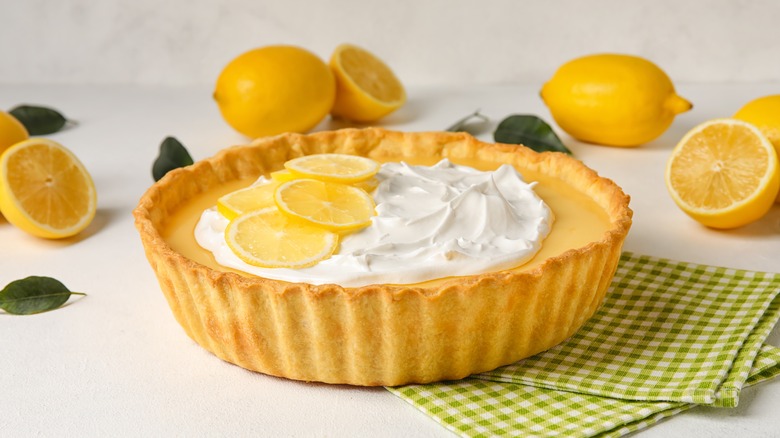
To understand substitutes, it’s important to know what a tart pan is. A tart pan is a round, shallow baking dish, often with fluted sides and a removable bottom. The fluted edges give tarts their signature look, and the removable bottom helps release the tart without breaking it. Tart pans come in different sizes, usually between 8 and 11 inches in diameter, and are made from metal, ceramic, or glass.
A tart pan is ideal for even baking and easy removal. But it’s not essential for making tarts. Many other pans and dishes can do the job, sometimes with small changes to your recipe or technique.
Why Use Tart Pan Substitutes?
You might need a tart pan substitute for several reasons:
- You don’t own a tart pan.
- Your tart pan is too small or too large for your recipe.
- You need to bake several tarts at once.
- You want to try a new shape or style.
- You’re baking in a shared kitchen or while traveling.
Knowing alternatives gives you flexibility. It also lets you bake more often, without waiting to buy special tools.
Best Tart Pan Substitutes
Let’s look at the most effective substitutes for a tart pan. Each has unique benefits and challenges. Some are closer to a tart pan in shape, others require more adaptation. Here’s a detailed overview.
1. Pie Pan
A pie pan is the most common substitute. It’s similar in size and shape, but usually deeper and with smooth, sloped sides. Pie pans can be metal, glass, or ceramic.
How to use: Press the tart dough into the pie pan, making sure it covers the bottom and sides. You won’t get fluted edges, but the tart will bake evenly.
Pros:
- Easy to find in most kitchens.
- Works for both sweet and savory tarts.
- Good heat distribution.
Cons:
- Deeper than tart pans, so the crust may be thicker.
- No fluted edge, so appearance is simpler.
Tip: For fruit tarts, reduce filling by 10-20% to avoid overflow.
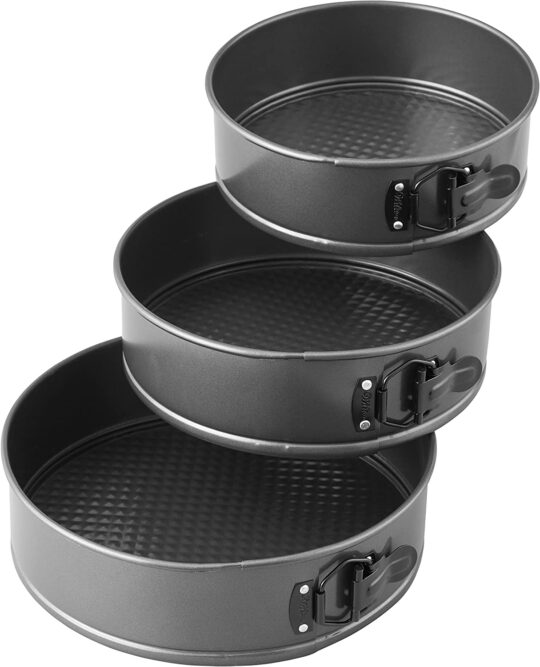
2. Springform Pan
A springform pan has removable sides, making it easy to release the tart. It’s usually used for cheesecakes, but works well for tarts.
How to use: Press dough into the base and halfway up the sides. The pan’s straight edges give a modern look.
Pros:
- Removable sides help with delicate crusts.
- Good for large tarts.
Cons:
- Sides are taller than tart pans.
- No fluted edge.
Tip: Line the base with parchment paper for easy removal.
3. Cake Pan
A cake pan is round, with straight sides. It’s deeper than a tart pan, so you’ll need to adjust the crust and filling.
How to use: Press dough only partway up the sides, or leave a thicker base.
Pros:
- Widely available.
- Holds more filling.
Cons:
- Deeper sides change tart’s look.
- Harder to remove tart without breaking.
Tip: Use a nonstick cake pan or grease well.
4. Muffin Tin
A muffin tin is perfect for mini tarts or tartlets. Each cup holds a small portion, ideal for parties or snacks.
How to use: Cut dough into circles and press into each cup.
Pros:
- Makes individual servings.
- Easy to serve and store.
Cons:
- Small size may change baking time.
- Removing tarts can be tricky.
Tip: Use paper liners or silicone muffin tins for easier removal.
5. Quiche Pan
A quiche pan is almost identical to a tart pan. It’s shallow, sometimes with fluted sides and a removable bottom.
How to use: Use exactly as you would a tart pan.
Pros:
- Closest substitute.
- Makes authentic-looking tarts.
Cons:
- May be hard to find in some kitchens.
Tip: If you have a quiche pan, use it without changes.
6. Sheet Pan
A sheet pan is flat and large. You can make a slab tart, which is cut into squares.
How to use: Roll out dough, place on sheet pan, fold edges up to create a border.
Pros:
- Makes large batches.
- Easy to cut and serve.
Cons:
- No fluted edge.
- Texture may be thinner.
Tip: Use parchment paper to prevent sticking.
7. Cast Iron Skillet
A cast iron skillet is round and sturdy. It retains heat well, giving a crispy crust.
How to use: Press dough into the skillet, bake as usual.
Pros:
- Creates a rustic look.
- Excellent heat retention.
Cons:
- Heavy, can be difficult to handle.
- Sides are not fluted.
Tip: Preheat skillet for 5 minutes before adding dough.
8. Disposable Aluminum Pan
These pans are often used for pies and tarts at parties. They are lightweight and can be thrown away after use.
How to use: Press dough as usual. Aluminum heats quickly, so check for early browning.
Pros:
- No cleanup.
- Good for events or gifting.
Cons:
- Can bend easily.
- No fluted edge.
Tip: Place aluminum pan on a sturdy baking sheet for support.
9. Ceramic Dish
A ceramic dish is deep and holds heat well. It’s often used for casseroles, but works for tarts.
How to use: Press dough into base and sides, but don’t overfill.
Pros:
- Attractive for serving.
- Maintains heat.
Cons:
- Deep sides change tart’s look.
- Heavy and fragile.
Tip: Reduce filling for better balance.
10. Glass Pie Plate
A glass pie plate is similar to a pie pan, but lets you see the crust as it bakes.
How to use: Use as you would a pie pan.
Pros:
- Watch browning easily.
- Good for beginners.
Cons:
- Deeper than tart pan.
- No fluted edge.
Tip: Lower oven temperature by 25°F to avoid over-browning.
11. Loaf Pan
A loaf pan is rectangular and deep. You can make a tart in a different shape.
How to use: Press dough into base and sides, fill with tart mixture.
Pros:
- Fun for creative shapes.
- Easy to slice.
Cons:
- Deep sides.
- Not traditional tart shape.
Tip: Don’t overfill to avoid soggy crust.
12. Brownie Pan
A brownie pan is square or rectangular. You can make tart bars or squares.
How to use: Roll dough, press into base, bake, and cut into squares.
Pros:
- Great for serving many people.
- Easy to cut and share.
Cons:
- Flat, no fluted edge.
Tip: Grease well to help removal.
13. Flan Ring
A flan ring is a metal ring used for flans and tarts. It has no base, so you place it on a baking sheet.
How to use: Place ring on parchment-lined sheet, press dough inside ring.
Pros:
- Makes classic tart shape.
- Thin edges.
Cons:
- Harder to find.
- Needs careful handling.
Tip: Remove ring after baking for clean edges.
14. Mini Tart Molds
These are small, individual molds for mini tarts.
How to use: Press dough into each mold, fill and bake.
Pros:
- Perfect for parties.
- Professional look.
Cons:
- Takes more time.
- Harder to remove tarts.
Tip: Chill molds before baking for crisp crust.
15. Ramekins
Ramekins are small dishes used for soufflés and custards. They work well for mini tarts.
How to use: Press dough into each ramekin, fill, and bake.
Pros:
- Good for single servings.
- Easy to serve.
Cons:
- Deep sides.
Tip: Grease ramekins well to help tart removal.
16. Ovenproof Bowl
An ovenproof bowl can be used for a rustic, deep-dish tart.
How to use: Press dough inside, fill, and bake.
Pros:
- Great for family-style tarts.
- Holds more filling.
Cons:
- Deep sides.
- Not traditional tart shape.
Tip: Reduce filling for a balanced tart.
17. Deep Dish Pizza Pan
A deep dish pizza pan is round and wide. It’s good for big, thick tarts.
How to use: Press dough into base and sides, fill and bake.
Pros:
- Makes large tarts.
- Easy to cut.
Cons:
- Deep sides.
- No fluted edge.
Tip: Bake longer for even cooking.
18. Silicone Baking Mold
A silicone baking mold is flexible and nonstick. It comes in many shapes and sizes.
How to use: Press dough into mold, fill, and bake.
Pros:
- Easy removal.
- Variety of shapes.
Cons:
- May need extra support on baking sheet.
Tip: Place mold on a sturdy pan before filling.
19. Rectangular Tart Pan Substitute
If you need a rectangular tart, use a brownie pan or loaf pan.
How to use: Press dough into base and up sides, fill, and bake.
Pros:
- Perfect for tart bars.
- Easy to slice.
Cons:
- No fluted edge.
Tip: Use parchment for easy lifting.
20. Custom Diy Foil Pan
You can make a pan from heavy-duty foil. Shape it to your preferred size and height.
How to use: Mold foil around a bowl or dish to form sides, place on a baking sheet.
Pros:
- Cheap, flexible size.
- Great for emergencies.
Cons:
- Can be flimsy.
- No fluted edge.
Tip: Double up foil for strength.
Comparison Of Tart Pan Substitutes
Choosing the right substitute depends on your needs. Here’s a table comparing the most common options:
| Substitute | Shape | Ease of Removal | Fluted Edge | Heat Distribution |
|---|---|---|---|---|
| Pie Pan | Round, deep | Good | No | Even |
| Springform Pan | Round, tall | Excellent | No | Even |
| Muffin Tin | Small rounds | Fair | No | Good |
| Sheet Pan | Rectangular, flat | Easy | No | Good |
| Cast Iron Skillet | Round, deep | Fair | No | Excellent |
| Quiche Pan | Round, shallow | Excellent | Yes | Even |
How Substitutes Affect Tart Appearance And Texture
Changing the baking pan changes the tart’s look and mouthfeel. Here are some effects to expect:
- Shape: Most substitutes lack fluted sides. Your tart will look simpler, but still taste great.
- Thickness: Deeper pans mean thicker crust and filling. You may need to reduce filling or adjust crust.
- Crispness: Metal pans (like pie or springform) give crisp crusts. Glass or ceramic may bake softer.
- Portion Size: Muffin tins or mini molds give smaller, individual tarts. Sheet pans and brownie pans give large, shareable tarts.
Non-obvious insight: Using a springform pan can actually help with delicate tarts, since you can remove the sides without flipping or sliding the tart out. This reduces breakage—something beginners often miss when struggling with removal.
Adjusting Recipes For Substitute Pans
To get good results with a substitute, you might need to tweak your recipe:
- Reduce Filling: For deep pans, use less filling to avoid overflow.
- Adjust Baking Time: Shallow pans bake faster; deep pans take longer. Always check doneness with a toothpick or by gently shaking the pan.
- Grease and Line: Grease pans well, and use parchment paper for easier tart removal.
- Pre-bake Crust: If using a pan with deep sides, pre-bake the crust (“blind bake”) for 10-15 minutes so it stays crisp after adding filling.
Another insight: If you use a glass or ceramic dish, lower your oven temperature by 25°F. These materials hold heat longer, so the crust can brown too quickly. Many beginners don’t realize this and end up with burnt crusts.
Practical Tips For Baking With Substitutes
Here are some tips to help you succeed with tart pan substitutes:
- Measure Dough Carefully: Cut or roll dough to fit your pan. Extra dough can make crusts too thick.
- Use Parchment Paper: Place parchment under the crust for easy removal, especially in pans without removable bottoms.
- Preheat Pan: For cast iron or ceramic, preheat the pan for a few minutes to get a crispier crust.
- Check Early: Start checking doneness 5-10 minutes before your usual time, especially in smaller pans.
- Cool Before Removing: Let tarts cool for 10-15 minutes before removing from pan to prevent breaking.
- Experiment With Shapes: Try rectangular or square pans for tart bars, which are easy to cut and share.
- Avoid Overfilling: Too much filling can cause soggy crusts or spills.
When Not To Use Certain Substitutes
Some pans are not ideal for all tarts. Here’s a quick guide:
- Very liquid fillings (like custards): Avoid sheet pans or shallow molds unless you build up a strong crust border.
- Fragile crusts: Avoid cake pans or ceramic dishes without parchment paper, as they can stick.
- Large tarts: Don’t use muffin tins or ramekins; too small for most recipes.
Credit: blogchef.net
Comparing Substitutes For Different Tart Types
Different tarts need different substitutes. Here’s a table showing the best matches:
| Tart Type | Best Substitute | Why |
|---|---|---|
| Fruit Tart | Pie Pan, Springform Pan | Even heat, good size |
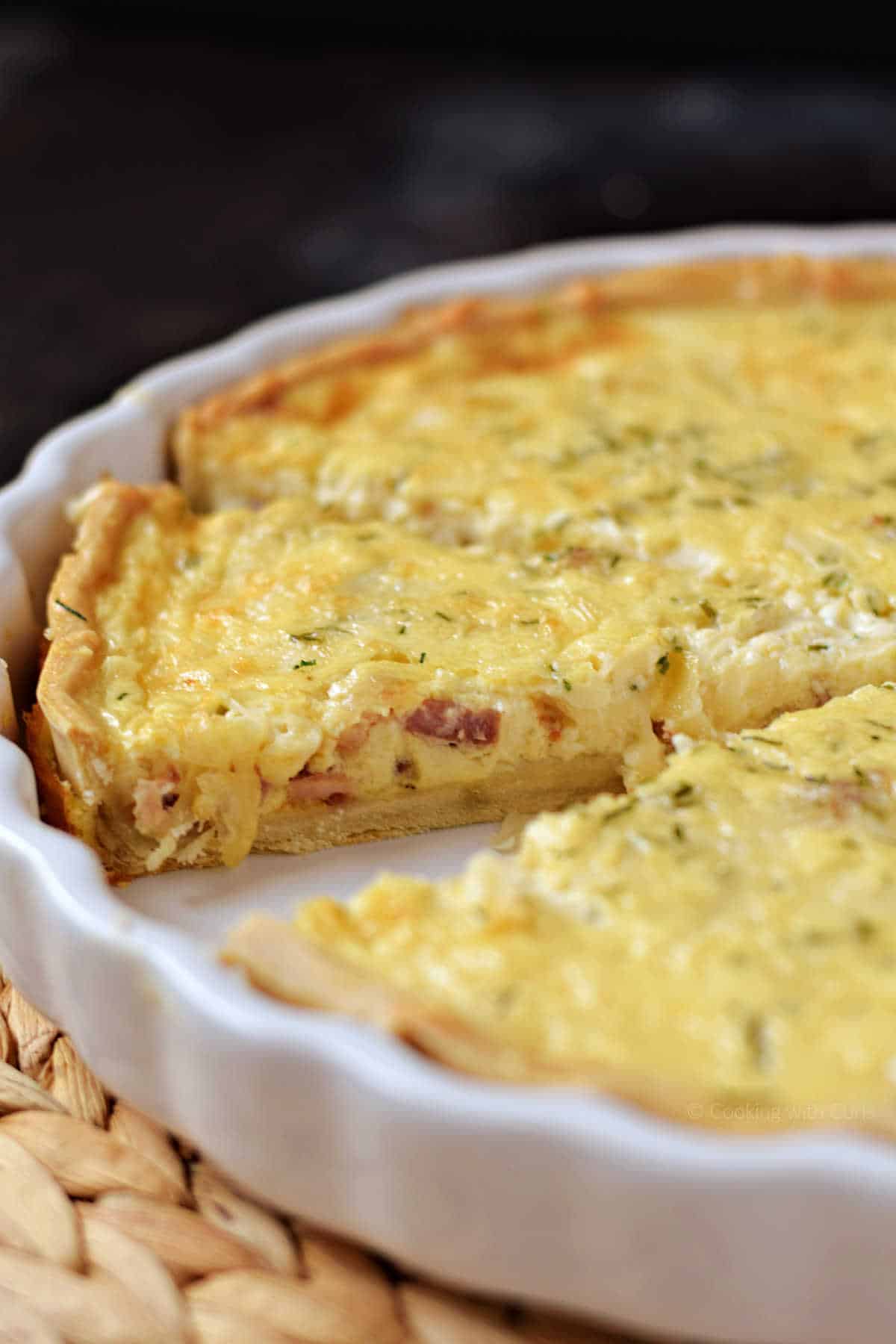
| Quiche | Quiche Pan, Cast Iron Skillet | Shallow, crisp crust |
| Mini Tartlets | Muffin Tin, Mini Tart Molds | Individual servings |
| Slab Tart | Sheet Pan, Brownie Pan | Large batch, easy to cut |
| Deep Dish Tart | Loaf Pan, Ovenproof Bowl | Holds more filling |
Cleaning And Maintaining Substitute Pans
Proper cleaning keeps your pans in good shape for future baking.
- Metal pans: Wash with warm, soapy water. Avoid scratching nonstick surfaces.
- Ceramic and glass: Allow to cool before washing to prevent cracking.
- Cast iron skillet: Wipe clean, avoid soaking. Dry and oil after use.
- Silicone molds: Rinse well, check for stuck dough.
- Disposable pans: Discard after use, but recycle if possible.
Creative Tart Shapes Without A Tart Pan
You don’t have to stick to classic round tarts. Substitute pans let you create unique shapes:
- Rectangular tart bars (brownie pan)
- Heart-shaped tarts (silicone mold)
- Slab tarts (sheet pan)
- Individual tarts (muffin tin, mini molds)
Experimenting with shapes can make your tarts more fun and memorable.
Common Mistakes When Using Tart Pan Substitutes
Beginners sometimes make errors when using substitutes. Here are a few to avoid:
- Overfilling: Too much filling leads to soggy crust.
- Under-greasing: Tarts stick to pans, break during removal.
- Ignoring baking time: Deep pans need longer baking.
- Skipping parchment paper: Makes removal difficult.
- Not cooling before removal: Tarts break apart if removed too hot.
Credit: www.thedailymeal.com
When Should You Buy A Tart Pan?
If you bake tarts often, buying a tart pan is worthwhile. It gives a classic look and makes removal easier. But if you bake tarts only a few times a year, or enjoy experimenting, substitutes are often enough.
Data point: According to a survey by King Arthur Baking, only 38% of home bakers own a tart pan, while 91% have a pie pan. This shows that substitutes are common and accepted in home baking.
Where To Learn More
For more guidance on baking pans and their uses, see Wikipedia’s Bakeware page. It covers the history and types of bakeware, and is helpful for anyone interested in baking tools.
Credit: cookingwithcurls.com
Frequently Asked Questions
Can I Use A Pie Pan Instead Of A Tart Pan?
Yes, a pie pan is a good substitute. It’s deeper and has smooth sides, so your tart will look different, but it will bake evenly. Reduce the filling slightly and grease the pan well for easy removal.
How Do I Remove A Tart From A Substitute Pan?
Let the tart cool for 10-15 minutes, then use a thin spatula or parchment paper to lift it gently. For pans without removable bottoms, cut the tart in the pan and serve slices.
Will My Tart Taste Different If I Use A Substitute Pan?
No, the tart’s flavor will stay the same. The main difference is in shape and appearance. Metal pans might give a crisper crust, while glass or ceramic makes a softer texture.
What’s The Best Substitute For Mini Tarts?
Muffin tins and mini tart molds are the best. They make individual servings and are easy to fill and bake. Use liners for easier removal.
Do I Need To Change Baking Time For Substitute Pans?
Yes, baking time may change. Shallow pans bake faster, deep pans take longer. Always check doneness with a toothpick or by gently shaking the pan.
Baking tarts without a tart pan is easy and flexible. With the right substitute and a few adjustments, you can enjoy delicious homemade tarts in any kitchen. Try different pans, shapes, and recipes to discover new favorites. Your creativity is the only limit.