
Matte floor tiles are becoming more popular in homes and businesses. Their soft, non-glossy finish looks modern and feels natural. But many people are surprised to find that matte tiles need special care. Unlike shiny tiles, matte surfaces can trap dirt and show stains if you use the wrong cleaning methods. If you want your floors to look clean and beautiful for years, you need to understand the best ways to clean and maintain matte tiles.
This guide will show you everything you need to know about cleaning matte floor tiles. You’ll learn why matte tiles are different, what cleaning products work best, and the exact steps for keeping them spotless. There are also tips to handle tough stains, avoid common mistakes, and keep your floors looking fresh without damaging the surface.
By the end, you’ll feel confident about caring for any type of matte tile, whether it’s in your bathroom, kitchen, or living room.
What Makes Matte Tiles Different
Matte tiles are unique because of their non-reflective surface. Unlike glossy tiles, which have a shiny, smooth finish, matte tiles are textured and have a soft, muted look. This texture is not just a design choice—it affects how you clean the tiles and how much dirt they show.
Matte tiles are made from materials like ceramic, porcelain, or natural stone. The matte finish is created by not applying a glaze or by using a special glaze that isn’t shiny. This makes the surface less slippery, which is a big reason why people choose matte tiles for bathrooms or kitchens.
However, the textured surface of matte tiles can trap dust, oil, and grime more easily. Spills, especially from coffee, wine, or grease, can be harder to remove because they soak into the tiny pores on the tile. Over time, this can lead to staining or dull spots if you don’t clean them properly.
Another important difference is that harsh chemicals or abrasive tools can scratch or dull the matte finish. This means you must be careful with the cleaning products and equipment you use. It also explains why regular cleaning is more important for matte tiles.
Why Regular Cleaning Matters
It might seem like matte tiles hide dirt better than glossy tiles, but the opposite is often true. Because matte tiles have a rougher surface, dirt and stains can cling to the tile and become visible over time. If you let dust and grime build up, your floor will start to look dull and dirty, even if you mop it often.
Regular cleaning keeps your tiles looking good and prevents long-term damage. If you clean matte floor tiles the right way, you’ll avoid the most common problems:
- Permanent stains: Some spills can leave marks that are hard to remove if not cleaned quickly.
- Build-up of grime: Dirt can collect in the pores and grout lines, making the whole floor look aged.
- Loss of texture: Using harsh chemicals or scrubbing too hard can smooth out the tile’s surface, ruining the matte look.
Most experts recommend sweeping or vacuuming matte tiles at least once a week and mopping every 1-2 weeks. In high-traffic areas, you may need to clean more often.
Understanding The Types Of Matte Floor Tiles
Not all matte tiles are the same. The best cleaning method depends on the type of tile you have. Here are the most common types:
1. Matte Ceramic Tiles
Ceramic tiles are made from clay and fired at high temperatures. They’re durable and water-resistant. Matte ceramic tiles have a soft finish and are usually found in kitchens or bathrooms.
2. Matte Porcelain Tiles
Porcelain tiles are similar to ceramic but denser and less porous. They’re very strong and can be used indoors or outdoors. Matte porcelain tiles often look like natural stone or wood.
3. Matte Natural Stone Tiles
These include slate, limestone, travertine, and marble with a matte finish. They are more porous and delicate than ceramic or porcelain. Cleaning natural stone requires extra care to avoid damage.
4. Matte Cement Tiles
Cement tiles with a matte finish are trendy in modern homes. They are very absorbent and can stain easily. Sealing is often needed to protect them.
5. Matte Vinyl Or Luxury Vinyl Tiles (lvt)
Some vinyl tiles are designed to mimic the look of matte ceramic or stone. These are low-maintenance but still need gentle cleaning.
Each type of matte tile has its own cleaning needs. Always check the manufacturer’s instructions before using any cleaner.
Essential Tools And Supplies For Cleaning Matte Floor Tiles
To clean matte floor tiles properly, you need the right tools and cleaning products. The wrong equipment can scratch the surface or leave streaks. Here’s what you should have on hand:
Basic Cleaning Tools
- Soft-bristle broom: Sweeps away dust without scratching the tile.
- Microfiber mop: Picks up fine dirt and doesn’t leave lint.
- Vacuum with hard floor setting: For quick dust removal, make sure the vacuum doesn’t have a beater bar.
- Bucket: For mixing cleaning solutions.
- Spray bottle: Useful for spot cleaning.
Recommended Cleaning Products
- PH-neutral tile cleaner: Safe for all matte tiles, won’t damage the surface.
- Warm water: The best base for most cleaning.
- Mild dish soap: Good for greasy stains, use only a few drops.
- White vinegar: For natural cleaning, but use with caution on natural stone.
- Baking soda: For gentle scrubbing of stubborn spots.
Optional Tools For Tough Stains
- Soft sponge or non-abrasive scrub pad
- Old toothbrush: For grout lines and corners
- Microfiber cloths: For drying and buffing
Avoid steel wool, hard brushes, or any cleaning product that contains acids (except diluted vinegar for ceramic/porcelain). Strong chemicals can etch or discolor matte tiles.

Credit: www.orientbell.com
Step-by-step Guide: How To Clean Matte Floor Tiles
Cleaning matte floor tiles is simple if you follow a regular routine. Here’s a detailed process that works for most types of matte tile.
Step 1: Remove Loose Dirt And Dust
Start by sweeping the floor with a soft-bristle broom or using a vacuum with a hard floor setting. Pay attention to corners and grout lines, where dust can collect. Removing loose dirt prevents scratches during mopping.
Step 2: Prepare A Safe Cleaning Solution
Fill a bucket with warm water. Add a small amount of pH-neutral tile cleaner or a few drops of mild dish soap. If you prefer natural cleaning, you can add one cup of white vinegar to a gallon of water, but avoid this on natural stone tiles.
Step 3: Mop The Floor
Dip a microfiber mop into the cleaning solution and wring it out so it’s damp, not soaking wet. Mop the floor in small sections. Rinse the mop often and change the water if it gets dirty.
For large rooms, it helps to work in sections so the floor doesn’t dry with streaks.
Step 4: Spot Clean Stains
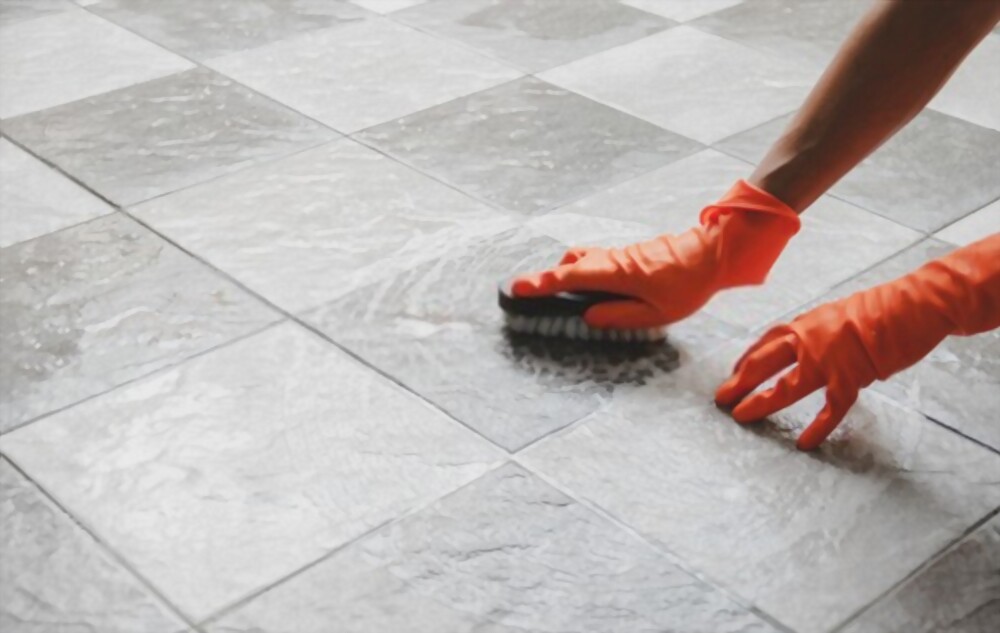
If you see any stains or sticky spots, spray them with a little cleaning solution. Let it sit for a minute, then gently scrub with a soft sponge or an old toothbrush. For tough stains, sprinkle a bit of baking soda on the spot before scrubbing.
Step 5: Rinse And Dry
After mopping, rinse the floor with clean water to remove any soap residue. Wipe the floor dry with a microfiber cloth or let it air-dry. Drying is important because water spots can leave marks on matte tiles.
Step 6: Buff For Extra Cleanliness
If you want a perfect finish, buff the dry tiles gently with a clean, dry microfiber cloth. This removes any streaks and brings out the natural texture of the matte surface.
How To Clean Grout On Matte Tile Floors
Grout is the material between your tiles. On matte floors, dirty grout is more visible and can spoil the look of your floor. Here’s how to keep grout lines clean:
- Vacuum or sweep before cleaning grout.
- Mix a paste of baking soda and water.
- Apply the paste to the grout lines.
- Let it sit for 10-15 minutes.
- Scrub gently with an old toothbrush.
- Rinse with clean water.
For stubborn stains, use a grout-specific cleaner. Avoid bleach or harsh chemicals on colored grout, as it can cause fading.
Handling Stains And Problem Areas
Some stains are more challenging than others. Here’s how to handle the most common problems on matte tiles:
Grease Stains
- Use a solution of warm water and a few drops of dish soap.
- Apply with a sponge and let it sit for 2-3 minutes.
- Wipe clean and rinse with water.
Food And Drink Spills
- Blot up spills immediately with a paper towel.
- Clean the area with a damp mop and pH-neutral cleaner.
Water Spots And Hard Water Stains
- Mix equal parts white vinegar and water.
- Wipe the stain with a soft cloth (avoid vinegar on natural stone).
- Rinse with water and dry.
Mold And Mildew
- Mix one part hydrogen peroxide with two parts water.
- Spray on the affected area.
- Let it sit for 10 minutes, then scrub and rinse.
Paint Or Ink Stains
- Dab with a rubbing alcohol-soaked cloth.
- Do not scrub hard, as this can damage the matte finish.
If you’re unsure, always test a small hidden spot before using any new cleaner.
Comparing Cleaning Methods For Different Types Of Matte Tiles
Different tile materials react differently to cleaning methods. Here’s a quick comparison to help you choose the best approach for your floor:
| Tile Type | Best Cleaning Solution | What to Avoid |
|---|---|---|
| Matte Ceramic | pH-neutral cleaner, diluted vinegar | Strong acids, abrasive tools |
| Matte Porcelain | pH-neutral cleaner, mild soap | Bleach, wax-based products |
| Natural Stone (Matte) | Stone-safe cleaner, warm water | Vinegar, ammonia, lemon juice |
| Matte Cement | Mild soap, pH-neutral cleaner | Acidic cleaners, soaking with water |
| Matte Vinyl | Vinyl floor cleaner, warm water | Steam mops, abrasive pads |
Common Mistakes To Avoid When Cleaning Matte Floor Tiles
Many people make simple mistakes that can ruin the look or lifespan of their matte tiles. Here are the most common errors and how to avoid them:
1. Using Too Much Water
Soaking the floor can cause water to seep into grout lines and under the tiles, especially with natural stone or cement. This leads to stains, mold, or loose tiles.
2. Choosing The Wrong Cleaner
Some products are too harsh for matte finishes. Avoid bleach, ammonia, strong acids, and wax-based cleaners. Stick to pH-neutral products.
3. Scrubbing With Abrasive Tools
Steel wool, hard brushes, and rough sponges can scratch the tile and remove the matte texture. Always use soft tools.
4. Not Drying The Floor
Letting the floor air-dry is okay for small rooms, but in large areas, water spots can form. Dry with a microfiber cloth for best results.
5. Neglecting Grout
Dirty grout lines make the whole floor look bad. Clean grout regularly to keep your floor looking fresh.
6. Ignoring Spills
Allowing spills to sit can cause stains, especially on porous tiles. Clean up immediately to prevent damage.
7. Using Vinegar On Natural Stone
Vinegar is a great natural cleaner for ceramic or porcelain but can etch and damage natural stone tiles.
How To Deep Clean Matte Floor Tiles
Regular cleaning is important, but sometimes your floor needs a deep clean. This is especially true if you notice built-up grime, stubborn stains, or a dull appearance.
Here’s how to deep clean matte floor tiles:
- Remove all furniture and rugs from the area.
- Sweep or vacuum thoroughly.
- Mix a stronger cleaning solution: 2-3 times the usual amount of pH-neutral cleaner in warm water. For ceramic or porcelain, you can use a vinegar solution.
- Mop the floor, letting the solution sit for 3-5 minutes on tough spots.
- Scrub stubborn areas with a non-abrasive pad or soft brush.
- Rinse with clean water to remove all residue.
- Dry the floor completely.
For natural stone or cement tiles, use only stone-safe or cement-specific cleaners. Avoid any acid-based products.
If you deep clean your matte tile floors every 3-6 months, you’ll avoid most long-term problems.
Preventing Stains And Damage On Matte Tiles
The best way to keep your matte floor tiles looking new is to prevent stains and damage before they happen. Here are some simple habits and tips:
- Wipe up spills right away to stop stains from setting.
- Use doormats at entrances to catch dirt and grit.
- Place rugs or mats in high-traffic areas, like kitchens or hallways.
- Avoid dragging heavy furniture across the floor—use felt pads.
- Reseal natural stone or cement tiles every 1-2 years (follow manufacturer’s advice).
- Use only approved cleaning products for your specific tile.
One non-obvious insight: placing small mats near pet food and water bowls can save you from tough stains caused by pet spills, which are often ignored until they become a real problem.
How Often Should You Clean Matte Floor Tiles?
How often you need to clean depends on where the tiles are and how much traffic the area gets. Here’s a simple guide:
| Area | Frequency | Special Notes |
|---|---|---|
| Kitchen | Daily/Every 2 days | Clean spills immediately |
| Bathroom | Every 2-3 days | Watch for soap scum and mold |
| Living Room | Weekly | Vacuum under furniture monthly |
| Entryway/Hallway | Twice a week | Use doormats |
| Outdoor Patio | Bi-weekly | Rinse after rain |
High-traffic and spill-prone areas need more frequent care. For low-traffic rooms, a weekly cleaning is usually enough.
Credit: dblceramics.com
Eco-friendly Cleaning Methods For Matte Tiles
If you prefer green cleaning, there are safe and effective ways to clean matte tiles without harsh chemicals:
- Mix one cup of white vinegar with one gallon of water for ceramic or porcelain tiles (not for natural stone).
- Sprinkle baking soda on stains, then scrub gently with a damp sponge.
- Use castile soap (a plant-based soap) diluted in water for a gentle clean.
These eco-friendly options are safer for your family and the environment. Always rinse well to avoid leaving residues.
When To Call A Professional
Sometimes, regular cleaning isn’t enough. If you notice:
- Deep stains that won’t come out
- Mold in grout lines that keeps returning
- Discoloration or dullness that doesn’t improve
…it may be time to call a professional tile cleaner. Professionals use special equipment and cleaning agents that can restore the look of your matte tiles. This is especially important for valuable natural stone or large commercial spaces.
Professional cleaning is also wise before hosting big events or if you’re moving into a new home with old tile floors.
Practical Tips For Long-term Maintenance
Keeping matte floor tiles looking their best is a long-term job. Here are some extra tips that many beginners miss:
- Rotate rugs and mats regularly to prevent uneven wear.
- Check for loose tiles or cracked grout during cleaning. Fix these issues quickly to avoid bigger problems.
- Ventilate rooms after mopping to speed up drying and avoid musty smells.
- For pet owners, clean paws before pets come inside to prevent dirt buildup.
- Use a color-matched grout pen every year or two to refresh grout lines and keep them looking clean.
Another expert tip: Avoid using steam mops on matte tiles, especially on natural stone or cement, because the high heat and moisture can damage the surface and weaken grout.
Frequently Asked Questions
How Do You Keep Matte Tiles From Looking Streaky After Mopping?
To avoid streaks, always use a well-wrung mop (not too wet) and mop in small sections. Rinse the mop often in clean water. After mopping, dry the floor with a microfiber cloth or towel. If streaks appear, buff with a dry microfiber cloth to finish.
Can You Use Vinegar To Clean All Matte Floor Tiles?
Vinegar is safe for most ceramic and porcelain matte tiles but should never be used on natural stone (like marble, slate, or limestone). The acid in vinegar can etch and dull the surface. Always check the tile manufacturer’s advice before using vinegar.
What’s The Best Way To Remove Tough Stains From Matte Tiles?
For tough stains, make a paste of baking soda and water. Apply to the stain, let sit for 10 minutes, then scrub gently with a soft brush. Rinse with clean water. For stubborn stains, you may need a specialized tile cleaner.
How Do You Clean Matte Tile Floors Without Leaving Residue?
Use a pH-neutral cleaner and rinse the floor with clean water after mopping. Avoid using too much soap or cleaner, as this can leave a film. Dry the floor with a clean microfiber cloth for best results.
Should Matte Floor Tiles Be Sealed?
Some types of matte tiles, especially natural stone and cement, should be sealed to protect against stains and moisture. Ceramic and porcelain matte tiles usually don’t need sealing, but the grout may benefit from it. Check with your tile supplier or installer for the best advice.
For more in-depth information on tile care, you can visit the Tile Association’s official care guide.
Keeping matte floor tiles clean does not have to be hard or time-consuming. With the right tools, regular habits, and a little knowledge, you can enjoy the beauty and durability of your matte tile floors for many years. By following these steps, you’ll protect your investment and keep every room looking its best.

Credit: shop.truckmountforums.com