
Stainless steel cookware is a familiar sight in many kitchens. You might see shiny pots and pans in homes, restaurants, or even cooking shows. But one question often comes up: Is stainless steel cookware nonstick? Many people want cookware that is easy to clean, doesn’t make food stick, and is healthy to use. However, there is a lot of confusion about what stainless steel really offers, especially compared to popular nonstick pans.
This article will help you understand everything about stainless steel cookware, how it works, and whether it truly has nonstick properties. We’ll dive into the science, compare it with other cookware types, share tips for cooking without sticking, and address common myths. If you are thinking of buying new pots or pans or just want to cook better with the ones you have, this guide will give you clear, practical answers.
What Is Stainless Steel Cookware?
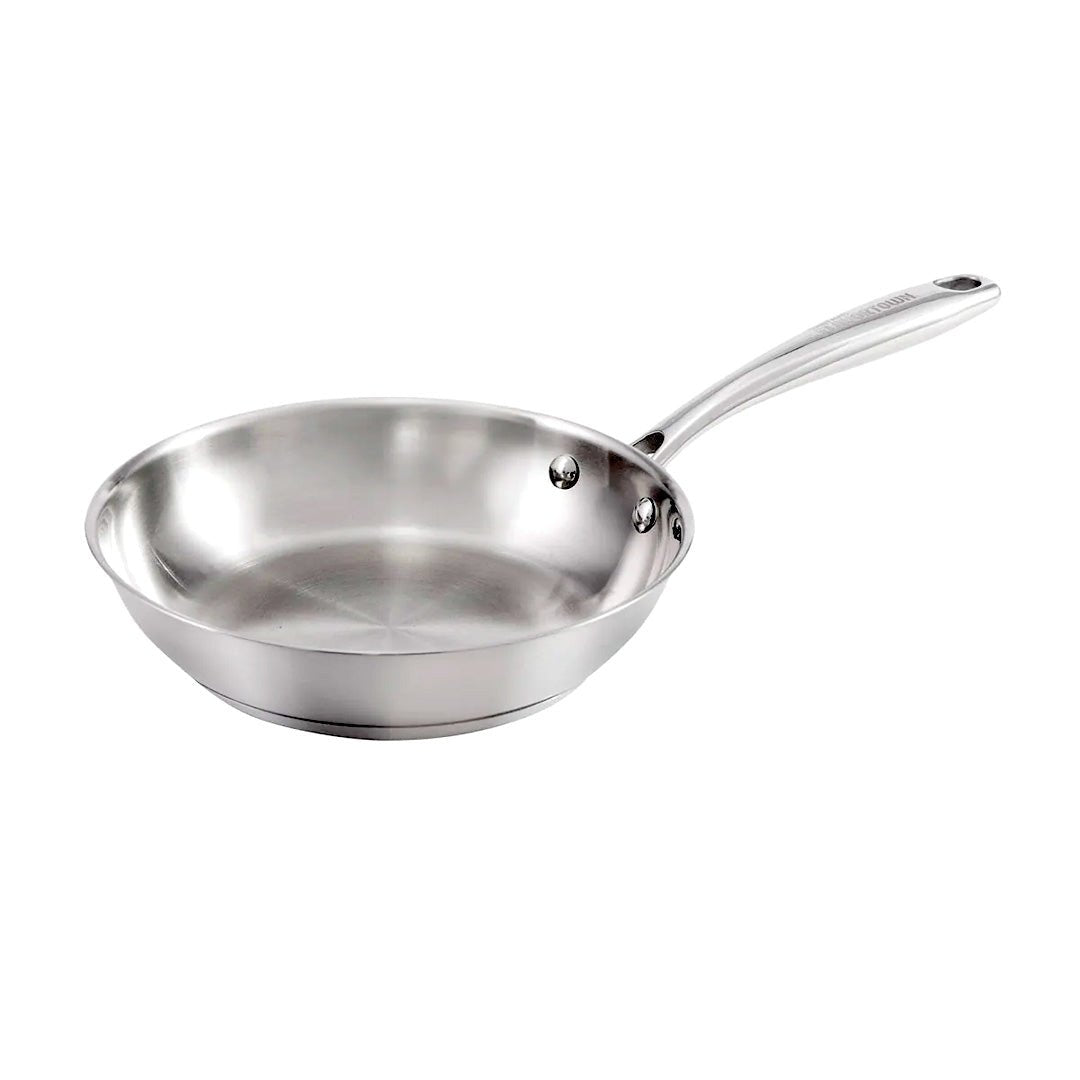
Stainless steel cookware is made from an iron-based alloy containing chromium and sometimes nickel. Chromium gives stainless steel its shiny look and makes it resistant to rust and stains. This is why it’s called “stainless.” Most kitchen-grade stainless steel contains about 18% chromium and 8-10% nickel, often labeled as 18/8 or 18/10.
Stainless steel itself is not a great heat conductor. That’s why many pots and pans have an aluminum or copper core sandwiched between layers of stainless steel. This multi-layer construction helps the cookware heat up evenly, so your food cooks better and doesn’t burn in spots.
Advantages Of Stainless Steel Cookware
- Durability: Stainless steel is very strong. It resists dents, scratches, and warping, even with daily use.
- No Rust or Staining: Proper stainless steel won’t rust or stain easily, even if you cook acidic foods like tomatoes.
- Non-Reactive: It doesn’t react with most foods, so your meals taste as they should.
- Versatility: You can use stainless steel on almost any cooking surface (gas, induction, oven, etc. ).
- Easy Maintenance: You can scrub it, use metal utensils, and even put it in the dishwasher.
Disadvantages
- Not Naturally Nonstick: Stainless steel cookware does not have a nonstick coating, so food can stick if you’re not careful.
- Heavier: It can be heavier than aluminum or nonstick pans.
- Price: High-quality stainless steel cookware is often more expensive.
What Does “nonstick” Really Mean?
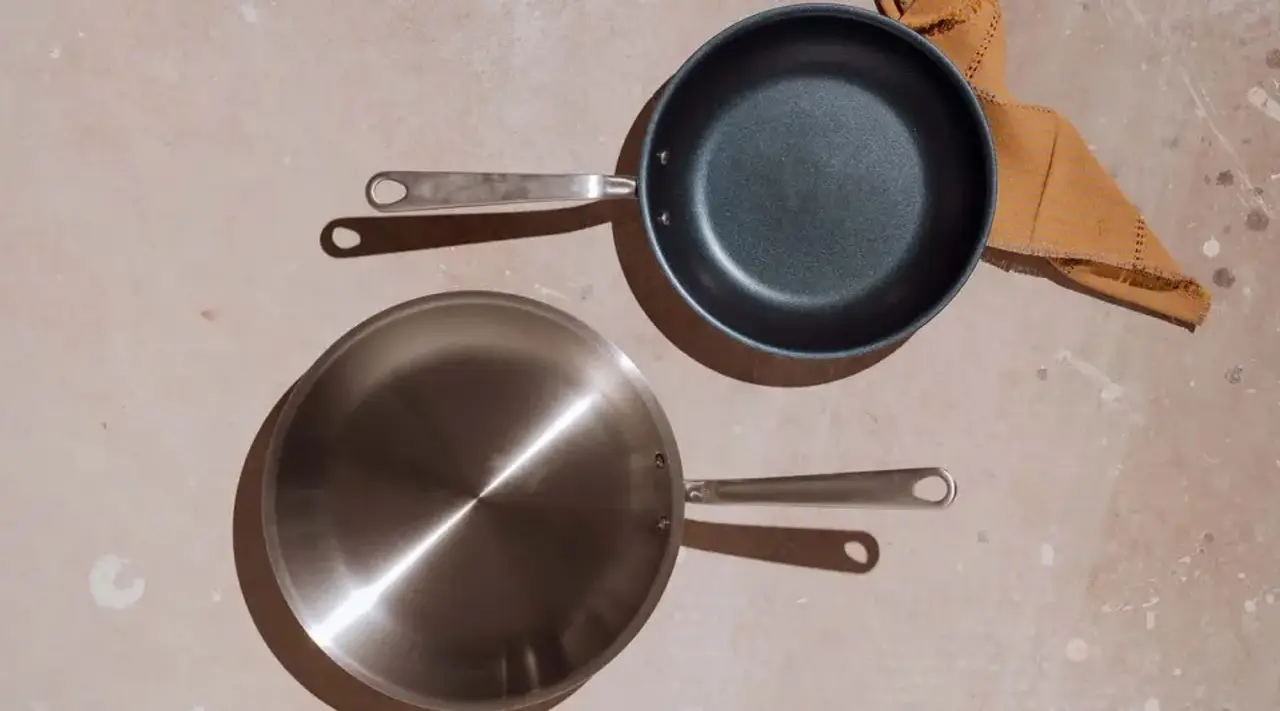
When people talk about nonstick cookware, they usually mean pans with a coating—like Teflon (PTFE) or ceramic—that makes it hard for food to stick. You can fry eggs or pancakes with almost no oil, and they slide out of the pan easily. Nonstick pans are famous for simple cleanup.
Stainless steel cookware, on the other hand, does not have this special coating. The surface is smooth but not slippery. This means that eggs, fish, or cheese can stick if you don’t use the right cooking method.
Types Of Nonstick Coatings
- PTFE (Teflon): The most common nonstick coating. Easy to use but can get damaged by high heat or metal utensils.
- Ceramic: A newer, more eco-friendly option, but less durable.
- Seasoned Cast Iron: Develops a natural nonstick surface over time.
Stainless steel has none of these. So, is there a way to make it act nonstick? Let’s explore.
:max_bytes(150000):strip_icc()/Allrecipes-Stainless-Steel-Skillet-4x3-c0dd0df19ae5491a89a1eb747b3800e8.jpg)
Credit: www.allrecipes.com
Can Stainless Steel Be Nonstick?
The short answer is: No, stainless steel is not naturally nonstick. But with the right technique, you can make it act “almost nonstick” for many recipes. This skill is one reason why professional chefs love stainless steel—it lets them get a good sear on meat, build flavors, and even cook delicate items if they know what they’re doing.
Why Food Sticks To Stainless Steel
Food sticks because of the surface structure and temperature. When you put cold food on a cold pan, the proteins in the food bond with the metal. If the pan isn’t hot enough, or if you don’t use enough oil, this bond gets strong and food glues itself to the pan.
Eggs, fish, and cheese are the most likely to stick. Meats and vegetables are easier if you use the right steps.
Making Stainless Steel “act Nonstick”
Here’s what many beginners miss: Temperature and oil matter a lot. If you preheat your pan and use enough fat, you can reduce sticking. There’s a simple trick called the “water drop test”:
- Preheat your pan over medium heat for a few minutes.
- Flick a few drops of water onto the surface.
- If the water “dances” or forms little balls that move around the pan, it’s hot enough.
- Now add your oil and then your food.
This way, the food cooks on top of a thin layer of oil, not directly on the metal.
Stainless Steel Vs. Nonstick Cookware
Many people wonder which is better: stainless steel or nonstick? The answer depends on what you cook and how you cook it.
Here’s a direct comparison to make things clearer:
| Feature | Stainless Steel | Nonstick |
|---|---|---|
| Nonstick Surface | No (but can be made less sticky) | Yes |
| Durability | Very high | Low to medium |
| Safe for High Heat | Yes | No (most nonsticks break down at high heat) |
| Oven Safe | Yes | Often limited |
| Metal Utensil Safe | Yes | No |
| Best For | Searing, browning, deglazing | Eggs, pancakes, delicate foods |
| Typical Price | Medium to high | Low to medium |
When To Use Stainless Steel
- Searing meat or fish
- Making pan sauces
- Cooking foods that need a good crust
- Recipes that start on the stove and finish in the oven
When To Use Nonstick
- Scrambled eggs or omelets
- Pancakes or crepes
- Sticky or delicate foods
- Low-fat cooking with little oil
The Science Of Sticking: What Beginners Miss
One thing many home cooks don’t realize is that sticking is often caused by too low or too high heat. If the pan is too cold, proteins bond to the metal. If it’s too hot, oil burns off and food will stick or burn. Stainless steel has a “sweet spot” for temperature.
Another missed detail is letting food release naturally. When meat or fish goes into the pan, it may stick at first. But after a minute or two, a crust forms and the food releases easily. If you try to flip it too soon, it tears and sticks.
Surface Tension And Oil
Oil fills in tiny pores on the stainless steel surface, making it smoother. This thin barrier is what keeps food from sticking. Using too little oil, or putting food in before the oil is hot, causes problems.
How To Use Stainless Steel Without Sticking
If you want to cook with stainless steel and avoid frustration, here are practical steps:
1. Preheat The Pan
Heat your pan on medium for 2-3 minutes. Use the water drop test to check readiness.
2. Add Enough Oil
Pour a thin layer of oil to cover the bottom. Let it heat until it shimmers but doesn’t smoke.
3. Dry Food Well
Pat meat, fish, or vegetables dry with a paper towel. Wet food cools the pan and makes sticking worse.
4. Don’t Crowd The Pan
Too much food at once drops the temperature and causes steam, leading to sticking.
5. Let Food Release Naturally
Wait for a crust to form before flipping. If it’s still stuck, give it more time.
6. Use The Right Tools
Use a thin spatula to get under delicate foods if needed.
Dealing With Sticky Messes
If something does stick, soak the pan in hot water, then scrub with a nylon brush or use a stainless steel cleaner. Don’t use harsh steel wool as it may scratch the finish.
Seasoning Stainless Steel: Does It Help?
Some cooks “season” their stainless steel pans like a cast iron skillet. This means heating oil in the pan so it forms a thin, polymerized layer. It can help a little, but it’s not as effective as with cast iron or carbon steel because stainless steel is less porous.
To season:
- Heat the clean, dry pan.
- Add a small amount of high-smoke-point oil (like grapeseed or canola).
- Swirl it around and let it smoke slightly.
- Let the pan cool, then wipe out excess oil.
This can make the pan a bit more stick-resistant, but you’ll still need to use oil when cooking.
Health And Safety: Is Stainless Steel Better?
Stainless steel cookware is considered very safe. It doesn’t release chemicals, even at high heat. Nonstick coatings, especially older ones, can break down and release fumes above 500°F (260°C). Some people worry about nickel or chromium leaching from stainless steel, but this is rare and usually not a concern unless you have a metal allergy.
Compared to nonstick pans, stainless steel is the better choice for high-heat cooking. You don’t have to worry about coating flakes or toxic fumes.
Cooking With Less Oil
While nonstick pans let you cook with less fat, you can still keep oil use low with stainless steel by following the temperature steps and wiping out excess oil before adding food.
Credit: flavortown-cookware.com
Maintenance And Cleaning
Stainless steel is easy to maintain if you know a few tricks:
- For stuck-on food, fill the pan with water and bring it to a boil. Use a spatula to scrape off bits.
- For rainbow stains (caused by heat), use a little vinegar or a stainless steel cleaner.
- To keep the shine, dry the pan right away after washing.
Never clean hot stainless steel with cold water. This can warp the pan.
Stainless Steel Cookware In Professional Kitchens
Chefs around the world choose stainless steel cookware for its reliability and performance. It lets them brown meat, create sauces, and deglaze pans—skills that home cooks can learn too.
A professional chef can make eggs or fish in stainless steel without sticking, but it takes practice. That’s why beginners sometimes get frustrated. With the right method, you can get similar results.
How Does Stainless Steel Compare To Other Cookware?
Choosing cookware can be confusing. Here’s how stainless steel stacks up against other popular types.
| Type | Nonstick Ability | Durability | Maintenance |
|---|---|---|---|
| Stainless Steel | Low (unless technique is used) | High | Easy |
| Nonstick (PTFE) | Very High | Low | Easy (but can’t scrub hard) |
| Ceramic Nonstick | High (when new) | Medium | Easy |
| Cast Iron | Medium (when seasoned) | Very High | Needs seasoning |
| Carbon Steel | Medium (when seasoned) | High | Needs seasoning |
| Aluminum | Low (unless coated) | Medium | Easy |
When Not To Use Stainless Steel
While stainless steel cookware is great for most recipes, there are some cases where it’s not the best choice:
- Cooking sticky foods like eggs without enough fat
- Making delicate fish without practice
- If you want ultra-easy cleanup every time
For these situations, a nonstick pan is more forgiving.
Common Myths About Stainless Steel Cookware
Myth 1: Stainless Steel Is Always Nonstick
This is not true. By default, food will stick if you don’t use proper technique.
Myth 2: You Can’t Cook Eggs In Stainless Steel
You can cook eggs in stainless steel, but you need to preheat the pan, use enough fat, and let the eggs release naturally.
Myth 3: Stainless Steel Needs Special Cleaning Products
Most of the time, hot water and a sponge are enough. For tough stains, use vinegar or a stainless steel cleaner, but harsh chemicals are rarely needed.
Myth 4: Stainless Steel Leaches Harmful Metals
For almost everyone, stainless steel is safe. Only people with serious metal allergies need to worry.
Choosing The Right Stainless Steel Cookware
Not all stainless steel pans are created equal. Here’s what to look for:
- Multi-Ply Construction: Look for “tri-ply” or “5-ply” pans (stainless steel with an aluminum or copper core).
- Weight: Heavier pans usually have better heat distribution.
- Handle Design: Riveted handles are stronger and last longer.
- Oven Compatibility: Check if the cookware can handle high oven temperatures.
- Lid Fit: A tight lid helps with simmering and steaming.
Cheap, lightweight stainless steel pans often have hot spots and warp easily.
Real-world Examples
Searing a steak: Stainless steel is perfect for getting a deep brown crust. Heat the pan, add oil, and don’t move the steak until it releases on its own.
Deglazing: After browning meat, you can add wine or broth to the pan, scraping up the browned bits (called “fond”) to make a rich sauce.
Pan-roasting vegetables: With the right temperature and oil, vegetables caramelize beautifully in stainless steel.
Environmental Impact
Stainless steel pans last for decades and are fully recyclable. Nonstick pans need to be replaced more often, and old coatings can be a problem for waste.
Final Thoughts: Is Stainless Steel Nonstick?
Stainless steel cookware is not nonstick by nature. But with the right cooking method, you can make it act almost like a nonstick pan for many recipes. It’s durable, safe for high heat, and doesn’t add chemicals to your food. If you want the easiest possible cleanup, nonstick pans are still better for eggs and pancakes. But for most other cooking jobs, stainless steel is hard to beat.
Learning to use stainless steel well is a skill that pays off for a lifetime. If you stick with it, you’ll get better results and a kitchen tool that truly lasts.
For deeper insights into cookware safety, check the EPA’s information on cookware chemicals.
Frequently Asked Questions
What Is The Main Difference Between Stainless Steel And Nonstick Pans?
Stainless steel pans are made from metal with no coating. They are durable and safe for high heat, but food can stick if you don’t use proper technique. Nonstick pans have a special surface that prevents sticking, making them better for eggs and pancakes but less durable.
Can I Cook Eggs In Stainless Steel Without Them Sticking?
Yes, but you need to preheat the pan, use enough oil, and let the eggs cook until they release naturally. Beginners often find it harder than with a nonstick pan, but it’s possible with practice.
Is Stainless Steel Cookware Safe For Health?
Yes. Stainless steel is non-reactive and doesn’t release chemicals, even at high heat. Only people with severe metal allergies should avoid it.
How Do I Clean Burnt Food Off Stainless Steel Pans?
Fill the pan with water and bring to a boil. Use a spatula to loosen burnt bits. For tough stains, use vinegar or a stainless steel cleaner. Avoid steel wool, which can scratch the surface.
Can Stainless Steel Pans Be Used On Induction Cooktops?
Yes, but check that your pan is “magnetic” stainless steel. Most modern stainless steel cookware is designed for induction, but some older or cheaper pans may not work.
Stainless steel cookware may not be naturally nonstick, but with the right techniques, it’s a reliable choice for almost any kitchen. Learning to cook well with it gives you more control and better results in the long run.
Credit: madeincookware.com