
Arranging bedroom furniture in a rectangular room can feel like a puzzle. The space may look simple, but making it comfortable, functional, and stylish is not always easy. Whether your room is long and narrow or wide and spacious, smart furniture placement can make a big difference.
You want to walk easily, sleep well, and find your things without stress. The right setup also helps your room look inviting and organized.
Many people face common problems. The bed blocks the window, or there’s no good place for a dresser. Sometimes, the room feels crowded even though it is not small. Other times, the space feels empty or cold. But with good planning and a few tricks, you can create a bedroom that feels just right for rest, storage, and even a bit of work or reading.
This guide covers everything you need to know about arranging bedroom furniture in a rectangular room. You will learn how to measure your space, pick the best spot for your bed, and decide where other key pieces should go. We will look at special cases, like small rooms or rooms with odd features.
You will find real examples, expert advice, and solutions to problems you may not expect. Let’s make your rectangular bedroom work for you.
Understanding Your Rectangular Room
Before you move any furniture, you need to know your space well. Not all rectangular bedrooms are the same. Some are long and skinny, others are almost square. Some have doors on short walls, others on long walls. Windows, closets, and heaters also affect your choices.
Measure Everything
Start by measuring the length and width of your room. Write these numbers down. Measure the height too, especially if you want tall wardrobes or shelves.
- Measure from wall to wall.
- Measure from the floor to the bottom of any windows.
- Check the size and swing direction of doors and closet doors.
- Note where outlets, heaters, or radiators are.
Knowing these details saves you time and prevents mistakes. For example, you do not want to put your bed where the door will hit it, or block a heater with a dresser.
Identify Fixed Features
Some things cannot move. These include:
- Windows: Light and air come from here. You may want your bed near or away from windows, depending on your taste.
- Closets: Built-in closets need space to open.
- Heaters/Radiators: Never block these.
- Doors: Think about how the door opens. Does it swing into the room or out?
Draw a simple sketch of your room. Mark each feature. This helps you see what space you have to work with.
Analyze The Room Shape
Rectangular rooms come in two main types:
- Long and Narrow: These can feel tight. You need to make the room look wider and avoid a “hallway” feeling.
- Short and Wide: These can look boxy. You may want to create zones or break up the space.
Knowing your room’s shape helps you pick the right furniture sizes and arrangements.
Choosing And Placing The Bed
The bed is the most important piece in any bedroom. In a rectangular room, bed placement sets the tone for all other furniture.
Bed Size Matters
A queen or king bed can overwhelm a small room. A twin bed can look lost in a large space. Think about:
- Twin/Single bed: 38 inches x 75 inches
- Full/Double bed: 54 inches x 75 inches
- Queen bed: 60 inches x 80 inches
- King bed: 76 inches x 80 inches
If your room is less than 10 feet wide, a queen or king may be too big. Always check your bed size against your room size.
The Best Wall For The Bed
Most designers put the bed’s headboard against the longest wall without windows or doors. This gives you space on both sides and makes the bed the room’s focus.
Common bed positions:
- Headboard against the long wall: Offers balance. Good for most rectangular rooms.
- Headboard against the short wall: Works in wide rooms. Leaves more room at the foot of the bed.
- Centered under a window: Sometimes needed if there’s no blank wall. Use curtains to add softness.
A good rule: Leave at least 24 inches of space on each side of the bed for walking.
Avoiding Common Bed Placement Mistakes
Many people put the bed where it fits, not where it works best. Common mistakes:
- Blocking the closet or door.
- Placing the bed directly in front of the main door (bad for privacy and comfort).
- Not leaving enough space on one side.
A non-obvious tip: If your rectangular room is long and you must put the bed on the short wall, float the bed a little away from the wall. Place a narrow console or bench behind the headboard. This adds visual interest and storage.
Bed Placement Examples
Let’s look at three real-life setups:
| Room Type | Bed Size | Best Placement | Why It Works |
|---|---|---|---|
| 10×14 ft (Narrow) | Full | Headboard on long wall | Maximizes walking space |
| 12×16 ft (Wide) | Queen | Headboard on short wall, centered | Creates balance, easy access |
| 8×18 ft (Very long) | Twin | Headboard on short wall, add reading nook at foot | Fills empty space, avoids “bowling alley” look |
Placing Other Key Furniture
Once your bed is set, add other pieces. Most bedrooms need nightstands, a dresser, and sometimes a desk or chair.
Nightstands
Nightstands (or bedside tables) make life easier. You can keep your phone, lamp, or book close. The best setup:
- One on each side of the bed if space allows.
- At least 18 inches wide for most people.
- Height should match your mattress top (within 2 inches up or down).
In small rooms, use wall-mounted shelves or a single nightstand.
Dressers
A dresser holds clothes and sometimes acts as a TV stand. Place it:
- Across from the foot of the bed if there’s space.
- On the wall beside the bed if the room is narrow.
- Near the closet for easy access.
Leave at least 36 inches between the bed and dresser to open drawers easily.
Desks And Workspaces
Many people now work from home or study in their bedroom. If you need a desk:
- Use a small writing desk or floating shelf.
- Place it near a window for natural light.
- Avoid putting it right next to your bed if you want to keep work and rest separate.
A smart trick: Use a narrow console table as both a desk and a vanity.
Chairs Or Benches
A chair or bench gives you a place to sit while dressing or reading. Good spots:
- At the foot of the bed (if there’s room).
- In a corner by a window.
- Next to a dresser.
If your room is small, use a storage ottoman or skip this piece.
Storage Pieces
Tall chests, bookshelves, or wardrobes work in larger bedrooms. Place them:
- On the wall farthest from the bed.
- In corners to balance the room.
- Beside the closet if you need more hanging space.
Avoid crowding one side of the room with all tall furniture.
Creating Good Flow And Walking Paths
A bedroom should be easy to move in. Good flow means you do not bump into things or feel squeezed.
Leave Space To Walk
Always keep these clearances:
- At least 24-30 inches on each side of the bed
- 36 inches in front of dressers or wardrobes
- 18 inches from the bed to a wall or window
If your room is very small, aim for at least 18 inches beside the bed.
Door And Closet Access
Never block doors or closet doors with furniture. Plan so you can open everything fully.
A helpful tip: If your closet has sliding doors, you can place furniture closer. If it swings out, leave more space.
Avoid “bowling Alley” Effect
Long, narrow bedrooms can feel like a hallway. To fix this:
- Place the bed across the short wall, not the long wall, if possible.
- Use rugs, artwork, or a reading chair to break up the space.
- Avoid lining all furniture against one wall.

Credit: www.archdaily.com
Balancing Function And Style
A bedroom is not just for sleeping. It’s also for dressing, relaxing, and sometimes working. Balance function and style so the room feels good and works well.
Pick A Focal Point
Every room needs a star. Usually, it’s the bed. You can make it stand out with:
- A bold headboard
- Artwork above the bed
- Accent wall color or wallpaper
If your window has a great view, that can be the focal point. Arrange other furniture to support, not compete with, this spot.
Choose The Right Rug
A rug can tie the room together. In a rectangular room:
- Use a rug that fits under the bed and nightstands.
- Make sure at least the front legs of the bed are on the rug.
- In a very long room, use two smaller rugs to break up space.
Non-obvious insight: Placing a rug at an angle under the bed can make a stiff, rectangular room feel more relaxed.
Lighting
Good lighting makes a bedroom welcoming. Use:
- Overhead light for general lighting
- Table lamps on nightstands for reading
- A floor lamp in a corner for extra light
If your ceiling is low, use flush-mount lights. Consider dimmers for a cozy mood.
Making The Most Of Small Rectangular Bedrooms
Small bedrooms can be tricky. But with smart choices, you can fit everything you need.
Use Multi-functional Furniture
- Beds with drawers underneath
- Nightstands with shelves
- Fold-down desks
Non-obvious tip: Use a wall-mounted lamp instead of a table lamp to free up nightstand space.
Go Vertical
Use the wall space:
- Tall bookshelves
- Hooks for bags or hats
- Wall-mounted shelves over the bed or desk
Keep It Light
Light colors and mirrors make small rooms feel bigger. Place a mirror opposite a window to bounce light around.
Sample Small Room Layout
Here is a sample layout for a small rectangular room (10×12 feet):
| Furniture | Placement | Why It Works |
|---|---|---|
| Twin bed | Against long wall, centered | Maximizes walking space |
| Nightstand | One side only | Saves space |
| Dresser | Opposite bed | Easy access |
| Desk | Corner by window | Natural light for work |
Dealing With Odd Features And Challenges
Not every rectangular room is simple. Some have sloped ceilings, off-center windows, or too many doors.
Sloped Ceilings
Low ceilings make the room feel smaller. To solve this:
- Put the bed under the highest part of the ceiling.
- Use low furniture (short dressers, platform beds).
- Hang curtains close to the ceiling to draw the eye up.
Off-center Windows Or Doors
If a window or door is not in the middle, the room may look lopsided. Balance it by:
- Placing tall furniture or artwork on the opposite side.
- Using matching lamps or shelves to create symmetry.
- Floating the bed (not touching the wall) and adding a screen or bookshelf behind.
Multiple Doors
Some rooms have two doors (to a bathroom or hallway). This limits wall space. Solutions:
- Put the bed between the doors if possible.
- Use smaller furniture.
- Try a corner bed if no wall is free.
Radiators And Heaters
Never put furniture directly in front of heat sources. If you have a radiator under a window, put the bed on the opposite wall. Use a low bench or open shelf nearby if you need storage.
Storage Solutions For Rectangular Bedrooms
Storage is often a problem, especially in older homes. Here’s how to add storage without making your room crowded.
Under-bed Storage
Many beds now come with built-in drawers. You can also use rolling bins. This is great for off-season clothes, shoes, or bedding.
Overhead Shelving
Install shelves above the headboard or along one wall. Keep heavy items low and lighter items up high.
Built-ins And Closets
If you can, add built-in wardrobes or shelves. They use space better than freestanding pieces.
Storage Bench Or Ottoman
A bench at the foot of the bed can hold blankets, pillows, or shoes. Ottomans with lids are another option.
Vertical Storage
Use tall bookshelves or cabinets. This draws the eye up and frees floor space.
| Storage Type | Best Use | Space Saved |
|---|---|---|
| Under-bed drawers | Clothes, shoes, bedding | Up to 25% of floor space |
| Wall shelves | Books, decor | 10-15% of wall space |
| Built-in wardrobe | All clothing storage | 30% more than standalone |
Arranging Furniture For Couples, Kids, Or Shared Bedrooms
Needs change if two people use the room or if it’s for a child.
Couples
Both people need space for their things. Tips:
- Two nightstands are ideal.
- Use a queen or king bed if room allows.
- Split closet or dresser space evenly.
If space is tight, use storage beds and wall-mounted lamps.
Kids
Kids need space to play and store toys. Try:
- Twin beds with drawers.
- A small desk for homework.
- Open shelves for toys and books.
Bunk beds save space for siblings sharing a room.
Shared Bedrooms
If two adults share (roommates), use:
- Twin beds on opposite sides for privacy.
- Lockable storage for valuables.
- Room dividers (bookshelf or curtain) for personal space.
Decorating Tips For Rectangular Bedrooms
The right decor can make your bedroom feel bigger, cozier, or more personal.
Color Choices
- Light colors make rooms look larger.
- Dark colors add drama but can shrink space.
- Use one accent wall for interest.
Art And Mirrors
Hang art above the bed or on the longest wall. Mirrors reflect light and make rooms feel larger.
Textiles
Soft bedding, curtains, and rugs add comfort. Use matching or complementary colors for a calm feel.
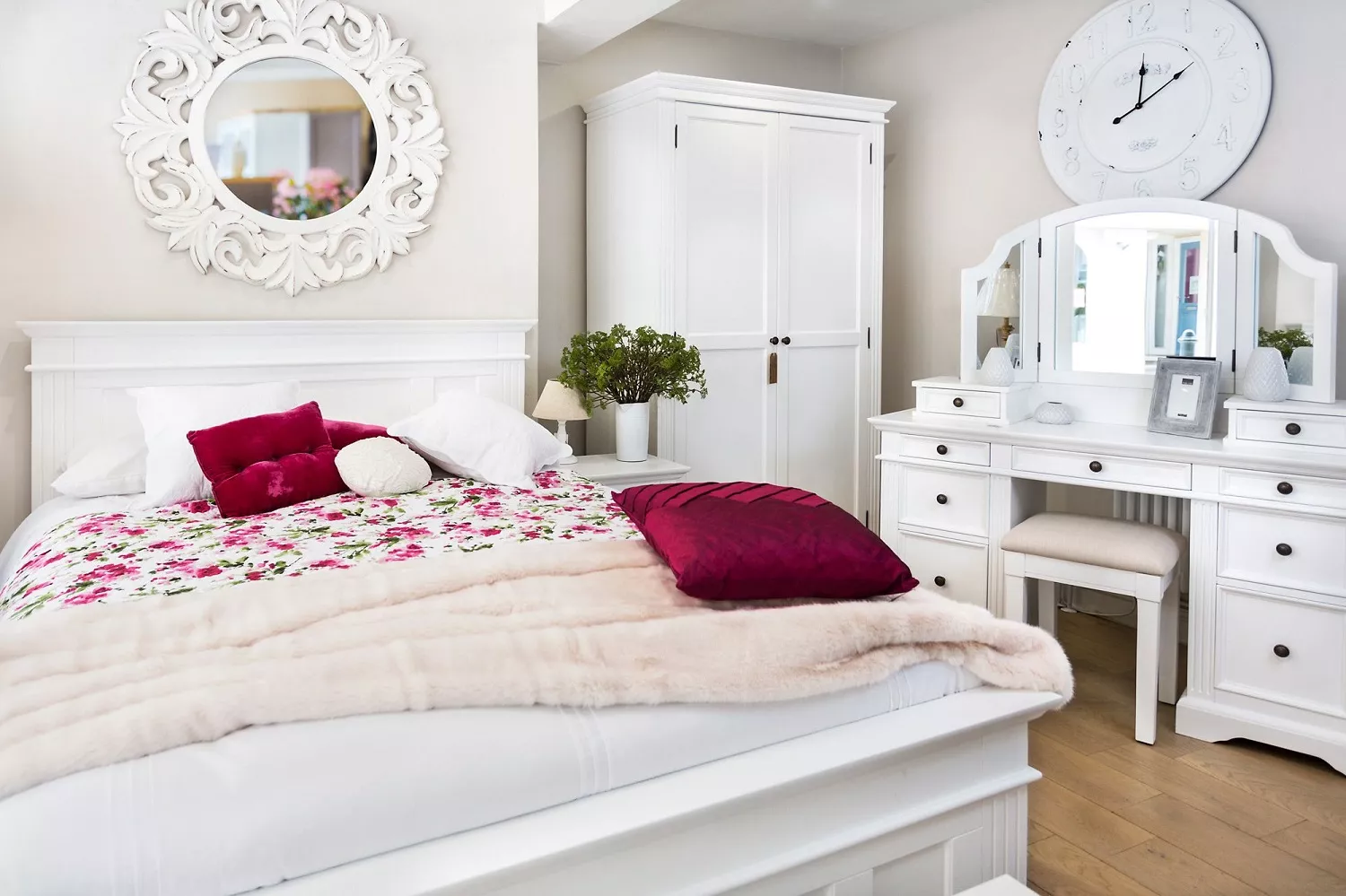
Plants
A few green plants bring life and fresh air. Place them on shelves, nightstands, or by windows.
Credit: furniture.co.uk
Mistakes To Avoid In Arranging A Rectangular Bedroom
Even with good ideas, mistakes can happen. Watch for these common problems:
- Choosing furniture that is too big or too small for the room.
- Pushing all furniture against walls—this can make the room feel empty.
- Blocking windows or doors.
- Forgetting about walkways and flow.
- Not planning for enough storage.
- Ignoring lighting needs.
- Using too many small pieces—this creates clutter.
- Placing heavy furniture all on one side.
- Not measuring before buying new items.
- Forgetting to add personal touches.
A smart move: Before buying new furniture, use painter’s tape on the floor to “draw” where each piece will go. This helps you see if everything fits and feels right.
Real-life Example: Arranging A 12×15 Foot Bedroom
Let’s put the ideas together with a real example.
Room size: 12×15 feet (rectangular, with one window and a closet on the short wall)
Furniture needed: Queen bed, two nightstands, dresser, desk, chair
Step-by-step plan:
- Place the queen bed headboard against the longest wall, centered. Leave 30 inches on each side.
- Put a nightstand on each side of the bed.
- Place the dresser on the wall across from the bed.
- Set the desk in a corner near the window for natural light.
- Add a small chair by the desk or window.
- Use a 5×8 foot rug under the bed and nightstands.
- Hang art above the bed and a mirror above the dresser.
- Add a floor lamp in the corner for extra light.
This setup keeps traffic flowing, makes the bed the focus, and gives space for sleep, storage, and work.

Credit: www.woodleys.com
Frequently Asked Questions
How Much Space Should Be Left Around The Bed?
Leave at least 24-30 inches on both sides and at the foot of the bed. This lets you walk, make the bed, and open drawers easily. In very tight rooms, 18 inches is the minimum, but it may feel cramped.
Can I Put My Bed Under A Window?
Yes, if there is no better wall. Make sure the window is sealed (no drafts) and use a sturdy headboard. Hang curtains to soften the look. Many designers use this setup in small or awkward rooms.
What Is The Best Way To Arrange Furniture In A Long Narrow Bedroom?
Place the bed against the short wall if possible. Use rugs, art, and a reading nook to break up the space. Avoid lining all furniture against one side. Floating the bed or using a bench can help balance the room.
How Do I Fit A Desk And A Dresser In A Small Rectangular Room?
Choose smaller pieces, like a writing desk and a compact dresser. Place the desk by a window and the dresser near the closet. Use wall shelves above both for extra storage. Multi-use furniture (like a dresser-desk combo) is also helpful.
What Should I Do If My Bedroom Has Two Doors?
Try to place the bed between the doors. Use smaller furniture and avoid blocking doorways. If space is tight, consider putting the bed in a corner or using a room divider for privacy.
For more inspiration and professional layouts, check Architectural Digest.
Arranging bedroom furniture in a rectangular room is both an art and a science. With careful planning, the right pieces, and a few creative tricks, you can create a bedroom that looks great and works for your life. Take your time, measure twice, and enjoy making your space your own.