
What does “medium heat” really mean on a stove? This small phrase appears in nearly every recipe, but if you’re new to cooking—or even if you’re experienced—it can be confusing. Every stove is different, every recipe seems to assume you already understand, and the results can change a lot depending on how you control that heat.
Some people burn food, others undercook, all because “medium heat” isn’t as simple as it sounds.
Let’s break down what medium heat means, why it matters, and how to use it confidently. We’ll look at both gas and electric stoves, what temperatures to expect, and how to recognize medium heat with and without numbers. You’ll learn the best foods to cook at medium heat, common mistakes, and how to adjust when your results aren’t quite right. With examples, comparisons, and clear explanations, this guide will help you master medium heat—no more guessing.
What Does “medium Heat” Mean?
Medium heat is a cooking temperature setting that is not too high and not too low. It’s used for many tasks: sautéing onions, browning meat, simmering sauces, and more. The challenge is that medium heat is not a precise number—it’s a range. On most stoves, medium heat is somewhere in the middle of the dial, but that can change from one stove to another.
Generally, medium heat on a stove means the burner reaches about 300°F to 375°F (150°C to 190°C). This range is hot enough to cook food without burning it quickly, but not so hot that it overcooks or dries out. The goal of medium heat is balance: food cooks through, browns gently, and flavors develop without scorching.
Many recipes call for medium heat because it is forgiving. It gives you time to adjust, check, and learn. But there are two big challenges:
- Different stoves have different power, so “medium” can change.
- Most stove knobs don’t have exact temperature marks.
Let’s see how to find and use medium heat on your stove.
Medium Heat On Gas Vs Electric Stoves
Not all stoves are the same. Both gas and electric stoves have strengths and weaknesses when it comes to heat control. Understanding these differences helps you find medium heat more easily.
Gas Stoves
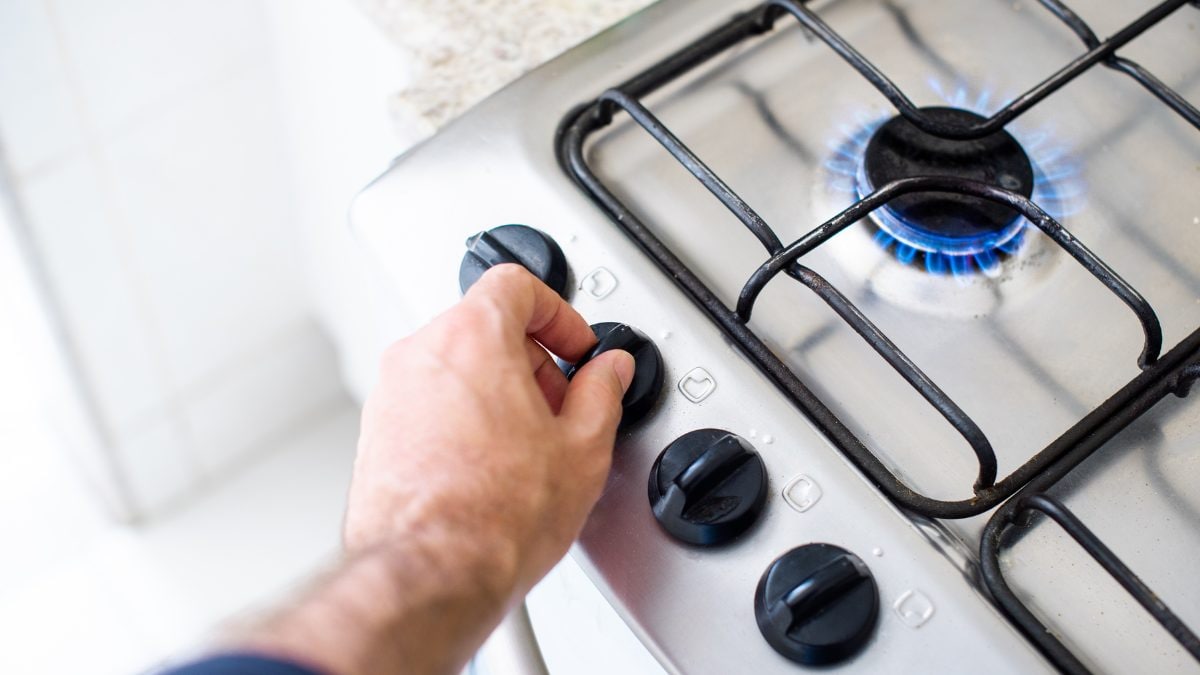
Gas stoves use a visible flame. You control the heat by turning the knob, which changes the flame size. The response is quick—if you lower the flame, the pan cools almost immediately. This makes gas stoves popular with chefs and home cooks who like control.
Finding medium heat on a gas stove is often about adjusting the flame so it’s not too high (which often reaches the sides of the pan) and not too low (barely visible). A good rule is:
- High: Large, strong blue flame, about 1/2 inch under the pan, sometimes licking the sides.
- Medium: A steady blue flame, smaller than high but covering the bottom evenly, not touching the pan’s sides.
- Low: Small flame, just enough to keep the pan warm.
Electric Stoves
Electric stoves use heating coils or flat ceramic tops. These take longer to heat up and to cool down. When you change the setting, it takes a few minutes for the temperature to adjust. Electric stoves are less immediate than gas, but they do keep heat steady.
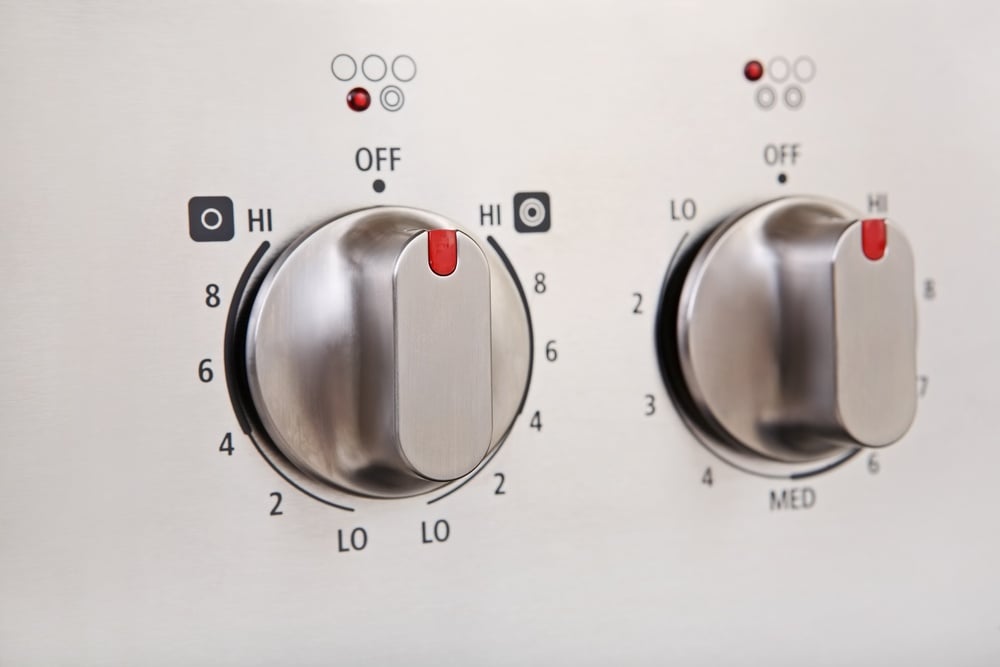
On an electric stove, the medium heat setting is usually the middle of the dial. If your knob is numbered 1 to 10, medium is about 5 or 6. But remember, electric burners can get very hot, so don’t be afraid to lower the heat if your food starts to burn.
Comparing Gas And Electric Medium Heat
Here’s a comparison between gas and electric stoves for medium heat:
| Feature | Gas Stove | Electric Stove |
|---|---|---|
| Heat Adjustment Speed | Fast (immediate changes) | Slow (takes minutes) |
| Medium Heat Visual | Medium blue flame, not touching pan sides | Middle dial (5-6), glowing red coil or steady ceramic heat |
| Common Mistake | Flame too high, burning edges | Overheating due to slow response |
How To Find Medium Heat Without Numbers
Most stoves don’t show the exact temperature. Here are some practical ways to find medium heat:
- The Water Drop Test: Put a few drops of water in the pan. On medium heat, they should dance and evaporate slowly, not sizzle violently or sit there doing nothing.
- The Hand Test (Be Careful! ): Hold your hand a few inches above the pan. On medium heat, you should need to pull your hand away after 5–6 seconds (not instantly, but not after a long time).
- Pan Color: Stainless steel pans will slowly get a faint golden color at medium heat. If the pan turns dark or food smokes quickly, it’s too hot.
- Butter Test: Drop a small piece of butter in the pan. On medium heat, it should melt and bubble gently without turning brown or smoking right away.
Temperature Ranges For Medium Heat
For more precision, here’s a look at temperature ranges for medium heat. If you use an infrared thermometer or a digital surface thermometer, you can check your pan for better accuracy.
| Heat Setting | Surface Temperature (°F) | Surface Temperature (°C) | Common Uses |
|---|---|---|---|
| Low | 200–300 | 93–150 | Melting, warming, gentle simmer |
| Medium | 300–375 | 150–190 | Sautéing, browning, simmering |
| High | 400–500+ | 200–260+ | Boiling, searing, stir-frying |
Foods You Should Cook On Medium Heat
Medium heat is the workhorse of the kitchen. Many foods require this setting for best results.
- Eggs: Scrambled or fried, medium heat ensures they cook through without burning.
- Vegetables: Sautéed onions, peppers, mushrooms, and greens all do well on medium heat.
- Pancakes: Cooking pancakes at medium heat lets them brown without burning the outside.
- Chicken Breasts: Searing chicken on medium heat gives a nice golden crust and cooks the meat evenly.
- Fish Fillets: Delicate fish like tilapia or cod cook through without drying out.
- Ground Meat: Browning beef or turkey for tacos and sauces works well at medium heat.
- Sauces: Many sauces, like tomato or cream sauces, simmer best at medium.
- Rice and Grains: After bringing to a boil, rice and other grains usually finish at medium.
- Grilled Cheese: Bread toasts golden without burning before the cheese melts.
- Stir-fries (some recipes): For softer vegetables, medium heat is sometimes used.
Why Medium Heat Is Important
Cooking at the right temperature means food is safe, tasty, and easy to handle. Medium heat is important because:
- It prevents burning. Food has time to brown gently.
- It develops flavor. Ingredients cook through, releasing natural sugars and aromas.
- It keeps food moist. High heat dries out meat and vegetables; low heat can make them soggy.
Think of medium heat as a balance: not too aggressive, not too slow. Many classic dishes depend on this control.
Credit: www.aboutoliveoil.org
Common Mistakes With Medium Heat
Even experienced cooks make errors with medium heat. Here are some common mistakes:
- Assuming All Stoves Are the Same: Medium on one stove can be high on another.
- Not Preheating the Pan: Cold pans lead to sticking and uneven cooking.
- Leaving the Heat Unchanged: Sometimes you need to adjust as you cook, especially when adding cold ingredients.
- Overcrowding the Pan: Too much food lowers the temperature, so you’re no longer at medium heat.
- Ignoring Smoke or Smell: If your oil smokes or food smells burnt, your heat is too high.
How To Adjust When Food Cooks Too Fast Or Slow
If your food is cooking too quickly (outside burns, inside raw), lower the heat. On the other hand, if nothing seems to happen, increase the heat a little. Here’s a step-by-step way to adjust:
- Notice the Signs: Burning, lots of smoke, or brown outside but raw inside—heat is too high. Food stays pale, doesn’t cook—heat is too low.
- Lower or Raise Heat a Little: Small changes make a big difference, especially on gas.
- Wait for the Pan to Adjust: Give it a minute or two before deciding if it’s right.
- Check with Water or Butter Test: Use these to confirm you’re back in the medium range.
Non-obvious tip: Many people forget that adding cold food (like meat from the fridge) can drop the pan’s temperature. Always let your pan recover before deciding if you need to increase the heat.
Medium Heat And Different Types Of Cookware
The material of your pan also affects medium heat. Some pans heat up quickly and lose heat fast. Others take longer to get hot and stay hot longer.
Stainless Steel
Stainless steel pans are common for sautéing and browning. They heat evenly but can stick if not properly preheated and oiled. On medium heat, stainless steel pans work for most foods, but you must watch carefully to avoid burning.
Nonstick
Nonstick pans are forgiving and good for eggs, pancakes, and delicate items. Most nonstick coatings break down at high heat, so medium heat is safest.
Cast Iron
Cast iron holds heat for a long time. Once heated, it stays hot even if you lower the burner. Use slightly lower medium heat on cast iron to prevent burning.
Ceramic
Ceramic pans act like nonstick but can handle a bit higher heat. Still, medium is best for most uses.
Copper
Copper pans respond quickly to heat changes. Medium heat is usually at a lower setting due to copper’s fast conductivity.
Comparing Cookware And Medium Heat
Here’s a table comparing how different pans react to medium heat:
| Cookware Type | Heats Up (Speed) | Heat Retention | Best Uses at Medium Heat |
|---|---|---|---|
| Stainless Steel | Medium | Medium | Sauté, sear, pan sauce |
| Nonstick | Fast | Low | Eggs, pancakes, delicate fish |
| Cast Iron | Slow | High | Grilled cheese, chicken, vegetables |
| Ceramic | Fast | Medium | Stir-fry, crepes, eggs |
| Copper | Very Fast | Low | Sauces, quick sauté |
Non-obvious tip: If you switch pans (for example, from nonstick to cast iron), medium heat on your stove may not feel the same. Always adjust based on what you see and smell, not just the setting.
Practical Guide: Using Medium Heat In Real Recipes
Let’s look at real-world examples of medium heat in action:
Sautéing Onions
Set your pan to medium, add a little oil, and drop in the onions. They should sizzle gently, not loudly. Stir every minute or two. After 5–10 minutes, onions turn soft and golden. If they get dark quickly, lower the heat.
Cooking Pancakes
Preheat a nonstick or cast iron pan over medium heat. Pour in the batter. Bubbles form on top before you flip. If the pancake is dark before bubbles form, the pan is too hot. Adjust down.
Browning Chicken
Heat a stainless pan on medium, add oil, then chicken. It should sizzle but not smoke. Brown each side for 5–7 minutes. If the chicken is raw inside but burnt outside, lower the heat.
Simmering A Sauce
Bring the sauce to a boil, then reduce to medium. You want slow, steady bubbles—not a rolling boil. This helps flavors blend and prevents burning.
Credit: www.cookist.com
How Stove Design Impacts Medium Heat
Some stoves have modern features like digital dials or induction burners. Here’s how those change your approach:
- Digital dials: Some stoves show the exact level, like “Medium 4.” Trust your senses too, not just the numbers.
- Induction cooktops: These heat pans directly, not the air around them. Medium on induction is usually a lower number than on gas or electric.
- Older stoves: May have worn-out knobs or uneven burners. Test each burner with the water or butter method for accuracy.
The Science Behind Medium Heat
Why do so many recipes use medium heat? The answer is in the way food cooks:
- At high heat, the Maillard reaction (browning) happens fast, but can burn food before it’s cooked inside.
- At low heat, food cooks slowly, but may turn out soggy, pale, or overcooked.
Medium heat strikes a balance: it’s hot enough to create flavor, not so hot that it ruins the food. For example, onions caramelize best at medium heat—they turn sweet and brown without burning.
How To Test Your Stove’s Medium Heat
You can check your own stove’s medium heat with a simple test:
- Place a dry, empty pan on medium heat for 5 minutes.
- Drop in a few drops of water.
- If the water sizzles and dances, it’s medium heat. If it explodes into steam instantly, it’s too hot. If nothing happens, it’s too low.
For more accuracy, use an infrared thermometer to check the surface after 5 minutes. It should read 300–375°F (150–190°C).
Medium Heat For Baking And Oven Cooking
Medium heat isn’t just for stovetops. Ovens also use medium heat for many recipes.
- Medium oven heat is usually 350°F (175°C).
- Most cakes, cookies, casseroles, and roasted vegetables use this temperature.
- Like stovetops, ovens can vary—some run hot, others cold. It’s smart to use an oven thermometer to check.
How To Recover From Medium Heat Mistakes
Even if you burn or undercook food, you can often save the dish.
- Burnt food: Remove from heat, scrape off burnt parts, and lower the setting.
- Undercooked food: Cover and continue cooking at medium, adding a splash of water or broth if needed.
- Too much smoke: Wipe out the pan, add fresh oil, and restart at a lower setting.
Don’t be afraid to adjust as you go. Every kitchen is a little different.
The Role Of Oil And Fat At Medium Heat
Choosing the right oil or fat is important at medium heat. Different oils have smoke points—the temperature where they start to burn.
- Butter: Smokes at about 350°F (175°C), perfect for medium heat.
- Olive oil: Smokes at 375–400°F (190–205°C), safe for medium to medium-high.
- Canola oil: Smokes at 400°F (205°C), good for sautéing.
- Ghee/clarified butter: Higher smoke point, safe for most uses.
Always heat the pan first, then add oil, then food. This keeps food from sticking and prevents burning the oil.
Medium Heat And Safety
Cooking at medium heat is safer than high heat. There’s less risk of oil fires, burns, or smoke alarms. Still, always stay near the stove and use oven mitts when handling hot pans.
Non-obvious insight: Some oils (like flaxseed or unrefined coconut) burn even at medium heat. Always check the smoke point before cooking.
How Professional Chefs Use Medium Heat
Chefs use medium heat for control. In a busy kitchen, there’s no time for burnt pans or ruined sauces. They:
- Preheat pans carefully.
- Test with oil or water.
- Adjust based on what they see, smell, and hear.
- Use medium heat for most tasks, switching to high or low only when needed.
Home cooks can learn from this: trust your senses, not just recipes.

Credit: www.youtube.com
How To Teach Kids And Beginners About Medium Heat
If you’re helping a child or a beginner, focus on what medium heat looks and sounds like:
- Show them the size of the flame or the dial setting.
- Use the butter or water test.
- Watch together as food cooks—notice gentle bubbling and golden browning.
- Let them try adjusting the heat, then see the results.
This hands-on learning builds confidence and skill.
Medium Heat In Different World Cuisines
Medium heat is used everywhere, but some cuisines depend on it more than others:
- Italian: Simmering tomato sauce, sautéing garlic, making risotto.
- Chinese: Many stir-fries start at medium to prevent burning delicate vegetables.
- French: Building sauces, searing meats, caramelizing onions.
- Indian: Toasting spices, frying aromatics at medium for best flavor.
Learning how chefs from different countries use medium heat helps you cook more confidently.
Testing And Calibrating Your Stove For Medium Heat
If you want to be precise, you can calibrate your stove:
- Heat a pan on medium for 5–7 minutes.
- Use an infrared thermometer to check the surface temperature.
- Mark your knob with a marker or tape at the setting that gives 325–350°F.
Repeat for each burner—they may not all be the same.
Frequently Asked Questions
What Temperature Is Considered Medium Heat On A Stove?
Medium heat is generally 300–375°F (150–190°C) on the surface of the pan. This is hot enough to cook most foods without burning, but not as high as searing or boiling. Since every stove is different, use visual tests like the water or butter method to confirm.
How Do I Know If My Pan Is At Medium Heat Without A Thermometer?
You can use simple tests. Add a drop of water to the pan—it should sizzle and dance, not jump violently or sit still. You can also add a small piece of butter; it should melt and bubble gently, not brown or smoke immediately.
These signs mean your pan is at medium heat.
What Foods Should I Avoid Cooking On Medium Heat?
Foods that need high heat, like searing steak for a crust or boiling pasta, should not be cooked at medium. Also, avoid deep frying at medium, as the oil won’t be hot enough and food will get greasy. For most baking, the oven’s medium heat (350°F) works, but for broiling or crisping, use high.
Why Does My Food Burn On Medium Heat?
Possible reasons include: your stove’s “medium” is hotter than average, your pan retains too much heat (like cast iron), or you didn’t preheat properly. Overcrowding the pan also causes food to burn by trapping steam. Use the water or butter test, and adjust the heat down if burning happens quickly.
Is Medium Heat The Same On All Stoves?
No, medium heat varies from stove to stove. Gas, electric, and induction cooktops all have different power and response times. Always check with visual or sensory tests, and remember that each burner may act differently. For more details, see this Wikipedia page on heat in cooking.
Mastering medium heat opens up a world of recipes and kitchen confidence. Whether you’re sautéing, simmering, or browning, understanding this essential skill will make every meal tastier and more reliable. With practice, you’ll soon recognize the look, sound, and smell of perfect medium heat—no guesswork required.