
Cooking with copper pans can be a joy—if you know how to keep food from sticking. Many people buy copper pans because they heat up fast and cook food evenly. But the reality is, food often sticks to copper more than to nonstick or cast iron pans. This can turn a simple meal into a cleaning nightmare. If you understand why food sticks and how to avoid it, you can make the most of your copper cookware and enjoy perfect results every time.
Let’s break down the science of sticking, how to prep your pan, and smart cooking techniques that work. You’ll learn why some tricks help and others fall short. We’ll compare copper with other types of pans, reveal mistakes you may not know you’re making, and share real-life tips for both new and seasoned cooks.
By the end, you’ll have clear steps to keep eggs, fish, and other delicate foods from clinging to your pan.
Why Food Sticks To Copper Pans
Understanding why food sticks helps you prevent it. Copper pans conduct heat better than most materials. This means they react quickly to temperature changes and create hot spots if not handled carefully. Sticking usually happens for three main reasons:
- Surface condition: Copper pans are often lined with tin or stainless steel because bare copper reacts with food. If the lining is scratched or worn, food is more likely to stick.
- Temperature issues: If a copper pan is too cold, food will cling. If it’s too hot, oils can burn off and create a sticky surface.
- Not enough fat: Fat (oil or butter) forms a barrier between food and the pan. Without enough fat, proteins in your food bond to the metal.
Unlike nonstick pans, copper needs more attention to timing, temperature, and preparation. Small mistakes are less forgiving.
How Copper Pans Compare To Other Cookware
To understand copper’s sticking problem, let’s see how it stacks up against other popular pans.
| Type | Heat Distribution | Sticking Risk | Ease of Cleaning |
|---|---|---|---|
| Copper (lined) | Excellent | High (if misused) | Moderate |
| Nonstick | Good | Low | Easy |
| Cast Iron | Moderate | Low (when seasoned) | Moderate |
| Stainless Steel | Good | High (if misused) | Hard |
Copper pans cook faster but can stick more if you don’t manage heat and fat. Nonstick pans almost never stick, but don’t brown food as well. Cast iron resists sticking when seasoned, but heats slowly. Stainless steel pans stick without proper technique.
Seasoning: Should You Season Copper Pans?
Unlike cast iron or carbon steel, copper pans are usually lined with tin or stainless steel. Tin can develop a nonstick surface over time, but stainless steel stays the same. You can try a light seasoning process, especially for tin-lined pans:
- Wash and dry the pan.
- Heat gently on low.
- Add a thin layer of high-smoke-point oil (like grapeseed).
- Wipe off excess oil, then heat until the oil just starts to smoke.
- Let the pan cool, then wipe out any leftover oil.
This forms a thin layer that helps reduce sticking. But be careful—seasoning does not work as well on stainless steel linings. Also, overheating can damage tin. If your pan is stainless-lined, focus more on proper heating and oiling techniques.
Preparing Your Copper Pan For Cooking
Preparation is key. Don’t skip these steps:
- Check the lining: Make sure the tin or stainless steel is smooth, without deep scratches. If the lining is damaged, it increases sticking and can be unsafe.
- Clean thoroughly: Even a tiny bit of old food or grease causes sticking. Use mild soap and a soft sponge—never steel wool.
- Dry completely: Water droplets can cause oil to spatter and food to stick.
For new copper pans, wash with warm soapy water before the first use. For older pans, check the lining regularly. If you see copper peeking through, the pan needs retinning or relining.
The Importance Of Proper Heating
One of the most important tips: preheat your pan. Many beginners put food in a cold pan, leading to sticking. Here’s how to do it right:
- Place the pan on medium heat for 1-2 minutes.
- Add a few drops of water. They should sizzle and dance. If they evaporate instantly, the pan is too hot. If they just sit, the pan is too cold.
- Add your oil or fat and let it heat until shimmering (not smoking).
- Add food.
Proper preheating closes tiny gaps in the metal and lets oil spread evenly, making a better barrier between food and the pan.
Choosing The Right Oils And Fats
All fats are not equal for cooking with copper. Using the wrong oil can cause burning and sticking.
Here’s a quick comparison:
| Fat Type | Smoke Point | Works Well With Copper? |
|---|---|---|
| Butter | 350°F (175°C) | Yes, for low/medium heat |
| Olive Oil | 375°F (190°C) | Yes, but watch heat |
| Vegetable Oil | 400°F (205°C) | Great for high heat |
| Grapeseed Oil | 420°F (215°C) | Excellent for searing |
| Avocado Oil | 520°F (271°C) | Best for very high heat |
| Coconut Oil | 350°F (175°C) | Good for medium heat |
Butter and olive oil are great for eggs and fish, but burn easily at high heat. For searing meat, use grapeseed or avocado oil. Never add oil to a cold pan—always heat the pan first, then add the fat.
Cooking Techniques That Prevent Sticking
Cooking skill matters as much as pan quality. Try these techniques:
- Pat food dry: Moisture causes sticking. For proteins like fish or chicken, pat them dry with a paper towel before cooking.
- Don’t move food too soon: Let food form a crust before flipping. If it sticks, it’s not ready. Wait a little longer.
- Use the right utensils: Use wood or silicone to avoid scratching the lining. Metal utensils damage the surface, making sticking worse.
- Don’t overcrowd the pan: Too much food lowers the temperature, leading to sticking. Cook in batches if needed.
Example: Cooking Eggs In A Copper Pan
Eggs are notorious for sticking. To cook perfect eggs:
- Preheat the pan for 1 minute on medium.
- Add butter, swirl to coat.
- Pour in beaten eggs.
- Wait until the edges set, then gently lift with a silicone spatula.
- If they stick, lower the heat next time or add a little more fat.
Even with the best technique, copper pans are less forgiving than nonstick for eggs.
Common Mistakes That Cause Sticking
Many cooks blame their pan, but the problem is often technique. Here are frequent mistakes:
- Not preheating properly: Skipping preheating means food bonds to cold metal.
- Cooking at the wrong temperature: Too low, and food absorbs oil and sticks. Too high, and oil burns off.
- Insufficient fat: Lean foods like eggs and fish need more fat.
- Worn or damaged lining: Old pans with thin or scratched linings will always stick.
- Washing with harsh cleaners: Steel wool or abrasive pads ruin the lining, making sticking worse.

Credit: us.amazon.com
Cleaning And Maintaining Copper Pans
Proper cleaning keeps your pan nonstick and long-lasting. Never soak copper pans for long periods. Instead:
- Wash with warm water and mild soap.
- Dry immediately to prevent water spots and lining damage.
- For stuck food, soak with warm water for a few minutes, then use a soft brush.
- Polish the outside with a copper cleaner if you want a shiny look (never use inside).
- For tin-lined pans, avoid high heat and metal utensils.
If food is badly stuck, fill the pan with water, bring to a boil, and gently scrape with a wooden spatula. Never use vinegar or lemon juice on the inside—they can wear down the lining.
When To Retin Or Reline Your Copper Pan
Copper pans can last a lifetime, but only if the lining is intact. Over time, tin wears thin and stainless may scratch. Signs you need relining:
- Food sticks more than before, even with good technique.
- You see copper color peeking through.
- The surface feels rough or pitted.
Retinning or relining should be done by professionals. Using a pan with exposed copper is unsafe for acidic foods and can ruin the taste.
How To Store Copper Pans To Prevent Damage
Storage matters. Hanging is popular, but can cause scratches if pans bump together. Stack pans with a soft cloth or paper towel between them to protect the lining. Always store in a dry place. Humidity can cause both the copper and the lining to degrade faster.
Real-life Examples And Insights
Most beginners try to cook eggs or fish in copper pans and get frustrated when it sticks. One common mistake is not drying the food well enough—just a little moisture is enough to cause sticking. Another overlooked detail is using too little oil, especially with lean proteins.
Even professional chefs sometimes add a bit more fat to guarantee food releases cleanly.
One non-obvious tip: let your food “release itself.” For example, when searing chicken, if you wait just a little longer, the proteins will form a crust and naturally let go of the pan. If you force it, you tear the surface and leave bits behind.
Another overlooked trick is to keep your pan clean but not “too clean. ” A perfectly clean, shiny lining can sometimes stick more than one with a very thin layer of oil from the last use. Just avoid buildup, but don’t scrub the lining too hard.
Myths And Misconceptions About Copper Pans
Some people believe that copper pans should never stick, or that seasoning them makes them nonstick forever. In reality, copper pans require more attention than nonstick cookware. Seasoning helps, but isn’t magic—especially with stainless steel linings.
Another myth is that you must cook everything on high heat because copper pans are “pro tools. ” In fact, copper heats so quickly that medium is often enough. Cooking on high destroys oil, damages tin, and makes sticking worse.
Best Foods To Cook In Copper Pans
Copper pans are ideal for:
- Sauces and candy: Even heat prevents burning.
- Delicate proteins: Fish, eggs, and seafood, if you use enough fat.
- Caramelizing onions: Great control over browning.
- Searing meats: If you master preheating and oiling.
They are not the best for dry cooking (like pancakes without fat) or very acidic dishes unless the lining is perfect.
Foods That Should Be Avoided
Certain foods increase sticking or damage:
- Tomato sauces: Acidic, can react with bare copper.
- Vinegar-based dishes: Same reason as above.
- Sugar syrups without enough fat: Can burn and stick badly.
If in doubt, add a little more oil or butter.
When To Use Nonstick Instead
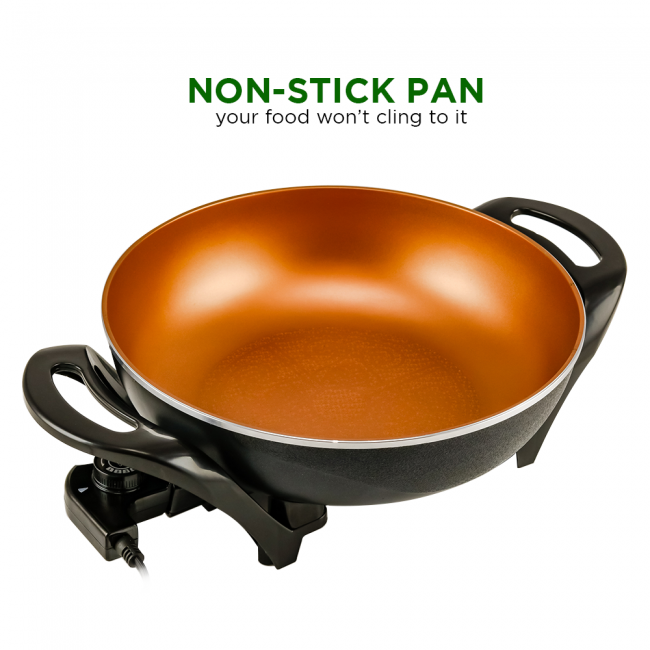
For foods like scrambled eggs or crepes, a nonstick pan is much easier. If you are in a hurry or want a guaranteed no-stick result, nonstick is best. Save copper for recipes that benefit from fast, even heat and where you can control the process.
Credit: ovente.com
Quick Reference: How To Keep Food From Sticking
Here’s a simple checklist for every time you use your copper pan:
- Inspect the lining for damage.
- Clean and dry the pan.
- Preheat the pan (medium heat).
- Add oil or fat, heat until shimmering.
- Add dry food, don’t move it too soon.
- Use gentle utensils.
- Clean gently after use.
Following these steps every time makes a big difference.
Troubleshooting: If Food Still Sticks
If you’ve done everything right but food still sticks, try these solutions:
- Lower the heat and add a bit more oil.
- Let the food cook longer before moving.
- Check if your pan needs relining.
- Try a different oil with a higher smoke point.
- Practice with less delicate foods (like chicken thighs) before trying eggs or fish.
Sometimes, a pan simply needs professional attention. Don’t be afraid to ask an expert or take your pan to a cookware shop for advice.
Advanced Tips For Experienced Cooks
If you already know the basics, try these advanced tips:
- Heat your pan, then cool slightly before adding oil for even better results.
- For fish, sprinkle a little flour on the skin before cooking for a crisp, nonstick surface.
- Use clarified butter for higher heat tolerance and better flavor.
- If making sauces, deglaze with wine or broth to lift stuck bits, adding flavor and making cleaning easier.
Comparing Brands And Coatings
Not all copper pans are the same. Some popular brands use thicker linings, which last longer and resist sticking. Others use cheaper, thinner linings that wear out quickly.
Some pans have ceramic coatings or add a nonstick layer on top of copper. These are easier for beginners but lose the classic copper feel and performance.
If you want a pan that lasts, choose one with a thick tin or stainless steel lining. Expect to pay more for quality.
Environmental And Health Considerations
Cooking with copper is safe as long as the lining is intact. Bare copper can react with acidic foods and leach into your meal. If you see discoloration or taste a metallic flavor, stop using the pan and get it relined.
Many people choose copper for its beauty and performance. It’s also recyclable and long-lasting with proper care, making it a good choice for people who want fewer disposable pans.
Where To Learn More
If you want to dig deeper into the science of cookware materials, the Wikipedia page on copper cookware is a great resource.

Credit: www.reddit.com
Frequently Asked Questions
How Do I Know If My Copper Pan Needs To Be Retinned?
If you see copper showing through the lining or your food sticks no matter what you try, it’s time for retinning. Another clue is a rough or pitted surface. Cooking with a damaged lining can be unsafe, especially for acidic foods.
Is It Safe To Cook Acidic Foods In Copper Pans?
It is safe only if the lining (tin or stainless steel) is intact. Acidic foods like tomatoes and vinegar can react with bare copper and leach metal into your food. If your pan has any exposed copper, avoid cooking acids until it’s relined.
Why Are My Eggs Sticking Even With Plenty Of Butter?
Eggs stick if the pan is too cold, too hot, or not properly preheated. Also, old or damaged linings make sticking worse. Try lowering the heat, using a little more fat, or checking the condition of your pan.
Can I Use Metal Utensils In A Copper Pan?
It’s best to avoid metal utensils. They scratch the lining, making sticking more likely. Use wood, silicone, or plastic utensils to protect your pan.
What’s The Best Oil For Preventing Sticking In Copper Pans?
Choose oils with high smoke points for most cooking—like grapeseed or avocado oil. For eggs or gentle sautéing, butter or olive oil works, but watch the heat to avoid burning.
—
Cooking with copper pans is a rewarding skill. With the right preparation, smart technique, and regular care, you can keep food from sticking and enjoy the beauty and performance of copper for years. Remember, every pan has its learning curve—give yourself time, learn from small mistakes, and soon you’ll cook like a pro.