
Putting silicone molds in the oven is a topic that often creates confusion for home bakers, crafters, and even professionals. Some people worry that the molds will melt, release chemicals, or ruin their food. Others are unsure about the best temperatures, how to use the molds, and what to avoid.
This article will clear up these doubts, explain the science behind silicone molds, and give you expert guidance for safe, successful baking and crafting. You’ll learn how to get perfect results with silicone molds, and avoid mistakes that can cost you time, money, and even your health.
What Are Silicone Molds?
Silicone molds are flexible containers made from food-grade silicone. They come in many shapes and sizes, from cupcake liners and cake pans to candy molds and ice trays. Because silicone is soft but strong, it can handle many uses that metal or glass pans cannot.
Most silicone molds are made from a type of rubber that can handle high temperatures and repeated bending. This material is non-stick, which means your cakes, muffins, or chocolates come out easily with little or no oil. Silicone also doesn’t absorb odors or flavors, making it a favorite for both savory and sweet recipes.
Types Of Silicone Molds
- Baking molds: For cakes, muffins, brownies, and breads.
- Candy molds: For chocolates, gummies, and hard candies.
- Soap molds: Used in crafting, not for food.
- Ice molds: For fancy ice cubes or frozen treats.
- Shaped molds: Hearts, stars, animals, and more for creative designs.
While all these molds use silicone, only food-grade silicone molds are safe for the oven. Craft molds, such as those for soap or resin, may contain dyes or additives not suitable for baking.
Is It Safe To Put Silicone Molds In The Oven?
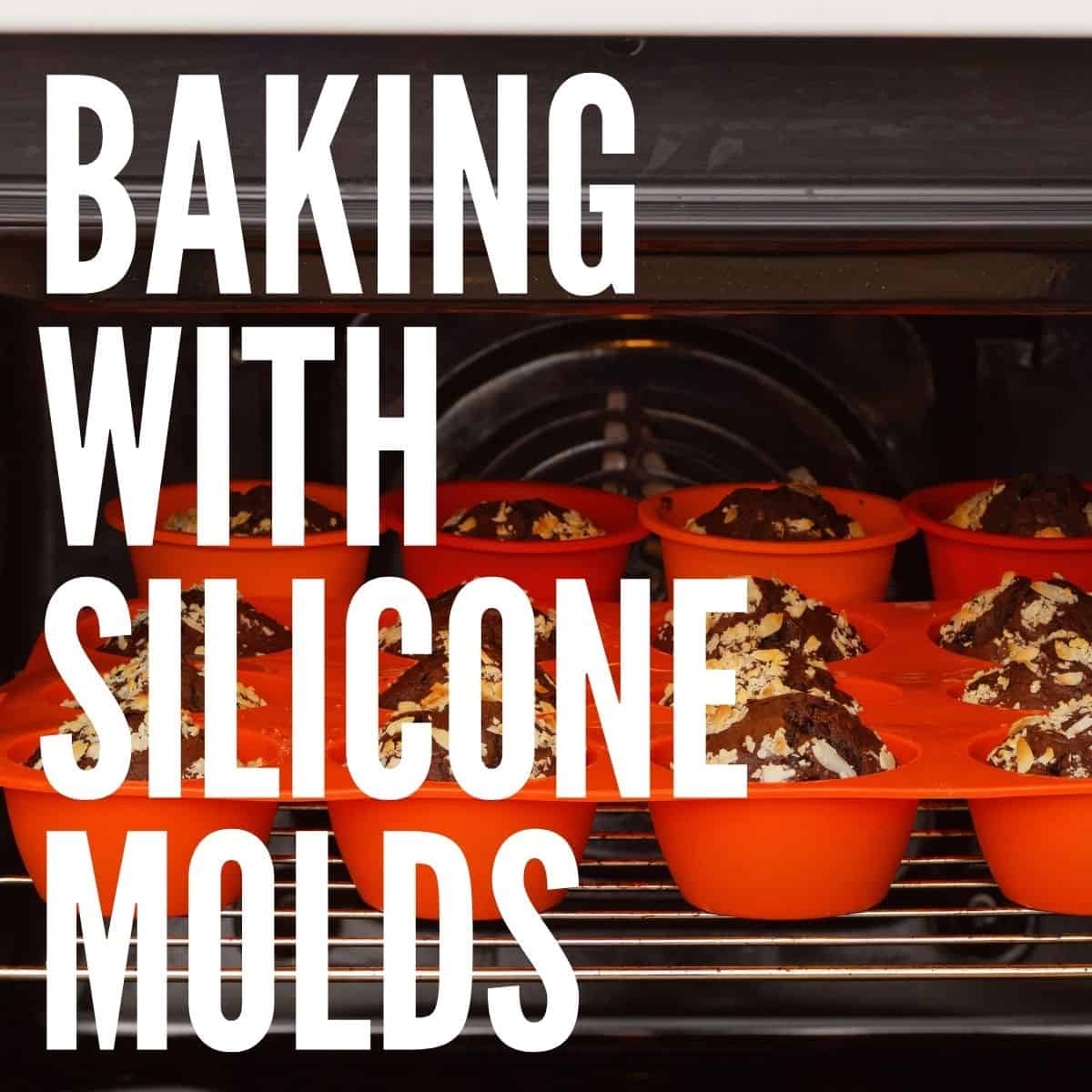
The short answer is yes, you can put silicone molds in the oven. However, not all silicone molds are equal, and there are important things to know.
Heat Resistance
Most food-grade silicone molds are heat resistant up to 428°F (220°C). Some can go higher, up to 500°F (260°C), but always check the packaging or manufacturer’s instructions before using them at high temperatures.
Silicone doesn’t melt until about 600°F (315°C), which is much higher than any normal baking temperature. This means that, under normal use, silicone molds will not melt or deform in your oven.
Food Safety
When you use food-grade silicone, you don’t need to worry about chemicals leaching into your food. These molds are made to meet strict safety standards. However, cheaper molds or non-food-grade silicone can sometimes contain fillers or dyes that are not safe for food use.
One easy test: Twist the mold sharply. If you see white streaks, it may contain fillers and is not pure silicone. It’s best to avoid these for baking.
Oven Placement
Silicone molds can go directly on your oven rack, but for better results, place them on a baking tray. This gives stability, makes moving the mold easier, and helps distribute heat evenly.
Advantages Of Using Silicone Molds In The Oven
Silicone molds are popular for good reasons. Here are some benefits you’ll enjoy when using them in your oven:
- Non-stick surface: Cakes and muffins release easily, saving you time and reducing mess.
- Flexible design: You can bend or twist the mold to pop out your food without breaking it.
- Easy to clean: Most molds are dishwasher-safe and do not stain or hold odors.
- Even baking: Silicone distributes heat gently, reducing the risk of burnt edges.
- Variety of shapes: You can find molds for any occasion, from basic rounds to intricate flowers.
- Lightweight and unbreakable: Unlike glass or metal pans, silicone won’t shatter if dropped.
- Multi-use: Many silicone molds can go from oven, to freezer, to microwave, and even dishwasher.
Many beginners miss the fact that silicone molds can also be used for *cold* recipes, like chocolate shells or gelatin desserts, because they handle both hot and cold temperatures.
How To Use Silicone Molds In The Oven: Step-by-step
Using silicone molds is easy, but following a few simple steps will help you get the best results.
1. Check Your Mold
Before the first use, wash the mold with warm, soapy water and dry it completely. Check for any cracks or damage.
2. Grease If Needed
Most silicone molds are non-stick, but for recipes with lots of sugar or low fat (like angel food cake), a light spray of oil or butter can help. Don’t use too much—just a thin coating.
3. Place On A Baking Tray
Because silicone is flexible, it can bend when full of batter. Place the empty mold on a sturdy tray before filling it. This keeps your batter from spilling as you move it to the oven.
4. Fill The Mold
Pour batter or dough into the mold. Leave a little space at the top for expansion, usually about 1/4 inch.
5. Bake As Usual
Silicone molds heat up quickly, but sometimes they may bake a little faster or slower than metal pans. Start checking for doneness a few minutes early, especially the first time you use a new mold.
6. Cool Properly
Let the mold cool for 5–10 minutes before removing your baked goods. This helps them hold their shape and prevents sticking.
7. Remove Carefully
Gently bend or twist the mold to release your cake, muffin, or treat. Use a plastic or silicone spatula if needed—never metal, which can tear the mold.
8. Clean And Store
Wash the mold in warm, soapy water or in the top rack of your dishwasher. Make sure it’s dry before storing.
Common Mistakes When Putting Silicone Molds In The Oven
Even experienced bakers make mistakes with silicone molds. Here are some errors to avoid:
- Overfilling the mold: Batter can overflow and cause a mess. Leave room for rising.
- Not using a baking tray: A full mold is wobbly and can spill if you don’t support it.
- Using too much grease: This can cause soggy or greasy edges and defeat the non-stick benefit.
- Cutting inside the mold: Knives or metal tools will damage the silicone.
- Not adjusting baking time: Silicone sometimes insulates more than metal, so timing may need adjustment.
- Using damaged molds: Cracks or tears can leak batter and create uneven bakes.
- Using non-food-grade molds: Craft molds may release unsafe chemicals when heated.
- Not cleaning thoroughly: Leftover oil or food bits can create smells or stains over time.
Many beginners don’t realize that baked goods can *sometimes* brown less in silicone molds. If you want a crisp, golden edge, you may need to bake a few minutes longer or finish under the broiler for a short time.
Silicone Molds Vs. Metal And Glass Pans
How does silicone compare to traditional bakeware? Here’s a simple side-by-side look.
| Feature | Silicone Molds | Metal Pans | Glass Pans |
|---|---|---|---|
| Non-stick | Yes, usually | No, needs greasing | No, needs greasing |
| Heat resistance | Up to 428°F/220°C | Up to 500°F/260°C | Up to 450°F/232°C |
| Weight | Light | Heavy | Very heavy |
| Durability | Can tear | Very durable | Can break |
| Price | Moderate | Low to high | Low to moderate |
| Storage | Flexible, compact | Rigid, needs space | Bulky |
As you can see, silicone molds have some unique advantages, especially for easy release and storage. However, they are not as sturdy as metal pans and can tear if not handled gently.
How To Choose A Good Silicone Mold For Oven Use
Not all silicone molds are created equal. To get the best results, choose wisely.
What To Look For
- Food-grade certification: Look for “FDA-approved” or “LFGB-certified” on the packaging.
- Temperature rating: Make sure the mold can handle at least 428°F (220°C).
- Thickness: Thicker silicone is usually more durable and less likely to warp.
- Color: Lighter colors may show stains less, but color does not affect performance.
- No strong smell: New silicone may have a slight odor, but it should disappear after washing and baking.
What To Avoid
- Very cheap molds: These may contain fillers or unsafe chemicals.
- Thin, floppy molds: Hard to use and easy to tear.
- Unlabeled molds: If you can’t see food safety or temperature info, don’t use for baking.
It’s worth investing in a trusted brand for safety and durability. Some quality brands include Wilton, Silikomart, and Lekue.
Best Practices For Baking With Silicone Molds
To get the most from your silicone molds, keep these best practices in mind.
Prepping The Mold
Even with non-stick molds, a small amount of oil can help, especially for sticky recipes. Use a pastry brush to lightly coat the surface.
Filling Evenly
For muffins or cupcakes, use a piping bag or spoon to fill each cavity the same amount. This helps everything bake at the same rate.
Oven Rack Placement
Place your baking tray in the center of the oven for even heat. Avoid the top rack, which can cause uneven browning.
Checking For Doneness
Silicone molds can make it a bit harder to judge doneness by color. Use a toothpick test—insert in the center, and if it comes out clean, your food is ready.
Cooling
Let your baked goods cool for a few minutes before trying to remove them. The food will pull away from the sides as it cools, making removal easy.
Cleaning
Wash your molds soon after use, especially if baking with cheese, eggs, or strong flavors. Silicone can hold onto oils if not cleaned thoroughly. Dish soap and hot water work well, or use the top rack of your dishwasher.
When Not To Put Silicone Molds In The Oven
While silicone molds are very versatile, there are situations when oven use is not recommended.
- Non-food-grade molds: Craft molds or toys are not safe for food or oven use.
- Damaged molds: Cracked, torn, or melted molds can leak and cause uneven baking.
- Temperatures above manufacturer’s rating: Don’t exceed the recommended heat.
- Direct contact with flame: Never use silicone molds under a broiler or on the stovetop.
- Very old molds: If the silicone is sticky, discolored, or smells bad, it’s time to replace it.
Using Silicone Molds For Non-baking Recipes
Silicone molds are not just for baking. Their ability to handle both heat and cold makes them perfect for many other recipes:
- Frozen desserts: Pour juice or yogurt into molds for homemade popsicles.
- Candy making: Use for chocolate, fudge, or gummies.
- Savory dishes: Try baking mini quiches or egg bites.
- Gelatin treats: Make fun-shaped jellies for kids’ parties.
For non-baking uses, you don’t need to worry about oven safety, but always use food-grade silicone.
Cleaning And Maintaining Your Silicone Molds
Proper care helps your silicone molds last for years.
Cleaning Tips
- Hand-wash or dishwasher: Both work, but hand-washing can help remove stubborn oils.
- Avoid abrasive cleaners: These can scratch and weaken the silicone.
- Dry completely: Store only when fully dry to prevent mold or mildew.
Removing Stubborn Odors
Sometimes, silicone can hold onto strong smells (like garlic or onions). To remove odors:
- Soak in a mixture of baking soda and hot water for 1–2 hours.
- Rinse and wash as usual.
Storing
Store your molds flat or rolled up, away from sharp objects that can tear them.
Real-world Examples And Data
Silicone molds are used by both home bakers and professionals. A 2022 survey by the Home Baking Association found that 58% of home bakers use silicone molds regularly for cupcakes and muffins. In commercial kitchens, silicone molds are popular for their speed and flexibility—one French pastry chef reported saving “at least 20 minutes per baking session” due to easy release and cleaning.
A study published in the “Journal of Food Science” in 2019 found no detectable transfer of chemicals from food-grade silicone molds to baked goods, even after 500 uses at 428°F (220°C).
| Use Case | Popularity (Home Bakers) | Popularity (Professionals) |
|---|---|---|
| Cupcakes/Muffins | High | Moderate |
| Chocolates/Candies | Moderate | High |
| Bread | Low | Low |
| Frozen Desserts | Moderate | Low |

Credit: www.pjbold.com
Frequently Missed Insights
Many people think silicone molds can replace all other bakeware, but some recipes do better in metal pans. For example, crusty bread or pizza needs very high heat and a crisp bottom, which silicone can’t provide as well as metal.
Another missed insight: Not all “silicone” molds sold online are pure silicone. There are many low-quality copies, especially on auction sites or discount stores. Always buy from a reputable source, and check reviews for complaints about melting or smells.
Troubleshooting: Problems With Silicone Molds In The Oven
Even with the best tools, things can go wrong. Here are common issues and solutions:
My Cake Sticks To The Mold
- Try greasing lightly, even if it’s non-stick.
- Let the cake cool longer before removing.
- Check if your mold is worn or scratched.
My Baked Goods Are Pale
- Bake a few minutes longer.
- Move the tray to a lower oven rack for more bottom heat.
- Finish under the broiler for 1–2 minutes (watch closely).
My Mold Is Smelly
- Wash with baking soda and hot water.
- Don’t use strong-smelling soaps.
The Mold Melted Or Warped
- Check the oven temperature with an oven thermometer.
- Replace old or low-quality molds.
Credit: www.bakinglikeachef.com
Environmental Impact Of Silicone Molds
Silicone is not biodegradable, but it is durable and long-lasting. One good mold can last for years, replacing hundreds of paper cupcake liners or disposable pans. When it finally wears out, some recycling centers accept silicone, though not all. It’s a more sustainable choice than single-use plastics or papers.
Expert Tips For Best Results
- Preheat the oven: Always start with a hot oven for even baking.
- Don’t overbake: Silicone may insulate more than metal, so check early.
- Use quality molds: Cheap ones may not last or could be unsafe.
- Test for doneness: Don’t rely on color alone; use a toothpick.
- Cool before removing: Prevents breaking or sticking.
- Avoid sharp tools: Use only wood, silicone, or plastic with your molds.
:max_bytes(150000):strip_icc()/ms-silicone-pan-getty-f19d374f8c454f71a0a1f2231bee0f94.jpg)
Credit: www.marthastewart.com
Comparison: Silicone Molds Vs. Paper Liners
Let’s compare silicone molds to another popular option: paper baking liners.
| Feature | Silicone Molds | Paper Liners |
|---|---|---|
| Reusability | Reusable | Single-use |
| Cost over time | Low | High |
| Shape variety | Many shapes | Mostly round |
| Non-stick | Yes | Usually |
| Environmental impact | Lower | Higher (waste) |
Summary: Should You Put Silicone Molds In The Oven?
Silicone molds are a safe, flexible, and non-stick option for baking and more. As long as you use food-grade molds, keep within the temperature limits, and follow best practices, you’ll enjoy easy release, quick cleanup, and consistent results. Avoid the common mistakes, choose quality products, and your baking will be easier and more creative.
If you want a deeper look at the science of silicone and food safety, check out this resource: Wikipedia: Silicone Cookware.
Frequently Asked Questions
Can All Silicone Molds Go In The Oven?
No. Only food-grade silicone molds are safe for oven use. Craft molds or those with unknown materials may not be heat-safe or food-safe. Always check the label for temperature ratings and food safety certification.
Do I Need To Grease Silicone Molds Before Baking?
Most of the time, you don’t need to grease silicone molds. However, for recipes high in sugar or low in fat, a light coating of oil or butter can help prevent sticking, especially with new molds.
Why Is My Cake Not Browning In A Silicone Mold?
Silicone molds don’t conduct heat as well as metal, so cakes may brown less. Try baking a few minutes longer or moving the mold closer to the heat source (but not too close to avoid burning).
How Do I Know If My Silicone Mold Is Food-grade?
Look for FDA-approved or LFGB-certified markings. Pure food-grade silicone will not show white streaks when twisted. If unsure, buy from a trusted kitchenware brand and avoid very cheap or unlabeled molds.
Can I Use Silicone Molds In The Microwave And Freezer?
Yes, most food-grade silicone molds are safe for both microwave and freezer use. They can handle a wide range of temperatures, making them perfect for both hot and cold recipes. Always check the manufacturer’s instructions for specific limits.
Silicone molds open up a world of creative baking and crafting. With the right mold and a few expert tips, you’ll enjoy safe, reliable, and fun results every time you put them in the oven.