
Chalk markers are popular for their bright colors and easy writing, but removing them can be tricky. If you’ve ever struggled with ghostly marks or stubborn stains, you’re not alone. Chalk markers are often marketed as erasable, yet their ink can behave differently depending on the surface and cleaning method.
Whether you use them at home, in a classroom, or for business displays, understanding how to wash off chalk marker correctly can save time and prevent damage.
This guide covers everything you need to know: what makes chalk marker ink unique, how surfaces affect cleaning, the best removal techniques, and practical tips for every situation. You’ll also find troubleshooting advice for tough stains, product recommendations, and a handy FAQ section. By the end, you’ll feel confident tackling chalk marker cleanup on any surface.
Understanding Chalk Marker Ink
Chalk markers use liquid chalk ink, which is very different from traditional dusty chalk. Most chalk marker inks are water-based, containing pigments, resins, and water. When applied, the ink dries to a bright, opaque layer.
These markers are designed to be erasable—but only on non-porous surfaces like glass, metal, or certain plastics. On porous materials, the ink can soak in, making removal much harder. This is why some people find chalk marker easy to erase, while others struggle with ghosting or stains.
Two important details often missed:
- Not all “erasable” chalk markers are the same. Some use stronger pigments or different binders, which can make them more stubborn.
- Surface preparation matters. Even on non-porous surfaces, dust, grease, or scratches can trap ink and make removal more difficult.
Types Of Surfaces: What You’re Cleaning Matters
The way you wash off chalk marker depends greatly on surface type. Here’s a comparison of common surfaces and what to expect:
| Surface | Porosity | Ease of Marker Removal | Common Issues |
|---|---|---|---|
| Glass | Non-porous | Very Easy | Rare ghosting |
| Metal | Non-porous | Easy | Smudging |
| Plastic (smooth) | Non-porous | Easy to Moderate | Possible staining |
| Chalkboard paint (real slate) | Non-porous | Easy | Some ghosting |
| Chalkboard paint (DIY/wood) | Porous/Semi-porous | Difficult | Staining, ghosting |
| Wood (unfinished) | Porous | Very Difficult | Permanent stains |
Key insight: If you’re not sure about your surface, test a small area first. Non-porous materials are always easier to clean.
Credit: uchida.com
Basic Cleaning Methods For Fresh Chalk Marker
When the chalk marker ink is still fresh (less than 24 hours), removal is usually simple. Here’s how to do it:
1. Dry Erase
On glass or smooth chalkboards, wiping with a dry microfiber cloth often works. Move the cloth in small circles and check if the ink comes off cleanly.
2. Damp Cloth
If dry wiping doesn’t work, add a little water. Dampen a soft cloth or paper towel, wring it out well, then gently rub the marker. Avoid soaking the surface, especially on wood or painted boards.
3. Glass Cleaner
For glass or mirrors, a few sprays of a mild glass cleaner can help lift stubborn ink. Spray on the cleaner, let it sit for a few seconds, then wipe with a clean cloth.
Pro tip: Avoid using harsh scrubbers or scouring pads. These can scratch the surface, making future marker removal harder.
Dealing With Stubborn Or Old Chalk Marker
Sometimes, chalk marker ink has been left for days or weeks, or it’s on a tricky surface. Here’s what to try next:
1. Vinegar Solution
Mix equal parts white vinegar and water. Dampen a cloth with the solution and gently scrub the ink. This natural acid helps break down the pigments without damaging most surfaces.
2. Magic Eraser
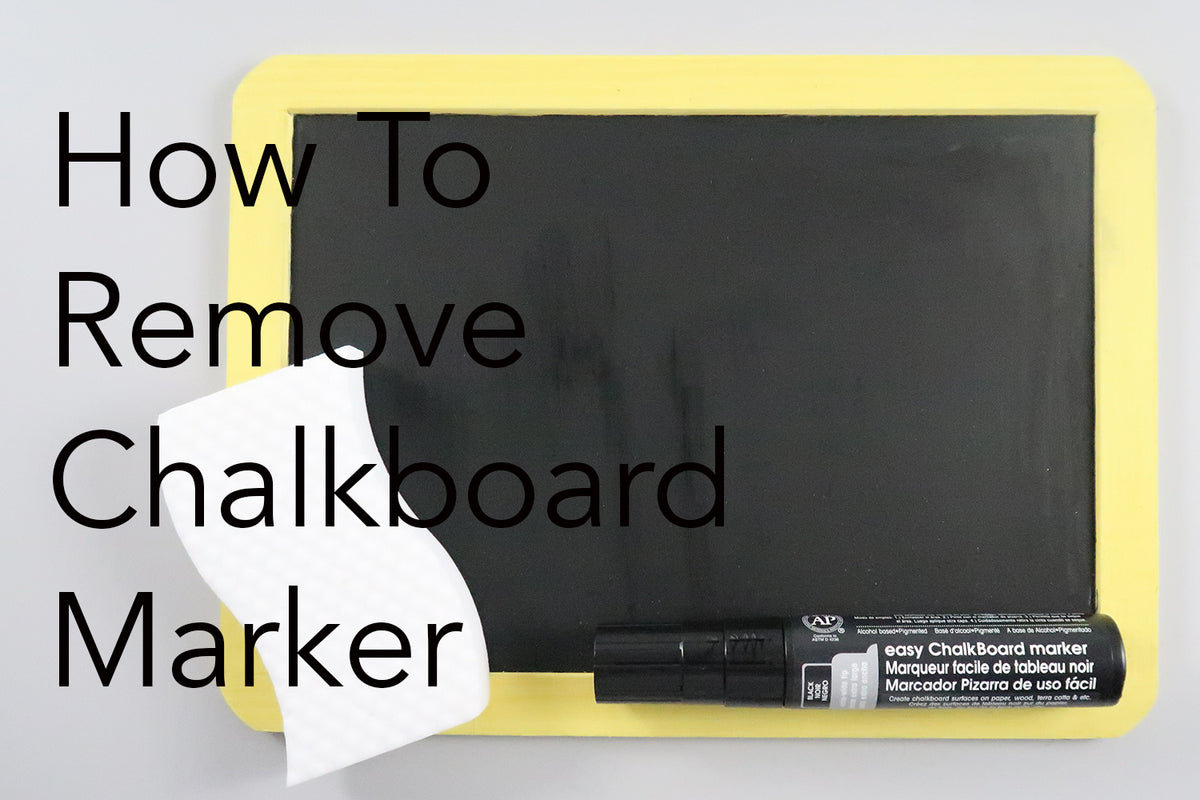
A melamine foam eraser (often sold as “Magic Eraser”) can be very effective. Wet the eraser, squeeze out excess water, and gently rub the stained area. Test on an inconspicuous spot first, as these erasers can dull glossy surfaces.
3. Isopropyl Alcohol
For really tough marks, especially on glass or metal, apply a little isopropyl alcohol (rubbing alcohol) to a cloth. Rub the ink in small circles. Alcohol dissolves most water-based inks quickly.
Caution: Alcohol can damage some painted or plastic surfaces. Always spot test first.
4. Commercial Chalk Marker Cleaner
Some brands sell dedicated chalk marker cleaning sprays. These are formulated to remove ghosting and stains without damaging boards. Read the instructions carefully, as some need to be rinsed off after use.

Credit: www.reddit.com
Special Cases: Cleaning Different Surfaces
Let’s look at how to wash off chalk marker from specific materials, step by step.
Glass And Mirrors
- Use a dry microfiber cloth first.
- If ink remains, spray with glass cleaner or vinegar solution.
- Wipe in a circular motion.
- For old stains, use a Magic Eraser or a little isopropyl alcohol.
Metal
- Wipe with a damp cloth.
- For stubborn ink, try alcohol or a Magic Eraser.
- Dry the surface to prevent water spots.
Real Chalkboards (slate)
- Wipe with a damp cloth.
- If ghosting appears, use vinegar solution or a chalkboard cleaning spray.
- Avoid soaking the board.
Chalkboard Paint (diy Boards)
- Test with a damp cloth.
- If ink persists, try a Magic Eraser very gently.
- For persistent stains, repainting may be needed.
Plastic
- Start with a damp cloth.
- Use alcohol sparingly, as it can cloud some plastics.
- Magic Erasers work well but can scratch soft plastics.
Wood
- If unfinished, chalk marker may be permanent.
- For sealed wood, try a damp cloth, then vinegar solution.
- Avoid harsh chemicals, which can strip finish.
Removing Ghosting And Shadows
Ghosting happens when faint marks stay after cleaning. Here are ways to get rid of these shadows:
- Prime the surface: Rub the whole board with regular chalk, then erase. This fills tiny scratches and makes future cleaning easier.
- Use a specialty cleaner: Products for chalkboard ghosting often contain gentle abrasives or solvents.
- Buff with a dry cloth: Sometimes, a little extra rubbing removes faint shadows.
Extra tip: Avoid oil-based markers on chalkboards—they often cause permanent ghosting.
What To Avoid When Cleaning Chalk Marker
Some cleaning mistakes can make things worse. Here’s what NOT to do:
- Don’t use bleach or strong chemicals—they can damage surfaces.
- Never scrub hard with abrasive pads; they scratch and trap ink.
- Don’t let water sit on wood or painted chalkboards.
- Avoid using colored cloths that may transfer dye.
If you’re unsure, always spot-test your cleaning method first.
Comparison: Chalk Marker Vs. Regular Chalk Erasing
To understand why chalk markers are different, see this quick comparison:
| Type | Removal Method | Difficulty | Surface Impact |
|---|---|---|---|
| Regular Chalk | Dry erase, damp cloth | Very Easy | Rarely stains |
| Chalk Marker | Damp cloth, cleaners | Moderate to Hard | Possible ghosting |
Insight: Regular chalk is dusty but rarely stains. Chalk markers are vibrant but can be harder to clean, especially on porous surfaces.
How To Wash Chalk Marker Off Clothes And Fabrics
Accidents happen. If you get chalk marker on clothing or fabric:
- Blot, don’t rub: Use a dry paper towel to blot up as much ink as possible.
- Rinse with cold water: Hold the fabric under cold running water, ink side down.
- Pre-treat with stain remover: Apply a gentle stain remover or laundry soap directly to the mark.
- Wash normally: Use the warmest water safe for the fabric.
- Check before drying: If any stain remains, repeat steps; don’t machine dry yet, as heat can set the stain.
Non-obvious tip: Chalk marker ink is water-based, so it usually comes out if treated quickly. If dried, multiple washes may be needed.
How To Prevent Chalk Marker Stains
It’s easier to prevent stains than remove them. Here’s how:
- Use only on non-porous, recommended surfaces.
- Prime new chalkboards with regular chalk before first use.
- Clean boards regularly—don’t let ink sit for weeks.
- Store markers horizontally with caps tightly closed to avoid leaks.
Expert advice: Always check the manufacturer’s instructions for your chalk marker brand and surface.
When To Seek Professional Help
In rare cases, chalk marker stains may be impossible to remove, especially on old or porous boards. If you’ve tried all safe cleaning methods and the mark remains, you may need:
- Professional chalkboard cleaning services (for commercial or large boards)
- Surface refinishing or repainting
- Replacement of the damaged area (for wood or painted surfaces)
These steps are extreme, but sometimes necessary for valuable or visible displays.
Product Recommendations For Chalk Marker Removal
Here are some highly rated products that can help with cleaning:
- Magic Eraser (melamine foam): Works on most non-porous surfaces.
- Weiman Glass Cleaner: Safe for glass, mirrors, and some chalkboards.
- Chalkboard Cleaning Sprays: Brands like VersaChalk and U Brands offer sprays for ghosting.
- Isopropyl Alcohol (70%): For glass and metal.
Always read labels and test in a small area before full use.
Credit: www.reddit.com
Common Mistakes Beginners Make
Many people struggle with chalk marker cleanup because of these mistakes:
- Using the wrong cleaning method for the surface.
- Letting ink dry for too long.
- Scrubbing too hard and damaging the surface.
- Not priming new chalkboards before first use.
- Using regular household cleaners without testing.
Non-obvious insight: Even “non-porous” boards can develop tiny scratches over time, making ghosting more likely. Replace or refinish old boards for best results.
Troubleshooting: If Chalk Marker Won’t Come Off
If you’re still stuck, try these steps:
- Re-moisten the ink by placing a damp paper towel over the mark for a few minutes.
- Try a stronger cleaner, like diluted alcohol.
- For painted surfaces, gently sand and repaint if needed.
- On glass, razor blade scrapers can lift dried ink (use carefully).
If nothing works, the ink may have bonded permanently. Consider using a surface-safe paint or refinishing option to cover the stain.
How To Test Surfaces Before Using Chalk Marker
Before writing a big sign or art piece, always test the marker:
- Choose a small, hidden area.
- Write a small line, let it dry, then try erasing with a damp cloth.
- If it comes off clean, the surface is safe.
- If there’s ghosting or stain, use regular chalk or try a different board.
Testing saves time, money, and frustration.
Environmental And Safety Considerations
Chalk marker ink is usually non-toxic and water-based, but always check the label for safety. Avoid inhaling sprays or using strong solvents in small spaces. Dispose of used cloths and cleaners according to local guidelines.
Using less harsh chemicals is better for both your surfaces and the environment. Vinegar and water are effective for most jobs without harmful fumes.
Real-world Examples
- Coffee Shop Menu Board: Glass menu boards clean easily with a damp cloth, but staff noticed ghosting after a year. They switched to weekly cleaning and used a Magic Eraser monthly, which solved the issue.
- Home Chalkboard Wall: DIY chalkboard paint on drywall absorbed ink, causing permanent stains. The homeowner repainted with a specialized, non-porous chalkboard paint, and now markers erase cleanly.
- School Classroom: Teachers found that priming new chalkboards with regular chalk before using markers prevented ghosting and made daily cleaning much easier.
These examples show the importance of surface choice, regular cleaning, and proper preparation.
Storing And Maintaining Your Chalk Marker Boards
To keep your boards looking new:
- Clean at least once a week.
- Avoid stacking objects or pressing hard with markers.
- Store boards flat or upright, away from moisture.
- Use soft cloths, not paper towels, for wiping.
Unexpected tip: Some chalkboard owners condition their boards with a thin layer of chalk dust to reduce ghosting.
Summary: Quick Reference For Washing Off Chalk Marker
Here’s a quick guide to the best cleaning methods by surface:
| Surface | Best Method | Extra Tips |
|---|---|---|
| Glass/Mirror | Damp cloth, glass cleaner | Try alcohol for old ink |
| Metal | Damp cloth, alcohol | Dry well to avoid spots |
| Plastic | Damp cloth, Magic Eraser | Test for scratches |
| Real Chalkboard | Damp cloth, vinegar solution | Prime before use |
| DIY Chalkboard Paint | Damp cloth, gentle Magic Eraser | Repaint if needed |
| Clothes/Fabric | Rinse, stain remover | Act fast |
If you need further reading on marker chemistry, the Wikipedia Chalk Marker Page has more details.
Frequently Asked Questions
What Surfaces Are Best For Chalk Markers?
Non-porous surfaces are ideal for chalk markers. These include glass, metal, glazed ceramic, and real slate chalkboards. Always check if the surface is labeled as chalk marker safe before using.
Why Does My Chalk Marker Leave Ghost Marks?
Ghosting happens when ink pigments stay in tiny scratches or pores on the surface. It is more common on old or porous boards. Regular cleaning and priming can help reduce ghosting.
Can I Use Chalk Markers On Painted Walls?
It’s not recommended. Most painted walls are porous and will absorb the ink, causing stains that are hard or impossible to remove. Use only on surfaces specified as non-porous.
Are Chalk Markers Safe For Kids?
Most chalk markers are non-toxic and safe for children to use under supervision. However, keep them away from small children who might put them in their mouths, and avoid inhaling sprays or strong cleaners.
What’s The Difference Between Wet-erase And Dry-erase Markers?
Wet-erase markers require a damp cloth to remove and are often used for more permanent writing on boards or glass. Dry-erase markers can be removed with a dry eraser and are mainly used on whiteboards. Chalk markers usually fall in the wet-erase category but are more opaque and vibrant.
Cleaning up after chalk markers doesn’t have to be a struggle. With the right knowledge and products, you can keep your surfaces bright and clean for years. Always test first, clean regularly, and enjoy the creative flexibility chalk markers offer.