
Washing bamboo chopsticks might seem simple, but many people do it wrong without realizing. If you use bamboo chopsticks at home, in a restaurant, or in your lunch box, you want them to stay clean, safe, and last as long as possible.
Bamboo is a natural material—strong, light, and environmentally friendly. But it is also more sensitive to water, heat, and chemicals than plastic or stainless steel. That means washing bamboo chopsticks needs special care.
In this guide, you will learn everything you need to know about cleaning bamboo chopsticks the right way. You will see why proper washing matters, step-by-step instructions, mistakes to avoid, and tips for making chopsticks last longer. This article also compares bamboo chopsticks with other types, answers the most common questions, and shares extra advice that even experienced users may not know.
Whether you are new to using chopsticks or want to keep your favorite set looking great, you will find practical help here.
Why Washing Bamboo Chopsticks Properly Is Important
Many people do not realize that bamboo chopsticks can easily absorb flavors, bacteria, and moisture. If not cleaned well, they may start to smell, grow mold, or split. Unlike stainless steel or plastic, bamboo is a porous material. That means food particles and liquid can go inside the surface.
Washing bamboo chopsticks properly does more than just keep them looking nice. It:
- Prevents bacteria and mold from growing
- Reduces the risk of food poisoning
- Keeps the chopsticks from cracking or warping
- Preserves their natural color and finish
- Stops bad smells from building up
If you use the wrong method, like soaking bamboo chopsticks for a long time or putting them in the dishwasher, you can damage them fast. For people who use reusable chopsticks every day, learning the right cleaning method is a simple way to protect your health and your kitchen tools.
Understanding Bamboo As A Material
Bamboo is not wood—it is a fast-growing grass. It is popular for chopsticks because it is lightweight, strong, and grows quickly without chemicals. But bamboo has a unique structure. Its surface has small holes, called pores, that can trap water and food. These pores make bamboo less resistant to water than plastic or metal.
When bamboo gets too wet for too long, it may:
- Swell and then shrink, causing cracks
- Develop mold or mildew
- Lose its smooth finish
Some bamboo chopsticks are coated with a thin layer of varnish or oil to help protect them. Others are left natural. Both types need careful washing.
Bamboo Vs. Other Materials
Here is a quick look at how bamboo compares to other common chopstick materials:
| Material | Durability | Cleaning Difficulty | Water Resistance | Flavor Absorption |
|---|---|---|---|---|
| Bamboo | Moderate | Medium | Low | High |
| Wood | Low to Medium | Medium | Low | High |
| Stainless Steel | High | Easy | High | None |
| Plastic | Medium | Easy | High | Low |
| Ceramic | High (fragile) | Easy | High | None |
As you can see, bamboo is safe and eco-friendly, but it needs more care when cleaning.

Credit: www.reddit.com
Step-by-step Guide: How To Wash Bamboo Chopsticks
Cleaning bamboo chopsticks is not hard, but you need to follow the correct steps. Here is a practical method that works for both natural and coated bamboo chopsticks.
1. Clean Right After Use
If possible, wash chopsticks soon after eating. Do not let food dry and stick to the surface. Dried food is harder to remove and can go deep into the pores.
2. Use Mild Dish Soap And Warm Water
Fill your sink or a bowl with warm water. Add a few drops of a mild dish soap. Avoid using very hot water, as it may damage the bamboo.
3. Wash Gently
Use a soft sponge or dishcloth. Avoid steel wool or rough scrubbers, as they can scratch the bamboo. Hold the chopsticks and gently rub each one, turning them to reach all sides. Pay special attention to the tips, where food often sticks.
4. Rinse Thoroughly
Rinse the chopsticks under running water to remove all soap. Any soap left behind can leave a taste and may dry out the bamboo. Make sure to rinse both ends and the entire surface.
5. Dry Immediately
Wipe the chopsticks with a clean, dry towel. Do not leave them wet. Stand them upright in a cup or lay them flat on a towel. Make sure air can circulate to help them dry completely. Never store bamboo chopsticks while they are still wet.
6. Deep Cleaning (weekly Or As Needed)
Once a week, or if you see stains, do a deeper clean:
- Mix 1 tablespoon of baking soda in 1 cup of warm water
- Dip the chopsticks and scrub gently
- Rinse and dry as usual
Baking soda helps remove odors and stains without harming the bamboo.
7. Avoid Soaking
Never soak bamboo chopsticks for a long time. Soaking makes bamboo swell and crack. If you need to loosen dried food, soak for just 1-2 minutes, then scrub and rinse right away.
8. Optional: Disinfect Naturally
If you want to disinfect, use a natural method. Mix 1 part white vinegar with 4 parts water. Wipe the chopsticks with this solution, then rinse and dry. Do not use bleach or strong chemicals.
9. Re-oil (for Natural Bamboo)
If your chopsticks look dry or faded, rub a small amount of food-safe mineral oil or coconut oil onto the surface. This helps keep them smooth and stops water from soaking in. Do this every few months.
Common Mistakes To Avoid
Even careful people sometimes make mistakes with bamboo chopsticks. Here are errors to watch out for:
- Using the dishwasher: The high heat and long cycle will cause bamboo to split or warp.
- Soaking overnight: This leads to swelling, cracks, and mold.
- Using harsh chemicals: Bleach and strong cleaners damage the surface and leave a bad taste.
- Scrubbing with steel wool: This scratches bamboo, making it easier for bacteria to grow.
- Storing while damp: Wet bamboo in a closed drawer is a perfect place for mold.
- Leaving food on overnight: Old food can stain and go deep into the material.
- Not rinsing off all soap: Soap residue can dry out bamboo and affect the taste of food.
Avoid these mistakes to keep your chopsticks clean and safe for years.
How To Remove Tough Stains And Odors
Sometimes, bamboo chopsticks develop stains or smells, especially if used with strong sauces or spices. Here’s how to handle these problems:
Removing Stains
- Make a paste with baking soda and a little water.
- Rub the paste onto the stain using a soft cloth.
- Leave for 5 minutes, then rinse and dry.
For very tough stains, use a small amount of lemon juice and baking soda together.
Removing Odors
- Fill a bowl with warm water and add 2 tablespoons of white vinegar.
- Soak the chopsticks for 2-3 minutes (not longer! ).
- Rinse well and dry.
Vinegar is natural and removes most food smells without harming bamboo. If odors remain, let chopsticks dry outside in the sun for a few hours.
How Often Should You Wash And Deep Clean?
Wash bamboo chopsticks after every use. For deep cleaning or deodorizing, do this every 1-2 weeks, depending on how often you use them. If you use chopsticks daily with oily or strong foods, deep clean more often.
If you notice sticky spots, smells, or stains, clean right away. Fast action prevents long-term damage.

Credit: www.reddit.com
How To Store Bamboo Chopsticks For Best Results
Storage is as important as washing. Here’s how to keep chopsticks safe and clean:
- Let chopsticks dry completely before storing.
- Store upright in a container with holes for air flow.
- Avoid closed boxes or bags when chopsticks are damp.
- Keep away from direct sunlight (which can dry and crack bamboo).
- Do not store near sources of steam or humidity, like dishwashers or kettles.
If you have many chopsticks, rotate their use. This gives each pair time to fully dry between uses.
What About Disposable Bamboo Chopsticks?
Many restaurants use disposable bamboo chopsticks. These are designed for one-time use. Washing and reusing them is not recommended because:
- The finish is rougher and absorbs more bacteria.
- They can splinter after washing.
- They are not designed for repeated cleaning.
If you must reuse disposable chopsticks, wash them as above, but check for cracks or splinters. Do not use if damaged.
How Long Do Bamboo Chopsticks Last?
With proper care, reusable bamboo chopsticks can last from 1 to 3 years. Signs you need to replace them include:
- Cracks or splinters
- Mold or black spots
- Faded color that does not improve with oiling
- Warped or bent shape
- Strong, unpleasant smells
Disposable chopsticks should never be used for more than a few meals.
Comparing Bamboo Chopsticks To Other Types For Cleaning
Some people wonder if bamboo is harder or easier to clean than other materials. Here is a quick comparison of cleaning needs:
| Type | Dishwasher Safe | Special Care Needed | Likelihood of Odors/Stains |
|---|---|---|---|
| Bamboo | No | Yes | High |
| Wood | No | Yes | High |
| Plastic | Yes | No | Low |
| Stainless Steel | Yes | No | Very Low |
| Ceramic | Yes | Careful Handling | Very Low |
Bamboo chopsticks need more attention than plastic or metal, but their natural feel and eco-friendliness make them a favorite for many people.
Tips To Make Bamboo Chopsticks Last Longer
If you want your bamboo chopsticks to last, a few simple habits help a lot:
- Hand wash only. Never use the dishwasher.
- Dry immediately after washing.
- Oil the chopsticks every few months to protect the surface.
- Store in a dry, airy place.
- Do not use for very hot or oily foods often, as these can stain.
- Avoid using as a cooking tool in hot pans or pots.
- Replace when you see cracks or mold—do not risk your health.
Many people do not know that regular oiling is the secret to keeping bamboo smooth and less likely to crack. Also, rotating your chopstick pairs helps each set recover between uses.
What If You See Mold On Bamboo Chopsticks?
Mold is a sign that chopsticks have been stored damp or not cleaned well. If you see white or black spots:
- Wash the chopsticks with soap and water.
- Scrub with baking soda paste.
- Wipe with vinegar solution.
- Dry completely in the sun.
If mold returns, or if the chopsticks smell musty after cleaning, it is safer to throw them away. Mold can go deep inside bamboo, and not all types are visible.
Can You Use The Dishwasher For Bamboo Chopsticks?
This is a common question. The answer is no. Dishwashers use high temperatures, strong detergents, and long cycles. This combination makes bamboo swell, crack, and lose its finish. Even if your dishwasher has a “wood” setting, it is not safe for bamboo.
Washing by hand is the only way to keep bamboo chopsticks in good shape.
How Restaurants Clean Bamboo Chopsticks
Most restaurants use disposable chopsticks, but some use reusable bamboo chopsticks. In professional kitchens, staff:
- Wash chopsticks quickly after use
- Use mild soap and warm water
- Dry them standing up for airflow
- Rotate chopstick sets so each gets time to dry
Some restaurants use food-safe sanitizers (never bleach) for extra safety. If you see bamboo chopsticks stored in closed boxes or used when still damp, that is a sign of poor cleaning.
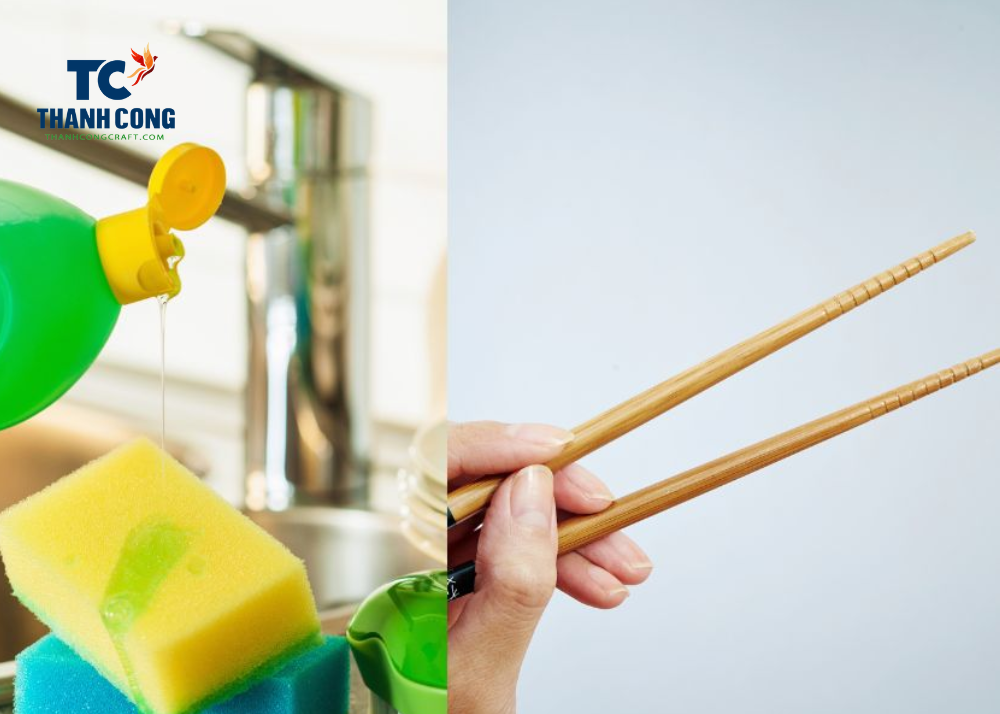
Credit: thanhcongcraft.com
Sustainable And Safe: The Benefits Of Bamboo Chopsticks
When you care for bamboo chopsticks properly, you enjoy many benefits:
- Eco-friendly: Bamboo grows fast and does not need pesticides.
- Safe: No chemicals needed for cleaning.
- Affordable: Good bamboo chopsticks cost less than ceramic or steel.
- Comfortable: Light and easy to use for all ages.
- Beautiful: Natural look fits any table.
Remember, the right washing method helps you enjoy these benefits for years.
Case Study: A Family’s Experience
Consider the Wang family, who switched to reusable bamboo chopsticks to reduce waste. At first, they washed the chopsticks in the dishwasher. After two months, the chopsticks began to split and smell bad. They learned from a local chef to wash by hand, dry with a towel, and oil the chopsticks once a month.
After changing their method, the family’s chopsticks lasted over a year, with no more smells or cracks. Their story shows that small changes in washing habits make a big difference.
Non-obvious Insights Most Beginners Miss
Many first-time bamboo chopstick users do not realize:
- Oiling is key: Most people skip oiling, but just a few drops of mineral oil every few months prevent cracks and water damage.
- Sun drying helps: If your chopsticks ever smell musty, drying them outside in sunlight can remove odors and kill bacteria naturally.
- Rotation matters: Using the same set every day speeds up wear. Rotate 2-3 pairs to make all of them last longer.
- Baking soda is safe: Unlike bleach, baking soda cleans and deodorizes without harming bamboo.
These simple ideas are easy to do and make a big difference in how long your chopsticks stay in good shape.
Summary Of Best Practices For Washing Bamboo Chopsticks
- Wash by hand with mild soap and warm water.
- Do not soak for more than a minute.
- Use a soft sponge, not steel wool.
- Dry with a towel right away.
- Store in a dry, open container.
- Deep clean with baking soda and vinegar as needed.
- Oil regularly to keep the surface healthy.
- Avoid dishwashers, bleach, and long soaking.
By following these steps, you protect your health and keep your bamboo chopsticks beautiful and strong.
Frequently Asked Questions
How Do I Know When To Replace Bamboo Chopsticks?
Replace chopsticks if you see cracks, splinters, mold, or black spots. If they smell bad even after cleaning, or feel rough and faded, it is time for a new set. Do not use damaged chopsticks, as they can trap bacteria and are not safe.
Can I Use Hot Water To Wash Bamboo Chopsticks?
Use warm water, not very hot water. Hot water can make bamboo swell, crack, and lose its finish. Warm water with mild soap is best for cleaning without damage.
Is It Safe To Use Vinegar On Bamboo Chopsticks?
Yes, white vinegar mixed with water is a safe natural disinfectant. It removes odors and bacteria without harming bamboo. Do not soak for too long, and always rinse and dry after using vinegar.
What Is The Best Oil For Bamboo Chopsticks?
Use food-safe mineral oil or natural coconut oil. Do not use olive or vegetable oils, as they can go rancid and smell bad. Rub oil onto the chopsticks every few months, let sit for 10 minutes, then wipe off extra oil.
Where Can I Learn More About Bamboo Kitchenware Safety?
For more details and scientific data, visit the Wikipedia page on chopsticks.
Caring for bamboo chopsticks takes a little extra effort, but the rewards are worth it. With the right washing and storage, your chopsticks will stay clean, safe, and beautiful for many meals to come.