
Every home or event venue has seen the trusty polyester tablecloth. They cover tables at weddings, family dinners, and restaurants. People love them because they are strong, colorful, and affordable. But many find themselves puzzled about the best way to clean and dry these tablecloths without ruining them.
Maybe you are worried about stains, shrinking, or that dreaded static cling. Or maybe your polyester cloth never looks as crisp as when it was new.
This guide will help you learn how to wash and dry polyester tablecloths the right way. You’ll find out what makes polyester special, why it acts differently from cotton or linen, and how to prevent common problems. With step-by-step advice, practical tips, and real examples, you’ll soon become confident in caring for your tablecloths. Whether you own one tablecloth or dozens, you’ll save time, keep colors bright, and make your table settings look their best every time.
Why Polyester Tablecloths Need Special Care
Polyester is a synthetic material made from petroleum-based fibers. It’s popular because it is durable, wrinkle-resistant, and colorfast. These qualities make it ideal for tablecloths that see frequent use. But unlike natural fabrics, polyester reacts differently to heat, stains, and chemicals.
Some people mistakenly treat polyester like cotton, tossing it into hot washes or using harsh cleaners. This can cause permanent wrinkles, fading, or even melting of the fibers. Understanding these differences is key to keeping your tablecloths looking new.
Polyester’s unique fiber structure is what gives it both its strengths and vulnerabilities. Because it is made through a chemical process, the fibers are uniform and tightly woven, making them tough against tearing and stretching. However, this same structure means the fabric doesn’t breathe as well as cotton, so odors and stains can sometimes linger if not treated properly.
Key Properties Of Polyester
- Resistant to shrinking and stretching: Polyester keeps its shape, even after many washes. Unlike cotton, which can shrink if exposed to high heat, polyester’s structure remains stable.
- Dries quickly: The fabric does not hold much water, making it easy to dry. This is useful if you need to wash and reuse tablecloths in a short time, such as during multi-day events.
- Attracts static: Especially when tumble-dried, polyester can cling or attract lint. This is more noticeable in dry or winter conditions.
- Sensitive to high heat: Hot water or dryers can damage the fibers. High temperatures can lead to shiny spots or even partial melting, which can’t be reversed.
- Stain-resistant but not stain-proof: Some stains, especially oil-based, can be tough to remove. The tight weave helps prevent deep penetration, but colored or greasy substances need fast attention.
Knowing these facts helps you choose the right cleaning and drying methods. For example, if you’ve ever noticed your tablecloth feels rough or faded after washing, it’s likely from using too much detergent or high heat.
Before You Wash: Preparing Your Polyester Tablecloth
Washing starts before you reach the laundry room. Preparation prevents damage and ensures a better clean. Skipping these steps can lead to stubborn stains or more wrinkles that are hard to remove later.
1. Check The Care Label
The care label is your best guide. Most polyester tablecloths are labeled “machine washable.” Some blends (with cotton or spandex) may need different care. Look for symbols for washing, bleaching, drying, and ironing. If the label is missing, stick to gentle, cold-water methods.
If you have a vintage or decorative tablecloth, it may not have a label. In these cases, always err on the side of caution with cooler water and a gentle cycle. It’s surprising how often skipping this step results in ruined finishes, especially for specialty tablecloths with metallic thread or embroidery.
2. Shake Off Debris
Before washing, shake out crumbs, dirt, or loose particles. This simple step prevents debris from embedding deeper into the fabric during the wash. For tablecloths used outdoors, you might find small leaves or even insects—these can stain or cause damage if not removed first.
3. Treat Stains Early
Polyester resists many stains, but oily or colored spills can set fast.
- For fresh stains, blot (don’t rub) with a clean cloth. Rubbing can push the stain deeper or spread it.
- Pre-treat with a gentle stain remover or a mix of dish soap and water. Always test on a small area if the tablecloth is dark or patterned to avoid discoloration.
- For tough stains, let the solution sit for 10-15 minutes before washing. For very persistent spots, repeat the process before putting the cloth in the wash.
Never use bleach unless the label says it’s safe. Chlorine bleach can weaken polyester fibers and fade colors. For white polyester, an oxygen-based stain remover is a safer option.
4. Close Fasteners And Fold Neatly
If your tablecloth has Velcro, zippers, or buttons, fasten them. This avoids snags. Fold or roll the cloth loosely to reduce wrinkles in the wash. If you have several tablecloths, folding them individually also prevents them from tangling together, which can stress the seams.

Credit: premiertablelinens.com
Choosing The Best Detergent And Washing Method
Not all detergents are equal, and the wrong one can dull your tablecloth or leave residue. Picking the right detergent is one of the easiest ways to keep your fabric feeling soft and looking bright.
Best Detergents For Polyester
- Mild liquid detergents work best. They dissolve easily and rinse out clean. Look for formulas labeled “for delicates” or “color safe.”
- Avoid powders with strong chemicals or bleach. These can leave gritty residue in the fibers, especially if you have hard water.
- Skip fabric softeners; they can coat fibers and make the fabric slippery or less absorbent. Fabric softener build-up can also make stains harder to remove in the future.
A helpful tip: if your tablecloth feels stiff after washing, it may be from detergent residue. Try using less detergent or an extra rinse.
Hand Washing Vs Machine Washing
Most polyester tablecloths can go into a washing machine. Hand washing is best for delicate, decorative, or embroidered cloths.
Hand Washing Steps
- Fill a basin with cool or lukewarm water.
- Add a small amount of mild detergent.
- Submerge the tablecloth, swish gently for 3-5 minutes.
- Rinse thoroughly until water runs clear.
- Press out water (do not wring).
Hand washing is especially useful for small cocktail or accent tablecloths with special finishes, or for pieces that have been stored for a long time and just need a freshening up.
Machine Washing Steps
- Use a gentle or delicate cycle.
- Select cold or warm water (never hot).
- Wash with similar colors and fabrics.
- For large or heavy tablecloths, do not overload the machine.
If your tablecloth is very large, consider using a laundromat with oversized machines. Home machines can sometimes twist big tablecloths, which leads to deep creases.
Comparison: Hand Wash Vs Machine Wash
Here’s a quick look at the pros and cons:
| Method | Pros | Cons |
|---|---|---|
| Hand Wash | Gentle on fabric; better for delicate trims; less wrinkling | More time-consuming; uses more water |
| Machine Wash | Convenient; handles large loads; consistent results | Possible snags; more wrinkling if overloaded |
If you have a tablecloth with glued-on decorations or sequins, always choose hand washing and keep water temperature low.
Washing Polyester Tablecloths: Step-by-step
1. Sort And Load
Wash tablecloths with similar colors and fabrics. Avoid mixing with lint-producing items like towels. If you wash polyester with cotton towels, lint can stick to the fabric, making cleaning harder.
2. Choose The Right Cycle
Select the gentle/delicate cycle. This uses slower agitation and spin, reducing wrinkles and wear. For tablecloths with embroidery or openwork, this is especially important.
3. Use Correct Water Temperature
Cold water is safest for most polyester. Warm water can be used for heavy stains, but never hot—heat can shrink or damage fibers. If you’re unsure, always choose the lower temperature.
4. Add Detergent
Pour mild liquid detergent into the dispenser. Avoid adding too much; excess detergent can leave residue.
5. Start The Wash
Let the cycle run its course. If your machine has an extra rinse option, use it for thick or double-layered tablecloths. An extra rinse can also help if anyone in your household is sensitive to detergent.
6. Remove Promptly
Take the tablecloth out as soon as the cycle finishes. This prevents deep wrinkles from forming. If you can’t remove it right away, run a short rinse and spin to “refresh” the fabric before taking it out.
Dealing With Stains On Polyester Tablecloths
Many polyester tablecloths survive spills better than cotton. But stains can still be tricky. Here’s how to handle the most common types:
Oil-based Stains (gravy, Salad Dressing)
- Dab away excess with a paper towel.
- Sprinkle baking soda or cornstarch over the stain to absorb oil.
- Let sit for 15 minutes, then brush away powder.
- Treat with dish soap, gently rub, and rinse with warm water.
Oil can be stubborn. If you notice a shadow or “ring” after washing, repeat the process before drying.
Wine Or Juice Stains
- Blot up liquid immediately.
- Mix one part white vinegar with two parts water, dab onto stain.
- Rinse with cold water, then wash as usual.
For red wine, salt can also help absorb the liquid before you treat the stain.
Coffee Or Tea Stains
- Rinse with cold water.
- Apply a mild detergent or stain remover.
- Let sit for 10 minutes, then wash.
Coffee stains can darken over time if not treated quickly.
Ink Or Marker Stains
- Place a paper towel under the stain.
- Dab (do not rub) with rubbing alcohol using a cotton ball.
- Rinse with cool water, then wash.
If the ink is still visible after washing, avoid drying and repeat the alcohol treatment.
Pro Tip: Never dry a tablecloth until the stain is fully removed. Heat can set stains, making them permanent.
Drying Polyester Tablecloths: The Right Way
Drying is as important as washing. Polyester dries quickly, but the wrong method can ruin the look or feel.
Air Drying
Air drying is the safest method.
- Shake out the tablecloth after washing to reduce wrinkles.
- Hang on a clothesline, drying rack, or over a shower rod.
- Smooth out the fabric as it hangs.
Air drying prevents shrinking, fading, and static. It also uses less energy. For best results, hang the tablecloth in a breezy place and gently pull on the edges to help remove wrinkles as it dries.
Tumble Drying
If you need to dry quickly, use a dryer with care.
- Select low or no heat (air fluff or delicate setting).
- Add a couple of clean, dry towels to help the tablecloth tumble and dry evenly.
- Remove promptly when slightly damp to prevent wrinkles.
Never use high heat—this can cause fibers to melt or become stiff. If you forget and overdry, the tablecloth may feel rough; a rinse and air dry can sometimes help restore softness.
Outdoor Vs Indoor Drying
| Drying Method | Advantages | Potential Issues |
|---|---|---|
| Outdoor (Sun) | Fresh scent; faster drying | Sun can fade colors; risk of debris |
| Indoor (Rack) | Color stays bright; safe from weather | Slower drying; needs space |
| Dryer (Low Heat) | Quick; convenient | Risk of static, wrinkles if overdried |
A less-known tip: If you need to dry indoors and are worried about odors, place a bowl of baking soda nearby to absorb moisture and smells.
Preventing Static Cling
Polyester collects static easily in the dryer.
- Toss in a dryer sheet or a small, clean damp cloth to reduce static.
- Remove tablecloth promptly when dry—do not let it cool inside the dryer.
Another method is to hang-dry the tablecloth for the final few minutes after using a dryer. This lets static dissipate before folding or storing.
Ironing And Finishing Touches
Polyester tablecloths are mostly wrinkle-resistant, but sometimes need a touch-up.
Ironing Polyester Safely
- Use the lowest heat setting (“synthetic” or “low”).
- Iron while slightly damp for best results.
- Place a pressing cloth (thin cotton towel) between the iron and tablecloth to prevent shine or melting.
Move the iron quickly; never let it sit in one spot. If your iron has a steam burst, use it lightly for stubborn wrinkles, but never hold the steam in one place for too long.
Steaming
A garment steamer is a safe, easy way to remove wrinkles. Hang the tablecloth and steam from top to bottom. This method avoids direct heat and reduces risk of damage.
Steaming is especially helpful for very large tablecloths or when you need to refresh several at once. If you don’t have a steamer, hanging the cloth in the bathroom during a hot shower can also help relax wrinkles.
Folding And Storing
Fold your tablecloth neatly or roll it on a tube to avoid hard creases. Store in a cool, dry place away from sunlight. If possible, keep each tablecloth in a breathable cotton bag or pillowcase to prevent dust.
If you stack tablecloths, place acid-free tissue between layers to prevent color transfer and to keep them fresh.
Common Mistakes To Avoid
Many people make small errors that shorten the life of their polyester tablecloths. Here are some to watch out for:
- Using hot water or dryer settings: This can shrink or warp polyester fibers.
- Using bleach: Unless the label says it’s safe, bleach can damage fibers and colors.
- Overloading the washer: This causes poor cleaning and deep wrinkles.
- Ignoring stains: Once dried, some stains become permanent.
- Not removing promptly from dryer: Leads to stubborn wrinkles and static.
- Ironing at high heat: Can melt or burn the fabric.
Don’t forget that polyester can be damaged by rough treatment during any step. For example, wringing out water or using abrasive scrubbers can stress the fibers and make the fabric look old before its time.
By avoiding these mistakes, you’ll get many more years from your tablecloths.

Credit: ehomemart.com
Special Tips For Polyester Tablecloths At Events
Large events (weddings, banquets, conferences) often use dozens or hundreds of tablecloths. Here are some professional tips:
- Assign one person to collect and shake out cloths immediately after an event. This prevents food stains from drying and makes later cleaning much easier.
- Pre-treat stains before sending to laundry. Even a quick dab with water can stop a stain from setting.
- For large loads, wash tablecloths in small batches to avoid tangling. Overcrowding leads to poor cleaning and deep wrinkles that are hard to remove.
- Use a lint roller to quickly remove dust or hair before setting tables. This is especially useful for dark-colored tablecloths where lint and crumbs are visible.
- Keep a portable steamer on hand for last-minute wrinkle removal. This can save time and prevent panic if you notice creases just before guests arrive.
For events with multiple seatings, consider having a backup set so you always have clean, pressed tablecloths ready.
How To Keep Polyester Tablecloths Looking New
With the right care, a polyester tablecloth can last for years. Here are some advanced but easy-to-miss tips:
Rotate Tablecloths
Don’t use the same cloth at every event. Rotating between several cloths reduces wear and tear, especially on high-traffic tables. Even with daily use, a set of three or four rotated tablecloths can last much longer than a single one.
Avoid Direct Sunlight
Polyester is colorfast, but long hours in direct sun can fade bright colors over time. When drying outdoors, turn the tablecloth inside out or dry in the shade. If you have colored or patterned tablecloths, this one step can keep them looking vivid for years.
Remove Wax And Gum Gently
If candle wax drips onto a tablecloth, let it harden, then gently scrape off with a plastic card. Place a paper towel under the fabric and iron on low to lift remaining wax. For gum, freeze the spot with an ice cube, then peel off.
Never use sharp knives or scissors, as these can cut the fibers and leave permanent holes.
Protect From Sharp Objects
Polyester is strong, but sharp edges (like some centerpiece decorations) can snag threads. Place a felt or fabric pad under heavy or rough items.
If a snag does occur, carefully pull the fabric back into place with a needle rather than cutting it, which can make the hole bigger.
Credit: www.winsham.com
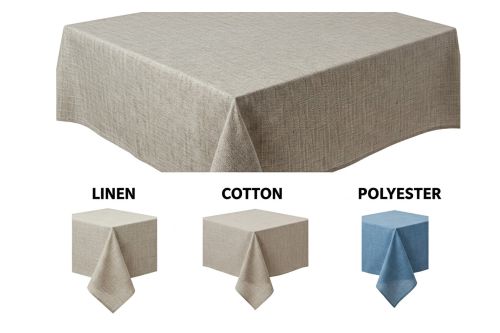
Polyester Tablecloths Vs Other Fabrics: A Quick Guide
Wondering how polyester compares to cotton, linen, or blends? Here’s a helpful overview:
| Fabric | Care Difficulty | Stain Resistance | Wrinkle Resistance | Drying Time | Color Retention |
|---|---|---|---|---|---|
| Polyester | Easy | High | High | Fast | Excellent |
| Cotton | Moderate | Low | Low | Moderate | Good |
| Linen | Challenging | Moderate | Low | Slow | Good |
| Poly-Cotton Blend | Easy | Moderate | Moderate | Fast | Good |
Polyester stands out for its ease of care and durability. Cotton and linen may look and feel more traditional, but they require much more attention to stay crisp and clean. Blends can offer a good compromise if you want a softer feel with some of polyester’s benefits.
Environmental Impact Of Washing Polyester
Polyester is not biodegradable and can shed tiny fibers (microplastics) during washing. Here’s how you can help reduce environmental impact:
- Use a microfiber filter or bag in your washing machine. These special bags trap fibers that would otherwise go down the drain.
- Wash full loads to reduce friction and shedding. Fewer loads also save water and energy.
- Avoid harsh chemicals—choose eco-friendly detergents.
Another simple tip: Washing in cold water also helps reduce fiber loss compared to hot water. For more on polyester and the environment, see this Wikipedia article.
Frequently Asked Questions
What Temperature Should I Use To Wash Polyester Tablecloths?
Always use cold or lukewarm water. Hot water can damage polyester fibers, cause shrinking, or set stains. Cold water is best for regular cleaning and preserving color.
Can I Use Bleach On White Polyester Tablecloths?
Only if the care label says it’s safe. Most polyester tablecloths do not tolerate chlorine bleach well. Use a non-chlorine bleach or oxygen-based stain remover for tough stains on whites.
How Do I Remove Wrinkles From Polyester Tablecloths Without An Iron?
Hang the tablecloth in a steamy bathroom, or use a handheld garment steamer. The steam relaxes the fibers and smooths out wrinkles without direct heat.
Why Does My Polyester Tablecloth Attract So Much Static?
Polyester fibers generate static electricity, especially in dry environments or after tumble drying. Reduce static by using a dryer sheet, a damp washcloth in the dryer, or air drying.
How Often Should I Wash My Polyester Tablecloth?
Wash after each use if there are spills or stains. For light use, such as decorative cloths, washing every few weeks or monthly is enough. Always shake out crumbs and spot clean between washes.
Caring for polyester tablecloths is not difficult when you know the right steps. With gentle washing, careful drying, and prompt stain removal, you can keep your tablecloths clean, bright, and ready for any occasion. Next time you set the table, you’ll know your cloth is as fresh and beautiful as when you first used it.