
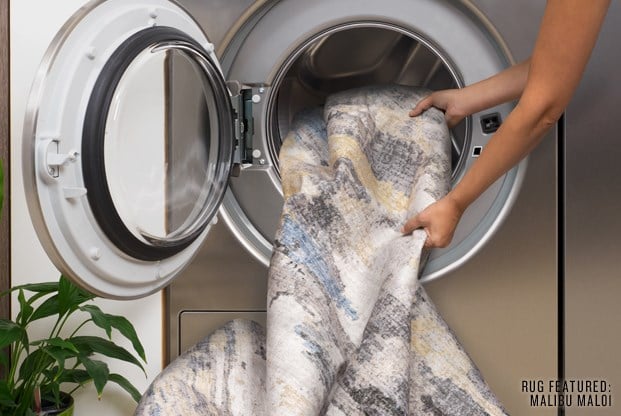
Washing a rug in a washing machine can make life much easier, but it’s not as simple as tossing in dirty clothes. People often damage rugs by using the wrong settings, detergents, or methods. If you want your rug to look fresh and last longer, you need to follow the right steps.
This guide shows you how to safely and effectively wash a rug in your washer—without stress or surprise costs. You’ll learn how to check if your rug is machine-washable, how to prep it for washing, what settings to use, and how to dry and care for it afterward.
By the end, you’ll feel confident about keeping your rugs clean at home, even if you’ve never tried before.
Can You Wash A Rug In The Washer?
Not all rugs are made for the washing machine. Some can handle the spin and water, while others will fall apart, shrink, or lose color. Before you do anything, check the care label on your rug. Most modern rugs have a small tag underneath with cleaning instructions. If you see “machine washable,” you’re good to go. If it says “dry clean only” or “spot clean,” do not put it in your machine.
Material matters, too. Rugs made from cotton, polyester, or other synthetic fibers are usually safe for the washer. Wool, silk, jute, and antique rugs are not. These natural fibers can shrink or unravel. Rubber-backed mats, like bath rugs, are often machine-washable, but heat can damage the backing. Always check first.
Size is another factor. If your rug is too large for your machine, don’t force it. Cramming a rug into the washer can damage both the rug and the appliance. As a rule, the rug should fit loosely inside the drum.
If you have to push hard to fit it in, it’s too big.
Understanding Rug Materials And Washing Risks
Different rug materials react in different ways to water, detergents, and spinning. Knowing what your rug is made of helps you avoid costly mistakes.
| Material | Machine Washable? | Common Risks |
|---|---|---|
| Cotton | Yes | Possible shrinking, color fading |
| Polyester | Yes | Minimal risk; check backing |
| Microfiber | Yes | May lose softness over time |
| Wool | No | Felting, shrinking, damage |
| Jute | No | Disintegration, water stains |
| Rubber-Backed | Yes (cool water) | Backing may crack, melt with heat |
| Silk | No | Fiber damage, color bleeding |
Non-obvious tip: Some rugs have a mix of fibers. If even a small part is non-washable (like wool), don’t risk the washer.
Experience insight: Always check if the backing of your rug is glued. Water can loosen glue, causing the rug to fall apart.
Preparing Your Rug For The Washer
Washing starts before you even touch the machine. Proper prep helps your washer work better and keeps your rug safe.
1. Shake And Vacuum
Take your rug outside and give it a good shake. This removes loose dirt and grit. Next, use a vacuum on both sides. Even small particles can scratch fibers or get stuck in your machine.
2. Spot Clean Stains
If there are stains, treat them before washing. Mix a little mild detergent with water and gently dab stains with a cloth. Don’t rub hard—this can spread the stain or damage the pile.
3. Remove Non-washable Parts
If your rug has removable pads or non-washable decorations (like tassels, beads, or glued patches), take them off. These extras can tangle, melt, or break in the wash.
4. Check For Damage
Look for loose threads, frayed edges, or weak spots. The washer’s spin can make these problems worse. Fix small issues with a needle and thread, or reinforce weak areas with a bit of fabric glue.
5. Test For Colorfastness
Wet a white cloth with water and a drop of laundry detergent. Rub it on a hidden corner of the rug. If color comes off on the cloth, the rug may bleed in the wash. In this case, avoid machine washing.
Choosing The Right Washer Settings
Picking the right settings is critical. The wrong cycle or water temperature can shrink, fade, or tear your rug.
| Setting | Best For | Why |
|---|---|---|
| Cold Water | All rug types | Prevents shrinking, color bleeding |
| Gentle/Delicate Cycle | Most rugs | Less agitation, protects fibers |
| Small Load Size | Single rugs | Ensures enough water for cleaning |
| Low Spin Speed | Rugs with backing | Prevents damage to rubber/glue |
Non-obvious tip: If your washer has a “bedding” or “large items” cycle, use it for thicker rugs. This cycle adds extra water and rinses.
Extra guidance: Never use hot water. Even rugs that say “machine washable” can shrink if washed hot.
:max_bytes(150000):strip_icc()/How-to-Wash-Throw-Rugs-for-Best-Results-03-dfca297f9bc74678a5e3366121464dd8.jpg)
Credit: www.thespruce.com
Loading The Rug Into The Washer
How you load your rug makes a difference. A crumpled rug may not get clean, and an unbalanced load can shake the whole machine.
- Roll or fold the rug loosely. Don’t twist or jam it in. It should move freely.
- If your washer is a top-loader with an agitator (the post in the middle), drape the rug evenly around it to avoid imbalance.
- For front-loaders, place the rug flat, but do not overload.
- Wash only one rug at a time. Multiple rugs can tangle and damage each other.
- Add a couple of bath towels if your rug is small. The towels help balance the load and protect the washer from shaking.
Choosing The Right Detergent
Use a mild detergent—the same kind you’d use for delicate clothes or baby items. Avoid bleach, fabric softeners, or strong cleaners. These can fade colors, damage fibers, or break down rubber backings.
If your rug is white or light-colored, an oxygen-based bleach (like OxiClean) can help with stains, but read the label first. Never mix different chemicals.
Non-obvious insight: Powder detergent can sometimes leave residue in the fibers. For best results, use a liquid detergent.
Washing The Rug: Step-by-step
- Place the prepared rug in the washer.
- Add mild liquid detergent to the dispenser.
- Select cold water and the gentle (delicate) cycle.
- Adjust the spin speed to low, especially for rugs with backing.
- Start the wash and stay nearby for the first few minutes. If the machine shakes violently, stop and rebalance the load.
- Let the cycle finish completely.
If your machine allows, add an extra rinse cycle. Rugs can hold more soap than regular clothes, so a second rinse helps remove all detergent.
Removing And Checking Your Rug After Washing
Once the cycle finishes, don’t leave the rug sitting in the washer. The weight of water can wrinkle or stretch it.
- Remove the rug right away.
- Check for leftover soap by touching the surface. If it feels sticky or soapy, rinse again.
- Inspect for new damage—loose threads, holes, or fraying edges. Small problems can often be trimmed or fixed with glue.
- Smell the rug. If it still smells dirty or musty, consider another gentle wash.
Drying Your Rug Properly
Drying is as important as washing. A wet rug can grow mold, shrink, or lose shape if not dried correctly.
Air Drying
The safest way is air drying. Lay the rug flat on a clean surface, like a patio or driveway. If drying indoors, use a large rack or two chairs. Keep the rug out of direct sunlight to prevent fading.
Flip the rug every few hours to help both sides dry evenly. Make sure the rug is 100% dry before putting it back—dampness can lead to mildew.
Machine Drying
Some small rugs can go in the dryer, but only on air fluff or no heat settings. High heat can melt rubber, shrink fibers, or cause backing to crack.
- Put the rug and a couple of towels in the dryer.
- Use the no-heat setting.
- Check every 20 minutes. Remove as soon as dry.
Non-obvious tip: Never hang heavy rugs by the edges. The weight can stretch and distort the shape.
Speeding Up Drying
If you need the rug dry quickly, use a fan or dehumidifier in the drying room. For thick rugs, stand them up on their side to allow air to circulate through the pile.
Post-wash Care And Maintenance
Once your rug is clean and dry, a few simple steps will keep it looking good longer.
- Brush the rug gently with a soft brush to restore the pile.
- If the rug feels stiff, shake it or vacuum it for a few minutes to loosen fibers.
- For rugs with rubber backing, check for cracks or peeling. Replace the rug if the backing is damaged—it can scratch floors.
- Put a non-slip pad under the rug if it moves easily on your floor.
- Vacuum regularly to prevent dirt from building up again.

Credit: www.reddit.com
Common Mistakes When Washing Rugs In The Washer
People often make the same errors, which can ruin their rugs or their washing machines.
- Washing non-machine-washable rugs. This can cause shrinking, color loss, or total disintegration.
- Using hot water or high heat in the dryer, which leads to shrinking and backing damage.
- Overloading the washer, causing poor cleaning and machine stress.
- Skipping stain treatment, so stains set in and become permanent.
- Not rebalancing the load, leading to a noisy, shaking washer.
- Leaving the rug wet in the machine, causing odor and mold.
- Ignoring colorfastness, leading to dye running and staining other items.
Practical insight: Many people forget to clean the washer after a rug wash. Always run an empty rinse cycle to remove lint and dirt before your next laundry load.
How Often Should You Wash Rugs In The Washer?
How often to wash your rug depends on where it’s used and how dirty it gets.
- Entryway rugs: Every 1–2 weeks. These catch the most dirt.
- Bathroom rugs: Every 1–2 weeks, or more if wet.
- Kitchen rugs: Every 2–4 weeks, depending on spills.
- Bedroom/living room rugs: Every 1–2 months, unless there are visible stains.
Non-obvious tip: Washing too often can wear out your rug, especially with older or cheaper types. Vacuuming and spot cleaning between washes helps your rug last longer.
Credit: www.rugs-direct.com
When Not To Wash A Rug In The Washer
Some situations call for other cleaning methods.
- If the rug is antique, handmade, or valuable. These need special care.
- If the rug is too large or heavy for your machine.
- If the label says dry clean only or do not machine wash.
- If the rug is glued, painted, or has special finishes.
- If the rug sheds a lot—loose fibers can clog your washer.
If you’re unsure, ask a professional cleaner or check the rug’s website for advice.
Eco-friendly Rug Washing Tips
Washing rugs at home can use a lot of water and energy. A few simple tips can make the process greener:
- Wash rugs only when needed—not out of habit.
- Use cold water to save energy.
- Choose eco-friendly, biodegradable detergents.
- Air dry rugs instead of using the dryer.
- Run full loads (but not overloaded) to get the best efficiency.
Comparing Hand Washing Vs. Machine Washing Rugs
Sometimes, hand washing is safer for delicate or valuable rugs. Here’s a quick comparison:
| Method | Best For | Pros | Cons |
|---|---|---|---|
| Machine Washing | Cotton, polyester, small synthetic rugs | Fast, easy, less effort | Risk of damage, not for all materials |
| Hand Washing | Wool, delicate, handmade rugs | Gentle, better for valuable rugs | Time-consuming, more effort, needs space |
Professional Cleaning: When To Call The Experts
If your rug is expensive, antique, or just too big to handle, it’s best to call a professional rug cleaner. They have special machines and methods to protect delicate fibers.
- Wool and silk rugs often need expert care.
- Rugs with deep stains or pet odors may need special treatments.
- If you’re worried about color bleeding, professionals can test and treat the rug safely.
Professional cleaning costs more but helps your rug last for years. For more information about rug cleaning standards and materials, visit the Wikipedia rug cleaning page.
Faq: Frequently Asked Questions
What Should I Do If My Rug Says “hand Wash Only”?
If your rug says “hand wash only,” do not put it in the washing machine. Instead, fill a large basin or bathtub with cold water and a small amount of mild detergent. Gently swish the rug, rinse, and air dry flat.
Never wring or twist the rug.
Can I Put A Rubber-backed Rug In The Dryer?
Rubber-backed rugs can go in the dryer only on a “no heat” or “air fluff” setting. High heat will melt or crack the rubber, ruining the rug and possibly harming your dryer. Always check the label and inspect the backing after drying.
How Do I Prevent My Rug From Shedding In The Washer?
To reduce shedding, vacuum the rug thoroughly before washing. Use a gentle cycle and cold water. Avoid washing rugs with lots of loose fibers or fringes, as these can shed and clog your washer’s filter.
Is It Safe To Wash A Shaggy Or High-pile Rug In The Washer?
Most shaggy or high-pile rugs are not safe for the washing machine. The long fibers can tangle, mat, or become damaged. Hand wash or spot clean these rugs, or take them to a professional cleaner.
My Rug Smells Bad After Washing. What Should I Do?
If your rug smells after washing, it may not be fully dry. Air it out in a well-ventilated space, or use a fan or dehumidifier. If the odor remains, wash it again with a small amount of white vinegar and rinse thoroughly.
Final Thoughts
Washing a rug in your washer is possible—and safe—when you know what you’re doing. Check the label, prep your rug, pick the right settings, and take care with drying. Avoid common mistakes and you’ll keep your rug looking fresh, clean, and bright.
Don’t rush the process, and when in doubt, ask a pro. A clean rug can transform your space, making your home feel new again, all with a little smart effort and care.