
Most people buy a cooling blanket to sleep better and feel fresh at night. These blankets use special fabrics or fillings that help your body stay cool. They are popular among people who have night sweats, hot flashes, or just want to avoid overheating. But after a few weeks, you might notice sweat, oils, or even pet hair building up. Washing a cooling blanket is not as simple as washing a regular comforter. If you wash it the wrong way, you could ruin its cooling effect, shrink the fabric, or destroy the special filling.
This guide will show you how to wash a cooling blanket step by step. You will learn how to check your blanket’s care label, which detergents to use, how to dry it, and what mistakes to avoid. Whether your blanket is made of bamboo, microfiber, cotton, or has cooling gel beads, you’ll find the answers here.
You’ll also get tips for keeping your blanket fresh longer, so you don’t have to wash it as often. By the end, you’ll know how to keep your cooling blanket clean, soft, and effective for years.
What Makes Cooling Blankets Different?
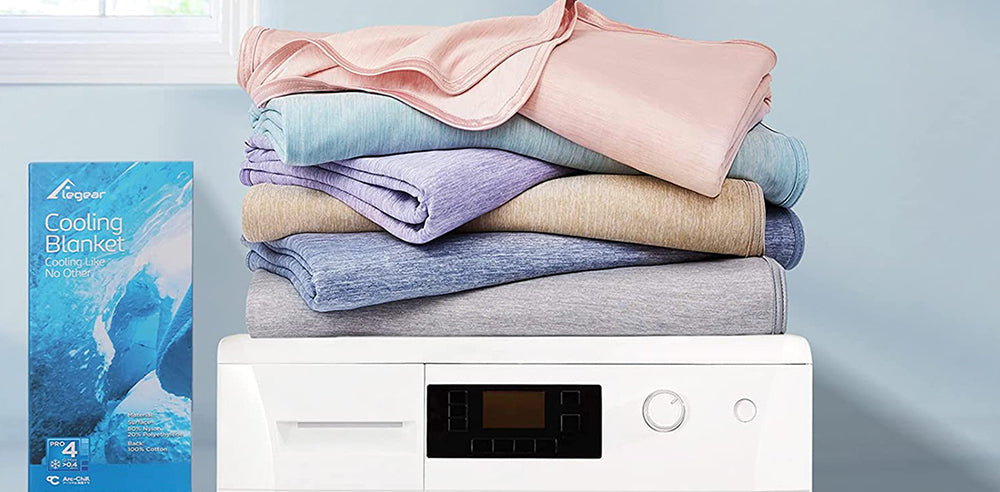
Before you wash your cooling blanket, it’s important to know why these blankets need special care. Most cooling blankets use advanced materials or technology to pull heat away from your body. Here are the most common types:
- Bamboo viscose: Soft and highly breathable. It wicks away sweat and dries fast.
- Microfiber: Lightweight synthetic that feels cool to the touch.
- Cotton with cooling fibers: Natural cotton combined with special threads for better airflow.
- Cooling gel beads or fillings: Inside some weighted blankets, these beads stay cool longer than normal fillings.
- Phase-change materials (PCMs): These fabrics absorb, store, and release heat as your body temperature changes.
Many of these materials can be damaged by high heat, rough washing, or strong chemicals. For example, bamboo fibers can shrink or break, and gel beads can melt or clump together. That’s why you can’t wash a cooling blanket like a regular comforter or throw.
Read The Care Label First
Every cooling blanket comes with a care label sewn into the seam. This label gives specific instructions for washing, drying, and ironing. It may have words, symbols, or both. Here’s what to look for:
| Symbol | What It Means | What To Do |
|---|---|---|
| Machine Wash Cold | Safe to use a washing machine with cold water | Set washer to cold, gentle cycle |
| Hand Wash | Machine wash might damage the blanket | Wash gently by hand |
| Do Not Bleach | No bleach or whitening agents | Use mild, bleach-free detergent |
| Tumble Dry Low | Low heat is safe in the dryer | Set dryer to low; avoid high heat |
| Line Dry | Best to air-dry the blanket | Hang or lay flat to dry |
Never ignore the care label. Even if you’ve washed other blankets before, cooling blankets are different. If you can’t find the label or it has faded, check the manufacturer’s website for instructions.
Prep Your Cooling Blanket For Washing
Washing starts before you put the blanket in water. Here’s how to get your cooling blanket ready:
- Shake Out Debris: Take your blanket outside and shake off loose dirt, hair, or dust.
- Spot Clean Stains: Use a gentle stain remover or a mix of water and mild soap to treat spots. Dab, don’t rub, to avoid damaging fibers.
- Check for Damage: Look for loose threads, holes, or tears. Repair them before washing, or they could get worse.
- Close Zippers or Fasteners: If your blanket has zippers, ties, or snaps, close them to prevent snagging.
- Remove Covers: Some cooling blankets have removable covers. Wash the cover and inner part separately.
These steps help keep your blanket in good shape and prevent problems during washing.
Choosing The Right Detergent
The wrong detergent can ruin your cooling blanket. Most cooling blankets need mild, liquid detergent. Powder detergents can leave residue, and strong cleaners can weaken fibers or harm the cooling material.
- Choose a fragrance-free, gentle detergent. Brands like Tide Free & Gentle or Seventh Generation are safe options.
- Avoid bleach and fabric softener. Bleach can break down fibers and fade color. Fabric softener leaves a coating that stops the fabric from pulling heat away.
- Use less detergent than usual. Too much soap makes rinsing hard and leaves buildup, which can affect cooling.
If you want to be extra careful, mix the detergent with water before pouring it into the machine. This prevents concentrated soap spots.
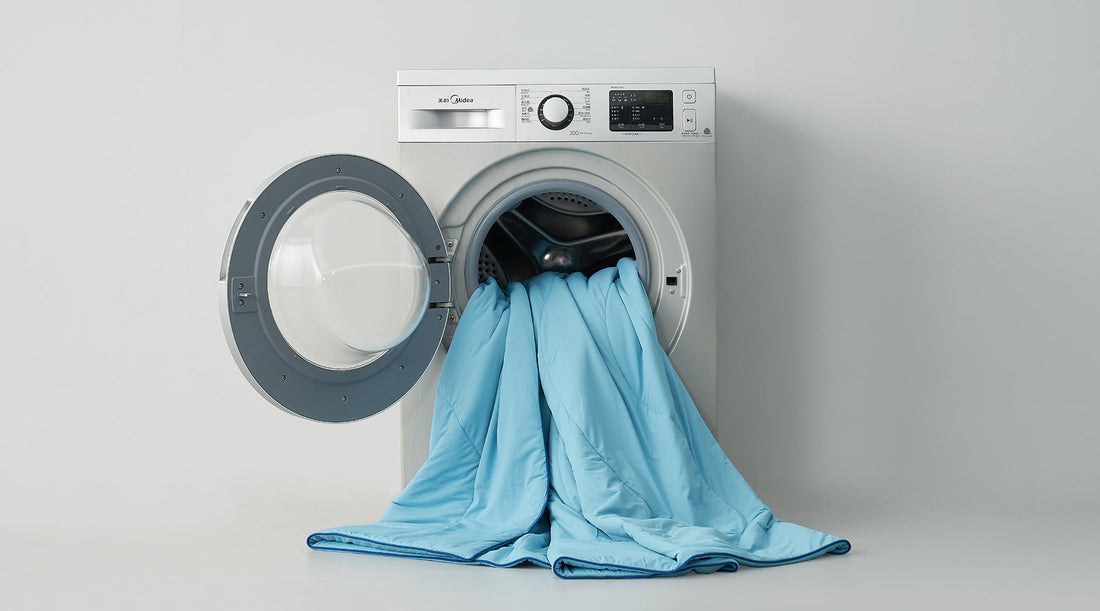
How To Machine Wash A Cooling Blanket
Many cooling blankets are machine washable, but always check the care label first. Here’s the best way to wash your blanket in a machine:
- Use a Front-Loading Washer: Top loaders with agitators can be rough. Front-loaders are gentler and won’t twist or pull the fabric as much.
- Select the Gentle or Delicate Cycle: These cycles use less agitation and lower spin speeds.
- Cold Water Only: Hot water can shrink or warp cooling fibers.
- Wash Alone: Don’t wash your cooling blanket with towels or heavy clothes. They create friction and lint.
- Add Extra Rinse: If your machine lets you, choose an extra rinse cycle to remove all detergent.
Pro tip: If your blanket is heavy (more than 12 lbs), check your washer’s weight limit. Overloading the washer can break the motor or damage the blanket.
Hand Washing For Delicate Cooling Blankets
Some cooling blankets, especially those with gel beads or special coatings, must be washed by hand. This method is slower but much safer for delicate materials.
- Fill a Bathtub or Large Basin: Use cool or lukewarm water (never hot).
- Dissolve Detergent First: Mix a small amount of mild detergent into the water before adding the blanket.
- Submerge the Blanket: Gently move the blanket through the water, squeezing it lightly. Do not twist, wring, or scrub.
- Soak for 10–15 Minutes: Let the detergent work on dirt and sweat.
- Rinse Well: Drain the soapy water and refill with clean, cool water. Rinse until all soap is gone (usually 2-3 rinses).
- Press Out Water: Press the blanket between your hands or against the side of the tub. Don’t twist, or the filling could bunch up.
Hand washing takes more time, but it keeps your blanket’s cooling technology safe.
How To Dry A Cooling Blanket
Drying is as important as washing. The wrong drying method can ruin your blanket’s shape, shrink it, or make it less cool.
Air Drying
Most cooling blankets last longer if you air dry them.
- Lay Flat to Dry: Place the blanket on a clean, dry surface, like a towel on the floor or a drying rack. Smooth out wrinkles and lumps.
- Hang Dry: If space allows, drape the blanket over a wide clothesline or rail. Avoid thin wires, which can leave marks.
- Keep Out of Sun: Direct sunlight can fade colors and weaken fibers. Dry indoors or in the shade.
Air drying can take several hours to a full day, depending on the blanket’s thickness.
Tumble Drying
Some cooling blankets are safe for the dryer, but only on low heat.
- Set Dryer to Low or No Heat: High heat can melt synthetic fibers or damage cooling beads.
- Add Dryer Balls: Wool or rubber dryer balls can help keep the filling evenly distributed.
- Remove Promptly: Take the blanket out as soon as it’s dry to avoid wrinkles.
Never use high heat or “sanitize” cycles, even if you’re in a hurry.
Comparing Air Drying Vs. Tumble Drying
Here’s a quick look at the pros and cons of each drying method:
| Drying Method | Pros | Cons |
|---|---|---|
| Air Drying | Keeps fibers strong, no heat damage, prevents shrinking | Takes longer, needs more space |
| Tumble Drying (Low Heat) | Faster, easier in small spaces | Risk of heat damage if not careful |
If you’re unsure, air drying is always the safest option.
How Often Should You Wash A Cooling Blanket?
Washing your cooling blanket too often can wear it out, but waiting too long can lead to odors, stains, and bacteria. The best frequency depends on how you use the blanket:
- Every 2–4 weeks if you use it every night
- Every 6–8 weeks if you use it with a top sheet or duvet cover
- After illness or heavy sweating
- As needed if there are stains or spills
Pro insight: If you sweat a lot at night, consider using a removable cover. You can wash the cover weekly and the blanket less often, which extends its life.

Credit: www.amazon.com
Special Care For Weighted Cooling Blankets
Weighted cooling blankets combine glass or plastic beads with cooling fabrics. Washing these takes extra care:
- Check the Weight Limit: Most home washers can handle blankets up to 12–15 lbs. Heavier blankets need a commercial washer or hand washing.
- Spot Clean When Possible: Use a damp cloth for minor stains to avoid full washes.
- Wash in a Large Machine: If machine washing, use a laundromat with oversized washers.
- Dry Flat: Lay the blanket on a flat surface. Hanging can stretch and damage the seams.
Common mistake: Never wash a weighted blanket with a torn seam. The beads can spill out and break your washer.
What To Do About Odors Or Tough Stains
Even with regular washing, cooling blankets can develop musty smells or stubborn stains. Here’s how to handle them:
- Baking Soda Soak: Dissolve 1/2 cup of baking soda in cool water and soak the blanket for 30 minutes before washing. This neutralizes odors.
- White Vinegar Rinse: Add 1/4 cup of white vinegar to the rinse cycle. It kills bacteria and removes soap residue.
- Hydrogen Peroxide for Stains: For blood or sweat stains, dab with diluted hydrogen peroxide (test on a small area first).
Avoid harsh chemicals like ammonia or chlorine bleach. They can destroy the cooling technology.
Tips For Keeping Your Cooling Blanket Fresh Between Washes
You don’t need to wash your cooling blanket every week if you care for it daily. Here are some easy ways to keep it clean longer:
- Use a Removable Cover: Covers are easy to wash and protect the blanket from sweat and spills.
- Air Out Regularly: Hang your blanket outside (in the shade) or by an open window to let moisture escape.
- Keep Pets Off: Pet hair and oils stick to the fabric and can cause odors.
- Rotate Blanket Position: Flip or turn the blanket every few days to avoid wear in one area.
- Change Sheets Often: Clean sheets mean less sweat and dirt transfer.
These habits help your blanket last longer, save water, and keep your bed feeling fresh.
Mistakes To Avoid When Washing A Cooling Blanket
Even experienced laundry-doers make mistakes. Here are common errors and how to avoid them:
- Using Hot Water: High temperatures can shrink or melt cooling fibers.
- Using Bleach or Fabric Softener: Both can break down special materials and stop the blanket from cooling.
- Overloading the Washer: Heavy blankets can damage the machine and cause uneven cleaning.
- Skipping the Care Label: Each blanket is different. Always check instructions first.
- Drying in Direct Sun: Sunlight can fade and weaken fabrics.
- Storing Wet or Damp: Make sure the blanket is fully dry before folding or storing to prevent mildew.
- Ignoring Stains: Treat spots right away so they don’t set.
Hidden insight: Some cooling blankets lose effectiveness after 20–30 washes. If your blanket no longer feels cool, it may be time for a replacement.
Credit: dreamvalleysleep.com
Comparing Cooling Blanket Materials And Their Care Needs
Some cooling blankets are easier to wash than others. Here’s how different materials compare:
| Material | Washing Method | Drying Method | Notes |
|---|---|---|---|
| Bamboo Viscose | Machine or Hand (cold, gentle) | Air dry or low heat | Can shrink in hot water |
| Microfiber | Machine (cold, gentle) | Low heat or air dry | Quick drying |
| Cotton + Cooling Fibers | Machine (cold, gentle) | Air dry best | May wrinkle |
| Cooling Gel Beads | Hand wash preferred | Air dry only | High heat can melt beads |
| PCM (Phase-Change) | Machine (cold, gentle) | Air dry or low heat | Avoid fabric softener |
If you’re buying a new cooling blanket, think about how much care each material needs. Some require more work than others.
What To Do If Your Cooling Blanket Shrinks Or Gets Damaged
Even if you follow all the steps, accidents can happen. If your cooling blanket shrinks or is damaged:
- For Minor Shrinking: Try gently stretching the blanket while it’s damp. Lay it flat and tug the edges. It won’t go back to the original size but can help a little.
- For Clumped Filling: Shake and massage the blanket to move filling back in place. For big clumps, you may need to open a seam and spread the filling by hand.
- For Holes or Rips: Sew small holes with a needle and thread. For larger damage, take it to a tailor.
- If Cooling Stops: Over time, cooling technology can wear out. If the blanket no longer feels cool after washing, it may be time to replace it.
Extra tip: Register your cooling blanket with the manufacturer if possible. Some companies offer repair, replacement, or warranty support if your blanket fails early.
When Should You Replace Your Cooling Blanket?
No blanket lasts forever. Most cooling blankets stay effective for 2–5 years, depending on use, washing, and material. Replace your blanket if:
- The cooling effect fades, and washing doesn’t help.
- There are large holes, tears, or missing filling.
- Odors and stains don’t come out after washing.
- The fabric feels rough or stiff.
If you use your blanket every night and wash it often, expect a shorter lifespan. Buying a high-quality cooling blanket and caring for it well can add years to its life. For more on the science of fabric care, you can visit this Consumer Reports guide.
Frequently Asked Questions
How Do I Wash A Cooling Blanket With Cooling Gel Beads?
Blankets with cooling gel beads are best washed by hand. Use cool water and a gentle, fragrance-free detergent. Submerge the blanket and gently press the water through it. Rinse well and press out excess water without twisting. Lay flat to air dry. Never use hot water or a dryer, as the beads can melt or clump.
Can I Use Fabric Softener On My Cooling Blanket?
No, you should never use fabric softener on a cooling blanket. Softener coats the fibers and blocks their ability to wick away heat and moisture. It also leaves residue that’s hard to remove. Use only mild, liquid detergent and rinse thoroughly.
Is It Okay To Wash My Cooling Blanket With Other Bedding?
It’s best to wash your cooling blanket alone. Other items, especially towels or heavy clothes, can cause friction and lint buildup. This can damage the cooling fibers and reduce the blanket’s effectiveness. If you must wash with other items, choose lightweight sheets only.
My Cooling Blanket Smells Musty After Washing. What Should I Do?
If your blanket smells musty, it may not be fully dry. Wash it again with a half cup of baking soda or a quarter cup of white vinegar in the rinse cycle. Dry completely in a well-ventilated area. Store only when fully dry to prevent mildew.
How Can I Make My Cooling Blanket Last Longer?
To extend your blanket’s life, wash only as needed, use a removable cover, air it out regularly, and avoid high heat or harsh chemicals. Spot clean stains quickly and store the blanket in a dry, cool place. These habits will keep the cooling effect strong for years.
Keeping your cooling blanket clean is not hard if you follow these steps. With the right care, your blanket will help you sleep cool and comfortable every night, year after year.
Credit: www.elegear.com