
Using furniture pads might seem simple, but when you do it the right way, you can save your floors, furniture, and wallet from costly damage. Many people buy furniture pads hoping to protect hardwood, tile, or laminate floors, but they often miss important steps. Scratches, dents, and annoying noises can still happen if you don’t know how to use pads correctly. In this guide, you’ll learn everything you need to know about choosing, installing, and maintaining furniture pads for the best results. Even if you have never used them before, you’ll feel confident by the end of this article.
What Are Furniture Pads?
Furniture pads are small pieces made from materials like felt, rubber, cork, or plastic. You stick or attach them to the bottom of furniture legs or corners to stop scratching, noise, and slipping. These pads are sometimes called floor protectors, glides, or sliders, depending on their design and use.
Some common examples include:
- Felt pads under chair legs on hardwood floors.
- Rubber caps under tables to prevent sliding.
- Plastic glides for easy movement on carpet.
Furniture pads are popular because they’re affordable, easy to use, and prevent expensive floor repairs. They are also useful for renters who want to protect their security deposit.
Why Use Furniture Pads?
Furniture pads are not just about looks; they play a big role in protecting your home and saving money. Here’s why they matter:
- Protect Floors: Pads stop scratches, dents, and marks on wood, tile, vinyl, and laminate.
- Reduce Noise: Moving chairs or tables becomes quiet and smooth, especially in apartments.
- Prevent Slipping: Some pads grip the floor, keeping furniture in place.
- Extend Furniture Life: Pads reduce damage to furniture legs and joints.
- Save Money: Avoid costly repairs or refinishing floors.
- Protect Area Rugs: Pads help prevent furniture from damaging or stretching rugs.
Many people don’t realize that simple daily movements—like sliding a chair—can cause long-term damage. Using the right pads is an easy way to avoid these problems.

Credit: www.movinghelp.com
Types Of Furniture Pads
Not all furniture pads are the same. Different designs and materials work better for certain furniture or floors. Here’s a breakdown of the most common types and where to use them:
Felt Pads
Felt pads are made from dense, soft material. They stick to the bottom of furniture legs with an adhesive backing.
- Best for: Hardwood, laminate, tile, and vinyl floors
- Pros: Quiet, smooth movement; great for chairs and sofas
- Cons: Can collect dust and hair; may wear out over time
Rubber Pads
Rubber pads grip the floor and help keep furniture in place.
- Best for: Tile, laminate, and hard floors
- Pros: Non-slip; good for heavier furniture
- Cons: Can leave marks if old or low quality
Plastic Glides
Plastic glides are hard discs usually nailed or screwed into furniture legs.
- Best for: Carpeted floors, heavy items
- Pros: Easy to move furniture across carpet; durable
- Cons: Not suitable for hard floors, can scratch wood
Cork Pads
Cork pads are eco-friendly and provide a soft cushion.
- Best for: Light to medium-weight furniture
- Pros: Natural material; good shock absorption
- Cons: Not as durable as felt or rubber
Screw-on Or Nail-on Pads
These are fixed into the furniture leg, not just stuck on.
- Best for: Heavy-use furniture, chairs, or tables
- Pros: Long-lasting; won’t fall off easily
- Cons: Require tools for installation
Self-adhesive Pads
These come with a sticky backing—just peel and press.
- Best for: Quick fixes, light furniture
- Pros: Easy to apply; affordable
- Cons: Adhesive can weaken over time
Silicone Caps
Soft, flexible caps that fit over the leg instead of sticking underneath.
- Best for: Odd-shaped or round furniture legs
- Pros: Easy to remove; gentle on all surfaces
- Cons: Sometimes visible and may not fit all sizes
Here’s a comparison of the main furniture pad types, so you can see their main features side by side:
| Type | Best For | Pros | Cons |
|---|---|---|---|
| Felt | Hardwood, laminate, tile | Quiet, smooth, affordable | Wear out, attract dust |
| Rubber | Tile, laminate, hard floors | Non-slip, good for heavy items | Can leave marks |
| Plastic Glides | Carpet | Easy movement, durable | Can scratch hard floors |
| Cork | Light furniture | Eco-friendly, shock absorption | Less durable |
| Silicone Caps | Odd-shaped legs | Gentle, easy to use | May not fit all sizes |
How To Choose The Right Furniture Pads
Choosing the right furniture pads makes all the difference. Here’s what you need to consider:
1. Floor Type
- For hardwood, tile, or laminate, use felt or rubber pads.
- For carpet, use plastic glides or nail-on pads.
- For vinyl floors, avoid hard plastic; stick to soft felt or silicone.
2. Furniture Weight And Use
- Heavy furniture (like beds, dressers): Pick thick, durable pads—usually nail-on, rubber, or heavy-duty felt.
- Light or often-moved furniture (like chairs): Self-adhesive felt or silicone caps work well.
3. Furniture Leg Shape
- Round or square legs: Most pads fit easily.
- Odd shapes: Try silicone caps or cut-to-size felt pads.
4. Pad Thickness
Thicker pads offer more protection, especially for heavy furniture. Standard thickness is about 0. 2–0. 4 inches (5–10 mm).
5. Room Use
- Dining rooms and kitchens: Use pads that won’t fall off easily since chairs move often.
- Living rooms or bedrooms: Softer pads may be enough since furniture moves less.
One non-obvious insight: Check the pad’s edge. Rounded edges are less likely to catch on rugs or peel off, which is a common problem with square-cut pads.
Where To Use Furniture Pads
Many people only put pads on chairs and tables, but there are other smart places to use them:
- Sofas and Loveseats: Prevent dents in wood or vinyl floors.
- Beds and Headboards: Avoid scratches if moved for cleaning.
- Bookshelves: Stop sliding and protect both floors and shelves.
- Dressers and Cabinets: Prevent damage when rearranging.
- Appliances: Washing machines and fridges can cause deep marks or slide.
- Desks and Office Chairs: Especially important for rolling chairs.
- Plant Stands: Moisture and movement can damage floors.
- Decor Items: Vases or sculptures on glass, marble, or wood tables.
Many beginners forget about small items like stools or side tables. These can still cause scratches, so don’t skip them.
How To Install Furniture Pads: Step-by-step
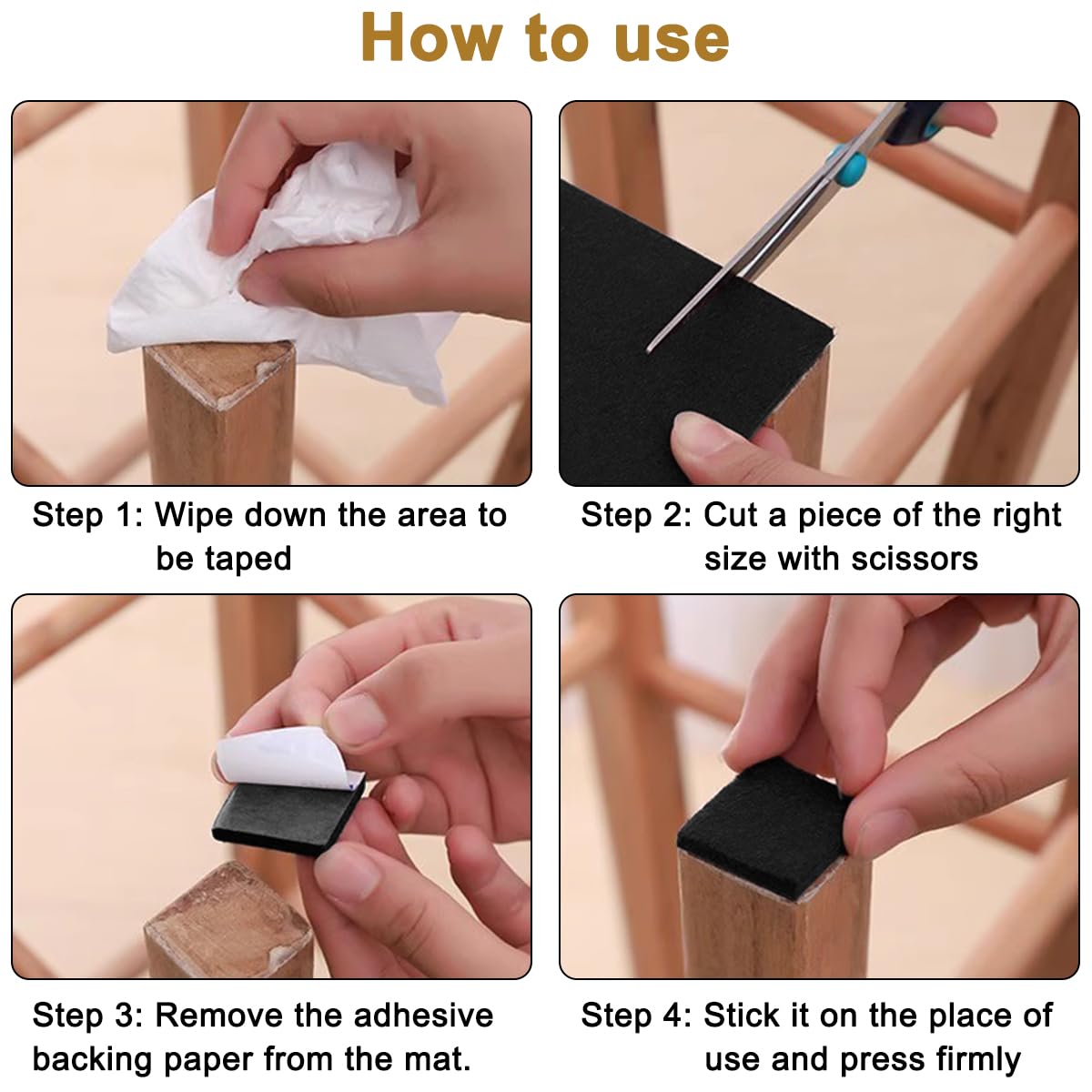
Installing furniture pads is simple, but a few extra steps help them last longer and work better. Here’s how to do it right:
1. Clean The Surface
Wipe the bottom of the furniture leg with a damp cloth and let it dry. Any dust, oil, or dirt will stop the pad from sticking well.
Tip: Rubbing alcohol cleans sticky residue or old glue.
2. Measure The Pad Size
Choose a pad that matches or slightly exceeds the width of the furniture leg. If it’s too small, it won’t protect enough. If it’s too big, it may be visible or peel off.
3. Peel And Stick (for Adhesive Pads)
Remove the backing and press the pad firmly onto the clean, dry surface. Hold for a few seconds.
Extra tip: Warm the pad slightly with your hand to help the adhesive bond.
4. Attach Nail-on Or Screw-on Pads
Position the pad, then gently hammer or screw it in. Make sure it’s centered.
Warning: Don’t split the wood—start with a small pilot hole if needed.
5. Fit Silicone Caps
Slide or stretch the cap over the leg. Some need a gentle tap to fit securely.
6. Test And Adjust
Move the furniture gently. Make sure the pad doesn’t slip or peel. If it does, check for dust or try a stronger adhesive.
7. Repeat For All Contact Points
Don’t miss any legs or corners. Even one unprotected spot can cause damage.
Here’s a quick look at common mistakes to avoid during installation:
| Mistake | Problem Caused | How to Avoid |
|---|---|---|
| Not cleaning the surface | Pads fall off quickly | Wipe and dry before attaching |
| Using wrong size pad | Pad peels off, leaves edge exposed | Match pad to leg size |
| Skipping legs | Floor gets scratched anyway | Pad every contact point |
| Choosing wrong material | Scratches, slipping, or noise | Pick pad for your floor and furniture |
How To Care For Furniture Pads
Many people install pads and forget about them. But with a little care, you’ll get much more protection and value.
1. Regular Checks
Every few months, check pads for wear, flattening, or if they’ve come loose. Chairs and tables moved often need the most attention.
2. Clean Pads And Floor
Dirt, hair, and grit can stick to felt or rubber pads. Wipe them with a damp cloth or vacuum gently. Clean the floor regularly too.
3. Replace As Needed
If a pad is worn through, missing, or dirty, replace it. Worn pads can scratch floors as much as bare wood.
Non-obvious tip: Always keep a small pack of extra pads at home. This way, you can fix problems right away.
4. Avoid Wet Or Damp Conditions
Moisture can weaken adhesive or rot cork pads. Wipe up spills quickly and avoid using felt pads in bathrooms.
5. Re-stick Or Re-attach
If a pad comes off, clean both surfaces and try a stronger adhesive (like double-sided tape or a glue dot). For nail-on types, check the nails or screws are tight.
Advanced Tips: Getting The Most From Furniture Pads
Most beginners just stick on a pad and hope for the best. But a few extra tricks can make your pads work even better and last longer:
Trim Pads For A Perfect Fit
If your furniture has odd-shaped legs, buy large square pads and trim them with scissors for a custom fit. This gives better coverage and a cleaner look.
Double Up For Heavy Items
For very heavy furniture, stack two pads together. This adds extra cushion and spreads the weight, reducing dents.
Use Sliders For Moving Furniture
If you need to move heavy items, put furniture sliders (large, smooth pads) under the legs. Move the item, then switch back to regular pads.
Choose Dark Or Clear Pads
Dark felt or clear silicone pads are less visible, especially on dark wood or modern furniture. This keeps your room looking neat.
Secure With Super Glue (carefully)
If pads keep falling off, add a small dab of super glue. Be careful—this is permanent, so only do this if you’re sure you won’t need to remove the pad later.
Mix Pad Types
It’s fine to use different types for different rooms or pieces. For example, felt pads in the dining room and rubber for the kids’ playroom.
Use On Walls
Stick a pad on the wall where a door handle hits, or behind frames to prevent marks. Many people never think of this, but it works well.
Common Mistakes And How To Avoid Them
Even with the best intentions, people often make these errors:
- Ignoring pad thickness: Thin pads wear out quickly for heavy furniture.
- Not replacing old pads: Worn pads can collect grit and scratch floors.
- Using the same pad everywhere: Felt isn’t always best—rubber or plastic might work better in some cases.
- Skipping cleaning: Dust weakens adhesive and makes pads fall off.
- Not checking for fit: Loose silicone caps can slip and cause accidents.
If you avoid these mistakes, your furniture pads will protect your home for years.
Real-world Examples: Success And Failure
Success Story
Emily, a renter, used thick felt pads on all her chairs and a rubber pad under her heavy bookcase. After two years, her wood floors looked new, and she got her full deposit back. She also noticed less noise during Zoom calls because her chairs moved quietly.
Failure Example
Mike put cheap adhesive felt pads on his kitchen chairs without cleaning the legs. After three months, the pads fell off, and his floor was scratched. He learned to clean surfaces first and now uses screw-on pads for busy areas.
Key Lessons
- Clean and match pads to the use.
- Spend a bit more for quality pads—cheap ones cost more in the long run.
- Check and replace pads regularly.

Credit: www.moving.com
How To Remove Old Furniture Pads
Sometimes you need to remove or replace a pad. Here’s how to do it without damaging your furniture:
- Peel-off Pads: Use your fingers or a plastic scraper. Avoid metal tools that can scratch.
- Sticky Residue: Wipe with rubbing alcohol or adhesive remover. Test on a hidden spot first.
- Nail-on or Screw-on Pads: Unscrew or gently pry out the nail. Fill any holes with wood filler if needed.
- Stubborn Felt or Rubber: Warm with a hair dryer to loosen glue.
Tip: Always clean the surface before adding a new pad.
Furniture Pads Vs. Other Floor Protectors
Some people wonder if furniture pads are the only option. Here’s how they compare to other solutions:
| Protector Type | Best For | Pros | Cons |
|---|---|---|---|
| Furniture Pads | Everyday use, most furniture | Affordable, easy to use, flexible | Need replacement over time |
| Area Rugs | Large furniture, high-traffic | Covers big areas, decor value | Needs cleaning, can slip |
| Furniture Cups | Heavy furniture | Very stable, thick protection | Visible, limited style options |
| Casters/Wheels | Rolling chairs, desks | Easy movement | Can damage floors if wrong type |
Furniture pads are the simplest and most flexible choice for most homes, but you can combine them with area rugs or cups for extra protection.
Where To Buy Furniture Pads
Furniture pads are easy to find:
- Home improvement stores: Home Depot, Lowe’s, Ace Hardware
- Online: Amazon, Walmart, specialty stores
- Supermarkets: Many big stores have small packs
Tip: Buy in bulk if you have a large home or office. It’s often cheaper per pad.
For more details and types, you can check Wikipedia’s guide to floor protectors.
Environmental Impact: Are Furniture Pads Eco-friendly?
Most felt pads are made from synthetic fibers, but you can find natural wool or cork options. Cork is renewable and biodegradable. Silicone and rubber can be recycled in some places.
Non-obvious insight: If you care about the environment, look for pads with minimal plastic packaging and check if the pad material is recyclable in your area.
Credit: www.amazon.com
Frequently Asked Questions
How Long Do Furniture Pads Last?
Most felt or rubber pads last 6–24 months depending on use and weight. High-traffic areas need more frequent replacement. Nail-on pads last longer than adhesive types.
Can I Use Furniture Pads On Carpet?
Yes, but choose plastic glides or nail-on pads. Felt pads are best for hard floors, not carpet. On carpet, pads help furniture move smoothly and prevent dents.
Do Furniture Pads Damage Floors?
Quality pads used properly do not damage floors. Cheap or worn-out pads, or pads with grit stuck to them, can scratch floors. Always check and clean pads regularly.
Are Furniture Pads Safe For All Types Of Furniture?
Yes, but match the pad type to the furniture. Heavy items need strong pads; light furniture can use adhesive pads. Silicone caps are good for delicate or antique pieces.
Can I Make Diy Furniture Pads?
You can make DIY pads from felt, fabric, cork, or even old mouse pads. Cut to size and attach with strong double-sided tape. However, commercial pads often last longer and look neater.
—
Using furniture pads the right way is a simple step that saves money, stress, and keeps your home looking its best. With the tips, examples, and solutions here, you can protect your floors, furniture, and peace of mind. Start today—your floors will thank you!