
A sink blocked by coffee grounds can stop your kitchen routine in a snap. Water won’t drain, dishes pile up, and there’s a strange smell that gets worse by the hour. This situation is more common than you might think.
Many people pour used coffee grounds down the sink, believing they will wash away easily. However, those tiny particles stick together, collecting grease and soap. They form a thick sludge that blocks your pipes.
Unclogging a sink full of coffee grounds is not just about pouring chemicals and hoping for the best. There are safe, effective steps you can follow, using tools and ingredients most people have at home. In this article, you’ll learn how to clear the clog, why coffee grounds are so stubborn, and how to prevent the same problem in the future.
You’ll also find out what to do if nothing seems to work and when it’s time to call a plumber. Even if you’ve never fixed a clogged sink before, you’ll get clear guidance, practical tips, and a better understanding of your kitchen plumbing.
Why Coffee Grounds Clog Sinks
Coffee grounds are small, but they’re not harmless when it comes to plumbing. Unlike sugar or salt, they do not dissolve in water. Instead, they hold together, forming a thick paste. When you rinse them down the drain, they settle in the curves of your pipes, especially in the P-trap under your sink. Over time, the buildup grows, catching other debris like soap scum, grease, and food bits.
Most kitchen sinks use PVC or metal pipes. Both types are vulnerable to blockages from coffee grounds. In older homes, the problem can get worse because of rough pipe surfaces and existing buildup. Even garbage disposals can’t break down coffee grounds enough to prevent clogs.
In fact, they often make things worse by sending more compacted grounds into the pipes.
Signs Your Sink Is Clogged With Coffee Grounds
Not all sink clogs are the same. Knowing the signs of a coffee ground clog can help you act quickly and avoid bigger plumbing problems.
- Slow draining water: Water pools in the sink or drains slowly after you rinse coffee grounds.
- Gurgling sounds: You hear odd noises as water struggles to pass the blockage.
- Bad smell: Coffee grounds mixed with old food and grease smell sour or rotten.
- Standing water: The sink may not drain at all, leaving a pool of dirty water.
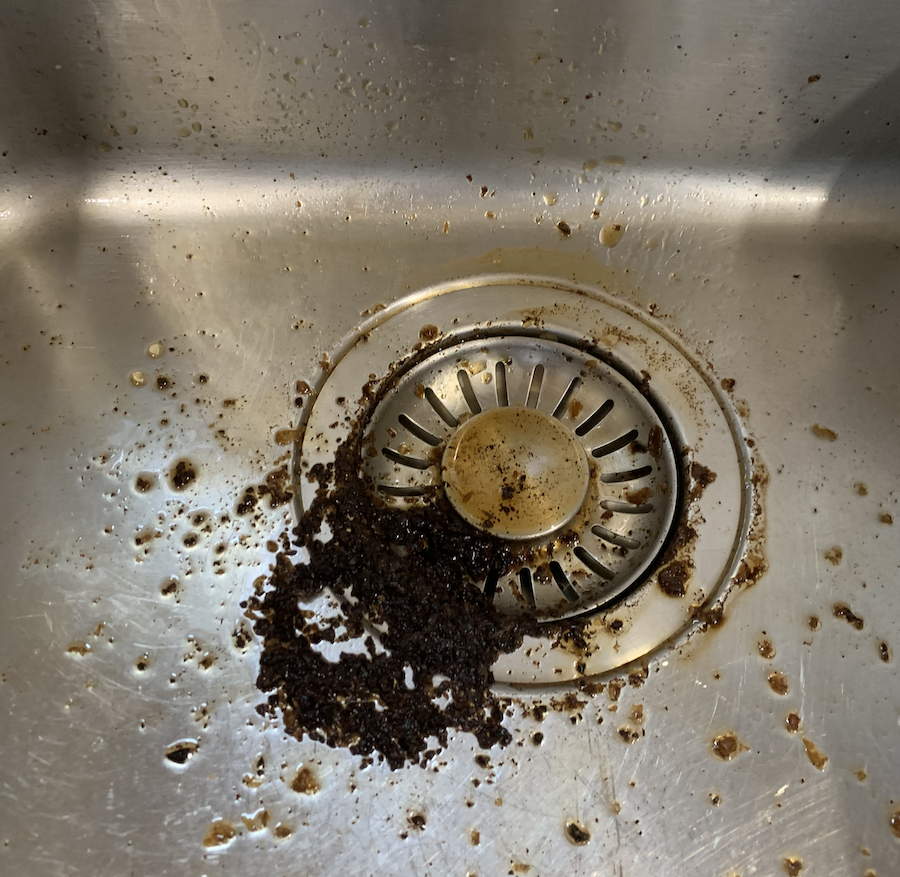
- Visible coffee grounds: You may see dark, grainy residue around the drain or in standing water.
First Steps: Safety And Preparation
Before you start unclogging, get your tools and workspace ready. This makes the process faster, cleaner, and safer.
- Turn off the water: Do not run water down the sink until the clog is removed.
- Clear the area: Move dishes, soap, and other items away from the sink.
- Wear gloves: Coffee sludge is messy and can stain your hands.
- Have a bucket and towels nearby: You might need to catch dirty water or coffee sludge.
Methods To Unclog A Sink Clogged With Coffee Grounds
There are several ways to unclog a sink, from simple home remedies to using basic tools. Start with the safest and easiest method. If one approach doesn’t work, move to the next.
1. Remove Visible Coffee Grounds
Use a spoon or small cup to scoop out any coffee grounds you can see in the drain. Sometimes, removing surface debris helps water flow and makes other methods more effective.
2. Flush With Boiling Water
Boiling water can help break up the blockage, especially if the clog is fresh.
Steps:
- Boil a kettle of water (about 2 quarts).
- Carefully pour the boiling water directly into the drain in stages.
- Wait a few minutes. If the water drains, repeat once more.
Tip: Don’t use this method if you have PVC pipes that may crack from extreme heat. Most modern pipes are fine, but check if your home has old plumbing.
3. Baking Soda And Vinegar Solution
This natural cleaning combo is safe for pipes and often works for coffee ground clogs.
Steps:
- Pour 1 cup of baking soda into the drain.
- Add 1 cup of white vinegar. You’ll hear fizzing as they react.
- Wait 15-20 minutes.
- Pour hot (not boiling) water to flush the mixture down.
Why it works: Baking soda and vinegar create a fizzy reaction that loosens debris and pushes clogs along.
4. Plunger Method
A sink plunger can create pressure that dislodges the clog.
Steps:
- Place the plunger over the drain and fill the sink with enough water to cover the rubber cup.
- Pump up and down quickly 10-15 times.
- Remove the plunger and check if the water drains.
Extra tip: If you have a double sink, block the other drain with a wet cloth to keep the pressure focused.
5. Manual Removal: Clean The P-trap
If the above steps fail, the clog is likely stuck in the P-trap (the U-shaped pipe under your sink). Cleaning it is not difficult if you follow the steps.
Steps:
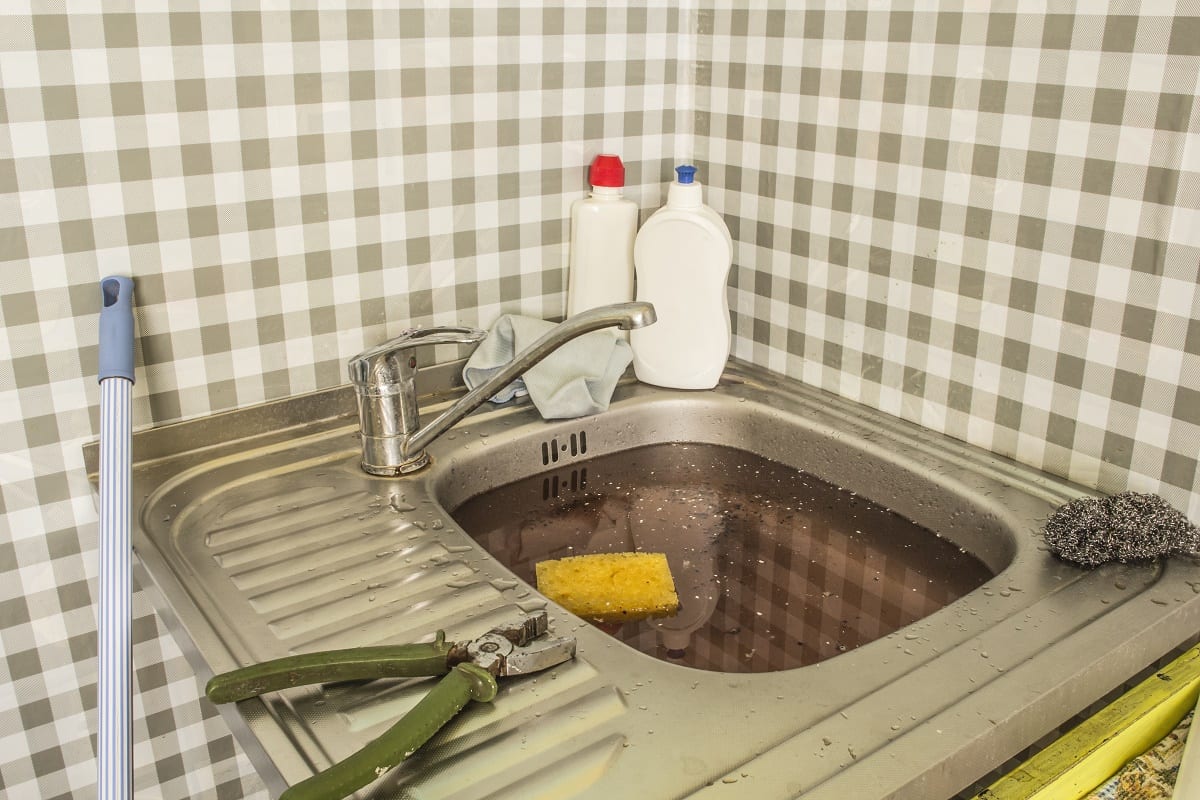
- Place a bucket under the P-trap to catch water and debris.
- Use adjustable pliers to loosen the slip nuts at both ends of the trap.
- Remove the P-trap and empty its contents into the bucket.
- Wash the trap with hot water to remove any stuck coffee grounds.
- Reattach the P-trap, tightening the nuts securely.
Pro insight: The P-trap is where most coffee ground clogs collect. Cleaning it manually is often the fastest solution.
6. Use A Drain Snake Or Auger
A drain snake (also called a plumber’s auger) is a flexible tool that reaches deep into pipes.
Steps:
- Insert the snake into the drain and push it through the pipe until you feel resistance.
- Rotate and push gently to break through the clog.
- Pull the snake out, cleaning off any debris.
- Flush with water to see if the blockage is gone.
Common mistake: Don’t force the snake if it gets stuck. Back out, adjust the angle, and try again to avoid damaging pipes.
7. Enzyme Cleaners
If you prefer a chemical-free approach but need more power than baking soda and vinegar, enzyme-based cleaners can help. These products use natural bacteria to eat away organic clogs.
Steps:
- Pour the recommended amount into the drain (follow label instructions).
- Wait the required time, usually overnight.
- Flush with hot water.
Note: Enzyme cleaners are safe for pipes and septic systems, but work slower than other methods.
8. Chemical Drain Cleaners
These are usually a last resort. Chemical drain cleaners contain strong ingredients that dissolve clogs quickly, but they can damage pipes and are hazardous if misused.
Steps:
- Pour the cleaner slowly into the drain.
- Wait as directed by the manufacturer (usually 15-30 minutes).
- Flush with plenty of water.
Warning: Use gloves and open a window for ventilation. Never mix chemical cleaners with other products.
9. Wet/dry Vacuum
A wet/dry shop vacuum can suck out stubborn clogs if you have one.
Steps:
- Set the vacuum for wet use.
- Place the hose over the drain, sealing gaps with a wet rag.
- Turn on the vacuum for 10-20 seconds.
- Check the canister for coffee grounds and debris.
Practical tip: This method works best for shallow clogs near the drain opening.
Comparing Unclogging Methods: Effectiveness And Safety
To help you pick the right method, here’s a comparison of popular sink unclogging methods for coffee grounds:
| Method | Effectiveness | Pipe Safety | Skill Level |
|---|---|---|---|
| Boiling Water | Medium | Safe (except old PVC) | Beginner |
| Baking Soda & Vinegar | Medium | Very Safe | Beginner |
| Plunger | High | Very Safe | Beginner |
| P-Trap Removal | Very High | Safe if careful | Intermediate |
| Drain Snake | Very High | Safe if gentle | Intermediate |
| Enzyme Cleaners | Medium | Very Safe | Beginner |
| Chemical Cleaners | High | Risky | Beginner |
| Wet/Dry Vacuum | Medium | Safe | Intermediate |
Practical Tips For Stubborn Clogs
Sometimes, a coffee ground clog just won’t budge. Here are extra tips for these tough situations:
- Alternate methods: Try more than one method in sequence. For example, use baking soda and vinegar, then the plunger.
- Let solutions sit longer: If using an enzyme or baking soda mix, give it more time to work.
- Check other drains: If your kitchen has more than one sink, a clog may affect both. Clear both P-traps if needed.
- Repeat manual cleaning: Sometimes, you need to clean the P-trap and use a drain snake to get all the debris.
How To Prevent Coffee Ground Clogs In The Future
Prevention is the easiest way to avoid the frustration and mess of a clogged sink. Here’s how you can stop coffee grounds from causing problems again:
- Never pour coffee grounds down the sink. Collect used grounds in a compost bin or trash instead.
- Use a drain strainer. This simple tool catches coffee grounds and other debris before they reach your pipes.
- Rinse with lots of water. If a small amount of grounds enter the sink, flush with a strong stream of water immediately.
- Dispose of grounds with other waste. Used coffee grounds can be added to garden soil or used as plant fertilizer.
- Clean your sink regularly. Baking soda and vinegar once a month can keep pipes fresh and clear.
Hidden Dangers: Why Coffee Grounds Are Worse Than Food Scraps
Many people think coffee grounds are harmless. In reality, they’re more likely to cause clogs than soft food scraps. Why? Coffee grounds are small and dense. They don’t break down with water or enzymes as fast as food. Over time, they compact together, creating a solid plug that can block water for weeks or months.
What If Nothing Works? When To Call A Plumber
If you’ve tried every method and your sink is still clogged, it’s time to call a professional. Signs you need expert help include:
- Standing water that won’t drain
- Water backing up into other sinks or tubs
- A clog that returns quickly after being cleared
- Leaking pipes after DIY attempts
A plumber has professional tools like motorized snakes and hydro-jetters. They can remove deep clogs without damaging your plumbing. Waiting too long can result in worse blockages, water damage, or pipe leaks.
Credit: www.reddit.com
How Much Will A Plumber Cost?
Hiring a plumber costs money, but can save you from bigger repairs. Here’s a quick look at average costs in the US:
| Service | Average Cost | Included |
|---|---|---|
| Simple Sink Unclogging | $100 – $200 | Basic snake or plunger, labor |
| P-Trap Cleaning | $125 – $250 | Trap removal, cleaning, reinstallation |
| Deep Drain Cleaning | $250 – $500 | Motorized snake, hydro-jetting, inspection |
Prices vary by location, urgency, and time of day. Many plumbers offer free quotes, so it’s worth calling around.
Environmental Considerations
Pouring coffee grounds down the sink is not just bad for your pipes. It can also affect the local water system. Municipal water treatment plants may struggle to filter out solid waste like coffee grounds, especially in older systems. This can lead to extra costs for cities and a higher environmental footprint.
Composting or throwing grounds in the trash is much more eco-friendly.
Credit: cftproastingco.com.au
Real-life Example: Fixing A Stubborn Clog
Let’s look at a common scenario. Emma, a coffee lover, dumped her morning grounds down the sink every day. One day, her kitchen sink stopped draining. She noticed a bad smell and saw black grit in the standing water. Here’s how she solved it:
- Emma scooped out visible coffee grounds with a spoon.
- She poured boiling water down the drain, but the clog remained.
- Next, she tried baking soda and vinegar, letting it sit for 30 minutes. No luck.
- She used a plunger, and the water drained a little, but the problem returned.
- Emma put on gloves, removed the P-trap, and found a thick plug of coffee sludge.
- After cleaning the trap, she reassembled the pipes. The sink drained perfectly.
Key lesson: Sometimes, clearing the P-trap by hand is the only way to remove a coffee ground clog. Emma now uses a strainer and composts her grounds.
Common Mistakes To Avoid
When dealing with a clogged sink, some actions can make things worse:
- Pouring more water: Forcing water down a blocked drain increases pressure and can lead to leaks.
- Using too much chemical cleaner: Overuse can damage pipes and create toxic fumes.
- Ignoring early signs: If water drains slowly, act before the clog gets worse.
- Forgetting to check the P-trap: Many clogs are right under the sink and easy to reach.
Coffee Grounds Disposal: Best Practices
If you’re a coffee drinker, safe disposal is easy:
- Compost: Used grounds enrich soil and are safe for plants.
- Trash: Throw grounds in the trash if you don’t compost.
- Garden use: Sprinkle grounds on flower beds to add nutrients.
- Odor control: Dry coffee grounds can be used to absorb smells in the fridge or trash can.
Sink Types And Clog Risk: A Quick Comparison
The risk of coffee ground clogs varies by sink and drain type. Here’s how common setups compare:
| Sink Type | Clog Risk | Notes |
|---|---|---|
| Single-bowl Kitchen Sink | High | Most likely to clog if grounds are poured directly in |
| Double-bowl Kitchen Sink | Medium | Shared drain can spread clog, but easier to manage |
| Bathroom Sink | Low | Rarely receives coffee grounds |
| Utility Sink | Medium | Often used for various waste; risk depends on use |
Two Insights Most People Miss
- Coffee grounds can hide in pipe joints and elbows. Even after you clear a surface clog, grounds may remain in the bends of your plumbing. Water pressure or vibration can knock them loose later, causing a repeat clog. Cleaning the entire P-trap and pipes is sometimes necessary.
- Small, repeated dumps are worse than one big dump. Many people think pouring a little coffee each day is safe. In fact, small daily amounts build up over time, slowly forming a thick layer that’s harder to remove than a single large clump.
Useful Resources
For more information about household plumbing safety and maintenance, you can visit the official EPA WaterSense guide.
Credit: www.billhowe.com
Frequently Asked Questions
What Should I Do If My Sink Is Still Clogged After Trying All Methods?
If your sink remains clogged after using boiling water, baking soda and vinegar, a plunger, and manual cleaning, it’s time to call a professional plumber. Persistent clogs may be deep in the pipe or caused by damage that requires specialized tools to fix.
Can Coffee Grounds Damage My Pipes?
Coffee grounds themselves do not corrode pipes, but repeated clogs can increase pressure and cause leaks, especially in old or weakened plumbing. Chemical cleaners can also damage pipes if used too often.
Is It Safe To Use Chemical Drain Cleaners For Coffee Ground Clogs?
Chemical drain cleaners can clear clogs quickly but should be a last resort. They can damage pipes and are hazardous if mixed with other substances. Always follow safety instructions and consider natural methods first.
How Can I Dispose Of Coffee Grounds Safely?
The best way is to compost them or throw them in the trash. You can also use them in your garden or as a deodorizer. Never pour coffee grounds down the sink, even with lots of water.
Will A Garbage Disposal Prevent Coffee Ground Clogs?
No. Garbage disposals do not break down coffee grounds enough to prevent clogs. In fact, they often make clogs worse by pushing compacted grounds further into your pipes.
A clogged sink is stressful, but with the right steps, you can clear coffee grounds safely and keep your kitchen running smoothly. Remember, prevention is easier than repair—so keep those grounds out of your drain, and your pipes will thank you.