
Painting with a sprayer can change the way you finish surfaces—fast, smooth, and professional-looking. But getting those results isn’t just about the sprayer you choose. It starts with the right primer consistency. Most primers are too thick to go straight into a sprayer. If you skip thinning, you’ll likely face clogs, uneven spray, or a finish full of drips and splatters.
Learning how to thin primer for a sprayer is a skill every DIY painter, handyman, or home renovator should master. The process seems simple, but the details matter. Different types of primers, sprayer brands, and even the weather can affect your results.
One mistake can waste paint, ruin your sprayer, or leave you sanding for hours.
In this guide, you’ll learn how to thin primer for a sprayer step by step. You’ll understand how to choose the right thinner, how much to add, and how to test your primer before you spray. Along the way, you’ll get expert tips that even experienced painters sometimes overlook.
Whether you’re working with oil-based, latex, or shellac primers, you’ll find solutions here. Let’s get started on making your next painting project easier and better.
Why Thin Primer For Sprayers?
Primer is designed to stick and seal surfaces. But most primers are made thick to brush or roll on walls. When you put thick primer in a sprayer, you get problems like:
- Clogs in the nozzle or hose
- Splattering on your surface
- Uneven coverage or “orange peel” texture
- Slow spraying speed
- Extra wear on the sprayer’s motor
Sprayers work best with materials that flow smoothly. Thinning primer helps it move through the sprayer and onto your surface in a fine, even mist. This means:
- A smoother finish
- Faster work
- Less wasted primer
- Less stress on your equipment
Some manufacturers even require thinning for their warranty to stay valid. It’s not just about looks—it’s about protecting your investment.
Understanding Primer Types And Their Thinning Needs
Primers come in several main types. Each needs a different approach for thinning. The main categories are:
Oil-based Primer
Oil-based primers are strong and block stains well. They’re often used on wood, metal, and surfaces that need sealing. These primers use solvents like mineral spirits or paint thinner. They’re usually thick and almost always need thinning for sprayers.
Latex (water-based) Primer
Latex primers are popular because they’re easy to clean and smell less. They use water as the main solvent. Some latex primers are thin enough for certain sprayers, but most will still need a bit of thinning.
Shellac-based Primer
Shellac primers are best for blocking odors and heavy stains. They use denatured alcohol as a thinner. Shellac is usually quite thin, but sometimes needs minor thinning for fine spray tips.
Specialty Primers
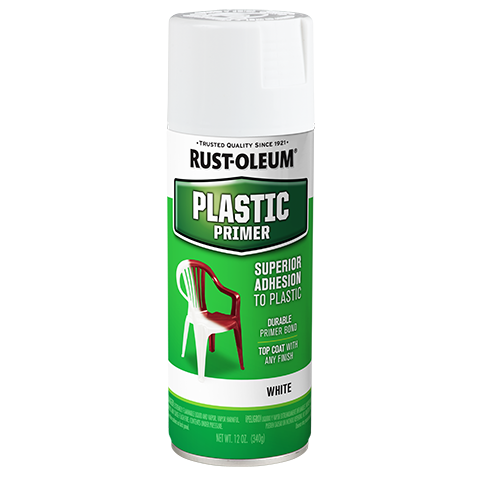
Some primers are made for special jobs, like bonding to plastic, metal, or glossy surfaces. Always read the label, as some specialty primers are already designed for spraying.
Key Insight
Even within these types, brands and formulas vary. One oil-based primer might need 10% thinner, another only 5%. Always check the manufacturer’s instructions.
What You Need Before Thinning Primer
Thinning primer requires a few tools and supplies:
- Primer (right for your surface and sprayer)
- Appropriate thinner (water, mineral spirits, denatured alcohol)
- Measuring cups or containers
- Mixing stick (wood or plastic)
- Strainer or filter (keeps out lumps)
- Clean bucket (for mixing)
- Viscosity cup (optional, for precise testing)
- Protective gear (gloves, goggles, mask)
- Drop cloths (to catch spills)
- Test surface (cardboard or scrap material)
- Sprayer manual (for tip size and recommendations)
Having everything ready prevents mistakes and saves time.
How To Thin Primer For Sprayer: Step-by-step Process
Getting primer to the right consistency is a process, not a guess. Follow these steps for the best results:
1. Read The Manufacturer’s Instructions
Start with the label on your primer can. Some brands give exact thinning ratios (like “add up to 10% water”). Others say, “Do not thin. ” If you’re unsure, check the sprayer’s manual. Some sprayers (like airless models) can handle thicker primer, but HVLP and smaller units need thinner material.
2. Choose The Right Thinner
- For oil-based primers, use mineral spirits or paint thinner.
- For latex primers, use clean water (room temperature).
- For shellac primers, use denatured alcohol.
Never mix thinners. Water and oil do not mix and can ruin your primer.
3. Stir Your Primer Thoroughly
Open the can and stir from the bottom. Primer settles during storage, so mix until it’s a smooth, even color. Lumps or unmixed solids can clog your sprayer.
4. Strain The Primer
Pour the primer through a strainer into your mixing bucket. This catches any dried bits or debris. Even new cans can have small clumps.
5. Measure Out Primer And Thinner
A safe starting point is to thin the primer by 5%–10%. That means:
- For every 1 gallon (128 oz) of primer, add 6–13 oz of thinner.
- For 1 quart (32 oz), add 1.5–3 oz.
Always start with less thinner. You can add more, but you can’t take it out.
6. Mix Slowly And Evenly
Use your mixing stick to blend the primer and thinner. Stir gently to avoid bubbles, scraping the sides and bottom. If you see lumps or separation, stop and check if you used the correct thinner.
7. Test Viscosity (thickness)
There are two ways:
- Simple Drip Test: Dip your mixing stick in. The primer should drip off like heavy cream, not in big clumps.
- Viscosity Cup Test: Fill a viscosity cup with primer, then time how long it takes to empty. Most sprayers need a flow time of 20–30 seconds (check your sprayer manual for exact numbers).
If it’s too thick, add a little more thinner and mix again.
8. Pour And Prime Your Sprayer
Pour the thinned primer into your sprayer’s cup or hopper. Before spraying your real surface, always test on a piece of cardboard or scrap.
9. Adjust Sprayer Settings
Set your spray pattern and pressure according to the sprayer manual. Sometimes, you’ll need to use a larger tip size for thicker primers.
10. Spray A Test Patch
Spray a small area. Look for:
- Smooth, even coverage
- No spitting or clogging
- No runs or drips
If it’s too thin, it will run. If it’s too thick, it won’t spray evenly. Adjust as needed and test again.
11. Clean Up Properly
When you’re finished, clean your sprayer with the correct solvent (water for latex, mineral spirits for oil-based, alcohol for shellac). Don’t let primer dry inside the sprayer.
Common Thinning Ratios For Different Primers
The right thinning ratio depends on the primer type and sprayer. Here’s a quick comparison:
| Primer Type | Typical Thinner | Starting Ratio | Notes |
|---|---|---|---|
| Oil-Based | Mineral Spirits | 5–10% thinner | Test viscosity; may need higher for HVLP |
| Latex | Water | 5–10% water | Some brands need less; too much water weakens primer |
| Shellac | Denatured Alcohol | 5% alcohol | Usually thin enough, but test for fine tips |
| Specialty | Check label | Follow instructions | Some cannot be thinned at all |
Always adjust based on your sprayer’s performance.
How Sprayer Type Affects Thinning
Different sprayers have different power and tip sizes. This changes how much you need to thin your primer.
Airless Sprayers
- Handle thicker primers
- Sometimes no thinning needed
- Use larger tips (0.015”–0.021”)
Hvlp (high Volume, Low Pressure) Sprayers
- Need thinner primer for a fine mist
- Smaller tips (0.009”–0.013”)
- Often require 10% or more thinner
Gravity Feed And Cup Sprayers
- Used for small jobs and furniture
- Require precise thinning, usually more than airless
- Sensitive to lumps and debris
Comparison Of Sprayer Needs
| Sprayer Type | Handles Thick Primer? | Typical Tip Size | Thinning Needed? |
|---|---|---|---|
| Airless | Yes | 0.015”–0.021” | Sometimes |
| HVLP | No | 0.009”–0.013” | Usually |
| Gravity Feed/Cup | No | 0.009”–0.013” | Usually |
If you’re unsure, thin a small amount and test before mixing a whole batch.

Credit: www.youtube.com
Practical Tips For Best Results
Some advice is not in the manuals, but it comes from real-world experience:
- Always Mix Small Batches First: If you over-thin, you waste less.
- Temperature Matters: Cold primer is thicker. Warm your primer to room temperature before thinning.
- Humidity Affects Drying: Thinner primer dries faster in dry air and slower in high humidity.
- Label Your Mix: If you need to stop, write the ratio on the can for next time.
- Clean Equipment Right Away: Dried primer is hard to remove and can ruin your sprayer.
- Don’t Over-Thin: Too much thinner can make primer weak and cause poor adhesion.
- Strain Twice: For older primer, strain again before pouring into the sprayer.
- Check Local Laws: Some places regulate the use of solvents like mineral spirits.
Mistakes To Avoid When Thinning Primer
Even pros make mistakes. Here are some to watch for:
Using The Wrong Thinner
Never use water in oil-based primer, or mineral spirits in latex. It can cause clumping or separation.
Over-thinning
If you add too much thinner, the primer loses its ability to stick and seal. This leads to peeling or poor stain blocking.
Not Testing Consistency
Skipping the test spray can ruin your whole project. Always test before spraying your real surface.
Ignoring Sprayer Maintenance
Thinned primer can still build up inside your sprayer. Clean every part after use to avoid costly repairs.
Forgetting To Stir
Primer settles fast. Always stir again after thinning, and even during use if spraying for a long time.
Thinning Primer For Different Projects
The type of surface and project size can affect how you thin your primer:
Walls And Ceilings
Most wall primers are latex and need only a small amount of water. Airless sprayers may need little to no thinning. For HVLP, thin more, but don’t go past 10%.
Furniture And Cabinets
These usually need a finer finish. Use an HVLP or cup sprayer, and thin to the low end of the viscosity range. Shellac primers are often used on furniture for stain blocking.
Metal Surfaces
Oil-based or specialty primers are common. These are thick, so careful thinning is needed. Over-thinned primer may not protect against rust.
Exteriors
Exterior primers must stand up to weather. Don’t over-thin, as this weakens the protection. Test on a hidden spot first.
Real-world Example: Thinning Zinsser Cover Stain For Hvlp Sprayer
Zinsser Cover Stain is a popular oil-based primer. For HVLP sprayers, users often need to thin it.
Step-by-step:
- Stir the Cover Stain well.
- Strain into a clean bucket.
- Add mineral spirits: Start with 5% (about 6 oz per gallon).
- Mix thoroughly.
- Test with a viscosity cup: Should flow out in 20–30 seconds.
- Spray on a test board.
- Adjust: Add more thinner if needed, up to 10% maximum.
- Spray project, cleaning sprayer often.
This process works for many similar primers, but always check the label.
Credit: www.rustoleum.com
Environmental And Health Considerations
Thinners like mineral spirits and denatured alcohol can be harmful. Always:
- Work in a well-ventilated area
- Wear gloves and a mask
- Store thinners safely, away from heat
- Dispose of leftover primer and thinner according to local laws
Latex primers are safer, but still require caution.
When Not To Thin Primer
Some primers are made ready for spraying. If the label says “do not thin,” follow that advice. Over-thinning can void warranties and ruin performance.
If you’re using a powerful airless sprayer and a large tip, thinning may not be needed. Always test before deciding.

Credit: arayofsunlight.com
Data On Primer Thinning: Does It Affect Performance?
Research shows that over-thinning can lower primer performance:
- Adhesion: Thinner primer may not stick as well
- Stain Blocking: Too much thinner reduces blocking power
- Coverage: You may need extra coats
A study by the Paint Quality Institute found that primers thinned more than 10% often failed standard adhesion tests. It’s better to use as little thinner as possible to get the spray performance you want.
Quick Reference: Do’s And Don’ts
Here’s a summary for easy reference:
| Do | Don’t |
|---|---|
| Read labels and manuals | Guess thinning amounts |
| Use correct thinner | Mix different thinners |
| Test spray before starting | Skip test spraying |
| Mix small batches | Thin entire can at once |
| Clean sprayer after use | Leave primer in sprayer |
Additional Pro Tips For Success
- Keep a logbook: Write down your ratios and results for future projects.
- Change tips when needed: If you switch from thick to thin primer, you may need a different spray tip.
- Don’t rush: Let primer dry fully between coats.
- Temperature check: Try to work between 50–80°F (10–27°C) for best flow and drying.
- Store leftover primer in airtight containers: Label with thinning ratio and date.
Where To Find More Information
For more detailed technical info, you can check the American Coatings Association. They offer research and safety guides for paint and primer use.
Frequently Asked Questions
What Happens If I Use Too Much Thinner In Primer?
If you use too much thinner, the primer becomes weak. It may not stick well or cover stains. The finish can look patchy, and the primer might drip or run. Always add thinner in small amounts and test first.
Can I Thin Primer With Water If I Don’t Have Mineral Spirits?
Only thin latex primers with water. Never use water with oil-based primers—it will not mix and can ruin the primer. For oil-based, always use mineral spirits or paint thinner.
How Do I Know If My Primer Is Thin Enough For My Sprayer?
The best way is to do a test spray on scrap material. The primer should come out in a fine, even mist with no spitting or clogging. You can also use a viscosity cup—most primers should empty in about 20–30 seconds.
Is It Safe To Spray Thinned Primer Indoors?
It’s possible, but make sure the room is well ventilated. Wear a mask and keep windows open. Oil-based and shellac primers have strong fumes and should be used with caution indoors.
Will Thinning Primer Affect Its Stain-blocking Ability?
A small amount of thinning (up to 10%) usually does not affect performance. But if you over-thin, the primer may not block stains or odors as well. Always use the minimum amount of thinner needed for your sprayer.
Mastering how to thin primer for a sprayer takes patience, the right tools, and careful testing. With these steps and insights, you can achieve a smooth, even finish and get the most from your paint job. Remember, every brand and project is a bit different—so practice, test, and adjust as you go.
Your surfaces (and your sprayer) will thank you.