
Sealing a clay cooking pot is a crucial step for anyone who wants to enjoy delicious, healthy meals made in traditional cookware. Clay pots are popular in many cultures because they add a unique flavor and texture to food. However, without proper sealing, clay pots can crack, absorb unwanted odors, and even leak. This guide will teach you every step to seal a clay cooking pot, so your pot lasts longer and cooks food perfectly.
Many people buy clay pots and start using them right away, but they often overlook the importance of seasoning and sealing. These steps help the pot handle high heat, prevent cracking, and keep food from sticking. By following this guide, you will learn not just how to seal your pot but also how to take care of it for years.
You will discover common mistakes, practical tips, and even some traditional methods used around the world. Whether you are new to clay cookware or want to improve your results, this article covers everything you need to know about sealing a clay cooking pot.
Why Sealing A Clay Cooking Pot Matters
Clay pots are made from porous materials. This means they have tiny holes that can absorb water, oil, and even food flavors. If you do not seal your pot, it can:
- Leak liquids during cooking
- Crack when exposed to sudden changes in temperature
- Absorb odors and flavors from previous dishes
- Grow bacteria if not dried properly
Sealing creates a protective layer that fills the pores of the clay. This helps make the pot more durable and safe for cooking. Seasoning also improves the taste of food by preventing a raw, earthy flavor from affecting your meals.
Choosing The Right Clay Pot
Before you start sealing, make sure you have the right type of clay pot. Not all clay pots are created equal. Some are for decoration only and not safe for cooking. Others are glazed, which means they have a shiny, glass-like coating inside and do not need sealing.
When choosing a pot:
- Look for unglazed clay pots meant for cooking
- Avoid pots with cracks or chips
- Check if the pot is handmade or machine-made (handmade pots often have a more natural finish)
- Choose a size that fits your stove or oven
Many traditional clay pots are made in countries like India, Morocco, and Mexico. Each culture has its own designs, but the basic principles of sealing and care are the same.
Materials Needed For Sealing A Clay Pot
Before you begin, gather the following items:
- Clay cooking pot (unglazed and clean)
- Water
- Starch or flour (rice, wheat, or corn flour)
- Cooking oil (vegetable, sunflower, or olive oil)
- Soft cloth or brush
- Large basin or sink
- Baking tray (if using an oven)
- Mild dish soap (for initial cleaning)
- Towel (for drying)
Having everything ready makes the process smoother and helps prevent mistakes.
Step-by-step Guide: How To Seal A Clay Cooking Pot
Sealing a clay pot is usually done in three main steps: soaking, seasoning, and baking. Each step is important for creating a strong, non-stick surface.
1. Initial Cleaning
Even if your pot looks clean, wash it before sealing. Clay pots can have dust or small particles from the factory.
- Rinse the pot with warm water.
- Use a soft sponge and a little mild dish soap if needed.
- Do not use harsh chemicals or scrubbers.
- Rinse thoroughly to remove all soap.
- Let the pot air dry for a few minutes.
2. Soaking The Pot
Soaking fills the pores of the clay with water. This prevents the pot from absorbing too much oil or food later.
- Fill a large basin or sink with clean, cool water.
- Submerge the entire pot and lid in the water.
- Let it soak for at least 8 to 12 hours. Overnight soaking is best.
- If the pot floats, place a heavy plate on top to keep it underwater.
Never skip this step. If the pot is not fully soaked, it can crack when exposed to heat.
3. Drying After Soaking
After soaking, remove the pot and let it drain.
- Place the pot upside down on a towel.
- Air dry for about 30-60 minutes.
- Do not dry in the sun or with direct heat (this can cause cracks).
The pot should still feel damp but not dripping wet.
4. Applying A Starch Paste
A paste made from rice flour or other starches fills the pores even more and creates a natural seal.
- Mix 2 tablespoons of rice flour (or wheat/corn flour) with enough water to make a thick paste.
- Spread the paste inside the pot and lid using your fingers, a brush, or a soft cloth.
- Cover all surfaces evenly.
Let the paste sit for 1-2 hours. This step is traditional in many cultures because starch acts as a natural filler.
5. Rinsing Off The Paste
After the paste has dried a bit, rinse it out with water.
- Use lukewarm water to gently wash out the paste.
- Do not use soap or scrub too hard.
- Make sure no paste remains, as it can burn during cooking.
The pot now has a smoother, sealed surface.
6. Oiling The Pot
Oiling adds another layer of protection and helps make the pot non-stick.
- Pour 1-2 tablespoons of cooking oil into the pot.
- Use a cloth or paper towel to spread oil over the inside and outside surfaces.
- Coat the lid as well.
Let the pot sit for at least 30 minutes to absorb the oil.
7. Baking The Pot (optional But Recommended)
Some methods finish by baking the pot. This step hardens the oil layer and gives extra strength.
- Place the pot (and lid) in a cold oven.
- Set the oven to 350°F (175°C).
- Bake for 1-2 hours.
- Turn off the oven and let the pot cool inside to room temperature.
Baking is not always necessary, but it creates a more durable seal.
8. Final Rinse And Dry
After cooling, give the pot a final rinse with water (no soap). Dry thoroughly with a towel or let air dry completely.
Your clay cooking pot is now sealed and ready for use.

Credit: lolomercadito.com
Traditional Methods Of Sealing Clay Pots
Different cultures have their own ways to season and seal clay pots. Here are some traditional approaches:
Indian Method
In India, new clay pots (locally called “handi” or “matka”) are usually soaked, then coated with rice starch and sometimes a little turmeric. The pot is then slowly heated with water inside, sometimes with a handful of rice, to absorb any remaining clay taste.
Moroccan Method
Moroccan tagines are soaked and then rubbed with olive oil. The pot is placed over low heat with water and oil inside, slowly brought to a boil, then cooled and washed.
Mexican Method
Mexican cazuelas are often sealed with a mixture of lime and water, then heated with milk or rice water to create a protective layer.
These methods all focus on filling pores, preventing cracking, and removing the earthy clay taste.
Common Mistakes To Avoid
Many beginners make simple mistakes when sealing clay pots. Here are some to watch out for:
- Skipping soaking: This often leads to cracks when the pot is first heated.
- Using soap after sealing: Soap can be absorbed and affect the taste of food.
- Applying oil to a wet pot: Oil and water do not mix; the oil will not absorb well.
- Using high heat too quickly: Clay pots need gradual heating, or they can break.
- Not drying completely: Storing a damp pot can lead to mold or odors.
Always follow each step with patience for the best results.
How Sealing Improves Cooking
Sealed clay pots cook food differently than metal or glass cookware. Here’s how:
- Even heat distribution: Clay absorbs and spreads heat slowly, making food tender.
- Moisture retention: A sealed pot keeps juices inside, so food stays moist.
- Flavor enhancement: The natural minerals in clay can add a unique taste to dishes.
A properly sealed pot also prevents food from sticking or burning, especially during long, slow cooking.
Comparing Sealed Vs. Unsealed Clay Pots
Here’s a clear look at what changes after sealing your pot.
| Feature | Sealed Pot | Unsealed Pot |
|---|---|---|
| Absorbs Flavors | No | Yes |
| Chance of Cracking | Low | High |
| Odor Retention | Minimal | High |
| Leakage | Rare | Common |
| Cooking Performance | Excellent | Inconsistent |
As you can see, sealing makes a big difference in how your pot performs.
How Often Should You Reseal A Clay Pot?
Sealing is not a one-time process. Over time, the protective layer wears off, especially if you wash the pot often or use it for very acidic foods. Signs you need to reseal include:
- Food starts to stick or burn
- Pot develops a strong odor
- Water leaks through the pot
Most home cooks reseal their pots every 6-12 months or after cooking several strong-flavored dishes. If you use the pot daily, check it more often.
Cleaning And Maintaining Your Sealed Clay Pot
Taking care of a sealed clay pot is different from other cookware. Here’s how to keep it in top shape:
Washing
- Use only warm water and a soft sponge.
- Avoid soap, as clay absorbs it easily.
- For tough stains, use a paste of baking soda and water.
Drying
- Dry the pot thoroughly after each use.
- Store in a dry, airy place.
- Do not cover with a lid when storing; let air circulate.
Dealing With Odors
If your pot develops a smell, fill it with water and a few tablespoons of vinegar. Let it soak for a few hours, rinse, and dry.
Repairing Small Cracks
For minor cracks, rub the area with a little oil and bake the pot as in the sealing process. Deep cracks are usually not repairable.

Credit: www.rotinrice.com
Table: Comparison Of Oils For Sealing
Which oil works best for sealing? Here’s a quick look at common options.
| Oil Type | Smoke Point | Flavor Impact | Availability |
|---|---|---|---|
| Vegetable Oil | 400°F (204°C) | Neutral | High |
| Sunflower Oil | 440°F (227°C) | Neutral | Medium |
| Olive Oil | 375°F (190°C) | Mild | High |
| Peanut Oil | 450°F (232°C) | Neutral | Medium |
Vegetable and sunflower oils are most popular because they are neutral in taste and easy to find.
Practical Tips For Clay Pot Cooking
Once sealed, your clay pot will last for years if you follow these tips:
- Always start with a cold pot on a low flame; increase heat slowly.
- Never add cold liquids to a hot pot (this causes cracks).
- Avoid using the pot for deep frying.
- Do not use in a microwave.
- Allow the pot to cool before washing.
Many cooks overlook the importance of slow heating. Rushing the process is a common mistake that leads to broken pots.
Health Benefits Of Cooking In Sealed Clay Pots
Clay pots are more than just traditional cookware—they can also be better for your health:
- No harmful chemicals: Unlike some non-stick pans, unglazed clay pots do not release toxins.
- Mineral enrichment: Clay can add minerals like calcium, iron, and magnesium to food.
- Less oil needed: The non-stick surface means you can use less oil for cooking.
A well-sealed pot enhances these health benefits by preventing contamination and making the pot easier to clean.
Environmental Impact Of Clay Pots
Cooking with clay pots is also good for the environment:
- Made from natural materials (clay and water)
- Fully biodegradable if broken
- Less energy used for manufacturing compared to metal pots
Sealing your pot extends its life, reducing waste and the need for replacements.
When To Avoid Sealing Or Using A Clay Pot
While clay pots are excellent for many types of cooking, there are times when you should not use or seal a pot:
- If the pot is glazed inside, sealing is not necessary (the glaze acts as a seal).
- Do not use broken or deeply cracked pots.
- Avoid cooking very acidic foods (like tomato sauces) until the pot is well seasoned.
- Do not use a decorative pot for cooking; these are not food-safe.
Always read the manufacturer’s instructions to see if your pot needs sealing.
Table: Differences Between Clay Pot Types
Understand which pot you own for best results.
| Pot Type | Glazed or Unglazed | Needs Sealing? | Common Uses |
|---|---|---|---|
| Indian Handi | Unglazed | Yes | Curries, Rice |
| Moroccan Tagine | Unglazed/Glazed | Usually Yes | Stews, Tagines |
| Mexican Cazuela | Glazed | No | Beans, Stews |
| Chinese Claypot | Unglazed | Yes | Rice, Soups |
If you are unsure, consult the seller or check for a label.
Non-obvious Insights Most Beginners Miss
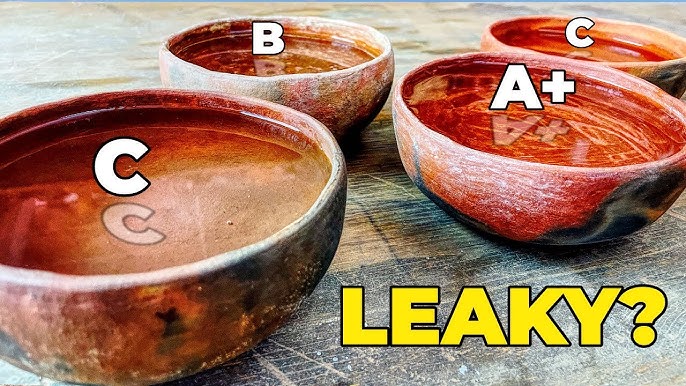
- Water test after sealing: After your sealing process, fill the pot with water and let it sit for 30 minutes. If the outside stays dry, your seal is good. If you see damp patches, reseal those spots.
- Rest period after sealing: Give your pot 24 hours after sealing before the first use. This lets all layers (water, starch, oil) settle and bond with the clay, reducing the risk of cracks.
- Avoid strong-smelling oils: Oils like coconut or sesame can leave a lasting aroma. Stick to neutral oils for sealing to keep flavors pure.
- Season with food: For the first 2-3 uses, cook mild recipes like rice or porridge. This continues to build a natural non-stick layer.
- Never seal a hot pot: Always let the pot cool completely before starting the sealing process, as sudden temperature changes can cause invisible micro-cracks.
Frequently Asked Questions
How Do I Know If My Clay Pot Needs Sealing?
If your pot is unglazed and new, it almost always needs sealing. You can test by adding water—if the outside gets damp quickly, it is unsealed. Glazed pots usually do not need sealing.
Can I Use Coconut Oil Or Ghee For Sealing?
It’s better to use neutral oils like vegetable or sunflower oil. Coconut oil and ghee can leave strong flavors and may not create as durable a seal.
How Long Does The Sealing Process Take?
From start to finish, sealing a clay pot takes about 12 to 24 hours (including soaking, drying, and baking/cooling time). Plan ahead, as rushing can lead to cracks.
What Foods Should I Avoid In A Newly Sealed Pot?
Avoid very acidic foods (like tomato sauce or vinegar-based recipes) for the first few uses. Start with rice, grains, or vegetables to build the seasoning layer.
Is Sealing Needed For Every Type Of Clay Cookware?
No. Glazed clay pots and many decorative pots do not need sealing. Always check if your pot is food-safe and unglazed before sealing.
Sealing your clay cooking pot is a process that requires time and care, but the results are worth it. With a properly sealed pot, you will enjoy flavorful, healthy meals and cookware that can last for generations. For more on the science and cultural history of clay cookware, you can visit Wikipedia.
Take your time, follow each step, and soon you’ll be cooking delicious dishes with confidence and tradition.
Credit: www.youtube.com