
Restoring a veneer table can transform a tired, scratched, or outdated piece into the highlight of your dining room or office. Veneer furniture, often admired for its elegant wood patterns and affordability, sometimes gets overlooked when damaged. Many people believe that once veneer chips, bubbles, or stains, the table is beyond saving.
This isn’t true. With the right approach, tools, and patience, you can restore a veneer table to its former glory—even if you’re not a professional.
This guide will walk you through every step, from understanding what veneer is to the final polish. You’ll discover smart tips, learn how to avoid common mistakes, and get advice that even some experienced restorers might miss. Whether your veneer table is a family heirloom or a thrift store find, this article will give you the confidence and knowledge to bring it back to life.
Understanding Veneer Tables
Before you start, it’s important to know what a veneer table is. Veneer is a thin slice of real wood—often less than 1/8 inch thick—glued onto a base material, usually MDF, particleboard, or a cheaper hardwood. The veneer gives you the look and feel of expensive wood without the cost.
Why Veneer Gets Damaged
Veneer is both beautiful and delicate. Over time, tables can suffer from:
- Scratches and scuffs from dishes, keys, or cleaning tools.
- Water stains caused by spills or condensation from cups.
- Peeling or bubbling due to moisture, heat, or poor gluing.
- Chips or missing pieces from knocks and impacts.
Understanding these problems helps you choose the best restoration methods.
Tools And Materials You’ll Need
Restoring a veneer table doesn’t require a professional workshop, but you do need some basic supplies. Here’s a checklist:
- Putty knife
- Fine-grit sandpaper (220–320 grit)
- Medium-grit sandpaper (120–180 grit, if needed)
- Wood glue or veneer adhesive
- Clamps (or heavy books as a substitute)
- Wax paper or plastic wrap
- Wood filler (for chips and gouges)
- Stain or touch-up markers (matching the original color)
- Clear finish (polyurethane, lacquer, or shellac)
- Clean cloths and rags
- Mild soap and water
- Vacuum cleaner with brush attachment
- Mineral spirits (optional, for cleaning grease)
- Iron (for bubble repair)
- Painter’s tape
You might also want a small artist’s brush for detailed work and a syringe for injecting glue under lifting veneer.
Step 1: Assess The Condition
Start by closely inspecting your table. This step seems simple, but it’s critical. Look for:
- Areas where the veneer is loose or lifting
- Bubbles under the surface
- Chipped edges or missing veneer
- Deep scratches or gouges
- Water rings or stains
- Signs of mold or mildew
Make notes or take photos. This will help you plan repairs, buy matching stain, and estimate how much time you’ll need.
Pro Tip
Many beginners skip the close inspection and start sanding right away. This can make damage worse, especially if veneer is loose. Always repair loose areas first, before any sanding.
Step 2: Clean The Table Thoroughly
Dirt, oil, and old wax can hide damage and make repairs harder. Cleaning is more than cosmetic—it ensures glues and finishes stick properly.
- Mix a small amount of mild dish soap with warm water.
- Dampen a soft cloth (never soak it) and wipe the surface.
- For sticky or greasy areas, use a cloth dampened with mineral spirits. Test first in an inconspicuous spot.
- Dry immediately with a clean, soft towel.
Avoid soaking the veneer. Excess water can cause swelling or bubbling.
Hidden Insight
Vacuum the table’s seams and edges with a brush attachment. Dust in cracks can interfere with repairs and finishes.
Step 3: Repair Loose Or Bubbling Veneer
Loose or bubbling veneer is common, especially on old tables. Here’s how to fix it:
Gluing Down Loose Veneer
- Gently lift the loose area with a putty knife. Don’t force it if it’s stuck.
- Inject wood glue under the veneer using a syringe or spread it with the knife.
- Press the veneer down. Place wax paper over the area.
- Clamp firmly, or use heavy books if clamps aren’t available.
- Leave overnight for best results.
Fixing Bubbles
Bubbles form when air gets trapped under veneer. To fix:
- Place a piece of paper over the bubble.
- Heat an iron (no steam) to medium.
- Press the iron on the bubble for 10–20 seconds. The heat softens the glue.
- Immediately press down with a heavy object until cool.
If the bubble remains, use a sharp utility knife to slit the bubble, inject glue, then clamp as above.
Advanced Tip
For stubborn bubbles, use a syringe to inject glue directly into the bubble through a tiny hole. This is less visible than a long cut.
Step 4: Patch Missing Or Chipped Veneer
If small pieces are missing, you have two options: fill or patch.
Filling Small Chips
For chips smaller than a dime:
- Use wood filler in a color close to the veneer.
- Apply with a putty knife, pressing into the damage.
- Let dry, then sand smooth with fine-grit sandpaper.
- Stain to match, if needed.
Patching Large Areas
For larger missing sections:
- Cut a piece of matching veneer (available at hardware stores).
- Trim the patch slightly larger than the hole.
- Lay it over the damaged area and score around it with a utility knife.
- Remove the old veneer inside the lines.
- Spread glue on the patch and the substrate.
- Press in place, cover with wax paper, and clamp overnight.
- Once dry, sand edges flush.
Matching the grain and color can be tricky. Take your time to align the patch with the existing pattern.
Smart Solution
If you can’t find a perfect match, patch a less visible spot (like the back edge) and use a piece from there for the repair. This ensures the grain and color are identical.
Step 5: Sanding The Veneer
Sanding prepares the surface for finishing. Veneer is thin, so go slowly.
- Always sand by hand with fine-grit sandpaper (220–320).
- Sand in the direction of the wood grain.
- Avoid electric sanders—they can quickly sand through the veneer.
- Stop frequently to check your progress.
- If you reach the substrate (the layer under the veneer), stop immediately.
Sanding removes old finish, small scratches, and smooths filler or patches.
Common Mistake
Applying too much pressure or sanding with coarse grit will easily wear through veneer. Gentle, even strokes are best.
Step 6: Staining And Color Matching
Staining is optional. If your veneer color is good, you can move to the finish. If you want to change or refresh the color:
- Choose a gel stain or oil-based stain for better control.
- Test the stain on a hidden area or scrap piece first.
- Use a clean cloth to apply the stain in thin layers.
- Wipe off excess and allow to dry.
- Repeat if a darker color is needed.
Color matching can be difficult. If the patched area is lighter or darker, use touch-up markers or blend different stains.
Extra Advice
Mixing a small amount of stain with clear finish can help blend patches. Apply with a small brush for precision.
Credit: flowyline.com
Step 7: Applying A Clear Finish
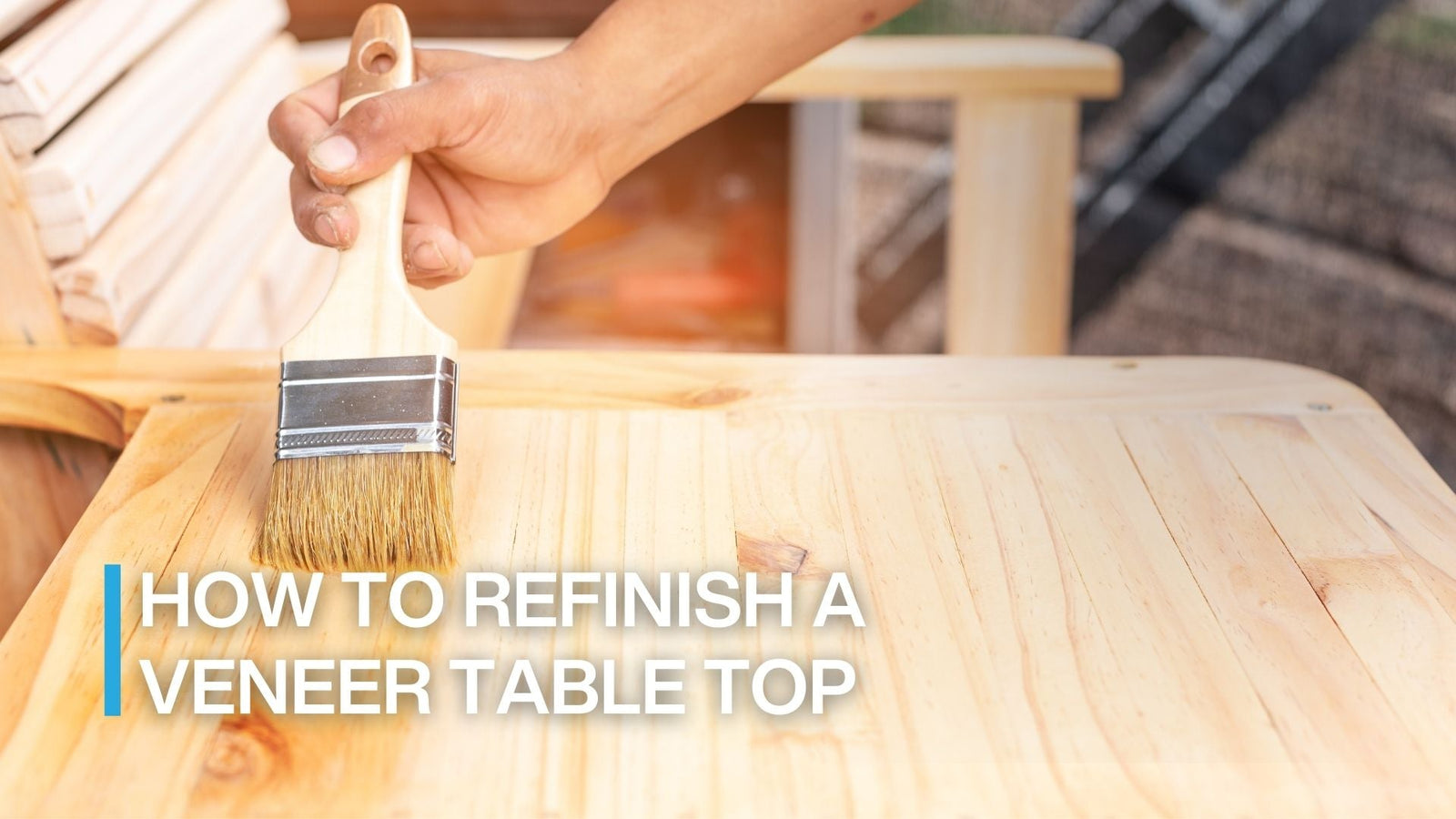
The finish protects your work and gives the table its final look. Common choices are polyurethane, lacquer, or shellac.
- Clean the table of all dust with a tack cloth.
- Apply the finish with a brush or foam applicator, following the wood grain.
- Allow to dry completely (follow manufacturer’s time).
- Lightly sand between coats with very fine sandpaper (320–400 grit).
- Apply 2–3 coats for best durability.
Comparison Of Common Veneer Finishes
Below is a comparison to help you choose the right finish:
| Finish Type | Durability | Sheen Options | Ease of Application | Water Resistance |
|---|---|---|---|---|
| Polyurethane | High | Gloss, Semi-gloss, Satin | Moderate | Excellent |
| Lacquer | Medium-High | Gloss, Satin | Fast-drying, needs skill | Good |
| Shellac | Medium | Glossy | Easy | Low |
Choose polyurethane for kitchen or dining tables, as it gives strong water resistance.
Step 8: Final Touch-ups And Polishing
Once the finish is dry, inspect your table in good light. Look for:
- Missed spots or uneven sheen
- Small chips or cracks that need touch-up
- Streaks or brush marks
Polish the surface with a clean, soft cloth. You can apply a small amount of paste wax for extra shine and protection (optional).
Secret Tip
Rub very fine steel wool (0000 grade) between finish coats for a glass-smooth surface. Always wipe away dust after.
Step 9: Protecting Your Restored Table
Restoration is only half the job. Keeping your table looking great matters too.
- Use coasters and placemats to prevent water rings.
- Wipe spills immediately.
- Avoid direct sunlight to reduce fading.
- Clean with a soft, damp cloth only—never abrasive cleaners.
- Add felt pads to the bottom of objects placed on the table.
Advanced Repairs: When To Call A Professional
Some veneer tables have severe problems that require expert help:
- Large sections of missing veneer
- Deep structural cracks
- Mold, mildew, or rot in the substrate
- Antique tables with high value
Trying to fix these yourself can cause more harm than good. For valuable or rare pieces, professional restoration preserves both the look and value.

Credit: www.reddit.com
Common Myths About Veneer Tables
Many people believe myths that stop them from restoring veneer furniture:
- Myth: Veneer can’t be repaired.
- Fact: Most damage is repairable, especially with modern glues and fillers.
- Myth: You must sand down to bare wood.
- Fact: Veneer is too thin—gentle sanding is enough.
- Myth: Only professionals can match stains and finishes.
- Fact: With patience and sample testing, DIYers can achieve great results.
Believing these myths often leads to unnecessary disposal of quality furniture.
Real-life Example: Transforming A Damaged Veneer Table
Let’s look at a true story. Jane found a mid-century modern veneer table at a garage sale. The surface had water stains, chipped edges, and a few lifted areas. She nearly walked away, thinking it was a lost cause.
After researching, Jane took these steps:
- Cleaned the table carefully.
- Glued and clamped lifted veneer.
- Patched chips with matching veneer from a hardware store.
- Sanded lightly to smooth the finish.
- Matched stain using small test areas, blending with a marker.
- Applied three coats of satin polyurethane.
The result? The table looked almost new, and Jane now had a stylish centerpiece—at a fraction of the price of buying new.
Quick Reference: Step-by-step Summary
Here’s a handy overview for restoring a veneer table:
- Assess all damage before starting.
- Clean thoroughly with mild soap and water.
- Repair loose or bubbling veneer with glue and clamps.
- Patch missing areas with wood filler or matching veneer.
- Sand lightly and carefully by hand.
- Stain if needed, testing color first.
- Finish with two or more coats of a clear sealer.
- Polish and inspect for final touch-ups.
- Protect your table with good habits.
Veneer Table Restoration Vs. Solid Wood Restoration
Restoring veneer and solid wood tables is not the same. Here’s a comparison:
| Aspect | Veneer Table | Solid Wood Table |
|---|---|---|
| Repair Difficulty | Requires care, thin surface | More forgiving, can sand deeper |
| Finishing Options | Limited by thin veneer | Many options, can refinish often |
| Durability | Good if protected | Excellent, can last generations |
| Cost | Lower | Higher |
Knowing the difference helps you avoid common mistakes, like over-sanding veneer.

Credit: www.youtube.com
What Beginners Often Miss
Even with good instructions, many first-timers overlook these details:
- Skipping glue cleanup: Glue that squeezes out during repairs can prevent stains and finishes from sticking. Always wipe away excess glue while it’s still wet.
- Using too much water: Veneer absorbs water quickly. Always use a damp—not wet—cloth for cleaning and never leave standing water.
Paying attention to these points can mean the difference between a flawless restoration and one with visible flaws.
Essential Safety And Environmental Tips
Restoration work can expose you to dust, fumes, and chemicals.
- Wear a dust mask when sanding.
- Work in a well-ventilated area—open windows or use a fan.
- Dispose of old finishes, rags, and solvents according to local regulations.
- Keep tools and chemicals away from children and pets.
For more information on safe furniture restoration, see this EPA guide.
Frequently Asked Questions
How Can I Tell If My Table Is Real Wood Or Veneer?
Look at the edges of the table. Veneer tables usually have a thin layer of wood on top of a different material (like MDF or particleboard). If the wood grain wraps around corners perfectly, it’s likely veneer. You can also check the underside—if it looks different from the top, it’s probably veneer.
What If My Table Has Deep Scratches?
Deep scratches can be filled with wood filler matched to the color of your veneer. After filling and drying, sand lightly and stain to blend the repair. For best results, use a fine brush or marker for color matching.
Can I Paint A Veneer Table Instead Of Staining?
Yes, you can paint veneer. Clean and lightly sand the surface first, then use a high-quality primer designed for wood. After priming, paint with your chosen color. Finish with a clear topcoat for durability.
How Do I Fix A White Water Ring On My Veneer Table?
White water rings are often moisture trapped in the finish, not the wood. Try rubbing with a mixture of baking soda and water (a mild paste). If that fails, use a small amount of toothpaste (not gel) on a soft cloth. Rub gently, then wipe clean and polish.
Is Restoring Veneer Furniture Worth The Effort?
Absolutely. Restoring veneer tables is cost-effective and environmentally friendly. You can save money, learn valuable skills, and enjoy a unique piece of furniture. Many restored veneer tables have strong resale value, especially with quality materials and finishes.
Bringing a veneer table back to life is a satisfying project. With patience and care, you can enjoy a beautiful, functional piece for years to come.