
If you have engineered wood floors, you know they look beautiful and give your home a modern, warm feel. But even with careful use, scuff marks can appear. Maybe someone walked in with shoes, a chair slid across the room, or your pet played a little too hard. These marks are annoying and can make your floor look old before its time. The good news is, you don’t need to call a professional every time you see a scuff. With the right method, you can remove scuff marks and keep your engineered wood floors looking their best.
In this guide, you’ll learn why scuff marks happen, how to remove them step by step, which products are safe, and how to avoid future marks. You’ll also find expert tips, real-life examples, and smart solutions that most people miss.
Whether you’re new to engineered wood flooring or want to improve your cleaning routine, this article gives you everything you need to know.
Understanding Engineered Wood Floors And Scuff Marks
Engineered wood floors are made of several layers. The top layer is real hardwood, while the layers underneath are plywood or high-density fiberboard. This design makes them more stable than solid hardwood, especially in places with changing humidity.
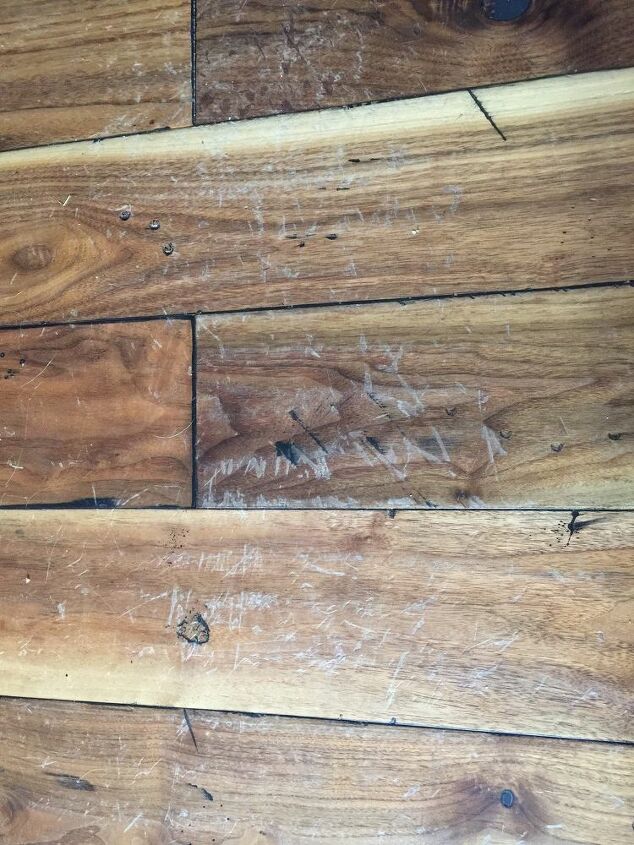
Scuff marks are usually gray or black streaks on the surface. They often happen when rubber soles, furniture legs, or heavy objects rub against the floor. Unlike scratches, scuffs don’t cut into the wood but rest on the finish. This difference is important because removing a scuff is much easier than fixing a deep scratch.
Many people think all wood floors are the same, but engineered wood is special. The protective finish on top is strong, but it can be damaged by harsh cleaners or too much water. That’s why it’s important to use the right methods.
Why Do Scuff Marks Happen?
Knowing the cause helps you prevent scuff marks in the future. Here are some common reasons:
- Shoes with rubber soles: Sneakers, boots, and certain slippers can leave marks, especially if dragged or twisted.
- Furniture movement: Chairs, tables, or sofas without felt pads can scratch or scuff the floor.
- Children’s toys: Hard plastic wheels or rough edges may create streaks.
- Pet claws: While scuffs from claws are less common, playful pets can sometimes leave marks.
- Dirt and debris: Small stones or sand under shoes act like sandpaper, causing both scuffs and scratches.
Most people focus only on cleaning, but prevention is just as important. Using mats at entryways, adding felt pads to furniture, and keeping the floor clean of debris can make a big difference.
Credit: www.hometalk.com
Preparing To Clean: What You Need
Before you start, gather the right supplies. Using the wrong tool can turn a simple scuff into a permanent mark.
Basic Supplies:
- Soft microfiber cloths (not rough towels)
- Mild dish soap (pH-neutral, no harsh chemicals)
- Clean water
- White eraser (art gum or melamine foam, not colored school erasers)
- Baking soda
- Olive oil or mineral oil
- Spray bottle
- Vacuum or soft broom
Optional but helpful:
- Commercial engineered wood floor cleaner (make sure it’s safe for engineered wood)
- Felt pads for furniture
- Old tennis ball (for large scuff marks)
Tip: Avoid steel wool, abrasive sponges, or strong chemicals like ammonia and bleach. These can ruin the floor’s finish.
Step-by-step Guide: Removing Scuff Marks Safely
Every floor and mark is a bit different. Start with the gentlest method and only move to stronger options if needed.
1. Dry Microfiber Buffing
This is the first method you should try. It’s simple and safe for all engineered wood floors.
- Gently rub the scuff mark with a clean, dry microfiber cloth.
- Use small, circular motions and light pressure.
- Check your progress after a few seconds.
This works for most fresh, light scuffs. Many people are surprised how often this is all it takes.
2. Using A White Eraser
If the mark remains, try a white eraser.
- Use a new, clean art gum or melamine foam eraser.
- Gently rub the mark, following the direction of the wood grain.
- Wipe the area with a damp microfiber cloth to remove eraser dust.
Caution: Do not use colored erasers. They can leave stains.
3. Mild Soap And Water
For stubborn marks, a little soap can help.
- Mix a few drops of mild dish soap with warm water.
- Dampen (not soak) a microfiber cloth in the solution.
- Wipe the scuff gently, then dry with another clean cloth.
Important: Never use too much water. Engineered wood can swell if water seeps through the seams.
4. Baking Soda Paste
Baking soda is a gentle, natural cleaner.
- Mix 2 teaspoons of baking soda with a few drops of water to make a paste.
- Dab a bit on the scuff.
- Rub gently with a microfiber cloth.
- Wipe off the residue with a damp cloth and dry.
Most people don’t realize baking soda’s power for safe cleaning. It’s often better than commercial products.
5. Olive Oil Or Mineral Oil
For very stubborn marks, oil can loosen the scuff.
- Put a drop of olive oil or mineral oil on the scuff.
- Let it sit for 5–10 minutes.
- Wipe with a dry microfiber cloth until the mark is gone.
- Clean with a damp cloth to remove any leftover oil.
Insight: Some oils can make the floor slippery. Always clean off extra oil.
6. Tennis Ball Trick
This fun method works for large or many scuffs.
- Take a clean tennis ball.
- Cut a small slit and insert the end of a broom handle.
- Rub the scuff with the ball, using gentle pressure.
The ball’s texture lifts scuff marks without scratching.
7. Commercial Engineered Wood Floor Cleaners
If home methods don’t work, choose a cleaner made for engineered wood.
- Spray the product on a microfiber cloth, not directly on the floor.
- Rub the mark gently.
- Wipe with a damp cloth to remove any residue.
Always follow the manufacturer’s instructions. Some cleaners can harm your floor if used incorrectly.
8. Professional Help
If none of these methods work, or if the mark is actually a deep scratch, it may be time to call a flooring professional. They can repair or refinish the top layer if needed.
Comparing Scuff Removal Methods
Here’s a quick look at the most popular methods and their pros and cons:
| Method | Effectiveness | Risk to Floor | Best For |
|---|---|---|---|
| Microfiber Cloth | High (for light scuffs) | Very Low | Fresh marks |
| White Eraser | Medium | Low | Most scuff marks |
| Baking Soda | High | Very Low | Stubborn marks |
| Olive/Mineral Oil | Medium | Low (if wiped off) | Old/stuck marks |
| Commercial Cleaner | High | Medium | Very stubborn marks |
What Not To Do: Common Mistakes
Many people make mistakes that damage their engineered wood floors while trying to clean scuff marks. Avoid these errors:
- Using too much water: Water can seep into seams and cause swelling or warping.
- Scrubbing with steel wool or rough pads: These create deep scratches.
- Using colored erasers or abrasive powders: They can stain or dull the finish.
- Applying harsh chemicals: Ammonia, bleach, or strong solvents can strip away the floor’s protective layer.
- Skipping the dry step: Always finish with a dry cloth to prevent water damage.
Non-obvious insight: Even some “natural” cleaners, like vinegar, are too acidic and can harm engineered wood. Stick to pH-neutral products.
How To Tell Scuff Marks From Scratches
It’s easy to confuse a scuff mark with a scratch. But treating them the same way can make things worse. Here’s how to tell the difference:
- Scuff marks: Sit on the surface, look gray or black, and feel smooth to the touch.
- Scratches: Cut into the finish or wood, may look white or light, and you can feel them with your nail.
If you’re not sure, try cleaning gently. If the mark doesn’t come off, it may be a scratch.
Preventing Scuff Marks In The Future
Prevention is often easier than removal. Here are the most effective ways to protect your engineered wood floors:
1. Use Doormats
Place doormats at every entrance to catch dirt and small stones before they reach the floor. Choose mats that are non-rubber backed to avoid marks.
2. Add Felt Pads To Furniture
Stick felt pads under all chairs, tables, and sofas. Check them often and replace when worn.
3. Remove Shoes Indoors
Create a no-shoes rule in your home. This is one of the best ways to avoid scuff marks and dirt.
4. Clean Regularly
Sweep or vacuum with a soft brush at least once a week. Dirt and debris cause more scuffs than most people realize.
5. Use Rugs In High-traffic Areas
Place rugs in hallways and living rooms. Make sure the rug pad is safe for engineered wood (no rubber or latex).
6. Trim Pet Nails
Keep your pets’ nails trimmed to reduce the chance of accidental marks.
7. Move Furniture Carefully
Lift, don’t drag, when moving furniture. Get help for heavy items.
8. Choose Safe Toys
Pick toys with rubber wheels or soft edges for children playing on wood floors.
9. Watch For Moisture
Wipe up spills right away. Water left on the floor can cause damage and attract dirt that causes scuffs.
10. Re-coat The Finish When Needed
Over time, even the best finish wears out. Ask a flooring expert about re-coating before the wood is exposed.
Credit: www.reddit.com
Comparing Engineered Wood With Other Floor Types
Understanding how engineered wood compares with other flooring helps you choose the right cleaning and prevention strategy.
| Floor Type | Scuff Resistance | Ease of Scuff Removal | Risk of Water Damage |
|---|---|---|---|
| Engineered Wood | Medium | Easy | Medium |
| Solid Hardwood | Medium-Low | Moderate | High |
| Laminate | High | Easy | Low |
| Vinyl | High | Very Easy | Very Low |
| Tile | Very High | Very Easy | Very Low |
Engineered wood gives the warmth of real wood but is easier to clean than solid hardwood. Still, it needs more care than vinyl or tile.
Products That Work Best (and Those To Avoid)
Many cleaning products claim to be safe for wood, but not all are good for engineered wood floors.
Safe Products
- Bona Hardwood Floor Cleaner: Designed for both solid and engineered wood.
- Bruce Hardwood & Laminate Floor Cleaner: Gentle and effective.
- Simple Green Wood Floor Cleaner: PH-neutral and safe.
Products To Avoid
- Vinegar or lemon-based cleaners (too acidic)
- Steam mops (too much moisture)
- Oil soaps (leave a residue)
- Anything with ammonia or bleach
Tip: Always test a new product in a small, hidden spot before using it on the whole floor.
Real-life Examples: What Works And What Doesn’t
Let’s look at two common scenarios:
Scenario 1: A family with kids finds scuff marks near the kitchen. They try scrubbing with a sponge, but the mark stays. After switching to a dry microfiber cloth and a baking soda paste, the mark comes off without damage.
Scenario 2: A pet owner notices black streaks in the hallway. They use a commercial cleaner and a white eraser, but some marks remain. Adding felt pads to chairs and regular sweeping helps prevent new marks.
Non-obvious insight: Sometimes, the cause is a small detail—like a loose stone in a shoe or a worn felt pad. Checking these little things can prevent ongoing problems.
When To Refinish Or Replace
If your engineered wood floor has deep scratches, large areas of dullness, or many marks that don’t come off, it may be time to refinish or replace the top layer. Most engineered floors can be lightly sanded and re-coated once or twice. After that, replacement is the only option.
Refinishing should always be done by a professional. The real wood layer is thin, and too much sanding can ruin the floor.
The Bottom Line: Lasting Beauty For Your Engineered Wood Floors
Scuff marks are common, but with the right approach, they don’t have to ruin your floor’s look. By starting with gentle cleaning methods, using the right supplies, and preventing future marks, you can enjoy your engineered wood floors for many years.
Remember, most scuffs are easy to remove if you act quickly and avoid harsh tools or chemicals.
If you’re ever unsure, check your floor’s warranty or contact the manufacturer for guidance. And if you need more details about engineered wood, the National Wood Flooring Association is a great resource.
Frequently Asked Questions
What Is The Safest Way To Remove Scuff Marks From Engineered Wood Floors?
The safest way is to use a dry microfiber cloth and rub gently in a circular motion. If this doesn’t work, try a white eraser or a mild soap solution. Always avoid harsh chemicals and too much water.
Can I Use A Magic Eraser On Engineered Wood Floors?
Yes, you can use a melamine foam (magic) eraser for most scuff marks. Use gentle pressure and test on a small area first. Do not scrub hard or use on a dull finish, as it can remove the protective coating.
Are Steam Mops Safe For Engineered Wood Floors?
No, steam mops are not safe for engineered wood floors. The heat and moisture can seep into the seams and cause swelling or warping.
How Do I Prevent Scuff Marks From Coming Back?
Use doormats, add felt pads to furniture, clean regularly, and make your home a no-shoes zone. Rugs in high-traffic areas and trimming pet nails also help.
What Should I Do If A Scuff Mark Turns Out To Be A Scratch?
If a mark is a scratch (you can feel it with your nail), cleaning won’t remove it. For small scratches, use a wood touch-up marker or wax stick. For deep scratches, contact a flooring professional for repair or refinishing.
By following these steps, you can keep your engineered wood floors looking bright and new, with fewer scuff marks and less worry.

Credit: theflooringguys.com.au