
Hardwood floors add beauty and warmth to any home, but keeping them looking their best takes more than just regular cleaning. One of the biggest threats to hardwood floors is scratching, which can quickly make even new floors look worn and dull.
Scratches can happen from furniture movement, pet claws, shoes, dirt, and even cleaning mistakes. If you want your floors to stay smooth and shiny for years, you need a complete plan to prevent and minimize scratches. This guide covers everything you need to know, from daily habits to smart product choices, so you can confidently protect your hardwood investment.
Why Are Hardwood Floors So Prone To Scratches?
Hardwood is strong but not immune to damage. The surface finish on hardwood floors—whether it’s polyurethane, oil, or wax—can be scratched by sharp or rough objects. Even dust and sand, when walked on, act like sandpaper. Over time, small scratches add up, making the floor look dull.
Several factors make hardwood floors especially vulnerable:
- Wood species: Some woods, like oak and maple, are harder than pine or cherry.
- Finish type: Glossy finishes show scratches more than matte or satin finishes.
- Traffic level: Busy areas like hallways get more wear and tear.
- Pets and children: Nails, toys, and running can all cause scratches.
Understanding these risks is the first step toward real protection.
Choose The Right Finish And Wood Type
Not all hardwood floors are created equal. Some finishes and wood species resist scratches better than others. Making smart choices at installation or during refinishing can reduce scratch risk for years.
Finish Types Compared
The finish is your floor’s first line of defense. Here’s how common finishes stack up for scratch resistance:
| Finish Type | Scratch Resistance | Look | Maintenance |
|---|---|---|---|
| Polyurethane (Water-based) | High | Clear, can be glossy or satin | Easy to clean, durable |
| Polyurethane (Oil-based) | High | Warm, amber tone | Hard, long-lasting |
| Aluminum Oxide | Very High | Varies | Very tough, less repairable |
| Wax | Low | Soft, natural look | Needs frequent buffing |
| Oil | Medium | Matte, natural | Easier spot repairs |
Key tip: If you want maximum scratch protection, choose pre-finished hardwood with an aluminum oxide layer.
Wood Species Hardness
The Janka Hardness Scale measures how easily a wood dents or scratches. Harder woods resist damage better.
| Wood Species | Janka Rating (lbs) | Scratch Resistance |
|---|---|---|
| Brazilian Cherry | 2820 | Excellent |
| Maple | 1450 | Good |
| Red Oak | 1290 | Good |
| Pine | 690 | Poor |
| American Cherry | 950 | Fair |
Non-obvious insight: Even the hardest wood can scratch if it has a soft finish, so both wood and finish matter.
Credit: www.amazon.com
Use Rugs And Mats Strategically
Rugs and mats are one of the easiest and most effective ways to prevent scratches. But placement and rug type are critical.
Entryways And High-traffic Areas
Place doormats at every entrance. Shoes bring in sand, dirt, and tiny stones that scratch floors. A mat traps these before they can do damage.
- Use a rough mat outside to knock off bigger debris.
- Place a softer mat inside to catch finer dust.
Under Furniture
Use area rugs under tables, sofas, and chairs. This helps in two ways:
- Stops furniture legs from scratching when moved.
- Reduces wear from rolling chairs.
Hallways And Play Areas
Long runners in hallways protect the most walked-on spots. In play areas, a rug absorbs impact from toys and reduces pet nail scratches.
Pro tip: Avoid rugs with rubber or latex backings. These can stick to the finish and cause discoloration or damage. Look for natural rubber or felt pads underneath rugs.
Add Furniture Pads And Glides
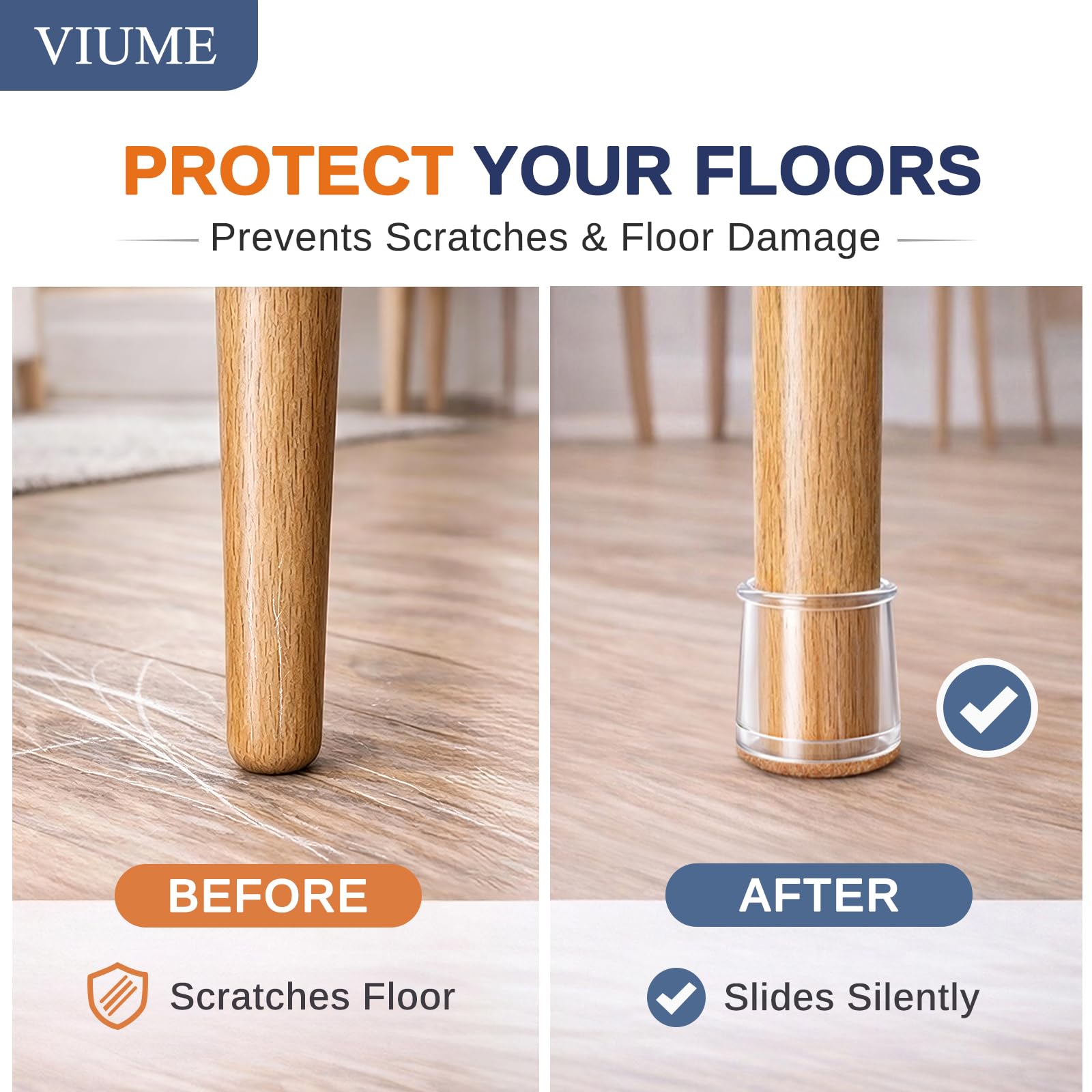
Furniture is a common scratch culprit, especially when moved. Felt pads or glides on every leg make a huge difference.
How To Choose Furniture Pads
- For chairs and small tables: Use thick felt pads. They allow sliding without scratching.
- For heavy furniture: Use hard plastic glides or discs.
- For rocking chairs or recliners: Use full-length adhesive felt strips.
Replace pads regularly. If they flatten or collect grit, they stop protecting your floor.
Installation Tips
- Clean the bottom of each leg before sticking on a pad.
- For screw-in glides, drill a small pilot hole first.
- Check pads every month, especially on furniture that gets moved often.
Beginner mistake: Many people install pads once and forget them. Pads wear out or fall off, so routine checks are essential.
Credit: www.sirgrout.com
Keep Floors Clean And Grit-free
Tiny dirt particles act like sandpaper. Regular cleaning is one of the most powerful ways to prevent scratches.
Daily And Weekly Routines
- Sweep or dust mop daily in high-traffic areas.
- Vacuum weekly with a soft floor attachment (not a rotating brush).
- Mop with a slightly damp (not wet) microfiber mop.
Avoid using a vacuum with a beater bar, as this can scratch the finish. If you have pets or kids, you may need to sweep more often.
Entryway Habits
Ask family and guests to remove shoes at the door. Keep a shoe rack or bench nearby to make this easy. Shoes—especially high heels or boots—can grind in dirt and cause deep scratches.
Non-obvious insight: Even socks can pick up grit from outside, so regular mat cleaning is just as important as floor cleaning.
Trim Pet Nails And Use Pet-friendly Solutions
Pets bring joy but also challenge wood floors. Their nails can cause long, thin scratches, especially when they run or play.
Pet Nail Care
- Trim nails every 2-4 weeks using pet-safe clippers.
- Use a nail grinder for a smoother finish (less likely to catch and scratch).
- If you hear clicking on the floor, it’s time for a trim.
Pet Paw Management
- Wipe paws after walks to remove grit.
- Place washable mats at pet entrances.
Protective Products
Consider soft nail caps for dogs and cats. These are small, flexible covers that reduce scratch risk without harming your pet.
Use The Right Cleaning Products
Not all cleaners are safe for hardwood. Some can dull the finish, while others leave a sticky residue that attracts more dirt.
Safe Cleaners
- Use cleaners labeled “safe for hardwood floors.”
- Mix a few drops of pH-neutral soap in water for a gentle DIY solution.
- Avoid vinegar, ammonia, or steam mops—these can damage the finish over time.
Spot Cleaning
Wipe up spills immediately. Water or other liquids can soften the finish, making it easier to scratch.
Pro tip: Always dry the floor after cleaning. Standing water can seep into cracks and cause swelling or warping.
Move Furniture The Safe Way
Dragging furniture is one of the fastest ways to scratch hardwood. Even with pads, moving heavy pieces the wrong way can cause damage.
Before Moving
- Empty the furniture to reduce weight.
- Place a thick blanket, moving pad, or cardboard underneath.
- For very heavy items, use a furniture slider—these are discs that glide smoothly over wood.
During Moving
- Lift, don’t drag, whenever possible.
- Move slowly and check for grit under pads or sliders.
- After moving, inspect the floor for any signs of scratching.
Beginner mistake: Forgetting to sweep before a move. Even a small pebble under a pad can leave a long scratch.
Choose The Right Footwear
Certain shoes are much worse for hardwood than others. High heels and sports cleats can cause deep dents and scratches.
House Shoe Policy
Encourage wearing soft, indoor-only slippers or socks. Place a small shoe shelf or basket by the door as a reminder.
Protect Against Heel Damage
If heels are worn indoors, check for loose or worn heel tips. Replace them before they reach the metal nail, which can gouge wood.
Non-obvious insight: Rubber-soled shoes are usually safe, but if they collect rocks in the tread, they can scratch too.
Control Humidity And Temperature
Wood expands and contracts with changes in moisture. Too much movement can cause cracks that collect dirt, leading to scratches.
Best Conditions
- Keep indoor humidity between 35-55%.
- Use a humidifier in winter and a dehumidifier in summer as needed.
- Avoid sudden temperature changes.
How Humidity Affects Scratching
When wood dries out, it shrinks and gaps appear. Grit can get trapped in these gaps, making scratches more likely. High humidity can make wood swell and the finish soften, again increasing scratch risk.
Recoat And Maintain The Finish Regularly
Even the toughest finish wears out over time. Regular maintenance keeps your floor’s protective layer strong.
How Often To Recoat
- High-traffic homes: Every 3-5 years
- Low-traffic or no pets: Every 5-7 years
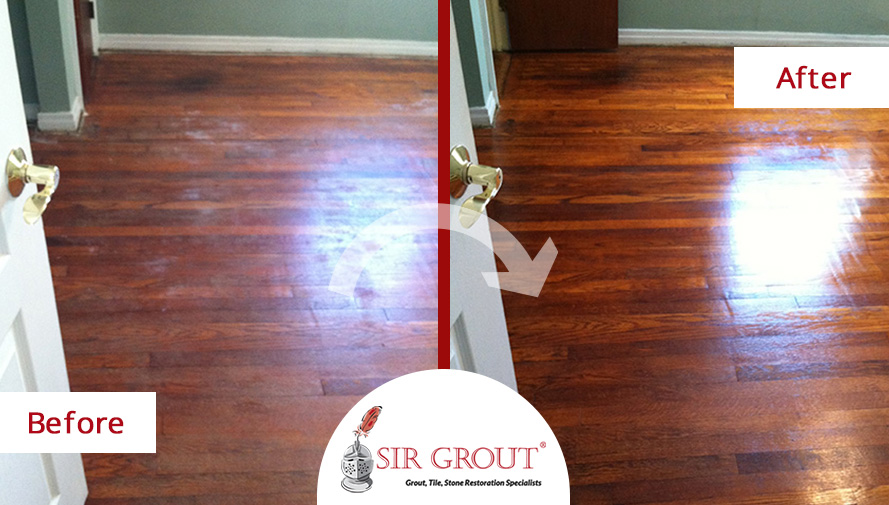
Recoating means lightly sanding the old finish (not the wood itself) and applying a fresh layer. This fills in micro-scratches and restores shine.
Signs You Need To Recoat
- Floor looks dull or has many light scratches.
- Water no longer beads on the surface.
- You can feel scratches with your finger.
Pro tip: Don’t wait until the finish is completely worn. Early recoating is easier and less expensive than full sanding and refinishing.
Repair Minor Scratches Promptly
No matter how careful you are, some scratches will happen. Treating them quickly prevents bigger problems.
For Light Surface Scratches
- Use a hardwood floor repair marker or blending pencil that matches your floor color.
- Rub gently along the scratch, then buff with a soft cloth.
For Deeper Scratches
- Fill with a wood filler designed for floors.
- After drying, lightly sand and touch up the finish.
For wide or long scratches, call a professional. DIY repairs can make things worse if not done carefully.
Beginner mistake: Using colored wax or crayons as a quick fix. These can attract dirt and stain the wood.
Avoid Common Cleaning And Maintenance Mistakes
Even good intentions can lead to scratches if you use the wrong methods.
Don’ts
- Don’t use abrasive scrubbers or steel wool.
- Don’t mop with very wet cloths—water weakens wood and finish.
- Don’t use generic “all-purpose” cleaners that may contain harsh chemicals.
Do’s
- Use soft microfiber cloths or mops.
- Test any new cleaner on a hidden spot first.
- Follow the manufacturer’s maintenance guide for your specific floor.
Pro tip: Read product labels—some “natural” cleaners contain lemon or vinegar, which are too acidic for hardwood.
Plan For Parties And Special Events
More people means more risk. Before gatherings, take extra steps to protect your floors.
Temporary Precautions
- Lay down extra runners or rugs in entryways.
- Ask guests to remove shoes or provide disposable shoe covers.
- Place protective mats under tables, especially if serving food or drinks.
After The Event
- Sweep and clean as soon as possible.
- Check for new scratches or spills and address immediately.
Non-obvious insight: During parties, move valuable area rugs out of spill zones and replace with washable mats to avoid permanent stains.
Real-life Examples And Data
Studies show that furniture movement and grit tracked by shoes are the top causes of floor scratches in U.S. homes. According to the National Wood Flooring Association, homes with a no-shoes policy have 30% fewer visible scratches after five years compared to homes without one.
In a survey of 500 hardwood floor owners:
- 52% reported scratches from moving chairs and tables.
- 33% blamed pet claws.
- 15% cited dropped objects or toys.
These numbers show why a full protection plan is essential.
Products That Actually Help (and What To Avoid)
Worthwhile Investments
- High-quality felt pads: Don’t buy the cheapest option; they wear out too fast.
- Area rugs with natural rubber or felt pads: Synthetic rubber can stain.
- Hardwood-specific cleaners: Brands like Bona or Method are reliable.
What To Skip
- Cheap stick-on pads that slide off.
- Steam mops, which can damage the finish.
- “Scratch repair” sprays that promise miracles—most only add a temporary shine.

Credit: www.amazon.com
When To Call A Professional
Some scratches or damage are too serious for DIY fixes. Call a flooring pro if:
- Scratches are deep enough to catch your fingernail.
- There are many scratches in one area.
- You see large gaps, cupping, or warping.
Professionals have tools and finishes not available to homeowners. They can make repairs that blend perfectly with the rest of your floor.
Frequently Asked Questions
What Is The Best Way To Protect Hardwood Floors From Pet Scratches?
Trim your pets’ nails regularly and consider using soft nail caps. Place rugs in play areas and entryways to catch grit. For active pets, choose a harder wood species and a matte finish, which hides scratches better.
Can I Use Vinegar To Clean My Hardwood Floors?
No, vinegar is too acidic and can break down the floor’s finish over time. Stick to pH-neutral cleaners made for hardwood. For more details, check cleaning guides from reputable sources like Bona.
How Do I Fix A Deep Scratch In My Hardwood Floor?
For deep scratches, use a wood filler that matches your floor’s color. After it dries, lightly sand and reapply finish. If the scratch is very long or wide, or in a visible spot, call a professional for best results.
Are All Area Rugs Safe For Hardwood Floors?
No, avoid rugs with rubber or latex backing, as these can stick to and damage the finish. Choose rugs with natural rubber or felt pads. Clean under rugs often to prevent grit buildup.
Does Humidity Really Affect Floor Scratching?
Yes, changes in humidity cause wood to expand and contract. This creates gaps where grit collects, increasing the risk of scratching. Keep humidity stable (35-55%) to protect both the finish and the wood itself.
Final Thoughts
Protecting hardwood floors from scratches isn’t about just one thing—it’s a combination of smart habits, the right products, and regular maintenance. From choosing the best floor finish to placing rugs in the right spots, every detail matters. Don’t overlook routine cleaning or forget about the impact of shoes, pets, and even parties.
With these strategies, your hardwood floors can stay beautiful and scratch-free for many years. If you ever feel unsure, ask a flooring expert for help—prevention is always easier than repair.