
Painting plywood floors is a smart way to upgrade your space without spending much money. Old or unfinished plywood can look plain and sometimes even unattractive. However, with the right approach, you can transform this material into a beautiful, durable, and easy-to-clean surface.
Many people think painting plywood is complicated or that the results won’t last, but with proper preparation and technique, you can achieve a professional finish. This article will guide you step-by-step, giving you clear directions, practical tips, and solutions to common problems.
Whether you want to refresh a bedroom, upgrade a studio, or just protect a utility floor, you’ll learn everything you need to know to paint plywood floors with confidence.
Why Paint Plywood Floors?
Plywood floors are often used as a budget-friendly option in homes, basements, studios, and even offices. While plywood is strong and flexible, its natural appearance isn’t always appealing. Painting offers several important benefits:
- Aesthetic improvement: You can choose any color or design, matching your decor.
- Protection: Paint seals the wood, making it less likely to absorb moisture or stain.
- Easy cleaning: Painted surfaces are smooth, so dust and spills are easier to wipe up.
- Cost savings: Painting is cheaper than installing new flooring like hardwood or tile.
- Customization: You can add patterns, borders, or even faux finishes for a unique look.
What many beginners miss is that paint can also help hide surface flaws in plywood, such as small gaps or uneven coloring. Plus, the process is much less disruptive than a full floor renovation.
Choosing The Right Paint And Materials
Not all paints and products are suitable for floors, especially for plywood. Picking the right materials is crucial for lasting results.
Types Of Paint
- Porch and Floor Enamel: This paint is made for foot traffic and resists scuffs and scratches. It’s ideal for most home projects.
- Epoxy Floor Paint: Provides the hardest finish and is best for garages or workshops. It’s more expensive and has a strong smell, but it lasts for years.
- Latex Paint with Polyurethane Topcoat: Budget-friendly, but needs a durable sealer over it. Good for bedrooms and low-traffic spaces.
Do not use wall paint, chalk paint, or standard acrylics. These are not designed to handle the wear and tear of foot traffic and will peel or chip.
Primers
Always use a high-quality wood primer. It helps the paint stick and blocks stains. Some primers are designed for tough stains or moisture resistance—choose one that matches your situation.
Tools And Supplies
Gather these before you start:
- Sanding block or electric sander
- Shop vacuum or broom
- Painters tape
- Paint roller and extension pole
- Angled brush
- Paint tray
- Drop cloths
- Filler for wood (if needed)
- Caulk for gaps
- Protective gloves and mask
- Polyurethane sealer (for extra protection)
Comparing Paint Options For Plywood Floors
Here’s a quick overview to help you decide:
| Paint Type | Durability | Cost | Finish | Best Use |
|---|---|---|---|---|
| Porch & Floor Enamel | High | $$ | Satin/Gloss | Living areas |
| Epoxy Floor Paint | Very High | $$$ | Gloss | Garages, workshops |
| Latex + Polyurethane | Medium | $ | Satin/Matte | Bedrooms, low-traffic |
Preparing The Plywood Floor
Prep work is the most important step. Skipping or rushing this will ruin your results, no matter how good your paint is.
Cleaning And Sanding
Start by removing all furniture and rugs. Sweep or vacuum the floor thoroughly. Even small bits of dust or dirt can create bumps in your paint.
Next, sand the plywood. Use a medium-grit sandpaper (around 120 grit) for rough areas, then switch to a finer grit (180–220) for a smooth finish. Sanding removes splinters and opens the wood grain so primer can soak in. If you use a power sander, keep it moving to avoid sanding grooves into the wood.
Clean again after sanding—any leftover dust will cause your paint to peel or bubble.
Repairing Damage
Inspect the floor for damage:
- Fill nail holes and small cracks with wood filler. Press it in, let it dry, and sand smooth.
- Seal gaps between boards with flexible caulk. This keeps paint from sinking in and cracking later.
- Replace loose or damaged plywood panels. Paint cannot fix structural problems.
What many beginners miss: Even tiny holes or open seams will become more obvious once the paint dries. Spend extra time making the surface as flawless as possible.
Priming
Apply one or two coats of wood primer. Use a brush to cut in along walls and a roller for larger areas. Allow each coat to dry fully—check the label for drying times, usually 4–6 hours per coat.
A good primer will stop stains from coming through and gives your paint a strong base. If your plywood is stained or has knots, use a stain-blocking primer for best results.
Painting The Plywood Floor
Now for the fun part—adding color and style to your floor. Painting is straightforward, but technique matters for a smooth, even finish.
Applying The First Coat
Stir your paint well. Pour some into a tray. Use an angled brush to paint along the edges of the room and around obstacles (this is called “cutting in”). Then, use a roller for the main areas.
Work in small sections. Paint with the grain of the plywood when possible. Keep a wet edge so you don’t get visible lines where the paint dries.
Let the first coat dry completely. This usually takes 6–12 hours, but humidity and temperature can affect drying time. Don’t rush this step—walking on soft paint will leave marks.
Adding More Coats
Most floors need at least two coats for solid, even color. Some dark colors or thin paints may need three. Lightly sand between coats with fine sandpaper (220 grit) to remove dust and smooth out any bumps. Always clean the dust before adding the next coat.
If you notice streaks or thin spots, focus extra paint on those areas in the next coat.
Painting Patterns Or Designs
If you want to get creative, now is the time. Plywood floors can look amazing with painted patterns like checkerboards, stripes, stencils, or borders.
- Use painters tape to mark off designs.
- Paint one color first, let it dry, then tape and paint the next.
- Remove tape carefully while the paint is still slightly soft to avoid peeling.
Many people skip sealing designs, but this can lead to chipping or fading. Always seal decorative work with a clear polyurethane topcoat.
How Paint Colors Affect Room Feel
Paint isn’t just about protection—it changes how a room feels. Here’s a quick look at how color choices can make a difference:
| Color | Effect | Best For |
|---|---|---|
| White/Light Gray | Makes space larger, brighter | Small rooms, studios |
| Dark Blue/Charcoal | Cozy, modern look | Bedrooms, offices |
| Bold Colors (Red, Green) | Creates energy, focal point | Playrooms, art spaces |
| Patterned | Adds interest, unique style | Entryways, kitchens |
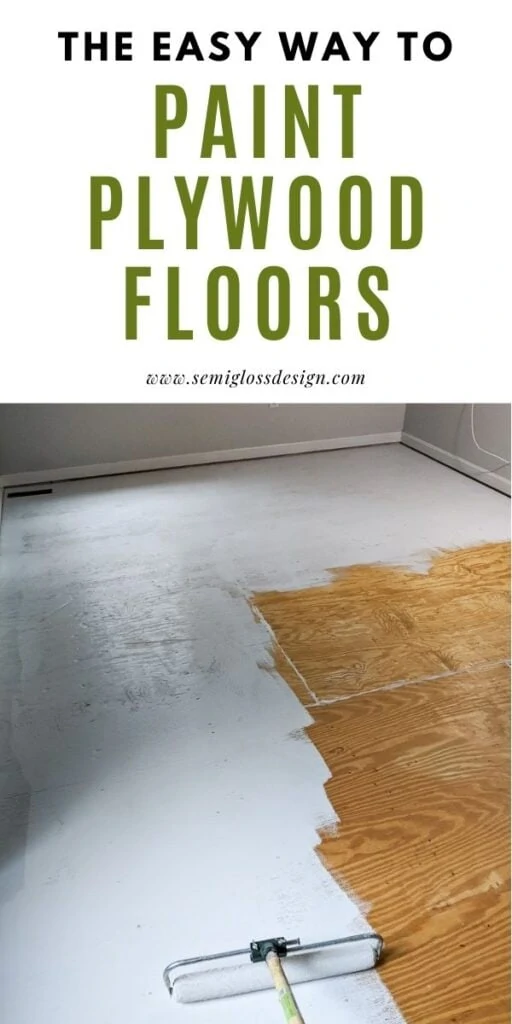
Credit: www.semiglossdesign.com
Sealing The Floor For Durability
Paint alone is not enough for a floor that gets a lot of use. A clear sealer adds a protective layer, making the surface tougher and easier to clean.
Choosing A Sealer
For most plywood floors, water-based polyurethane is the best option. It dries quickly, doesn’t yellow over time, and has less odor than oil-based options. For workshops or very high-traffic areas, oil-based polyurethane is tougher, but it takes longer to dry and can change the color of your paint.
A matte or satin finish hides scratches better, while gloss gives a shiny, reflective look but shows dirt and scuffs more easily.
How To Apply
- Make sure paint is completely dry (wait at least 24 hours after the last coat).
- Use a clean roller or brush. Start along the edges, then roll in even strokes across the main area.
- Allow each coat to dry as directed (usually 2–4 hours for water-based, 8–12 for oil-based).
- For best durability, apply two to three coats, lightly sanding between each one.
A key detail: Don’t walk on the floor until the final coat is fully cured—this can take up to 72 hours. Rushing this step is a common mistake and often leads to footprints or dents.
Curing, Cleaning, And Maintenance
After painting and sealing, your floor needs time to become fully hard and durable. This is called “curing. ”
Curing Time
Most floors can handle light foot traffic after 24–48 hours, but full curing can take up to two weeks. Wait as long as possible before moving heavy furniture back. Place felt pads under furniture legs to prevent scratches.
Cleaning Painted Plywood Floors
Regular cleaning keeps your painted floor looking new:
- Sweep or vacuum often to remove dirt and grit.
- Mop with a damp (not wet) mop and a gentle cleaner. Avoid harsh chemicals or too much water, which can soften the paint or seep into seams.
- Wipe spills quickly to avoid staining.
Touch-ups And Repairs
Even the best-painted floors will need touch-ups over time, especially in high-traffic spots.
- Keep a small amount of leftover paint for quick fixes.
- Sand damaged spots lightly, clean, and repaint as needed.
- Reseal the floor every few years, or sooner if you notice dullness or scratches.
One insight beginners miss: Painted plywood floors are easy to refresh. Unlike tile or carpet, you can simply repaint for a whole new look without ripping anything out.
Common Mistakes And How To Avoid Them
Painting plywood floors is a straightforward process, but some pitfalls can ruin your results or shorten the life of your floor. Here’s what to watch out for:
- Skipping sanding: Unsanded plywood leads to rough paint and poor adhesion.
- Not cleaning thoroughly: Dust and dirt under paint cause bumps and can break the seal.
- Ignoring repairs: Unfilled gaps or holes become more visible after painting and can allow moisture under the paint.
- Using the wrong paint: Wall paint or craft paint will peel and scratch easily.
- Rushing drying times: Walking on or adding coats too soon can create marks, bubbles, or peeling.
- Not sealing: Skipping the polyurethane topcoat leaves the paint unprotected.
- Overusing water during cleaning: Too much water can seep into plywood seams, causing swelling or peeling.
- Not testing colors: Paint can look different on plywood than on paint chips or walls. Always test a small section first.
- Ignoring safety: Use gloves and masks, and keep the room well-ventilated, especially with oil-based products.
A useful tip: If you’re unsure about your paint or sealer, check the manufacturer’s website or call their help line. They often have detailed advice for unusual situations.
Cost And Time Estimates
Painting a plywood floor is much cheaper than installing new flooring. Here’s what you can expect:
- Materials cost: $50–$200 for a typical room (primer, paint, sealer, brushes, sandpaper)
- Time needed: About 2–3 days, including drying time (some steps can be spread out over a week)
- Labor: Most people do this project themselves. Hiring a professional may cost $2–$5 per square foot.
Factors that increase cost include using specialty paints, doing complex patterns, or needing to replace damaged plywood.
Real-life Examples And Success Stories
Many homeowners and renters have used painted plywood to create stunning, affordable floors. Here are a few examples:
- Small studio: A photographer painted the plywood floor in light gray with a white border. The result: a clean, modern look that reflected light and made the space feel bigger. Cost: under $100.
- Playroom: Parents used porch paint to create a checkerboard pattern in bold colors. Even after years of heavy use, the floor only needed a quick touch-up and a new sealer coat.
- Rental upgrade: A renter painted her bedroom floor in dark blue, then added a stenciled gold border. When she moved out, she simply repainted for a fresh, neutral look.
A non-obvious insight: Painted plywood is a favorite in tiny homes, cabins, and studios because it’s easy to repair, change, or upgrade as tastes change.
Advanced Tips For A Professional Finish
If you want your floor to look truly top-notch, here are some expert tricks:
- Use a foam roller for the smoothest finish, especially for the final coat.
- Mix paint thoroughly before each use. Plywood absorbs paint differently, so even color is important.
- Work in good light. Side lighting can help you spot missed spots or drips before they dry.
- Paint in sections. Divide the room mentally and finish one area before moving on. This helps avoid lines and overlaps.
- Check humidity and temperature. Most paints work best between 50–85°F (10–30°C) and low humidity. Too cold or too humid, and paint may not dry properly.

Credit: redouxinteriors.com
Environmental And Health Considerations
Many paints and sealers contain volatile organic compounds (VOCs), which can be harmful if inhaled in large amounts. Choose low-VOC or no-VOC products if possible, especially in bedrooms or kids’ rooms. Open windows and use fans to ventilate the space while you work and as the paint dries.
If someone in your home has allergies or asthma, let the room air out for several days before regular use.
Is Painting Plywood Floors Right For You?
Painting plywood floors is not for every situation. It works best for:
- Low to medium-traffic areas
- Spaces where budget is a concern
- Rooms where looks matter more than resale value
- Creative spaces, studios, rentals, and basements
If you expect heavy wear (like in a busy kitchen or entryway), be prepared to touch up and reseal more often. For high-moisture rooms (like bathrooms), plywood can swell even with paint and sealer, so it’s not the best choice.
Comparing Painted Plywood To Other Flooring Options
To help you decide, here’s how painted plywood compares to other common flooring types:
| Floor Type | Cost (per sq ft) | Installation Time | Durability | Style Options |
|---|---|---|---|---|
| Painted Plywood | $1–$2 | 2–3 days | Medium | Unlimited |
| Laminate | $2–$4 | 1–2 days | High | Many |
| Carpet | $2–$5 | 1 day | Medium | Many |
| Hardwood | $5–$10 | 3–5 days | Very High | Limited |
If you want the most flexibility, the lowest cost, or a chance to express your style, painted plywood is a great choice.
Frequently Asked Questions
How Long Does Painted Plywood Flooring Last?
With proper preparation and maintenance, painted plywood floors can last 3–5 years in most homes, sometimes longer in low-traffic areas. Resealing every few years extends their life.
Can I Paint Over Old Painted Plywood Floors?
Yes, you can. Clean the floor, sand lightly to remove shine, repair any damage, and apply fresh primer and paint. This is a good way to refresh or change the look without replacing the plywood.
Is Painting Plywood Floors Safe For Pets?
Painted floors are generally safe for pets once fully cured. Choose low-VOC paints and sealers to reduce fumes. Keep pets off the floor during drying and curing to prevent paw prints or scratches.
What’s The Best Way To Prevent The Paint From Peeling?
Proper prep is key. Sand well, clean thoroughly, use a good primer, and seal with polyurethane. Avoid too much water during cleaning, and add felt pads under furniture.
Where Can I Find More Information On Paint Types And Techniques?
For more details on paint products and techniques, check the This Old House guide, which offers expert advice and step-by-step visuals.
Painting plywood floors is a practical, creative solution for anyone wanting a fresh look on a budget. With the right materials and careful steps, you can achieve a finish that’s both attractive and durable. Take your time, follow the tips above, and enjoy the transformation of your space.

Credit: www.reddit.com