
Moving a massage chair might sound simple, but anyone who has tried knows it’s not a small job. These chairs are heavy, bulky, and expensive. If you don’t plan well, you risk damaging your chair, hurting yourself, or making a mess in your home.
But with the right steps and a clear plan, you can move a massage chair safely, whether it’s to another room, another house, or even a new city.
This guide will show you everything you need to know about how to move a massage chair. You’ll find useful tips, step-by-step instructions, and expert insights that even many owners forget. By the end, you’ll be ready to move your chair with confidence and avoid costly mistakes.
Understanding Your Massage Chair
Before you touch a wrench or call a friend, it’s smart to know what you’re dealing with. Massage chairs come in different sizes, weights, and designs. Each model can have unique features that affect how you move it.
Types Of Massage Chairs
Massage chairs aren’t all the same. Some are compact and foldable, while others are large and recline fully. Common types include:
- Full-body massage chairs: These are the most popular and usually the heaviest. They can weigh between 150 to 300 pounds.
- Zero-gravity chairs: Designed for deep relaxation, they often have extra parts and can be tricky to move.
- Portable massage chairs: Light and easy to fold, made for travel or quick setup.
Knowing your chair’s type helps you plan for the right tools, helpers, and transport.
Key Features That Affect Moving
Massage chairs have parts that can make moving harder:
- Removable arms or headrests: Some chairs have parts you can detach to make them lighter.
- Electric components: Wires, motors, and heating elements are fragile.
- Wheels: Some chairs have built-in wheels for short moves on smooth floors.
Always check your owner’s manual for model-specific advice. If you don’t have the manual, you can often find it on the manufacturer’s website.
Weight And Dimensions
Never guess the weight of your massage chair. Most full-size chairs are heavier than they look. Here’s a comparison of popular models:
| Massage Chair Model | Approximate Weight | Width x Height x Depth (inches) |
|---|---|---|
| Osaki OS-4000XT | 217 lbs | 30 x 47 x 63 |
| Human Touch Novo XT2 | 294 lbs | 31 x 46 x 63 |
| Kahuna LM6800 | 189 lbs | 28 x 46 x 48 |
This table shows why planning is important. Even small-looking chairs can be very heavy.
Planning Your Move
A successful move starts with a plan. Don’t rush to push or lift your chair before you’re ready.
Measure Doorways And Pathways
Massage chairs are often wider than standard doorways. Measure your chair and all passages it will go through. Look for tight corners, low ceilings, or stairs.
If your chair is too wide, check if you can remove the arms or side panels. This small step can save you hours of frustration.
Decide If You Need Help
Never try to move a full-size massage chair alone. Most require at least two people. Ask friends or family for help, or consider hiring professional movers for added safety.
Gather The Right Tools
You’ll need more than muscle. Here are the essentials:
- Furniture sliders: These help move heavy items on carpet or wood floors.
- Moving straps or harnesses: Distribute weight and protect your back.
- Screwdriver set: For removing detachable parts.
- Blankets or padding: Protect walls, doors, and the chair itself.
- Dolly or hand truck: For longer moves or stairs.
Some beginners forget about protecting their floors. Even a small scratch can be expensive to fix, so plan ahead.
Check The Power Source
Unplug your massage chair before moving. Never drag a chair while it’s plugged in. Check for attached power cords, and secure them so they don’t catch on corners or steps.
Preparing The Chair For Moving
Getting your chair ready is just as important as the move itself.
Disconnect All Cables
Massage chairs often have multiple wires and plugs. Unplug everything. If your chair has a battery or backup power supply, remove it if possible.
Bundle cords with twist ties or zip ties. Tape them to the chair so they don’t dangle or trip someone.
Remove Loose Or Detachable Parts
Take off anything that can be removed safely, such as:
- Armrests
- Headrest pillows
- Footrest covers
- Remote controls
Store these parts together in a labeled bag or box. This prevents loss and makes the chair lighter.
Lock Or Secure Moving Parts
If your chair can recline or has extendable footrests, lock them in place. If there’s no lock, use strong tape or stretch wrap to keep parts from moving during transport.
Protect The Chair And Your Home
Wrap the chair in moving blankets or thick towels. Pay special attention to corners and edges. This simple step prevents both scratches on your chair and dents in your walls.
If you have hardwood floors, lay down cardboard or extra padding along your moving path.
Moving The Chair Within The Same Room
Sometimes you only need to shift your massage chair a few feet. Even short moves can be risky if you don’t do them right.
Using Built-in Wheels
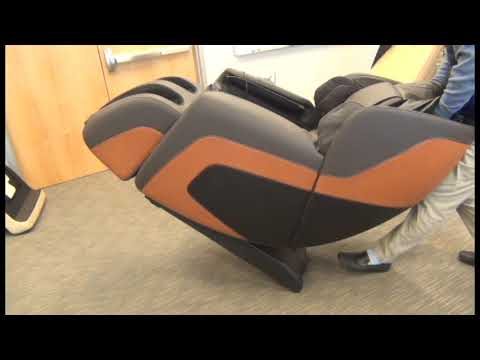
Some massage chairs have small wheels on the back or base. Check your manual to see how to use them. Usually, you need to tilt the chair back until the wheels touch the floor, then roll it slowly.
Be careful: these wheels are for smooth, hard floors. Don’t use them on carpet or stairs.
Furniture Sliders
If your chair doesn’t have wheels, use furniture sliders. Place a slider under each leg or base corner. Push gently—never drag or yank. This protects your floors and makes moving easier.
Safety Tips For Short Moves
- Go slowly. Rushing increases your chance of injury.
- Watch your fingers and toes. Heavy chairs can pinch.
- Clear all obstacles before you start.
- Never force a chair through a doorway or corner.
Moving The Chair To Another Room
Getting a massage chair through doorways and hallways is a bigger challenge. Here’s how to make it safer and easier.
Measure And Plan Your Path
Walk the path first. Remove rugs, small tables, and anything else in the way. Prop open doors so you don’t have to juggle handles while carrying.
If you’re going up or down stairs, you’ll need extra helpers. Most chairs require at least three people for stairs.
Teamwork And Communication
One person should guide from the front, while the others support from behind or the sides. Communicate clearly—use simple words like “stop,” “left,” or “down. ”
If you feel the chair slipping or it becomes too heavy, stop and rest. Don’t rush.
Using A Dolly Or Hand Truck
For longer distances or stairs, a dolly is essential. Carefully tilt the chair and slide the dolly underneath. Strap the chair securely to prevent tipping.
Never try to move a massage chair up or down stairs with only one person. It’s not worth the risk.
Protecting Walls And Doors
Use blankets or cardboard on sharp corners. If your chair scrapes the wall, it can leave marks or even break the drywall.
A common mistake is forgetting about low ceilings or hanging lights. Watch overhead space as you go.
Disassembling Your Massage Chair (if Necessary)
Some homes have doorways that are simply too narrow for a massage chair. In this case, you may need to partially disassemble it.
What Parts Can Be Removed?
Usually, you can remove:
- Armrests
- Side panels
- Footrest
- Headrest
Check your manual for instructions. Keep all screws and bolts in a labeled bag.
Steps To Disassemble Safely
- Unplug everything before you start.
- Take photos as you remove parts. This helps you remember how to reassemble.
- Use the correct tools. Don’t force screws or bolts.
- Store parts carefully to avoid losing anything.
- Keep all small parts together in a labeled bag.
Disassembly isn’t always required, but it can make moving much easier in tight spaces.
Reassembling After Moving
Reverse the steps you used for disassembly. Double-check all connections, especially electrical ones. Test the chair before using it fully to make sure everything works.
Transporting The Massage Chair To A New Home
If you need to move your chair to a different house or apartment, you’ll need to think about vehicle size, lifting, and securing the chair for travel.
Choosing The Right Vehicle
Most massage chairs won’t fit in a standard car. You’ll need a van, pickup truck, or small moving truck. Measure your chair and the vehicle’s cargo space before moving day.
Here’s a quick vehicle size comparison:
| Vehicle Type | Typical Cargo Space (cubic feet) | Fits Full-Size Massage Chair? |
|---|---|---|
| Minivan | 80-150 | Sometimes (seats removed) |
| Pickup Truck | 60-100 (bed) | Usually |
| 10’ Moving Truck | 400 | Always |
Don’t forget to bring tie-down straps and blankets for protection.
Loading The Chair Safely
- Use a ramp or liftgate if available.
- Have at least two people lift the chair—one at each end.
- Keep the chair upright if possible. Laying it on its side can damage electric parts.
- Secure the chair with straps so it can’t slide or tip.
Transporting In Bad Weather
If it’s raining or snowing, cover the chair with a waterproof tarp. Even a little moisture can damage the motors or upholstery.
Don’t leave the chair in an unheated vehicle overnight in winter, as extreme cold can harm electronic parts.
Insurance And Liability
If you’re using professional movers, check if their insurance covers your massage chair. These chairs are expensive, and some moving companies require extra coverage.
Setting Up The Chair In Its New Location
Once your chair arrives, the job isn’t finished. Careful setup prevents future problems.
Unwrapping And Inspecting
Before you plug it in, inspect your chair for:
- New scratches or dents
- Loose parts
- Damaged wires
If you spot damage, document it with photos. This is important if you need to file a claim with movers or your insurance.
Reassembling And Testing
Put back all removed parts, using your photos as a guide. Double-check every connection, especially electrical plugs.
Plug in the chair and run a short test. Try all functions—recline, footrest, massage features—to make sure everything works.
Positioning For Use
Leave some space around the chair for air flow and easy access. Don’t push it tight against a wall unless your model allows “wall-hugging” placement.
If your floor isn’t level, adjust the chair’s feet or base. This prevents wobbling and makes for a more comfortable massage.

Credit: www.youtube.com
Mistakes To Avoid When Moving A Massage Chair
Even careful people can make mistakes. Here are some of the most common errors and how to avoid them.
Trying To Move Alone
These chairs are heavy for a reason. Always ask for help, even for short moves.
Not Measuring First
Don’t assume your chair will fit through every doorway. Measure twice, move once.
Rushing The Process
Take your time. Small mistakes—like a dropped screw or a scratched floor—can be costly.
Forgetting To Protect Floors And Walls
Use sliders, blankets, and padding. Repairing a gouged floor is much harder than preventing damage.
Ignoring The Manual
Every chair is a little different. The manual contains important information on disassembly, moving, and reassembly.
Not Securing Cords And Removable Parts
Loose cords can catch on corners and tear. Always secure and bundle them.
Skipping A Test After Moving
Run a full test before relaxing in your chair. It’s easier to fix problems before you settle in.
Professional Movers Vs. Diy: Which Is Best?
Deciding whether to move the chair yourself or hire professionals depends on your situation.
When To Move It Yourself
- You have a lightweight or portable chair.
- You have several strong helpers.
- The move is short and there are no stairs.
When To Hire Professionals
- Your chair is very heavy or expensive.
- You need to move up/down stairs.
- The move is long-distance.
- You want peace of mind with insurance.
Cost Comparison
Professional movers typically charge $100–$400 for moving a massage chair, depending on distance and stairs. DIY can save money, but only if you have the right tools and help.
Remember, damaging your chair during a DIY move can cost more than hiring experts.
Credit: www.youtube.com
Maintaining Your Massage Chair After A Move
Moving can put stress on the chair’s parts. Take a few steps to keep your chair working like new.
Check For Loose Bolts And Parts
After a move, bolts and connectors can loosen. Tighten everything before regular use.
Inspect Electrical Components
Look for pinched or damaged wires. If you see any, don’t use the chair until they’re repaired.
Clean The Chair
Dust, dirt, and oils from hands can build up during a move. Clean the surface with a soft cloth and mild cleaner.
Run A Full Function Test
Try all massage programs. Listen for odd sounds, which could mean something is out of place.
If you find any problems, contact the manufacturer or a repair professional.
Non-obvious Insights Most Beginners Miss
Most guides stop at the basics, but a few extra tips can save you time and money:
- Document your disassembly process with your phone. Take photos and short videos as you remove each part. This helps if you forget where a screw or plug goes.
- Label every bag and part. Even small bolts or screws can be unique to a specific side or position.
- Check warranty rules. Some warranties are void if you move or disassemble the chair yourself. Check before you start if your chair is still under warranty.
- Test the chair before moving it long-distance. Fixing a problem is easier before you load it into a truck.
- If you’re unsure, call the manufacturer. Most brands have support lines or online help, and they can guide you for your specific model.

Credit: www.hitrons.com
Frequently Asked Questions
How Heavy Are Most Full-size Massage Chairs?
Most full-size massage chairs weigh between 150 and 300 pounds (68 to 136 kg). Some high-end models can be even heavier. Always check your model’s specifications before moving.
Can I Move A Massage Chair By Myself?
It’s not recommended. Due to their weight and size, you should have at least two people when moving a full-size massage chair. Moving alone risks injury and damage to your home.
Do I Need To Disassemble My Massage Chair To Move It?
Disassembly isn’t always required, but it can help if you have narrow doorways or tight corners. Most models allow you to remove armrests or footrests, which makes moving easier.
Is It Safe To Transport A Massage Chair On Its Side?
It’s safer to keep the chair upright during transport. Placing it on its side can damage electric motors, air pumps, or internal parts. If you must lay it down, consult the manual first.
Where Can I Find Help For My Specific Massage Chair Model?
The best source is your owner’s manual or the manufacturer’s website. You can also call their support line. For more information about massage chairs and moving tips, check resources like the Wikipedia Massage Chair article.
Moving a massage chair doesn’t have to be stressful or risky. With careful planning, the right tools, and these expert tips, you’ll keep your chair safe and ready for many relaxing years to come. Take your time, ask for help, and enjoy the comfort your chair brings—wherever you decide to put it.