
Ceiling flower arrangements can transform an ordinary room into a breathtaking venue. Whether you want to impress wedding guests, create a unique look for a special event, or simply add a touch of magic to your home, learning how to make a ceiling flower arrangement can be both rewarding and fun.
Many people think these installations are only for professionals, but with the right steps, anyone can do it. This guide will take you through every detail, from planning and choosing flowers to hanging and maintaining your masterpiece. Along the way, you’ll discover expert tips that even many seasoned decorators overlook.
Get ready to turn your ceiling into a living work of art.
Understanding Ceiling Flower Arrangements
Before you start, it’s important to know what a ceiling flower arrangement is. Unlike traditional centerpieces or wall bouquets, these arrangements hang from the ceiling. This creates a floating effect, making the space feel taller, more elegant, and more dynamic.
Ceiling flower arrangements are popular in weddings, parties, and upscale restaurants, but they also work for intimate home gatherings.
There are several types of ceiling installations:
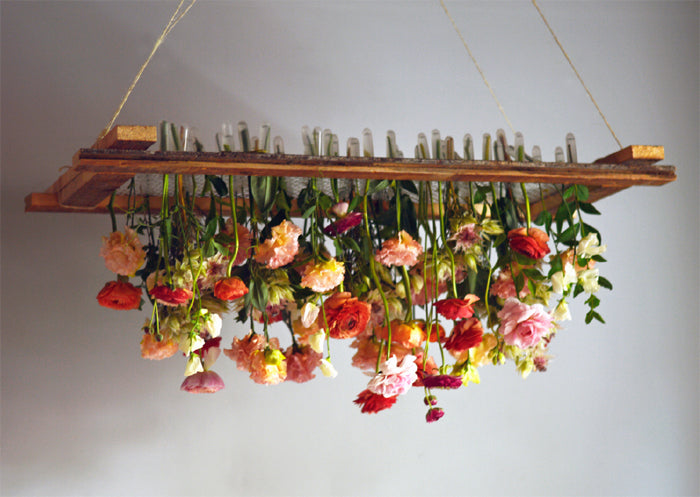
- Flower chandeliers: Circular or oval shapes, often suspended over tables.
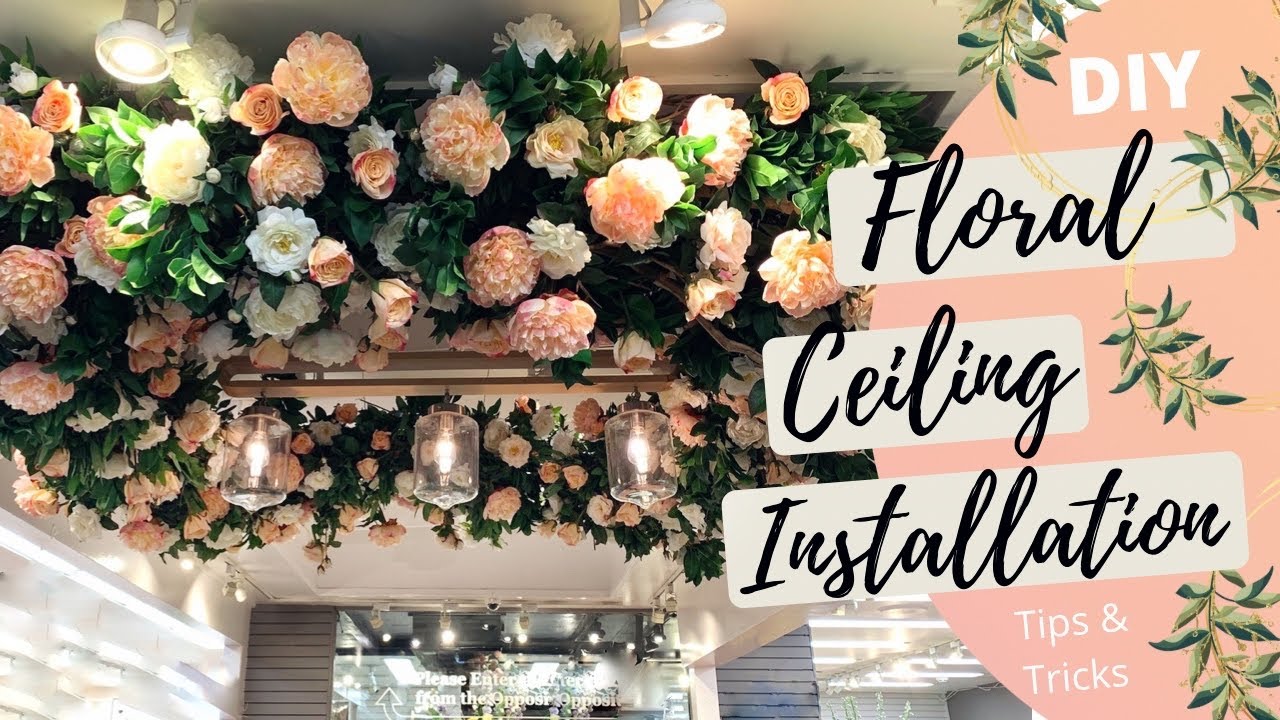
- Hanging garlands: Long strands draped in patterns across the ceiling.
- Floral clouds: Large, soft arrangements that mimic fluffy clouds.
- Individual stems: Single flowers hanging at different heights for a whimsical touch.
Each type creates a different mood. For example, flower chandeliers add drama and focus, while floral clouds bring softness and romance. When planning your arrangement, consider the atmosphere you want to create.
Planning Your Ceiling Flower Arrangement
A successful ceiling flower arrangement starts with careful planning. Skipping this step can lead to poor results or even safety risks.
Assessing The Space
First, look at your room. Measure the ceiling height, width, and length. Note any obstacles like ceiling fans, lights, or vents. These will affect where and how you can hang your arrangement. High ceilings allow for larger and more dramatic displays, while lower ceilings need smaller, tighter designs.
Think about the event or purpose. For a wedding, you might want the arrangement above the dance floor or head table. For a dinner party, above the dining table works best. Always leave enough space for people to move comfortably.
Setting A Budget
Ceiling flower arrangements can range from affordable to very expensive. Costs include:
- Flowers
- Materials (frames, wires, hooks, etc.)
- Tools
- Labor (if hiring help)
Decide what you can spend. Fresh flowers cost more than silk or dried flowers. Complex designs use more materials. Be realistic, but remember: even simple arrangements can have a big impact if done well.
Choosing A Style And Color Scheme
The style should match your event and personal taste. Do you want something modern, rustic, boho, or classic? For color, use the room’s existing palette as a guide. Monochrome (one color) looks elegant, while vibrant mixes feel lively.
Pro tip: Always check the lighting. Some flower colors look different in artificial or dim light. Test your flowers in the actual space if possible.
Safety And Logistics
Hanging weight from the ceiling can be risky if not done properly. Find out what kind of ceiling you have (drywall, plaster, wood beams, etc. ). Never hang heavy arrangements from weak materials. When in doubt, consult a handyman or building manager.
Plan how you’ll get the arrangement up. Will you need a ladder or scaffolding? How many people will help? Safety always comes first.
Credit: tincanstudiosbk.com
Gathering Materials And Tools
Having the right materials makes installation smoother and safer. Here are the essentials for most ceiling flower arrangements:
- Flowers (fresh, silk, or dried)
- Greenery (eucalyptus, ferns, ivy, etc.)
- Floral foam (wet or dry, depending on the flowers)
- Floral wire and tape
- Chicken wire or mesh for structure
- Sturdy frame (metal hoops, wooden dowels, or lightweight rods)
- Zip ties or cable ties
- Hooks (ceiling hooks, screw eyes, or anchors)
- Fishing line or strong string (for hanging)
- Scissors, wire cutters, and pliers
- Ladder or step stool
Optional Supplies
- Battery-powered LED lights for extra sparkle
- Decorative ribbons or fabric drapes
- Water tubes to keep fresh flowers hydrated
It’s smart to buy a little extra of each material, especially flowers and greenery. Mistakes happen, and some items may break during the process.
Choosing Flowers And Greenery
Selecting the right flowers is more than just picking your favorites. Here are factors to consider:
Fresh Vs. Silk Vs. Dried Flowers
- Fresh flowers give the most natural look and scent. They need water and may wilt after a day or two, especially in hot rooms.
- Silk flowers are reusable, lightweight, and easy to shape. Quality varies, so look for realistic versions.
- Dried flowers offer a vintage feel and last for months. They’re fragile but don’t need water.
Flower Types And Their Qualities
For ceiling arrangements, not all flowers are equal. Some last longer out of water or are lighter in weight. Here’s a quick comparison:
| Flower Type | Pros | Cons |
|---|---|---|
| Roses | Classic, sturdy, available year-round | Can be heavy, need water |
| Carnations | Long-lasting, light, affordable | Less dramatic impact |
| Hydrangeas | Large blooms, fill space fast | Wilts easily, heavy when wet |
| Baby’s breath | Delicate, airy, light | Can look sparse if not layered |
| Orchids | Exotic, long stems, lightweight | Expensive, delicate |
Greenery Choices
Greenery adds volume and a natural feel. Eucalyptus is trendy, but ferns, ivy, and ruscus are also popular. Mixing textures makes arrangements look more professional.
Color Palette And Flower Quantities
Choose 2-3 main colors and 1-2 accent colors. For a medium-sized arrangement (3 feet long), you’ll need about:
- 40-60 flower stems
- 10-15 bunches of greenery
Adjust these numbers based on the size you want.
Credit: www.youtube.com
Building The Base Structure
The base is what holds your flowers in place and allows you to hang the arrangement safely. This step is often skipped by beginners, leading to sagging or collapsing displays.
Frame Choices
- Metal hoop: Great for circular or chandelier designs.
- Wooden dowel or rod: Good for garlands or linear arrangements.
- Wire mesh: Flexible and lightweight, perfect for floral clouds.
Insider tip: If you want a really strong base, use chicken wire wrapped around a metal hoop. This creates many anchor points for your flowers.
Preparing The Frame
- Cut the frame material to the desired length or shape.
- If using floral foam, secure it to the frame with floral wire or zip ties.
- Wrap the frame with chicken wire for extra support.
- Test the strength by gently pulling on the frame. It should not bend easily.
Adding Hanging Points
Most arrangements need at least three hanging points to stay balanced. Attach strong fishing line or wire to each point. Test the balance by holding up the frame before adding flowers.
Assembling The Arrangement
This is where your creativity comes alive. Work on the ground or a sturdy table first.
Attaching Greenery
- Start with the greenery. Insert stems into the floral foam or weave them through the chicken wire.
- Build up layers for depth.
- Let some greenery hang down for a more natural look.
Placing Flowers
- Insert the largest flowers first. Place them evenly to create a base.
- Add medium-sized flowers next, filling in gaps.
- Use smaller blooms and accent flowers for detail.
- Stand back often to check the overall balance.
Pro tip: Group flowers in odd numbers (3, 5, 7). This looks more organic and less forced.
Securing Everything
Use floral wire or zip ties to hold heavy stems in place. For delicate flowers, floral tape works best. Make sure nothing is loose—gravity will pull on your work.
Hanging Your Ceiling Flower Arrangement
Hanging is the most critical (and sometimes stressful) part. Done right, it ensures safety and keeps your arrangement looking flawless.
Finding And Preparing Attachment Points
Locate ceiling studs or beams. Never hang heavy arrangements from drywall alone—it can collapse. Use ceiling hooks rated for at least twice the weight of your arrangement.
If you can’t find a stud, use special ceiling anchors. For very heavy installations, consider hiring a professional.
Lifting And Securing The Arrangement
- Gather at least one helper.
- Use a sturdy ladder and work slowly.
- Attach the fishing line or wire from your arrangement to the ceiling hooks.
- Adjust the height so the flowers hang at the desired level.
- Make sure the arrangement is level and secure.
Insider insight: Many beginners forget to check the arrangement from all angles. Walk around the room and adjust as needed.
Hiding Mechanics
Use extra greenery or fabric to hide visible wires, hooks, or tape. This small detail makes the arrangement look much more polished.
Maintaining Freshness And Longevity
If you’re using fresh flowers, they need care even after hanging.
- Mist with water every few hours to keep petals hydrated.
- Avoid direct sunlight and heat sources.
- Replace wilted flowers as needed.
- For silk or dried flowers, dust gently with a soft brush.
Battery-powered LED lights can be added for evening events, but make sure they don’t overheat.
Creative Design Ideas
There’s no limit to what you can do with a ceiling flower arrangement. Here are a few ideas to inspire you:
- Fairy-tale chandelier: Mix white roses, baby’s breath, and LED lights for a magical look.
- Rustic garland: Use wildflowers and trailing ivy for a farmhouse vibe.
- Tropical paradise: Combine orchids, monstera leaves, and bright colors.
- Modern minimalist: Hang single-stem flowers at different heights with invisible fishing line.
- Seasonal cloud: Switch out flowers for each season—cherry blossoms in spring, sunflowers in summer, orange dahlias in fall, and pinecones in winter.
Real-world Example: Hanging Flower Installation For A Wedding
At a recent wedding, the couple wanted a dramatic floral cloud above the dance floor. The ceiling was 12 feet high, with exposed wooden beams. The design used:
- 100 white hydrangeas
- 50 blush roses
- 12 bunches of eucalyptus
- 20 feet of chicken wire
- 6 ceiling hooks (each rated for 30 pounds)
The team built the base on the ground, lifted it using a pulley system, and attached it to the beams. LED fairy lights added sparkle. The installation lasted all evening, and guests were amazed. The key lesson: test your structure and have extra hands for the hanging step.
Common Mistakes And How To Avoid Them
Beginners often make small errors that can cause big problems. Here’s what to watch out for:
- Underestimating weight: Flowers and wet foam are heavier than they look. Always overbuild your frame and use strong hanging points.
- Ignoring the ceiling type: Drywall can’t hold much weight. Find studs or use proper anchors.
- Poor balance: Arrangements that are too heavy on one side will tilt. Use multiple hanging points.
- Not testing height: Hang the arrangement too low, and people will bump their heads. Too high, and it loses impact.
- Skipping maintenance: Fresh flowers need water and care. Plan for replacements if your event lasts several days.
Comparison: Fresh, Silk, And Dried Flowers For Ceiling Arrangements
Sometimes it’s hard to choose which type of flower is best for your project. Here’s a handy comparison:
| Type | Look | Durability | Maintenance | Cost |
|---|---|---|---|---|
| Fresh | Most realistic, fragrant | 1-3 days | High (water, misting) | $$$ |
| Silk | Very close to real, no scent | Years | Low (dusting) | $$ |
| Dried | Unique, vintage, no scent | Months | Very low | $ |
Diy Vs. Professional Installation
Should you make your ceiling flower arrangement yourself or hire a pro? Consider these factors:
| Factor | DIY | Professional |
|---|---|---|
| Cost | Lower | Higher |
| Skill Needed | Basic to moderate | Expert |
| Customization | Full control | Limited by designer |
| Time Required | Several hours to days | Much faster |
| Safety | Risk if not careful | Usually safer |
If you’re on a tight budget and love hands-on projects, DIY is a great option. For very large or complex designs, a professional florist ensures safety and a flawless look.
Practical Tips For Success
- Always do a small mock-up before making the full arrangement.
- Use gloves when working with wire to avoid cuts.
- Label flower stems if you’re using many types to avoid confusion during assembly.
- Take photos during each stage. This helps if you need to recreate or repair the arrangement.
- If using fresh flowers, assemble as close to your event as possible for best freshness.
- Have a backup plan. Weather, delivery delays, or broken materials can happen—extra supplies save the day.

Credit: jojotastic.com
Final Checks Before The Event
A few hours before your event:
- Walk under and around the arrangement to ensure stability.
- Look for drooping or wilted flowers—replace them.
- Check for any visible wires or tape and cover them.
- Turn on any lights you’ve included to see the full effect.
- Make sure your arrangement is secure. Tug gently on the hanging wires to test.
Inspiration From The Pros
Many famous event designers share their work online. For example, Preston Bailey is known for his dramatic ceiling flowers at celebrity weddings. Looking at professional photos can spark new ideas for your own project. You can find inspiration and tutorials at sites like Martha Stewart.
Frequently Asked Questions
How Long Does A Ceiling Flower Arrangement Last?
For fresh flowers, most arrangements last 1-3 days, depending on the flower type and room conditions. Silk or dried flower arrangements can last for months or even years with occasional cleaning.
What Is The Best Way To Hang Flowers From The Ceiling Safely?
Always attach arrangements to ceiling beams or use special anchors for heavy designs. Use strong fishing line, wire, or chains, and double-check that all connections are secure before your event.
Can I Make A Ceiling Flower Arrangement By Myself?
Yes, but for larger or heavier designs, having at least one helper makes the job much safer and easier. Very large installations may need professional assistance.
What Flowers Work Best For Hanging Arrangements?
Sturdy, long-lasting flowers like carnations, roses, and orchids are ideal. Baby’s breath and eucalyptus add volume and texture. Avoid flowers that wilt quickly or are extremely heavy.
How Do I Keep Fresh Flowers Looking Good In A Ceiling Arrangement?
Use floral foam with water tubes to keep stems hydrated. Mist the flowers regularly, keep the arrangement out of direct sunlight, and replace any wilted blooms before your event.
Ceiling flower arrangements are more than just decoration—they’re a statement that elevates any space. With careful planning, the right materials, and attention to detail, you can create a floating garden that guests will remember for years. Whether you choose fresh, silk, or dried flowers, the key is to blend safety, style, and creativity.
Take your time, enjoy the process, and don’t be afraid to experiment. Your ceiling flower arrangement will be the highlight of your next celebration.