
Making your bed look fluffy isn’t just about looks—it’s about comfort, style, and creating a relaxing space at the end of a long day. When you walk into a hotel room, the bed often looks like a soft cloud, inviting you to dive right in.
But at home, many people struggle to get the same effect. Sometimes the bed looks flat, uneven, or just plain boring. The good news is, you don’t need to spend a fortune or be a professional decorator to make your bed look fluffy and luxurious.
With the right choices and a few simple techniques, anyone can achieve a bed that looks and feels amazing. In this guide, you’ll learn everything you need to know—from choosing the best bedding to special tricks that add serious volume.
Whether you have a twin bed in a small apartment or a king-size bed in your master bedroom, these steps work for every space. You’ll also discover common mistakes, how to keep your bed fluffy over time, and tips even the experts sometimes forget.
Let’s turn your bed into your favorite spot in the house.
Why A Fluffy Bed Matters
A fluffy bed is more than just an Instagram trend. It can actually help you sleep better and wake up happier. A well-made, plush bed:
- Makes your bedroom look clean and welcoming
- Feels more comfortable and supportive
- Reduces stress by creating a peaceful environment
- Encourages you to keep the rest of your room tidy
Research suggests that your sleeping environment affects your quality of rest. A fluffy, inviting bed can make you want to go to bed earlier, improving your overall health and mood.
Choosing The Right Foundation
The secret to a fluffy bed starts with the base. If your mattress is too old or too thin, even the best bedding won’t give you that cloud-like look. Here’s how to set the perfect foundation:
Mattress Quality
A good mattress supports everything above it. While you don’t need the most expensive model, you do need one that’s not sagging or overly firm. Memory foam and hybrid mattresses often give a bit more “lift” than thin spring mattresses.
Non-obvious insight: Even a new mattress can look flat without the right layers on top. The goal is balance—some support, but not too stiff.
Mattress Toppers
A mattress topper adds extra height and softness. There are several types:
- Featherbeds: Very fluffy and soft, but may need frequent fluffing.
- Memory foam toppers: Add support and some cushion, but less fluff.
- Down alternative toppers: Hypoallergenic and often machine washable.
Adding a 2-4 inch topper can instantly make your bed look more inviting. Make sure it fits your mattress size exactly so it doesn’t shift around.
Mattress Protectors
Don’t skip a mattress protector. Many newer protectors add a thin quilted layer, giving just a bit more height and softness. Plus, they keep your mattress clean.
Picking The Perfect Sheets
The sheet set you choose affects both comfort and the overall “puffiness” of your bed.
Material
- Cotton: Breathable, soft, and easy to wash. Long-staple cottons like Egyptian or Supima are best.
- Linen: Gives a relaxed, slightly textured look.
- Bamboo: Silky and cool, but less structured.
Expert tip: Avoid microfiber sheets if you want a fluffy look. They tend to cling to the mattress, making the bed look flat.
Weave And Thread Count
Sateen sheets have a slight sheen and drape beautifully, while percale is crisp and holds its shape. A thread count between 300–500 is ideal; higher isn’t always better.
Size And Fit
Use deep-pocket sheets if you have a tall mattress or topper. Sheets that are too tight will pull everything down, making the bed look flat. Extra-deep fitted sheets help maintain that full, fluffy appearance.
Layering For Maximum Fluff
The secret to making your bed look like it belongs in a magazine is all about layering. Each layer adds height and comfort.
Fitted Sheet
Start with a well-fitted sheet that covers your mattress and topper snugly, but not too tight. Smooth out any wrinkles as you go.
Flat Sheet
Lay the flat sheet evenly over the bed, with equal length on both sides. For an extra-fluffy look, try this hotel trick: fold the top edge of the flat sheet down about 12–18 inches to create a layered, plush effect at the head of the bed.
Blankets And Throws
Add a lightweight blanket or quilt. Don’t tuck everything in too tightly—let the edges drape naturally for more volume.
Comforter Or Duvet
The comforter or duvet is the star of a fluffy bed. Here’s how to get the best effect:
- Choose an oversized comforter for your mattress size. For example, use a king comforter on a queen bed.
- Look for comforters with a high fill power (700+ for down, or the best available for down alternative).
- Fluff the comforter daily by shaking it out and gently patting it.
Duvet Covers
A high-quality duvet cover not only protects your comforter but can add softness and bulk. Choose a cover made from thick cotton or linen for extra texture.
Layered Look
For the ultimate fluffy appearance, fold the top third of your comforter or duvet back over itself at the head of the bed. This creates a “stacked” effect and shows off your sheets and blankets.
Pillows: The Key To A Plush Finish
Pillows can make or break the look of your bed. Here’s how to use them for maximum impact:
Sleeping Pillows
Start with two to four sleeping pillows (depending on bed size), stacked in pairs. Use pillow protectors and slightly oversized pillowcases for a fuller look.
Decorative Pillows
Add two to three euro pillows (26” x 26”) behind your sleeping pillows for height. These should be firm and covered in crisp shams.
Next, layer in decorative throw pillows. A classic formula:
- 2–3 euro pillows (back row)
- 2 standard or king pillows (middle row)
- 1–3 accent pillows (front)
Mix textures and sizes, but don’t go overboard—too many pillows can look cluttered.
Pillow Inserts
Non-obvious insight: Always use pillow inserts that are 2 inches larger than your pillow covers. For example, use a 20” insert in an 18” cover. This makes pillows look fuller and more luxurious.
Comforters, Duvets, And Alternatives
Understanding your main top layer is key to getting that perfect fluffy look.
Down Comforters
Down comforters are filled with goose or duck down. Look for:
- High fill power (700+): This means the comforter is filled with larger, high-quality down clusters that trap more air.
- Baffle-box construction: Keeps the down evenly distributed.
Down comforters are light but extremely fluffy, and they last for years with proper care.
Down Alternative Comforters
If you’re allergic to down or prefer a vegan option, down alternative comforters can still offer plenty of fluff. Choose:
- Microfiber or gel fiber filling
- Oversized options for extra volume
- High GSM (grams per square meter) ratings
Quilts And Coverlets
Quilts and coverlets are thinner, but you can layer them under a comforter for extra height and warmth. Fold them at the foot of the bed for a hotel-style touch.
Weighted Blankets
Weighted blankets aren’t fluffy, but they can add a sense of security and warmth. Use them as a bottom layer, never as the top layer if you want a fluffy look.
The Art Of Fluffing
Even the best bedding needs help to stay fluffy. Here’s how to keep everything looking fresh:
Daily Fluffing
Each morning, take a minute to:
- Shake out your pillows and comforter.
- Pat and smooth the layers with your hands.
- Gently lift and drop pillows to redistribute filling.
Weekly Deep Fluff
Once a week, do a deeper fluff:
- Take pillows and comforters outside and shake them vigorously.
- Let them air out for 10–20 minutes (sunlight helps kill bacteria and dust mites).
Washing And Drying
Wash comforters and pillows every 2–3 months. Use a large-capacity washer and a gentle cycle. Dry with clean tennis balls or dryer balls—they bounce around and help break up clumps, making everything fluffier.
Styling Tips For A Fluffy Bed
Small styling tricks can make a big difference in the final look.
Use Multiple Layers
The more layers, the fluffier the bed looks. Try a light quilt under your main comforter or a folded throw at the end of the bed.
Mix Textures
Combine smooth cotton with chunky knits, velvet, or faux fur. This creates depth and a cozy, inviting look.
Vary Pillow Heights
Stack pillows in a pyramid. Place the tallest (euro shams) at the back, then standard pillows, then decorative pillows in front.
Add A Bed Skirt
A tailored or ruffled bed skirt hides the space under your bed and adds to the overall plush effect.
Tuck And Untuck
Tuck in your sheets and blanket at the foot of the bed for neatness, but leave the sides and top loose for a billowy look.
Use The “triple Fold”
Fold your comforter or duvet into thirds and drape it across the foot of the bed. This hotel trick creates a visual “pillow” at the end and adds height.
Common Mistakes To Avoid
Even with the best intentions, a few mistakes can ruin the fluffy effect.
- Using flat or worn-out bedding: Old comforters and pillows lose their loft over time.
- Choosing the wrong size: Bedding that’s too small won’t drape well.
- Tucking everything in too tightly: Over-tucking flattens your layers.
- Skipping layers: One thin comforter won’t look plush.
- Ignoring pillow inserts: Too-small inserts lead to sad, saggy pillows.
- Not fluffing regularly: Bedding needs help to stay full and lofty.
- Cheap materials: Low-quality fibers don’t hold their shape or volume.
Pro tip: Replace your main comforter every 3–5 years, and pillows every 1–2 years, for best results.
Keeping Your Bed Fluffy Over Time
A bed can look amazing after you style it, but how do you keep that look day after day?
Regular Maintenance
- Fluff pillows and comforter daily.
- Smooth sheets each morning.
- Wash bedding as recommended by the manufacturer.
Storage
Store extra bedding in a dry, cool place. Use breathable cotton bags, not plastic, to prevent mildew and flattening.
Seasonal Changes
Switch to lighter layers in summer and heavier, more plush bedding in winter. This keeps your bed comfortable and looking fresh year-round.
Refreshing Inserts
If pillow or duvet inserts start to flatten, toss them in the dryer with dryer balls for 10–15 minutes on low heat. This can revive the filling.
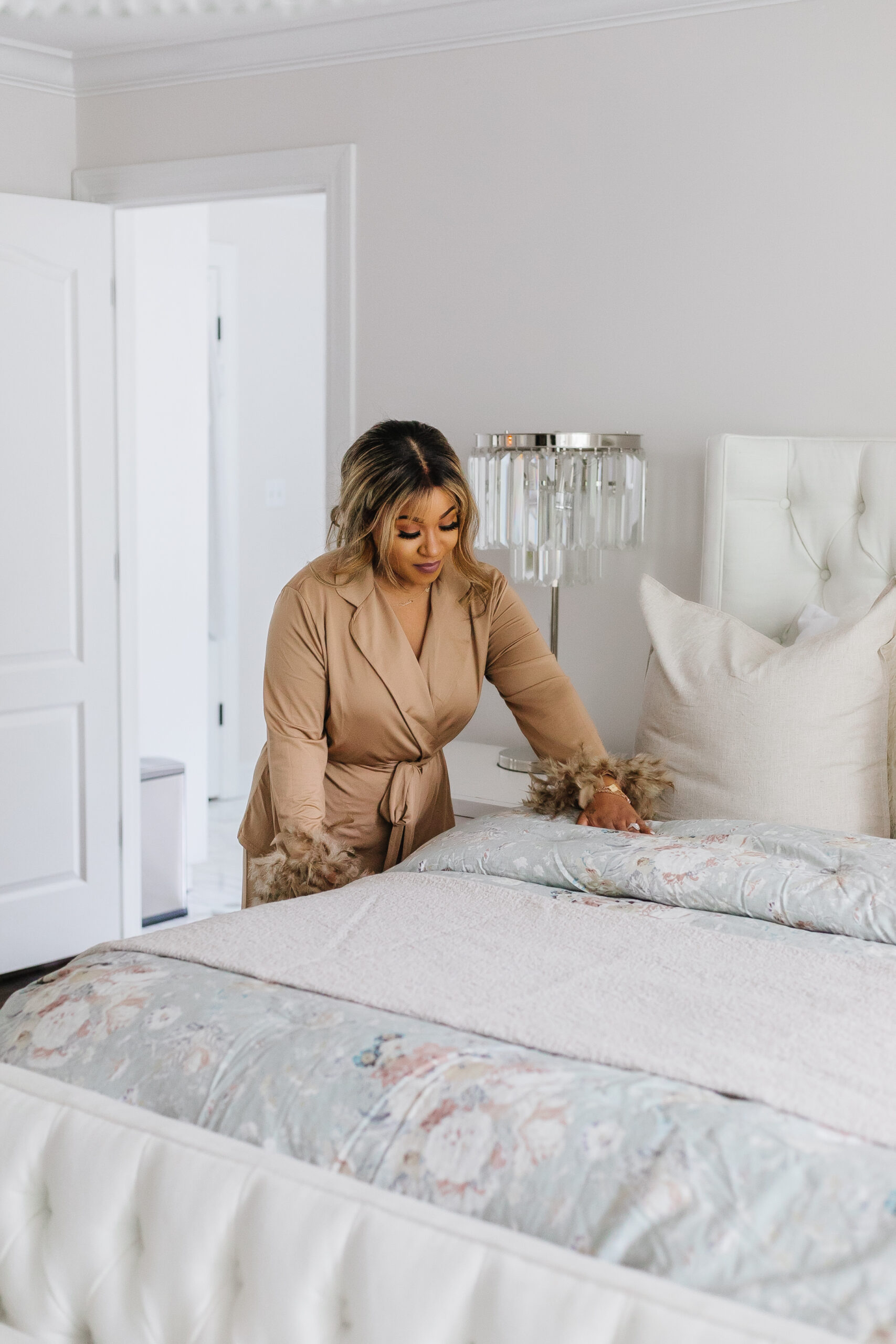
Credit: lifewithnitraab.com
Comparison: Fluffy Bed Vs. Flat Bed
Here’s a side-by-side look at the difference between a well-styled fluffy bed and a basic, flat bed:
| Feature | Fluffy Bed | Flat Bed |
|---|---|---|
| Comfort | Soft, supportive, cozy | Hard, less comfortable |
| Appearance | Inviting, luxurious, layered | Plain, uninspiring |
| Pillows | Multiple, full, arranged | Few, thin, flat |
| Layers | Several, with variety | One or two only |
| Maintenance | Requires regular fluffing | Minimal effort |
A fluffy bed clearly wins on comfort and looks, but does require a little extra care.
Best Bedding Materials For A Fluffy Bed
Choosing the right fabrics is essential. Here’s how popular materials compare:
| Material | Fluffiness | Durability | Care |
|---|---|---|---|
| Cotton (Egyptian, Pima) | High | Very Good | Easy, machine wash |
| Linen | Medium | Excellent | Gets softer with use |
| Bamboo | Medium | Good | Machine wash, wrinkle easily |
| Microfiber | Low | Fair | Machine wash, can pill |
| Down | Very High | Excellent | Dry clean or gentle wash |
| Down Alternative | High | Good | Machine wash |
Key takeaway: Cotton and down are best for fluff; microfiber is least effective.
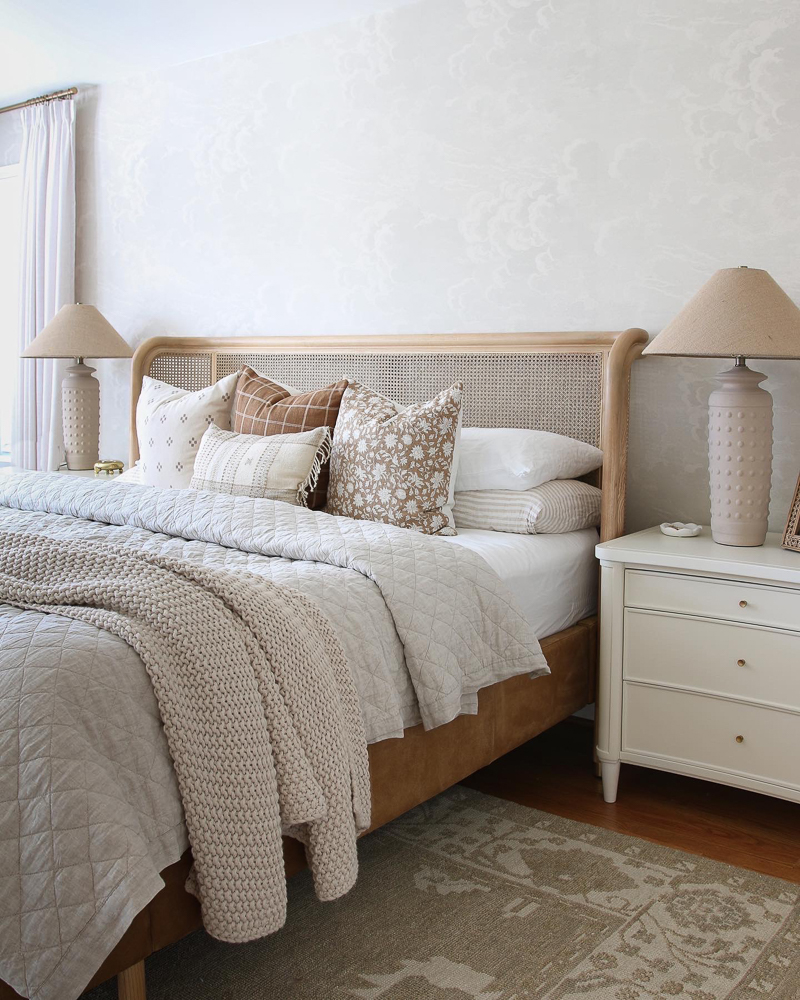
Credit: stefanasilber.com
Seasonal Adjustments For Fluffiness
Your needs change with the weather, and so should your bedding.
Summer
- Use lighter layers: A cotton quilt and a lightweight comforter.
- Choose breathable fabrics like linen or bamboo.
- Fewer pillows may be more comfortable in hot weather, but keep enough for volume.
Winter
- Add a plush mattress topper for warmth and height.
- Use a high-fill down or down alternative comforter.
- Layer on extra throws and heavy blankets.
Non-obvious insight: In humid climates, down comforters may flatten faster. Use a synthetic fill for easier maintenance.
Special Tricks For Extra Fluff
If you want to go above and beyond, try these expert tricks:
- Double up comforters: Place two lightweight comforters inside one duvet cover for a super-plush look.
- Use a duvet insert one size larger than your cover: This makes the duvet look overstuffed and fluffy.
- Layer two mattress toppers: A memory foam base with a featherbed on top creates both support and height.
- Add a faux fur or chunky knit throw: These throws add texture and make the bed look even more inviting.
- Steam your bedding: A fabric steamer can remove wrinkles and help bedding “puff up.”
Fluffy Bed Inspiration: Real-life Examples
Sometimes, seeing is believing. Here are two real-life examples of how people transformed their beds:
Example 1: The Small Apartment Makeover
Maria had a thin full-size mattress and old bedding. She added a 3-inch down alternative topper, upgraded to an oversized queen comforter, and layered two lightweight quilts under the main comforter. She also used euro shams and a faux fur throw.
The bed became the center of her room—her friends even started taking photos in her apartment.
Example 2: The Master Suite Upgrade
Jason and Priya wanted a “hotel look. ” They bought a king-size memory foam mattress, used deep-pocket sheets, and added a high-fill down comforter with a heavy cotton duvet cover. Three euro pillows, two king pillows, and three accent pillows finished the look.
They fold their comforter in thirds each morning for extra volume. Now, their bed looks magazine-ready every day.
Comparing Costs: Fluffy Vs. Basic Bedding
How much does it cost to upgrade your bed’s fluff? Here’s a general comparison:
| Item | Basic Bed ($) | Fluffy Bed ($) |
|---|---|---|
| Mattress Topper | 0 | 80–200 |
| Comforter/Duvet | 40–100 | 120–350 |
| Sheets | 20–40 | 60–200 |
| Pillow Inserts | 0–20 | 40–120 |
| Decorative Pillows/Throws | 0–30 | 60–150 |
| Total | 60–190 | 360–1020 |
While a fluffy bed can cost more, you don’t need to buy everything at once. Upgrade one layer at a time for a gradual transformation.
Environmental And Allergy Considerations
Some people worry that fluffy beds collect more dust or aren’t eco-friendly.
- Hypoallergenic bedding: Choose down alternative, bamboo, or organic cotton if you have allergies.
- Eco-friendly options: Look for bedding made with recycled materials or certified organic fibers.
- Regular cleaning: Wash all bedding frequently and vacuum your mattress to control dust.
Extra tip: If you live in a humid area, use a dehumidifier to keep bedding fresh and fluffy.
Where To Find High-quality Bedding
You can find great bedding online and in stores. Look for:
- Department stores (Macy’s, Nordstrom)
- Specialty bedding stores (Parachute, Brooklinen)
- Online retailers (Amazon, Wayfair)
- Sustainable brands (Boll & Branch, Coyuchi)
Check reviews and materials before you buy. For more details on bedding types and sleep quality, see the Bedding Wikipedia article.
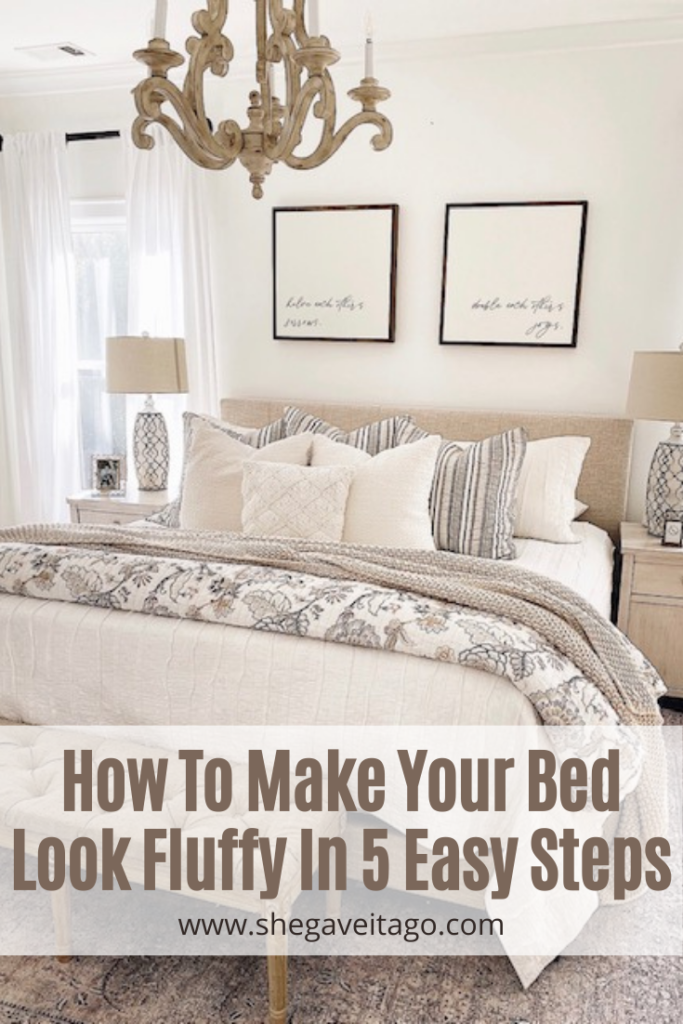
Credit: shegaveitago.com
Frequently Asked Questions
How Can I Keep My Comforter Fluffy After Washing?
Always dry your comforter with dryer balls or clean tennis balls on low heat. This helps break up clumps and redistributes the filling for maximum fluffiness. Avoid overloading your washer, and shake out the comforter before using it again.
Is Down Or Down Alternative Better For A Fluffy Bed?
Down usually gives a fluffier, lighter feel, but high-quality down alternative comforters can look just as full. Down is more expensive and requires special care, while down alternative is hypoallergenic and easier to clean.
How Many Pillows Should I Use For A Queen-size Bed?
For a classic, fluffy look: two to three euro shams in the back, two standard pillows in the middle, and one to three decorative or lumbar pillows in the front. Adjust based on your style and comfort preferences.
Can I Make My Bed Look Fluffy Without Buying New Bedding?
Yes! Try layering what you have differently, fluffing pillows every morning, and folding your comforter in thirds at the foot of the bed. Adding a few inexpensive pillow inserts or a throw blanket can also help.
How Often Should I Replace Bedding For A Fluffy Look?
Replace pillows every 1–2 years and comforters every 3–5 years, or sooner if they lose their loft. Sheets and covers last longer, but upgrade when they look thin or worn.
Creating a fluffy bed is part science, part art. With the right layers, materials, and a few smart tricks, anyone can transform their bed into a soft, welcoming oasis. Take your time, enjoy the process, and soon your bedroom will become the coziest spot in your home.