
Can You Put Aluminum Foil In The Oven
Many home cooks reach for aluminum foil without thinking twice. It’s shiny, flexible, and seems to make baking and roasting easier. But is it actually safe to put aluminum foil in the oven? There’s a surprising amount of confusion about when and how to use foil correctly. Some people worry about health risks or damaging their ovens, while others swear by foil’s convenience.
In this guide, you’ll learn everything you need to know about using aluminum foil in the oven. We’ll explore its safety, the science behind it, best practices, what to avoid, and answer common questions. Whether you’re a beginner or have been cooking for years, you’ll discover new insights and practical tips that can save you from common mistakes.
What Is Aluminum Foil And How Is It Made?
Aluminum foil is a thin sheet made from the metal aluminum. It’s usually less than 0.2 millimeters thick—about as thin as a piece of paper. Most household foil is even thinner, often just 0.016 millimeters.
The process starts with purified aluminum. This metal is heated and rolled into large, flat sheets. These sheets are rolled again and again until they become the thin, flexible foil you use in your kitchen. The shiny side comes from one surface touching the rollers, while the dull side doesn’t.
Both sides perform equally in the oven.
Aluminum foil is popular because it’s:
- Lightweight
- Resistant to moisture, light, and bacteria
- Flexible and easy to shape around food or pans
- Able to withstand high oven temperatures
Why Do People Use Aluminum Foil In The Oven?
Aluminum foil has become a kitchen staple for several reasons. Here’s why so many recipes call for it:
- Easy Cleanup: Lining trays or pans with foil means less scrubbing after baking. Grease, crumbs, and sticky sauces stay on the foil.
- Even Cooking: Foil can help food cook more evenly by reflecting and spreading heat.
- Moisture Control: Wrapping food in foil (like fish or vegetables) keeps it moist. This technique is known as “en papillote” in French cooking.
- Preventing Burning: Covering items, such as casseroles, can stop the tops from getting too brown.
- Food Separation: Foil can be shaped into “dividers” on a tray, so you can cook different foods at once without mixing flavors.
- Food Storage: You can cover leftovers with foil and put them straight in the fridge or freezer.
Is It Safe To Put Aluminum Foil In The Oven?
This is a common question, and the answer is mostly yes—with some important warnings. Aluminum foil is safe for oven use in most situations. It can handle temperatures up to 1200°F (650°C), much higher than any home oven.
But safety depends on how you use it. Improper use can damage your oven, affect food quality, or even pose health risks. Let’s break down what you need to know.
Safe Uses
- Lining baking sheets: Protects against spills and makes cleaning easier.
- Wrapping food: Keeps moisture in and prevents burning.
- Making foil packets: For steaming fish, chicken, or vegetables.
Unsafe Uses
- Lining the bottom of the oven: Can cause heat to bounce back, damaging oven components.
- Direct contact with heating elements: Foil can melt or spark.
- Using foil in a microwave oven: This is dangerous and can cause fires.
A 2012 study in the International Journal of Electrochemical Science found that cooking with aluminum foil at high temperatures can increase the amount of aluminum that gets into food, especially with acidic ingredients like tomatoes or vinegar.
Common Ways To Use Aluminum Foil In The Oven
Many recipes suggest using foil, but each method has its own best practices. Here’s a closer look:
1. Lining Baking Trays
Place foil on a baking tray before adding cookies, roasted vegetables, or meats. This catches drips and makes cleanup fast. Use the dull side up or down—both work the same.
Tip: If you’re roasting at very high heat (over 450°F), use heavy-duty foil to prevent tearing.
2. Wrapping Food
Wrapping fish, chicken, or potatoes in foil locks in steam, so food cooks gently and stays moist. This is perfect for tender fillets or juicy chicken breasts.
Example: For “baked” potatoes, scrub and dry them, poke a few holes, wrap tightly in foil, and bake at 400°F for about 1 hour.
3. Covering Dishes
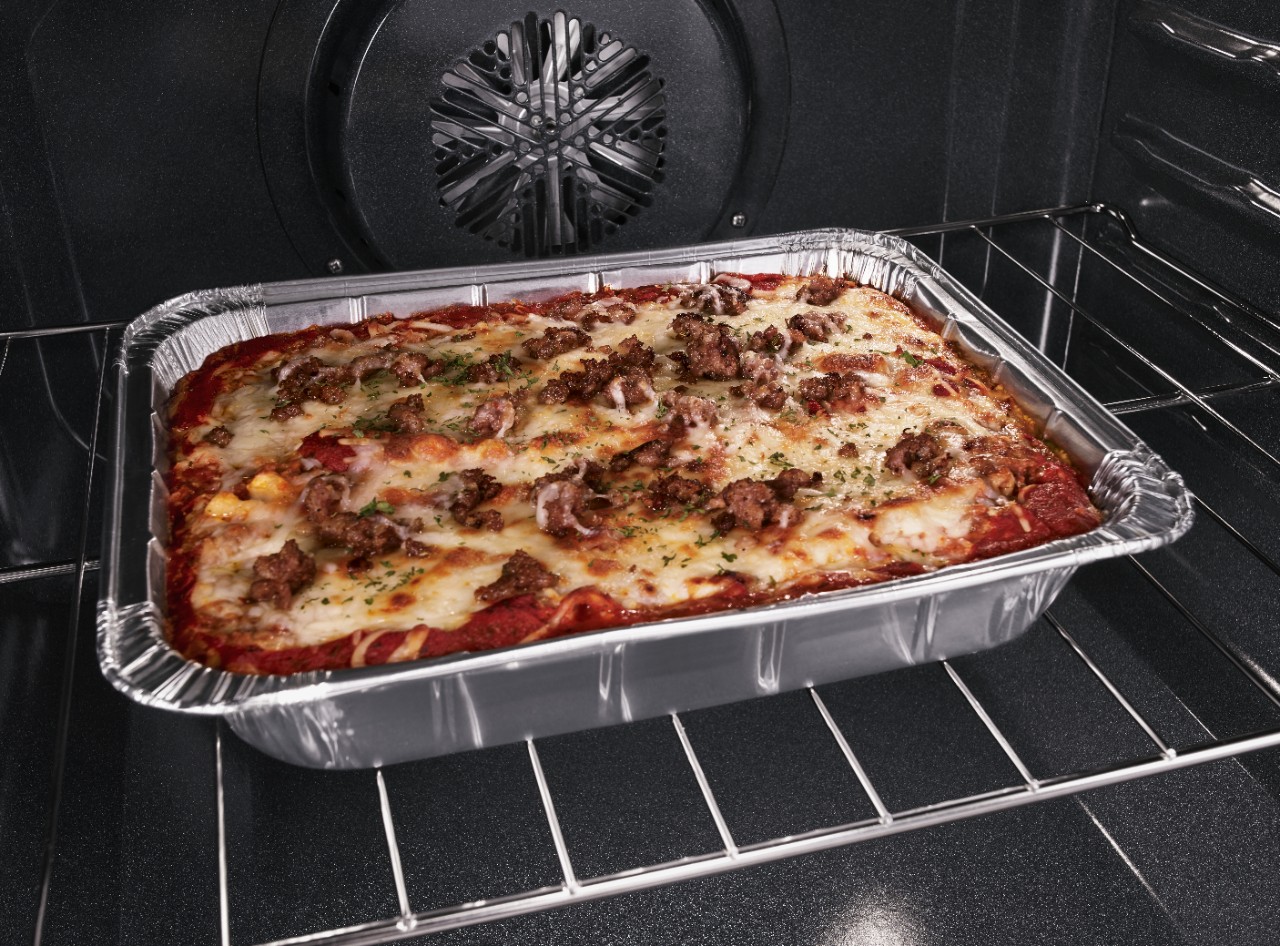
When baking casseroles, lasagna, or bread, loosely cover the top with foil. This prevents the surface from burning while the inside cooks through.
Tip: Remove the foil for the last 10-15 minutes if you want a golden top.
4. Making Foil Packets
Shape foil into packets for single servings. Add protein, vegetables, herbs, and a splash of liquid. Seal well and bake. Each packet steams its contents, keeping flavors strong.
Example: Place salmon, lemon slices, and asparagus in a packet. Bake at 375°F for 20 minutes.
5. Creating “foil Shields”
If a pie crust’s edge is browning too fast, make a ring of foil and place it over the edges. This protects the crust but lets the filling brown.
6. Oven-freezing Method
After baking, let food cool, then wrap in foil for freezing. When reheating, you can put the foil-wrapped item straight into the oven—no extra dishes needed.
When Should You Not Use Aluminum Foil In The Oven?
While foil is helpful, there are times when it’s better to skip it. Some situations can even be dangerous.
Never Line The Bottom Of The Oven
This is one of the most common mistakes. Some people think putting foil on the oven floor will catch drips and keep the oven clean. In reality, it can reflect heat and damage the oven’s heating elements. Some new ovens even warn against it in the manual.
Risk: The foil can melt, fuse to the oven surface, or interfere with temperature sensors. This may void your warranty.
Avoid Direct Contact With Heating Elements
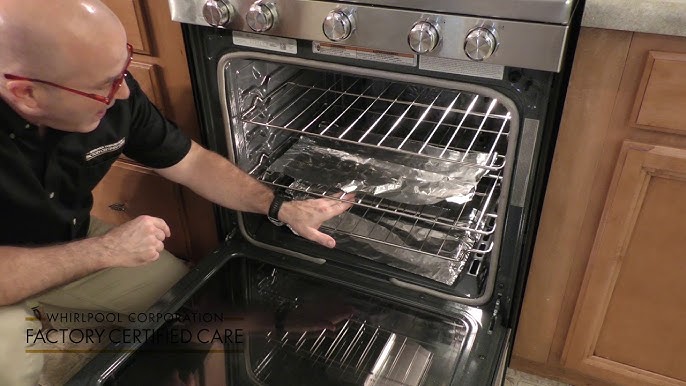
If foil touches electric or gas heating elements, it can spark, melt, or even start a fire. Always keep foil away from the very top or bottom of the oven.
Skip Foil For Acidic Or Salty Foods
Cooking tomatoes, lemon, or anything with vinegar or lots of salt? Skip the foil. Acidic and salty foods can react with aluminum, causing the foil to erode and tiny bits of metal to get into your food. It can also leave black marks or cause a metallic taste.
Don’t Use In Toaster Ovens Or Microwaves
Some smaller ovens (like toaster ovens) or microwaves aren’t designed for foil. Foil can block heat flow in toaster ovens, making food cook unevenly. In microwaves, foil can spark and cause fires.
Check your appliance’s manual before using foil.
Avoid Reusing Old Foil
If the foil is crumpled, torn, or has food stuck to it, don’t reuse it. Old foil can break and pieces might end up in your food.
Health Concerns: Does Aluminum Foil Affect Food Safety?
This topic comes up often. Aluminum is a natural element, and we all eat small amounts of it from food, water, and even medicine. The FDA says that using foil in the oven is safe for most people. But there are some details to consider.
How Much Aluminum Leaches Into Food?
When you cook with foil, a small amount of aluminum can get into your food. This amount is very low—most adults eat about 7–9 mg of aluminum each day from all sources. The World Health Organization considers up to 2 mg of aluminum per 2.
2 pounds (1 kg) of body weight per week to be safe.
Key factors that increase leaching:
- Cooking with acidic foods (like tomato sauce, vinegar, or citrus)
- Cooking at very high temperatures (above 400°F)
- Using old or scratched foil
Who Should Be Careful?
Healthy adults don’t need to worry about using aluminum foil sometimes. But certain groups should limit their exposure:
- People with kidney disease: Their bodies can’t remove aluminum as well.
- Infants and young children: Their bodies are more sensitive.
Non-obvious Insight
Worried about aluminum in your food? Use parchment paper as a barrier between food and foil. This reduces direct contact and leaching—especially useful with acidic dishes.
:max_bytes(150000):strip_icc()/GettyImages-1305835192-2e4d8b05f18447588636a655e61984f8.jpg)
Credit: www.southernliving.com
Aluminum Foil Vs Other Oven Liners: A Comparison
People often wonder whether they should use aluminum foil, parchment paper, silicone mats, or nothing at all. Here’s a comparison to help you choose the right tool for each job.
| Material | Max Temperature | Best Uses | Limitations |
|---|---|---|---|
| Aluminum Foil | 1200°F | Roasting, lining pans, wrapping food | Reacts with acids, not microwave safe |
| Parchment Paper | 450°F | Baking cookies, cakes, roasting veggies | Burns at high heat, not for grilling |
| Silicone Baking Mat | 480°F | Cookies, pastries, sticky foods | Not for broiling, more expensive |
| No Liner | N/A | Direct roasting for crispness | More cleanup, possible sticking |
Non-obvious tip: Silicone mats are best for sticky doughs, while foil excels for high-heat roasting and shaping custom trays.
The Science Of How Aluminum Foil Works In The Oven
Many cooks use foil without thinking about what it actually does in the oven. Here’s a quick look at the science.
- Heat reflection: Foil reflects radiant heat. If you cover a dish, you slow browning and keep moisture in.
- Heat conduction: Foil transfers heat quickly, so food wrapped tightly in foil cooks faster than in a glass or ceramic dish.
- Barrier: Foil blocks light, air, and moisture, which is why it’s also used for food storage.
But foil does not “block” heat completely. It slows direct browning but doesn’t keep food cold.
Myths And Misconceptions About Aluminum Foil
There are many rumors about foil use. Let’s clear up the most common:
Myth 1: Shiny Side Vs Dull Side Matters
Some believe one side of foil cooks faster. The truth? Both sides are made the same way. The difference is only from manufacturing. Use either side up.
Myth 2: Foil Makes Food Toxic
While small amounts of aluminum can end up in food, this is not a health concern for most people. The risk is very low unless you have kidney disease or eat large amounts of foil-wrapped acidic foods every day.
Myth 3: Foil Always Prevents Burning
Foil can help, but it’s not magic. Thin foil can tear or shift, and uncovered spots may still burn.
Myth 4: Oven Liners Are Always Safe
Some products sold as “oven liners” are just sheets of aluminum foil. These can block airflow and damage your oven if placed on the bottom. Always check your oven’s manual.
Best Practices For Using Aluminum Foil In The Oven
To use foil safely and get the best results, follow these expert tips:
- Read your oven manual: Some newer ovens warn against using foil in certain places.
- Use heavy-duty foil for roasting: It’s less likely to tear or leak.
- Don’t let foil touch heating elements: Space between foil and heating elements prevents melting and sparks.
- Wrap food tightly for steaming: For moist results, seal edges well.
- Leave space for air flow: Don’t block oven vents with foil.
- Don’t use foil as a drip tray on the oven floor: Place a tray on a lower rack instead.
- Recycle clean foil: Rinse and recycle to reduce waste.
Common Mistakes To Avoid
Many cooks make the same errors with foil. Watch out for these:
- Placing foil on the oven floor: This is never recommended.
- Using foil in microwaves: Sparks and fire risk.
- Cooking highly acidic foods in foil: Leads to metal leaching and bad taste.
- Reusing dirty or torn foil: Can break apart and contaminate food.
- Covering oven vents: Blocks airflow, leading to uneven cooking.
What Do Oven Manufacturers Say?
Most oven makers, including brands like GE, Whirlpool, and Bosch, have clear guidelines. Here’s a summary:
- Never line the oven floor with foil. This can void your warranty and cause damage.
- You can line baking trays or wrap food. But leave room for air to circulate.
- Don’t cover oven vents or heating elements.
- Check your manual: Some self-cleaning ovens are especially sensitive.
Aluminum Foil And The Environment
Foil is recyclable, but not all recycling centers accept it. Clean foil is easier to recycle—crumple it into a ball and check local rules.
Environmental tip: Use foil wisely. For tasks like lining pans, consider using parchment paper or reusable silicone mats when possible.
Real-life Examples: When Foil Saved The Day (and When It Didn’t)
Success story: Sarah, a busy mom, lines her roasting pan with foil every Sunday. Cleanup takes two minutes instead of twenty, and her chicken never sticks.
Failure example: Mike thought he’d save cleaning time by covering his oven’s bottom with foil. After two months, his oven wouldn’t heat properly. The repair cost $250—more than he saved on cleanup.
Lesson: Use foil smartly, but follow your oven’s guidelines.
Table: Pros And Cons Of Using Aluminum Foil In The Oven
Here’s a quick reference for deciding when to use foil.
| Pros | Cons |
|---|---|
| Easy cleanup | Not suitable for acidic foods |
| Can help food cook evenly | May damage oven if misused |
| Prevents burning and sticking | Not microwave safe |
| Reusable for storage and freezing | Can leach aluminum at high heat |
| Flexible and easy to shape | Not always recyclable if dirty |
Safer Alternatives To Aluminum Foil
If you want to avoid foil for health or environmental reasons, try these:
- Parchment paper: Great for baking cookies or roasting at moderate heat.
- Silicone baking mats: Reusable and perfect for sticky foods.
- Glass or ceramic dishes with lids: For casseroles and roasting.
- Oven-safe stainless steel trays: For crispy foods without foil.
Each option has strengths and weaknesses. Choose based on your recipe and oven settings.
Credit: www.whirlpool.ca
Aluminum Foil: Facts And Figures
- Annual US consumption: About 600,000 tons of household foil are used in the US each year.
- Recycling rate: Only about 20% of aluminum foil is recycled—mainly due to food contamination.
- Heat resistance: Regular foil handles up to 1200°F, but most baking is below 500°F.
- Thickness: Standard foil is about 0.016 mm thick; heavy-duty is about 0.024 mm.
Expert Opinions And Scientific Research
Research shows that aluminum foil is safe for most people, but improper use can cause problems. For example, the International Journal of Electrochemical Science found that acidic foods cooked in foil had up to 378% more aluminum than those cooked without foil. However, these amounts are still far below the limits set by health agencies.
Pro advice: Use foil for what it does best: lining pans, wrapping, and shielding. Don’t use it where it can block airflow or touch heating elements.
For more details, you can read this study from the Wikipedia: Aluminum foil page.
Practical Tips For Everyday Cooking
- To prevent sticking, spray foil lightly with cooking oil before adding food.
- When roasting vegetables, leave a little space between the foil and the oven’s walls for better airflow.
- For crispier results, remove foil for the last few minutes of baking.
- If you want to reheat pizza, place it on foil directly on the oven rack for a crisp crust.
- Don’t use foil if your oven has a “hidden element” or fan directly under the floor.
Frequently Asked Questions
Is It Safe To Put Aluminum Foil In All Ovens?
Most conventional ovens are fine for aluminum foil use, but not all. Always check your oven’s manual. Some ovens, especially self-cleaning or convection models, warn against foil on the bottom or near vents. Never use foil in a microwave.
Can Aluminum Foil Catch Fire In The Oven?
Aluminum foil melts at around 1200°F—much higher than any home oven. It won’t catch fire under normal baking or roasting. However, if foil touches electric heating elements or gas flames, it can spark or melt, creating safety risks.
Credit: www.youtube.com
Which Foods Should Never Touch Aluminum Foil?
Avoid using foil with highly acidic or salty foods, such as tomato sauce, citrus, or vinegar-based marinades. These foods can react with the foil, causing it to break down and leach aluminum into the food.
What Can I Use Instead Of Foil For Baking?
Try parchment paper, a silicone baking mat, or a well-greased glass or ceramic dish. These alternatives work well for most baked goods and are better for the environment.
Can I Recycle Aluminum Foil After Using It In The Oven?
Yes, as long as the foil is clean and free of food. Rinse off any grease or crumbs, crumple the foil into a ball, and check your local recycling rules. Dirty foil usually cannot be recycled.
—
Aluminum foil is a helpful tool for many oven tasks. Used the right way, it makes cooking and cleanup easier. But it’s important to know when to use it—and when not to. Always follow your oven’s instructions, avoid using foil with acidic foods, and never put it on the oven floor.
With these tips, you can cook confidently and safely, making the most of what aluminum foil has to offer.