
Installing a shower drain in a concrete floor is one of those tasks that seems complex, but with the right guidance, anyone with basic DIY skills can do it well. Whether you’re building a new bathroom or remodeling an old one, getting the shower drain right is essential.
A well-installed drain prevents leaks, stops bad odors, and protects the structure of your home. But the process is different than installing a drain in a wood subfloor because concrete is hard and heavy. You need to plan carefully, use the right tools, and pay attention to details.
This article will walk you through every step, from preparation to final testing, with clear instructions, practical tips, and expert insights.
Understanding The Basics Of A Shower Drain In Concrete
Before you start, it’s important to know how a shower drain system works, especially in a concrete floor. A shower drain has three main parts: the strainer (or grate), the drain body, and the trap. The strainer sits on the shower floor, allowing water to pass while blocking large debris. The drain body connects the strainer to the plumbing pipes. The trap is a curved section of pipe that holds water and blocks sewer gases from coming up.
Concrete floors are common in basements and ground-level bathrooms. Unlike wood, you can’t easily move or cut concrete, so planning where the drain will go is crucial. You also need to connect the drain to the main waste line, which is usually under the slab.
This means you might have to break and remove some concrete.
Why A Proper Installation Matters
A poorly installed shower drain can cause serious water damage. Leaks may not be visible right away, but over time, water can seep under the slab and weaken the structure. Mold, mildew, and musty smells can also develop. Fixing these problems is expensive and time-consuming. Doing the job right the first time protects your investment and your health.
Tools And Materials Needed
Having the correct tools and materials ready before you start will make the process faster and less stressful. Here’s what you’ll need:
Tools
- Hammer drill or rotary hammer
- Cold chisel and sledgehammer
- Reciprocating saw (for cutting old pipes)
- Pipe wrench or adjustable pliers
- Tape measure
- Level (2-foot preferred)
- Screwdriver set
- Shop vacuum
- Trowel and float (for concrete work)
- Bucket and sponge
Materials
- Shower drain assembly (suitable for tile or shower pan)
- PVC or ABS pipe and fittings (usually 2-inch diameter)
- P-trap
- PVC/ABS primer and cement
- Concrete mix (if patching)
- Rebar or wire mesh (for reinforcement)
- Gravel or sand (for backfill)
- Waterproofing membrane (if required)
- Plastic sheeting (to protect surroundings)
Safety Gear
- Safety goggles
- Work gloves
- Dust mask or respirator
- Ear protection
Pro Tip
Renting a rotary hammer for a few hours can save you a lot of effort when breaking concrete. It’s much faster and safer than using a manual chisel alone.
Credit: www.laticrete.com
Planning And Layout
Proper planning makes the difference between a smooth installation and endless frustration. Here’s what you need to consider before breaking ground.
Locating The Drain
The drain should be centered in the shower floor or placed where the slope of the floor allows water to flow easily. Use a tape measure to map out the shower area. Mark the exact center or chosen location with a permanent marker or chalk.
Checking Plumbing Connections
Find out where the main drain line runs under the floor. If you’re replacing an old shower, follow the existing plumbing. For new installations, you might need to check blueprints or use a pipe locator tool. Make sure the new shower drain can connect to the main line with a proper slope (usually 1/4 inch per foot).
Planning For Slope
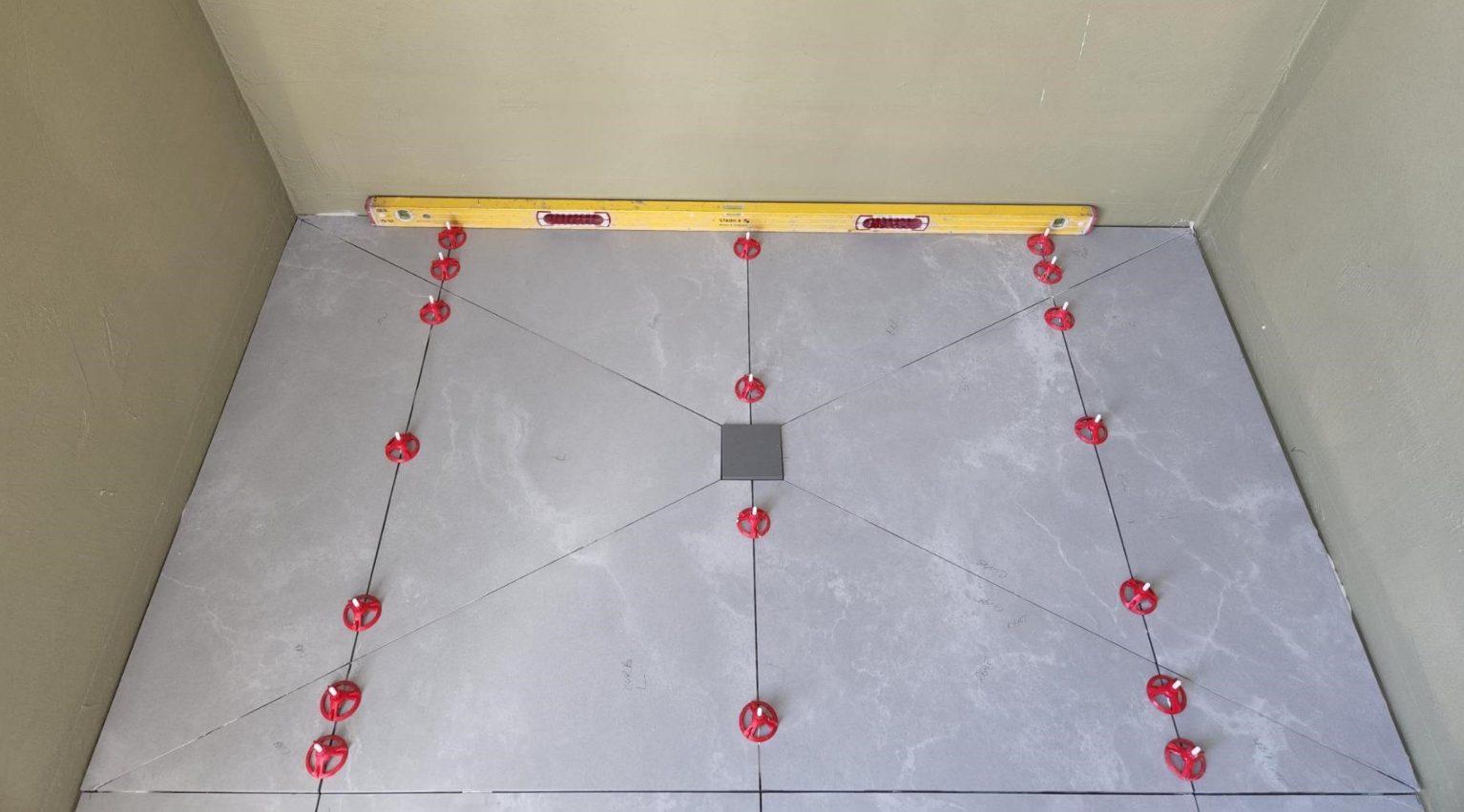
The shower floor must slope toward the drain to prevent standing water. The standard slope is 1/4 inch drop per foot from the walls to the drain. This is usually created with a mortar bed or pre-sloped foam tray.
Getting Permits
In most areas, plumbing work—especially in concrete—requires a permit. Check with your local building department before you begin. This ensures your work meets code and avoids problems when selling your home.
Breaking And Removing Concrete
This is the messiest part, but it’s essential for accessing and installing the drain.
- Mark the Area: Draw a circle around the drain location about 12–18 inches wide.
- Protect the Surroundings: Lay down plastic sheeting and move furniture or fixtures out of the way.
- Score the Concrete: Use a hammer drill with a masonry bit to drill holes along your circle. This weakens the concrete and helps control cracks.
- Break the Concrete: Use a sledgehammer or rotary hammer to break up the scored area. Start at the center and work outwards.
- Remove Debris: Scoop out broken pieces with a shovel and use a shop vacuum to clean up dust.
- Dig the Trench: Excavate the soil underneath to expose the old pipe or make space for the new drain and trap. Dig down at least 6–8 inches below the slab.
Important Tip
Be careful not to damage existing pipes or electrical lines. If you’re not sure where they are, check building plans or consult a professional.
Removing Or Modifying Old Plumbing
If you’re replacing an old drain, you’ll need to remove the existing pipe. If this is a new installation, you’ll connect to the main waste line.
- Cut the Old Pipe: Use a reciprocating saw to cut out the old drain and trap. Cut as close to the main line as possible.
- Check Pipe Type: Most modern homes use PVC or ABS pipe. Older homes may have cast iron. Make sure to buy compatible parts.
- Clean Connections: Remove any dirt or debris from the open pipe ends. This ensures a tight fit for the new parts.
Practical Insight
Sometimes, old cast iron pipes are very hard to cut. Special snap cutters or angle grinders may be needed. If you’re not comfortable with this, call a plumber.
Installing The New Drain And Trap
Now you’re ready to fit the new shower drain and connect it to the plumbing.
Dry Fit All Parts First
Assemble all parts—drain body, P-trap, and connecting pipes—without glue to check the fit. Adjust lengths as needed so the drain sits at the right height.
Set The Trap
The P-trap should be directly under the drain and no more than 24 inches from it. The trap holds water, blocking sewer gases.
- Connect the Trap: Use PVC primer and cement (or ABS if that’s your pipe type) to glue the trap to the drain line.
- Check the Slope: Use a level to make sure the pipe from the trap to the main line slopes at least 1/4 inch per foot.
- Install Drain Riser: Attach a short vertical pipe (the riser) to the trap. It should reach just below the finished floor level.
Install The Drain Body
- Fit the Drain: Place the shower drain body on the riser pipe. Adjust the height so the top of the drain will be flush with the finished shower floor.
- Secure the Drain: Some drains have a locking nut or flange to secure them to the pipe. Tighten according to instructions.
- Test for Leaks: Pour a small amount of water into the drain. Check all joints for leaks before covering with concrete.
Non-obvious Insight
Don’t glue the drain body to the riser until you’re sure of the final floor height. It’s easier to adjust now than after pouring concrete.
Backfilling And Patching Concrete
With the new plumbing in place, it’s time to close up the floor.
Backfill Carefully
- Add Gravel or Sand: Fill the trench around the pipes with gravel or sand. This provides support and helps with drainage.
- Compact the Fill: Tamp the material down by hand to prevent future settling.
Reinforce If Needed
If you cut through rebar or wire mesh in the slab, replace it before pouring new concrete. Tie new rebar into the old mesh for strength.
Mix And Pour Concrete
- Prepare Concrete: Mix according to the package instructions. A medium-stiff mix is best.
- Pour and Level: Pour concrete into the hole, stopping just below the drain body. Use a trowel to level the surface.
- Smooth and Finish: Float the surface so it matches the surrounding floor. Clean any concrete off the drain body before it hardens.
Allow To Cure
Let the concrete cure for at least 24–48 hours before walking on it or moving to the next step.
Expert Tip
Wrap the drain body with tape or plastic film before pouring concrete. This keeps it clean and prevents cement from clogging the threads or weep holes.
Waterproofing The Shower Area
Concrete is porous, so waterproofing is essential to prevent leaks.
Apply A Waterproof Membrane
There are two common methods:
- Paint-On Liquid Membrane: Use a brush or roller to coat the floor and up the walls. Let it dry according to the manufacturer’s instructions.
- Sheet Membrane: Apply thin-set mortar, lay the membrane, and press it into place. Overlap seams and seal with tape.
Seal Around The Drain
Most modern drains have a clamping ring or similar system to connect the membrane to the drain body. Follow these steps:
- Fit the Membrane: Cut a hole just big enough for the drain opening.
- Clamp or Seal: Attach the membrane to the drain using the provided clamp or adhesive.
- Check for Gaps: Make sure there are no wrinkles or gaps. Water should flow into the drain, not under the membrane.
Pro Insight
Many leaks happen where the membrane meets the drain. Take your time on this step and double-check the seal.
Credit: www.youtube.com
Building The Shower Floor Slope
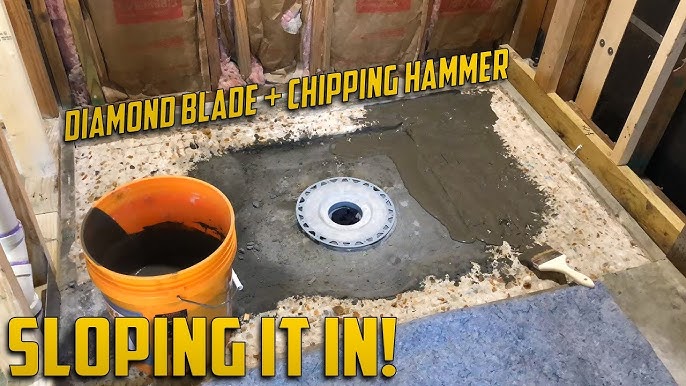
The next step is to create a sloped base, or pre-slope, so water runs to the drain.
Using Mortar
- Mix Mortar: Use a sand/cement mix. Add water until it has a “damp sand” feel.
- Set the Slope: Start at the walls and work toward the drain, keeping a consistent 1/4 inch per foot slope.
- Smooth the Surface: Use a straightedge and float to smooth the mortar.
- Let it Cure: Wait 24 hours before tiling.
Using Pre-sloped Foam Trays
Foam trays are fast and lightweight. Trim to fit your shower and set in mortar. Make sure the drain opening lines up.
Non-obvious Insight
If your floor is not level before starting, fix it first. An uneven base makes it almost impossible to get the correct slope and can cause puddles.
Installing The Final Shower Drain Assembly
Once the pre-slope and waterproofing are done, you’ll install the visible part of the drain.
Tile Shower Floors
- Set the Top Flange: Adjust the drain’s top flange so it’s flush with the finished tile height.
- Lay Tile: Cut tiles to fit neatly around the drain.
- Grout and Seal: Grout the joints and seal around the drain with silicone caulk.
Prefabricated Shower Pans
If you’re using a fiberglass or acrylic pan, follow the manufacturer’s instructions to connect the pan to the drain. Usually, this involves tightening a compression ring or gasket.
Tip
After tiling, pour water around the drain to check that it flows well and does not pool. Fix any low spots with extra grout or thin-set if needed.
Testing The Drain
Before you finish the project, test everything carefully.
Water Test
- Block the Drain: Plug the drain (using a test plug) and fill the shower with water to just below the curb.
- Check for Leaks: Leave for 24 hours. Look for signs of water under the slab or around the drain.
- Remove Plug: Let the water drain out. Watch for any slow drainage or backup.
Odor Check
A properly installed P-trap should block sewer gases. If you notice a smell, check for leaks or a dry trap.
Final Inspection
If your area requires a plumbing inspection, schedule it now. The inspector will check for proper slope, trap, venting, and waterproofing.
Common Mistakes And How To Avoid Them
Even careful DIYers make errors. Here are the most frequent mistakes and how to avoid them:
- Poor Slope: Water pools on the floor because the slope is too shallow or uneven.
- Solution: Use a level and measure the slope as you build the base.
- Loose Drain Connections: Joints are not glued or tightened properly.
- Solution: Dry fit first, then glue or tighten all connections securely.
- Skipping the Waterproofing: Water leaks under the tile or pan.
- Solution: Always use a membrane and seal it at the drain.
- Wrong Height for the Drain: The drain sits too high or low compared to the finished floor.
- Solution: Adjust the riser before pouring concrete or setting tile.
- Forgetting the Trap: The drain connects straight to the line without a trap.
- Solution: Always include a P-trap to block odors.
- Inadequate Backfill: The soil under the new concrete settles, causing cracks.
- Solution: Compact gravel or sand under the pipes before patching the slab.
- Damaging Existing Pipes: Breaking concrete without knowing what’s below.
- Solution: Locate all pipes first and break concrete carefully.

Credit: www.familyhandyman.com
Comparing Drain Types For Concrete Floors
There are several shower drain types, and not all are equally easy to install in concrete. Here’s a comparison:
| Drain Type | Best For | Installation Difficulty | Waterproofing Method |
|---|---|---|---|
| Traditional 3-piece Drain | Tiled showers | Moderate | Membrane clamped under strainer |
| Linear Drain | Modern walk-in showers | High | Membrane bonded to drain flange |
| Compression Fit Drain | Prefab pans | Easy | Rubber gasket, no membrane |
Notable Insight
Linear drains look attractive and allow for a single slope, but require precise waterproofing and are harder to retrofit in concrete.
Step-by-step Example: Installing A 3-piece Drain In Concrete
Let’s walk through a real-world example using the most common setup—a 3-piece drain for a tiled shower.
- Break and Remove Concrete: Mark a 12-inch diameter circle, break, and dig down 8 inches.
- Expose Old Pipe: Cut out the old P-trap and measure the distance to the main line.
- Dry Fit New Parts: Assemble the new P-trap and drain riser without glue.
- Check Slope: Make sure the pipe slopes 1/4 inch per foot.
- Glue Connections: Use PVC primer and cement to glue the trap and riser.
- Set Drain Height: Adjust the drain body so the top will be flush with the finished tile.
- Backfill and Patch: Add gravel, compact, and pour new concrete up to the drain.
- Waterproof: After curing, apply a membrane and clamp it to the drain.
- Build Slope: Use mortar to create a 1/4 inch per foot slope to the drain.
- Tile and Finish: Tile the floor, grout, and seal around the drain.
Cost Estimates For Diy Vs. Professional Installation
The cost of installing a shower drain in a concrete floor can vary. Here’s a rough comparison:
| Item | DIY Cost (USD) | Pro Cost (USD) |
|---|---|---|
| Tools Rental | $50 – $100 | Included |
| Materials | $100 – $250 | Included |
| Labor | $0 | $500 – $1,200 |
| Permits | $50 – $150 | $50 – $150 |
| Total | $200 – $500 | $600 – $1,500 |
Note
DIY saves money but takes more time. Professionals bring experience and warranty, which may be worth the extra cost for complex jobs.
Advanced Tips And Tricks
- Use a laser level for perfect slopes, especially in large showers.
- Install an access panel nearby for future plumbing repairs, if possible.
- Choose a drain grate that matches your tile for a seamless look.
- Double-check local codes for venting requirements. Some showers need a vent within a certain distance of the trap.
When To Call A Professional
Some situations are best handled by a licensed plumber:
- You find unexpected pipes or wires under the floor.
- The main line is very deep or hard to reach.
- Local codes are strict or require special inspections.
- You’re not comfortable with concrete or plumbing work.
In these cases, hiring a pro can save time, avoid mistakes, and ensure your warranty remains valid.
Maintenance Tips For Your New Shower Drain
Once your drain is installed, proper maintenance will keep it working for years.
- Clean the strainer monthly to remove hair and debris.
- Flush the drain with hot water every few weeks.
- Use a mild cleaner—avoid harsh chemicals that can damage pipes.
- Check for slow drainage and fix minor clogs before they get worse.
- Inspect for odors—if you smell sewer gas, pour water into the drain to refill the trap.
Frequently Asked Questions
How Deep Should I Dig To Install A Shower Drain In Concrete?
You usually need to dig down 6–8 inches below the slab to fit the new drain and trap. This gives enough room for the pipes and allows for a solid concrete patch above.
Can I Install A Shower Drain In Concrete Without Breaking The Floor?
It’s not possible to install a new drain without removing at least some concrete. The pipes must go under the floor to connect with the main waste line. However, for minor repairs, special liners or inserts can sometimes be used.
What Type Of Shower Drain Is Best For A Concrete Floor?
A 3-piece drain is the most common and reliable for tiled showers over concrete. For prefabricated pans, use a compression fit drain. Linear drains are stylish but more complex to install in concrete.
Do I Need A Permit To Install A Shower Drain In Concrete?
In most places, yes. Plumbing work in concrete usually requires a permit and inspection. This ensures your installation meets code and protects your home’s value.
Why Does My New Shower Drain Smell Bad?
A bad smell usually means the trap is dry or not installed correctly. Pour water into the drain to refill the trap. If the smell continues, check for leaks or call a plumber.
Installing a shower drain in a concrete floor is a big project, but with careful planning and the right tools, it’s within reach for a determined DIYer. Take your time at each step, follow best practices, and don’t be afraid to ask for help when needed. For more in-depth plumbing codes and standards, check resources like International Code Council. With a solid shower drain, you can enjoy your bathroom with peace of mind—knowing the water always goes where it should.