
Hanging curtains from a drop ceiling might seem tricky at first glance, but it is a practical and creative solution for many spaces. Whether you want to add privacy in an office, divide a room, or enhance the look of your basement, understanding the best ways to secure curtains to a suspended ceiling can open up new possibilities. Most people are used to hanging curtains on walls or window frames, but drop ceilings—also known as suspended ceilings—require different methods and tools. This guide will walk you through everything you need to know, from planning to choosing materials, installation, and maintenance. You’ll learn practical tips, avoid common mistakes, and discover small details that make a big difference.
Understanding Drop Ceilings And Why They Matter
A drop ceiling is a secondary ceiling that hangs below the main ceiling. It is common in offices, basements, and commercial buildings. The main structure of a drop ceiling is a grid of metal tracks suspended from the real ceiling, with lightweight panels or tiles placed into the grid. This design allows for easy access to pipes and wires above, but it’s not designed to hold much weight.
If you hang curtains incorrectly, you could damage the tiles or even cause parts of the ceiling to fall. That’s why it’s important to use the right materials and methods. The light structure of a drop ceiling means you cannot screw heavy hardware directly into the tiles or the grid without support.
Instead, you need to distribute the weight and use specialized attachments.
Benefits Of Hanging Curtains From A Drop Ceiling
Adding curtains to a drop ceiling offers several advantages beyond just looks:
- Room Division: You can quickly divide large spaces for privacy or different activities.
- Sound Control: Thick curtains can help reduce noise, making areas quieter.
- Light Blocking: Curtains can block light, which is helpful for presentations or sleeping spaces.
- Style: Fabric adds color, texture, and warmth to rooms that might feel cold or plain.
- Easy Removal: Curtains are easier to change or remove than walls or sliding partitions.
Many offices, schools, and clinics use curtains with drop ceilings for these reasons.
Planning: What To Consider Before You Start
Measure Your Space
First, measure the area where you want to hang curtains. Write down the width and height from the ceiling grid to the floor. Remember, drop ceilings are usually lower than the real ceiling, so check the height carefully. If you’re dividing a room, measure the full length you want to cover, not just the window.
Check The Ceiling Grid Type
There are two main kinds of ceiling grids:
- Standard T-bar grid: The most common, with wide metal bars in a T shape.
- Narrow grid: Thinner and less strong. These may not support as much weight.
Look at your ceiling grid and make sure it’s in good condition. If the grid is loose or damaged, fix it before adding any weight.
Weight Limits
Most drop ceiling grids can only support light loads. Standard 15/16-inch T-bars can usually hold 1-2 pounds per linear foot safely when weight is distributed. Never hang heavy objects from single points. If you’re using thick or long curtains, make sure the total weight does not exceed what the grid can handle.
Choose Curtain Style And Fabric
Decide what you want from your curtains:
- Sheer curtains: Light and decorative, good for partial privacy.
- Blackout curtains: Heavy, block most light and sound.
- Standard drapes: Medium weight, good balance of privacy and style.
The heavier the fabric, the more support you’ll need.
Decide On Curtain Track Or Rod
You have two main options:
- Curtain track: Slides easily, distributes weight evenly.
- Curtain rod: Looks more traditional, but can put more stress on mounting points.
Tracks are usually better for drop ceilings, especially for longer spans.
Tools And Materials: What You’ll Need
Before you start, gather the right tools and supplies. Here are the essentials:
- Curtain track or rod (track is recommended)
- Drop ceiling clips or hooks (designed for T-bars)
- Lightweight curtains
- Measuring tape
- Step ladder
- Screwdriver (if track needs assembly)
- Pencil or masking tape (for marking)
- Cable ties or S-hooks (optional, for extra support)
- Safety glasses (if you’re working above your head)
Optional:
- Anchor wires (for heavy curtains)
- Stud finder (if you want to anchor into the real ceiling above tiles)
Comparing Drop Ceiling Mounting Options
Here’s a quick comparison of popular ways to attach curtain hardware to a drop ceiling:
| Method | Strength | Best For | Ease of Install |
|---|---|---|---|
| Drop ceiling clips | Light to medium | Short curtains, light fabric | Very easy |
| Ceiling grid hooks | Medium | Room dividers, office curtains | Easy |
| Suspension wires | Heavy | Thick curtains, long spans | Medium |
| Direct anchor to real ceiling | Very heavy | Permanent installations | Hard |
Drop ceiling clips and hooks are the easiest for most home and office uses.
Step-by-step Guide: How To Hang Curtains From Drop Ceiling
1. Plan Curtain Placement
Mark where you want the curtains to hang. Use a pencil or masking tape. Double-check measurements for length and width. Decide if you want the curtains to go wall-to-wall or just cover a section.
Pro Tip: If you’re dividing a room, leave a small gap at the bottom of the curtain for air to flow and reduce dust buildup.
2. Assemble And Prepare Curtain Track Or Rod
If you’re using a curtain track, follow the manufacturer’s instructions to assemble it. Make sure it is the right length. For rods, check that they are straight and not too heavy.
Non-obvious insight: Some tracks come with bendable sections for corners—these can help create privacy booths or “L” shapes.
3. Attach Drop Ceiling Clips Or Hooks
Position drop ceiling clips or hooks onto the metal T-bars of the ceiling grid. These clips snap or slide onto the bar and create a secure anchor for the track or rod.
- Space clips every 12-24 inches for even support.
- For heavier curtains, use more clips and closer spacing.
Never attach clips to the ceiling tiles themselves—they are too weak.
4. Install Curtain Track Or Rod
Secure the curtain track or rod to the clips or hooks. Most tracks have holes that line up with the clips. For rods, use S-hooks or small brackets to hold them in place.
- Double-check that the track or rod is straight and level.
- Test by gently pulling on the hardware to make sure it’s secure.
5. Hang Curtains
Slide curtain hooks, rings, or grommets onto the track or rod. Attach the curtains and spread them out evenly.
- Adjust folds or pleats for the best look.
- Make sure the bottom of the curtain just touches the floor or is slightly above it.
6. Test And Adjust
Open and close the curtains to test movement. Make adjustments if the track binds or the rod sags. Add more clips if needed.
Non-obvious insight: If curtains “jump” off the track, use end-stops or small rubber bands to keep them from sliding off.
7. Secure For Safety
If you have kids or pets, make sure there are no loose cords or parts at their height. For wide spans, use anchor wires from the grid to the real ceiling above for extra strength.

Credit: www.curtain-tracks.com
Choosing The Best Curtain Track Systems For Drop Ceilings
Not all tracks work well with suspended ceilings. Here’s a comparison of popular options:
| Track Type | Max Curtain Weight | Key Features | Best Use |
|---|---|---|---|
| Plastic snap track | 10 lbs | Cheap, easy to cut | Light curtains, home |
| Aluminum track | 30 lbs | Strong, smooth glide | Medium curtains, offices |
| Steel hospital track | 50+ lbs | Very durable, can curve | Heavy curtains, medical use |
Aluminum tracks are a good balance for most home and office uses.
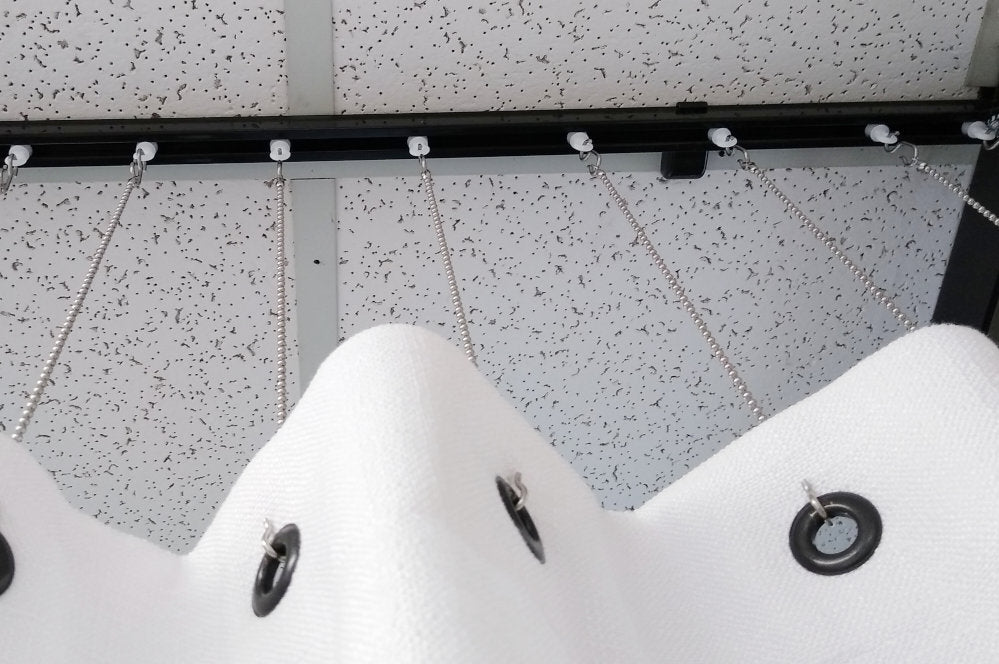
Types Of Drop Ceiling Hooks And Clips
You have several choices for attaching curtain hardware:
- Snap-on ceiling clips: Plastic or metal, snap onto the T-bar. Simple, but not for heavy loads.
- Twist-on grid hooks: Metal, twist and lock onto grid. Hold more weight.
- Magnetic hooks: Fast to install, but only work if your T-bar is steel.
- Suspension wire kits: For very heavy curtains or long spans. Run a cable from wall to wall, then hang curtain hardware from it.
Real-world example: In many clinics, twist-on grid hooks are used with hospital curtain tracks for privacy because they’re sturdy and easy to move.
Credit: curtainrodconnection.com
Mistakes To Avoid When Hanging Curtains From Drop Ceilings
1. Hanging from tiles instead of grid. Tiles can break easily and are not designed to hold weight.
2. Using too few clips or hooks. This can make the track or rod sag and eventually fall.
3. Ignoring weight limits. Too much weight can bend the grid or cause it to fall. Always check the curtain and hardware weight together.
4. Skipping safety checks. Test your installation before regular use, especially if children will be nearby.
5. Poor measurement. Misjudging the length or placement can leave gaps or drag curtains on the floor.
6. Not considering fabric shrinkage. Some curtains shrink after washing; leave a small margin.
Advanced Tips: For A Professional Finish
Hide The Track Or Rod
If you want a clean look, choose a valance or a cover to hide the curtain track. Some tracks come with snap-on covers that blend with ceiling tiles.
Add Soundproofing
If you need to block noise, use curtains with a soundproof lining. Combine with extra-thick fabric for best results.
Use Double Curtains
Install two tracks close together to hang a sheer and a blackout curtain. This gives you flexibility for light and privacy.
Curved Tracks For Corners
If you need curtains to turn a corner, buy a flexible or segmented track. These can curve around obstacles and create private booths.
Use Fire-retardant Fabrics
For commercial or public spaces, use fire-retardant curtains to meet building codes.
Maintenance And Cleaning
Regular Checks
Inspect the ceiling grid, clips, and track every few months. Look for loose hardware, sagging tracks, or damaged tiles.
Cleaning Curtains
Most curtains can be machine washed or dry-cleaned. Always follow the fabric label. Remove curtains gently to avoid pulling on the ceiling hardware.
Cleaning Tracks And Hardware
Dust tracks and rods with a microfiber cloth. If a track sticks, use a small amount of silicone spray. Avoid oil-based sprays, which can stain curtains.
Tile Care
If you need to remove a tile, slide it out carefully. Replace any broken tiles to keep the ceiling looking neat.
When To Use A Professional Installer
While many people can install curtains on a drop ceiling with basic tools, some situations call for expert help:
- Very heavy or wide curtains
- Complex room layouts
- Ceilings in poor condition
- Special requirements (e.g., fire codes, soundproofing)
A professional can ensure the installation is safe and long-lasting.

Credit: www.youtube.com
Real-life Examples And Applications
Office Privacy
Many offices use drop ceiling tracks to hang curtains around desks or meeting spaces. This is cheaper and more flexible than building new walls. Curtains can be moved as needs change.
Home Theater
Basement home theaters often have drop ceilings. Blackout curtains hung from the grid can block light and improve sound for a true cinema feel.
Medical Clinics
Hospitals and clinics use ceiling-mounted tracks to create private exam areas. Tracks are installed with sturdy grid hooks and fire-safe curtains.
Renters And Temporary Spaces
If you rent your home or workspace, hanging curtains from a drop ceiling is a non-permanent way to divide rooms or add privacy without damaging walls.
Comparing Drop Ceiling Curtains Vs. Wall-mounted Curtains
Here’s a side-by-side look at the key differences:
| Feature | Drop Ceiling Curtains | Wall-Mounted Curtains |
|---|---|---|
| Installation | No drilling, quick change | Requires screws/anchors |
| Weight Support | Limited, must distribute | Can hold heavier curtains |
| Flexibility | Easy to move/remove | More permanent |
| Best Uses | Offices, basements, rentals | Living rooms, bedrooms |
Drop ceiling curtains are best for spaces that need flexibility or where you cannot damage walls.
Frequently Asked Questions
How Much Weight Can A Drop Ceiling Hold?
Most standard drop ceiling grids can safely hold 1-2 pounds per linear foot when weight is spread out. Always use multiple clips and avoid hanging heavy curtains from a single point. For extra-heavy curtains, add suspension wires or anchor into the real ceiling above.
Can I Install Curtain Rods Instead Of Tracks?
Yes, but rods are usually less secure on drop ceilings. Curtain tracks distribute weight better and slide more smoothly. If you prefer rods for style, use many support hooks and choose lightweight rods and curtains.
What Are The Best Hooks Or Clips For Drop Ceilings?
Twist-on grid hooks and snap-on ceiling clips are popular for most homes and offices. For heavier curtains, use suspension wire kits or anchor into the real ceiling. Magnetic hooks work only if your ceiling grid is steel.
Will Hanging Curtains From A Drop Ceiling Damage The Ceiling?
If you use the right clips and do not overload the grid, hanging curtains will not damage the ceiling. Never drill into tiles or hang from a single point. If in doubt, consult a building supervisor or professional.
Where Can I Find More Information About Drop Ceiling Hardware?
You can learn more about drop ceiling systems and approved accessories on the Wikipedia Suspended Ceiling page.
Adding curtains to a drop ceiling doesn’t have to be difficult. With the right tools and careful planning, you can create stylish, flexible, and private spaces almost anywhere. Remember to prioritize safety and regularly check your installation to keep everything in top shape.
Enjoy your new space!