
Raccoons are clever and resourceful animals. When they enter your home, especially your ceiling, they bring noise, damage, and health risks. Many homeowners first realize they have raccoons when they hear scratching or thumping above their heads at night. These creatures are not just a nuisance—they can destroy insulation, chew wires, and even carry diseases.
Getting them out of your ceiling is not easy, but it is possible with the right steps and information.
Understanding how raccoons behave, why they choose ceilings, and how to remove them safely is essential. You also need to prevent them from coming back. This guide explains every detail, from signs of raccoon activity to step-by-step removal methods, safety concerns, legal issues, and long-term prevention.
If you’re dealing with raccoons above your ceiling, you’ll find expert advice, practical tips, and answers to common questions right here.
Why Raccoons Invade Ceilings
Raccoons are smart survivors. Your ceiling offers warmth, shelter, and safety from predators. In cities and suburbs, their natural homes—trees and hollow logs—are disappearing. Ceilings, attics, and crawl spaces become perfect replacements.
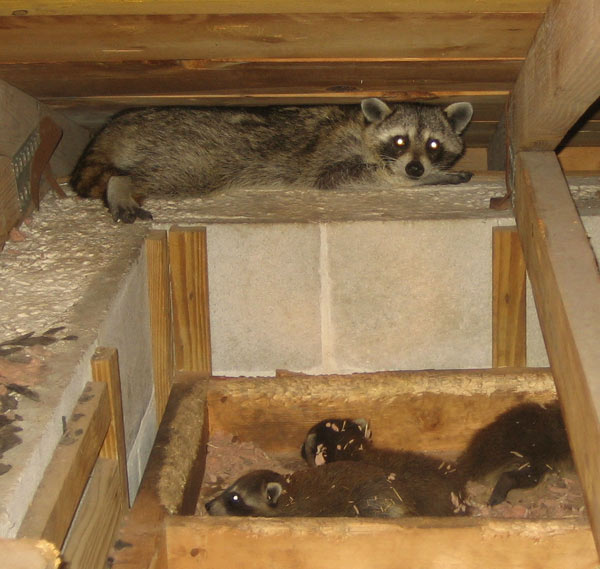
Female raccoons look for quiet, dark spaces to raise their young, especially in spring. Your ceiling, with its soft insulation, is an ideal nursery. Once inside, raccoons can stay for weeks or months. They use vents, loose shingles, roof edges, or even chimneys to get in.
Food sources nearby, like trash cans or pet food outside, attract raccoons to your property. Once they find a way in, they often return year after year unless you take action.
Signs You Have Raccoons In The Ceiling
Many people confuse raccoons with other pests like squirrels or rats. Knowing the signs helps you act quickly and choose the right removal method.
Common Clues
- Noises at Night: Raccoons are nocturnal. Listen for heavy thumps, scratching, or chattering above your ceiling, especially after sunset.
- Damage to Roof or Eaves: Look for torn shingles, bent vents, or holes near the roofline.
- Foul Odor: Raccoon urine and droppings have a strong, musky smell that can seep through your ceiling.
- Footprints and Smudges: You may see muddy paw prints on gutters, walls, or near entry points.
- Insulation Mess: If you check your attic or ceiling cavity, you might find shredded insulation and nesting materials.
How To Confirm
Set up a wildlife camera or sprinkle flour near suspected entry holes. Raccoon tracks show five long fingers, almost like small human hands. If you find droppings, compare their size and shape—raccoon feces are larger than those of rats or mice.
Dangers Of Raccoons In Your Ceiling
Ignoring raccoons is risky. They don’t just make noise—they can cause serious problems for your home and health.
Property Damage
- Chewed wires can start electrical fires.
- Destroyed insulation means higher heating and cooling bills.
- Damaged wood from scratching and gnawing can weaken your structure.
- Leaks and water damage are common after raccoons tear up roofing.
Health Risks
- Disease transmission: Raccoons can carry rabies, roundworm, and leptospirosis.
- Allergens: Droppings and urine cause strong odors and can trigger asthma.
- Parasites: Raccoons often bring fleas, ticks, and mites into your home.
Safety For Pets And Children
Raccoons are usually not aggressive, but they can bite or scratch if cornered. Their droppings may contain dangerous roundworm eggs, which are a serious health threat, especially for children.
How Raccoons Get Into Ceilings
Understanding how raccoons enter helps you find all possible entry points.
| Entry Point | How They Get In | Prevention Difficulty |
|---|---|---|
| Roof Vents | Pry off loose or weak vents | Medium |
| Chimneys | Climb inside if uncapped | Easy with chimney cap |
| Soffits & Eaves | Find gaps or chew through wood | Medium to Hard |
| Loose Shingles | Lift or pull away weak areas | Medium |
| Wall Gaps | Use storm or construction damage | Hard |
Most raccoons can fit through holes as small as 4 inches wide. They can climb rough walls and even drainpipes. If you see damage in more than one place, you may have more than one raccoon.
Step-by-step Guide: Getting Raccoons Out Of Your Ceiling
Removing raccoons is not just about chasing them out. You need to do it safely, legally, and in a way that prevents them from returning.
1. Assess The Situation
First, check if you’re dealing with a single raccoon, a family with babies, or more. Listen for chittering sounds or soft cries—these often mean babies are present. Use a flashlight to inspect your attic or ceiling cavity if it’s safe. Never touch raccoons or their droppings with bare hands.
2. Identify And Seal Entry Points (but Not Yet)
Locate every entry and exit raccoons use. Look for torn vents, holes, or loose boards. Do not seal these yet—raccoons must be out before you close anything, or they may die inside, causing more problems.
3. Choose Your Removal Method
There are several ways to get raccoons out. Each has pros and cons. Consider the season, your safety, and local laws.
A. Use One-way Exclusion Devices
Install a one-way door on the main entry point. Raccoons can exit but not return. This works best if no babies are present. If there are young raccoons, wait until they are old enough (8-10 weeks) to leave with their mother. Otherwise, you must remove the family together.
B. Encourage Them To Leave
Raccoons dislike noise, light, and strong smells. You can:
- Place a bright light in the ceiling cavity.
- Leave a radio playing talk shows or loud music.
- Use ammonia-soaked rags (wear gloves) near the nest.
- Try commercial raccoon repellents (read labels for safety).
Change your tactics every few days—raccoons can get used to one method.
C. Humane Live Trapping
Set a live trap near the entry hole, baited with marshmallows, sweet corn, or canned tuna. Check traps every few hours. Release raccoons at least 5-10 miles away, following local wildlife laws. Live trapping is riskier if babies are present. Never trap raccoons in extreme weather.
D. Call A Professional
If you’re unsure, or if the raccoons have babies, call a licensed wildlife removal expert. They know how to handle raccoons safely, check for babies, and seal entry points correctly.
4. Remove Babies Safely
If you find baby raccoons, do not separate them from their mother. Place them in a box near the entry hole at dusk. The mother will usually move them to a new site. Wear gloves and avoid touching the babies as much as possible.
5. Confirm They’re Gone
Stuff a loose ball of newspaper into the entry hole. If it stays in place for three nights, the raccoons are gone. You can also check with a camera or by listening for noise.
6. Seal Entry Points
Seal every hole with strong materials:
- Heavy-gauge wire mesh (at least 16-gauge)
- Sheet metal flashing
- Steel wool for small gaps
Check for weak spots around your roof, vents, and eaves. Trim tree branches near your house to keep raccoons from climbing.
7. Clean And Disinfect
Wear gloves, a mask, and old clothing. Remove all nesting materials, droppings, and soiled insulation. Use a disinfectant approved for animal waste (such as bleach solution). Raccoon feces may contain roundworm eggs, so take extra care.
8. Repair Damage
Replace insulation, repair wires, and fix any chewed wood. If you had water leaks, address them quickly to prevent mold.
9. Monitor For Recurrence
Check your attic and roof twice a year for new signs. Install a wildlife camera if you want early warning.
Comparison: Diy Vs. Professional Raccoon Removal
Many people try to remove raccoons themselves to save money. But sometimes, hiring a pro is a better choice.
| Aspect | DIY Removal | Professional Removal |
|---|---|---|
| Cost | $50–$300 (materials/traps) | $300–$800 (full service) |
| Skill Needed | Medium to High | Low (handled by expert) |
| Safety | Risk of bites, disease | Safer for homeowner |
| Success Rate | Lower if babies present | High, including baby removal |
| Legal Compliance | Must research laws | Handled by company |
Insight: Many homeowners underestimate the challenge of removing raccoon families, especially during baby season. If you miss one, it can die in your ceiling, causing odor and more pest problems.
Legal And Humane Considerations
Removing raccoons is not just about chasing them away. In many areas, there are laws protecting wildlife. Some states require you to use humane methods or prohibit relocating raccoons more than a few miles. You may need a permit to trap or move wildlife.
Always check your state or city’s rules before you start. Humane removal is important for animal welfare and your own safety. Never use poison—it’s illegal in many places and can harm pets or other animals.
For more information, check your local Department of Fish and Wildlife or visit the Humane Society’s guide.
Long-term Prevention: Keeping Raccoons Out For Good
Even after you remove raccoons, your home can attract them again. Prevention is the key to avoiding repeat invasions.
Secure Entry Points
- Seal all gaps larger than 2 inches around your roof, vents, and eaves.
- Use metal flashing over weak spots.
- Install chimney caps and cover roof vents with strong wire mesh.
Remove Food Sources
- Keep garbage cans tightly closed with bungee cords or locking lids.
- Bring pet food inside at night.
- Pick up fallen fruit from trees and clean up bird seed spills.
Yard And Property Changes
- Trim tree branches at least 5 feet from your roof.
- Remove wood piles or debris near your home.
- Use motion-activated lights to startle raccoons at night.
Install Deterrents
- Some people use electric fencing or ultrasonic animal repellents. These work best as part of a larger prevention plan.
Monitor Regularly
- Walk your property every few months. Look for new damage or signs of raccoon activity.
- Teach family members what to watch for.
Non-obvious tip: Raccoons are clever problem solvers. If they’re desperate, they may test every vent or shingle for weakness. Regular inspection prevents surprise invasions.
Credit: www.wildlife-removal.com
Common Mistakes When Dealing With Raccoons
Many homeowners make errors that make raccoon problems worse. Avoid these pitfalls:
- Sealing holes too early: If raccoons are still inside, they may die, causing smell and more pests.
- Ignoring babies: Removing the mother without finding the young leaves helpless, noisy, and smelly babies behind.
- Using poison or harsh chemicals: These are illegal and dangerous. They also do not solve the problem.
- Not wearing protection: Raccoon waste can transmit dangerous diseases.
- Failing to repair damage: If you don’t fix entry points, raccoons (or other animals) will return.
- Relying on repellents alone: Smells and sound can help, but rarely work as a complete solution.
How Raccoons Behave: What Makes Removal Difficult
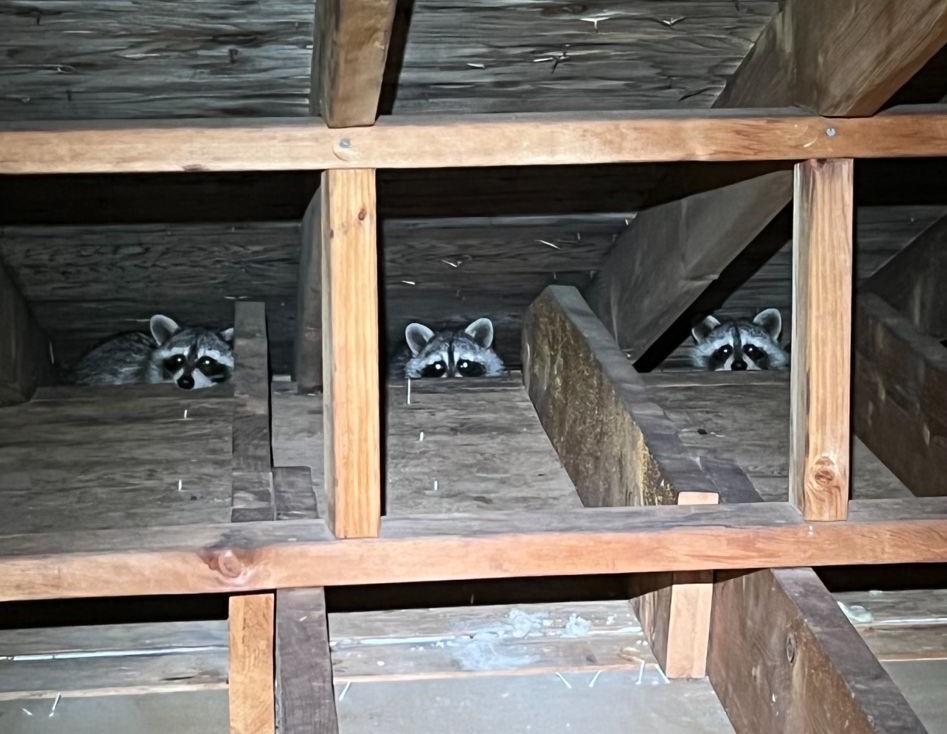
Raccoons are among the smartest urban animals. They remember food sources and entry routes for years. If a mother raccoon has raised a litter in your ceiling, she will try hard to return.
Their dexterous paws let them open latches, move loose boards, and remove vent covers. Young raccoons are quiet at first, but as they grow, they become noisy and more destructive.
Raccoons are not easily frightened for long. They can ignore loud noises or lights if they feel safe. This is why you need to mix methods and be persistent.

Credit: www.youtube.com
Safety Precautions For Homeowners
Dealing with raccoons requires care. Here are some vital safety steps:
- Wear gloves and a mask when cleaning droppings or nests.
- Never touch raccoons with bare hands.
- Keep children and pets away from affected areas.
- If bitten or scratched, wash thoroughly and see a doctor immediately—raccoons can carry rabies.
- If you feel unsure, always call a professional.
Unexpected insight: Raccoon roundworm eggs are invisible and can become airborne when cleaning. Always wet down droppings with a disinfectant before removal to avoid inhaling dust.
Costs Of Raccoon Removal And Repairs
Dealing with raccoons can be expensive if the problem is ignored. Here is a breakdown of typical costs:
| Item | DIY Cost | Professional Cost |
|---|---|---|
| Exclusion Materials | $50–$150 | Included in service |
| Live Trap Rental | $20–$40/week | Included |
| Wildlife Removal | N/A | $300–$800 |
| Cleaning & Disinfection | $30–$100 | $100–$400 |
| Insulation Replacement | $200–$1,000+ | $500–$2,000+ |
Often, insurance does not cover raccoon damage. Check your policy for details.
When To Call A Wildlife Professional
Some situations require expert help:
- You hear baby raccoons or see a large family.
- You can’t find all entry points.
- You see chewed wires or major damage.
- Raccoons return after you’ve tried removal.
- You feel unsafe or unsure about handling wildlife.
Professionals have special tools and knowledge. They can check for babies, remove all animals safely, and seal your home properly.
Frequently Asked Questions
What Time Of Year Are Raccoons Most Likely To Invade Ceilings?
Raccoons usually look for nesting spots in late winter and early spring. This is when female raccoons are pregnant and searching for safe places to give birth. However, raccoons can invade at any time if they find easy access and food nearby.
Can Raccoons Break Through Sealed Repairs?
If repairs are done with weak materials, raccoons can chew or claw their way back in. Always use heavy-gauge wire mesh, metal flashing, or solid wood. Double-check repairs after storms or strong winds.
How Dangerous Is Raccoon Roundworm?
Raccoon roundworm (Baylisascaris procyonis) is very dangerous. Its eggs can survive for years and cause serious illness if swallowed or inhaled. Always use gloves and a mask when cleaning droppings, and consider hiring a professional for heavy infestations.
Are There Any Legal Restrictions On Removing Raccoons?
Yes, many states and cities have laws about trapping, relocating, or killing raccoons. Some require permits; others ban relocation. Always check local wildlife laws, or hire a licensed removal expert who follows legal guidelines.
Will Raccoons Attack People Or Pets?
Raccoons usually avoid people and pets. They may bite or scratch if cornered or protecting their young. Never try to grab or handle a raccoon. Keep pets away from areas where raccoons are active, and call a professional if you feel threatened.
Removing raccoons from your ceiling takes patience, care, and good planning. By understanding their habits, using safe removal methods, and making your home less inviting, you can solve the problem for good. If you have doubts or face a large infestation, don’t hesitate to call a professional—they have the experience to protect both you and the wildlife.
Credit: masterattic.com