
Keeping your sofa clean is not just about appearance—it’s about comfort, health, and making your living space feel fresh. Sofas collect more than dust: they absorb sweat, food crumbs, pet hair, and even bacteria over time. Regular vacuuming helps, but sometimes your sofa needs a deep clean to remove hidden dirt and stubborn stains. Many people avoid deep cleaning their sofa, thinking it’s difficult or requires expensive tools. The truth is, with the right steps and materials, you can do it yourself and get professional-level results.
This guide will walk you through the complete process of deep cleaning your sofa. Whether your sofa is fabric, leather, microfiber, or a special material, you’ll find simple instructions, practical tips, and expert advice here. You’ll also learn some insider secrets, common mistakes to avoid, and how to keep your sofa looking great for years.
Let’s get started.
Why Deep Clean Your Sofa?
Most people clean their sofa only when they see visible dirt or stains. However, sofas trap dust mites, allergens, and even mold spores deep inside the cushions and fabric. These can affect your health, especially if you have allergies or asthma. Deep cleaning your sofa:
- Removes hidden dirt, dust, and allergens
- Extends the life of the fabric and cushions
- Gets rid of odors from pets, food, and sweat
- Makes your living space more inviting
Studies show that sofas can contain up to 12 times more bacteria than a toilet seat if not cleaned regularly. A deep clean once or twice a year keeps your home healthier and more comfortable.
Understand Your Sofa Material
Before you start, it’s important to know what kind of sofa material you have. Cleaning methods are not the same for all types. Using the wrong cleaner or too much water can ruin your sofa.
Common Sofa Materials
- Fabric: Cotton, polyester, linen, wool
- Leather: Genuine leather, bonded leather, faux leather
- Microfiber: Synthetic fibers, often polyester or nylon
- Velvet: Cotton or synthetic blends
- Specialty: Suede, silk, outdoor fabrics
Look for the cleaning tag on your sofa, usually under the cushions or attached to the frame. The tag will have a code:
- W: Water-based cleaners are safe
- S: Solvent-based cleaners only
- WS: Water or solvent-based cleaners are both safe
- X: Vacuum only, no liquids
If the tag is missing, check your sofa’s documentation or search the brand’s website. Test any cleaning solution on a hidden area first.
Gather Your Cleaning Supplies
You don’t need expensive tools to deep clean your sofa, but having the right supplies makes the job easier and safer for your furniture.
Basic Cleaning Tools
- Vacuum cleaner with upholstery attachment
- Soft-bristle brush or old toothbrush
- Microfiber cloths (at least 3-4)
- Spray bottle
- Bucket of warm water
Cleaning Products
- Mild dish soap (clear, unscented is best)
- White vinegar
- Baking soda
- Rubbing alcohol (isopropyl alcohol, for S code fabrics)
- Leather cleaner/conditioner (for leather sofas)
- Enzyme cleaner (for pet stains or odors)
- Commercial upholstery cleaner (optional)
Avoid colored or perfumed cleaners—they can stain or damage the fabric.
Optional Tools
- Steam cleaner (with upholstery attachment)
- Lint roller (for pet hair)
- Rubber gloves
Pro tip: If you have pets, wear gloves to avoid transferring oils or fur back onto your clean sofa.
Preparation: Getting Ready To Clean
A little preparation saves time and prevents mistakes.
- Remove pillows, throws, and cushions if possible. Wash removable covers according to label instructions.
- Vacuum the entire sofa—not just the surface, but under and between cushions, and along seams.
- Check for stains and note their location. Treat them first before cleaning the whole sofa.
- Protect your floor with old towels or a drop cloth, especially if using water or cleaners.
- Open windows or turn on a fan for good ventilation.
Taking these steps helps you avoid streaks, water marks, or leftover dirt.

Credit: www.youtube.com
Step-by-step: How To Deep Clean A Fabric Sofa
Fabric sofas are the most common, but they’re also the most prone to stains and odors. Here’s how to clean them safely and thoroughly.
1. Dry Clean First
Vacuuming is the first and most important step. Use the upholstery attachment to remove dust, crumbs, pet hair, and debris. Pay attention to crevices and seams. A lint roller can pick up hair and small fibers.
2. Spot-treat Stains
For tough stains (food, wine, ink, etc.):
- Blot, don’t rub. Use a clean, damp cloth to absorb as much as possible.
- Make a stain remover: Mix 1 teaspoon dish soap, 1 tablespoon white vinegar, and 1 cup warm water. Dab onto the stain with a cloth.
- Let it sit for 5-10 minutes, then blot with a dry cloth.
- For oily stains, sprinkle baking soda and let sit for 20 minutes before vacuuming.
Never soak the area—too much liquid can leave water marks or cause mold inside cushions.
3. Clean The Entire Sofa
After stains are treated:
- Mix a cleaning solution: 2 cups warm water + a few drops of mild dish soap.
- Dampen (not soak) a microfiber cloth in the solution. Wipe the sofa in small sections, using circular motions.
- For stubborn dirt, use a soft-bristle brush.
- Rinse the cloth in clean water, wring it out, and go over the sofa again to remove soap residue.
4. Deodorize And Lift Odors
Sprinkle a thin layer of baking soda over the whole sofa. Let it sit for 30-60 minutes—baking soda absorbs smells and moisture. Vacuum thoroughly.
5. Speed Up Drying
- Open windows or use a fan.
- Avoid sitting on the sofa until it’s fully dry.
- If possible, remove cushions and stand them upright.
6. Final Touches
Replace covers and cushions. Fluff pillows and check for missed spots.
How To Deep Clean A Leather Sofa
Leather sofas look luxurious but need gentle care. Using harsh cleaners or too much water can damage the surface or cause cracks.
1. Remove Dust And Dirt
Use a vacuum with a soft brush attachment. Wipe the surface with a dry microfiber cloth to remove any loose debris.
2. Clean The Leather
Mix a solution of equal parts water and white vinegar, or use a dedicated leather cleaner. Dampen a microfiber cloth (never wet) and wipe in gentle circles. Avoid soaking the leather.
3. Condition The Leather
After cleaning, apply a leather conditioner with a clean cloth. This keeps the leather soft and prevents cracking.
4. Remove Stains Carefully
- For ink stains, dab gently with rubbing alcohol on a cotton swab.
- For grease, blot with a dry cloth and sprinkle cornstarch or baking soda. Let sit, then vacuum.
Never use ammonia, bleach, or harsh chemicals.
5. Dry And Buff
Allow the sofa to air dry. Buff gently with a dry microfiber cloth for shine.
Deep Cleaning Microfiber Sofas
Microfiber is popular because it’s durable and stain-resistant. However, water can sometimes leave rings or marks, so care is needed.
1. Vacuum Thoroughly
Use the upholstery attachment to remove all dust and crumbs.
2. Spot Clean
For “S” code microfiber, use rubbing alcohol in a spray bottle. Spray lightly and scrub with a white sponge or soft brush. Alcohol evaporates quickly, reducing water marks.
For “W” code, use a small amount of soapy water.
3. Clean The Surface
Work in small sections. After cleaning, use a dry brush to fluff up the fibers—this keeps the microfiber looking soft.
4. Dry Completely
Microfiber dries fast, but don’t sit until it’s fully dry.
Specialty Sofas: Velvet, Suede, And More
Some sofas need special care. Always check the tag and test cleaners on a hidden spot first.
Velvet
- Vacuum with a soft brush.
- Mix a few drops of dish soap in water.
- Dampen a cloth and wipe gently in the direction of the nap (fabric weave).
- Let air dry, then brush lightly to restore texture.
Suede
- Use a suede brush or dry sponge to remove surface dirt.
- For stains, use a suede eraser or white vinegar on a cloth—dab, don’t rub.
- Never use water or liquid cleaners.
Silk
- Do not use water or soap.
- Vacuum gently.
- For stains, call a professional.
Steam Cleaning: When And How
Steam cleaning is effective for deep-set dirt and germs, but only use it on sofas marked “W” or “WS. ” Never use on leather, suede, or silk.
How To Steam Clean
- Fill the steam cleaner with water as directed.
- Test on a hidden area first.
- Move the steam head slowly over each section.
- Do not oversaturate—use quick passes.
- Allow the sofa to air dry for several hours.
Steam kills bacteria and dust mites, making it great for allergy sufferers.
Comparing Cleaning Methods
To help you choose the right cleaning technique, here’s a comparison of common sofa materials and cleaning approaches:
| Sofa Material | Best Cleaning Method | Drying Time | Common Mistakes |
|---|---|---|---|
| Fabric | Soap & water, baking soda | 2-4 hours | Over-wetting, harsh chemicals |
| Leather | Vinegar & water, conditioner | 1-2 hours | Too much water, ammonia/bleach |
| Microfiber | Rubbing alcohol, dry brush | 1-2 hours | Using water on S-code |
| Velvet | Soap & water (light), brushing | 4-6 hours | Scrubbing, soaking fabric |
| Suede | Brush, vinegar | 1-2 hours | Water damage, rough scrubbing |

Credit: www.youtube.com
Removing Specific Stains From Sofas
Some stains are more stubborn and need special attention. Here’s how to handle the most common sofa stains:
Food And Drink Stains
- Blot up as much as possible with a dry cloth.
- Mix 1 teaspoon mild dish soap, 1 tablespoon vinegar, and 1 cup warm water.
- Dab gently, then blot dry.
Pet Accidents
- Absorb with paper towels.
- Use an enzyme cleaner to remove odor and bacteria.
- Never use ammonia-based products (they can make the smell worse to pets).
Ink Stains
- Dab (don’t rub) with rubbing alcohol on a cotton swab.
- Test first—some fabrics may fade.
Grease And Oil
- Sprinkle baking soda or cornstarch. Let sit 20 minutes, then vacuum.
- Repeat if needed.
Red Wine
- Blot immediately.
- Sprinkle salt to absorb liquid.
- Dab with soapy water and vinegar mix.
Comparison: Stain Removal Solutions
Here’s a comparison of DIY and commercial stain removers:
| Stain Type | DIY Solution | Commercial Option | Effectiveness |
|---|---|---|---|
| Food/Drink | Dish soap + vinegar + water | Upholstery spray cleaner | High |
| Pet Urine | Enzyme cleaner | Special pet stain remover | Very High |
| Ink | Rubbing alcohol | Ink remover stick | Medium-High |
| Grease/Oil | Baking soda/cornstarch | Degreasing spray | High |
| Red Wine | Salt + vinegar | Wine stain remover | Medium |
How Often Should You Deep Clean Your Sofa?
A deep clean is not needed every week, but regular maintenance makes deep cleaning easier and more effective.
- Weekly: Vacuum and spot clean stains as soon as they happen.
- Every 3-6 months: Deep clean the entire sofa.
- If you have pets or children: Clean more often—every 2-3 months.
- After illness or allergies: Consider a steam clean to remove bacteria and allergens.
Regular care keeps your sofa looking and smelling fresh and extends its life by years.
Pro Tips And Non-obvious Insights
Here are some expert secrets most people miss:
- Use distilled water for mixing cleaners if you have hard tap water. Minerals in hard water can leave stains or rings on some fabrics.
- Rotate and flip cushions every few months. This prevents uneven wear and keeps your sofa looking plump.
- Check under the sofa. Dust and debris often collect under the frame, making the whole room feel less clean.
- Don’t overuse soap. Too much soap is hard to rinse out and can attract more dirt over time.
- Let air circulate. After cleaning, open windows or use a fan. Fast drying prevents mold and mildew.
Common Mistakes To Avoid
Even with the best intentions, mistakes can happen. Here’s what to avoid:
- Using too much water: Leads to water stains, mold, or damage.
- Rubbing stains: Makes them spread or go deeper into the fabric.
- Skipping stain tests: Always test cleaners on a hidden area.
- Ignoring manufacturer instructions: Some materials need special care.
- Not drying fully: Sitting on a damp sofa can lead to odor and mildew.
- Using colored or scented products: May cause staining or allergic reactions.
Following the right process saves you time, money, and headaches.
Credit: www.homelight.com
When To Call A Professional
Sometimes, it’s best to let the experts handle it:
- If your sofa is antique, silk, or expensive leather
- For very large or deep stains that won’t come out
- If there’s a strong, persistent odor (like mold or pet urine)
- For water or smoke damage
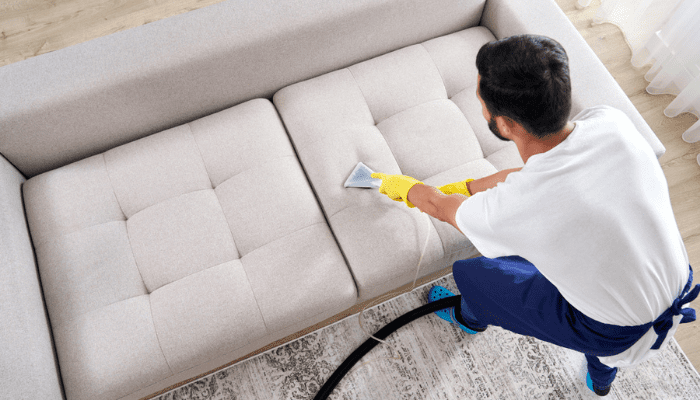
A professional cleaner has the right tools and products, and they can usually deep clean a sofa in under two hours. For more information about professional cleaning and fabric care, check out the Good Housekeeping Guide.
Keeping Your Sofa Clean Longer
Once your sofa is clean, a few simple habits help maintain it:
- Remove shoes before sitting to avoid dirt transfer.
- Keep food and drinks away from the sofa.
- Cover with a washable throw if you have pets.
- Fluff cushions and pillows regularly.
- Clean up spills immediately—don’t let stains set.
These habits prevent most stains and keep your deep-clean results lasting longer.
Frequently Asked Questions
How Do I Know If My Sofa Needs Deep Cleaning?
If your sofa smells, looks dull, or feels sticky even after vacuuming, it’s time for a deep clean. Noticeable stains, pet odors, or allergy symptoms are also signs.
Can I Use A Carpet Cleaner On My Sofa?
Sometimes, but only if the machine has an upholstery attachment and your sofa is labeled safe for water-based cleaning (W or WS). Never use on leather or specialty fabrics.
What Is The Safest Cleaning Solution For Most Sofas?
A mix of mild dish soap and warm water is safe for most fabric sofas. For leather, use a dedicated cleaner or a diluted vinegar solution. Always test first.
How Do I Get Rid Of Pet Hair On My Sofa?
Vacuum with an upholstery tool, then use a lint roller or a slightly damp rubber glove to pick up hair. For stubborn hair, a squeegee works well on fabric.
Is Steam Cleaning Safe For All Sofas?
No. Only use a steam cleaner on sofas labeled W or WS. Never steam clean leather, suede, or silk, as it can cause permanent damage.
A clean sofa makes your home more inviting, extends the life of your furniture, and helps you relax in a healthier environment. Deep cleaning may take some time, but the results are worth it. With the right tools and knowledge, your sofa can look (and smell) as good as new—no professional required.