
Decorating a wall with high ceilings is both exciting and challenging. High ceilings create a feeling of openness and grandeur, making any room feel more spacious. But, if not handled well, they can also make a space feel empty, cold, or unfinished.
Many homeowners struggle to find the right balance—how do you fill that vertical space without overwhelming the room? How do you keep a cozy atmosphere while taking advantage of the impressive height? This guide will help you understand everything you need to know about decorating walls with high ceilings, from practical design choices to creative ideas that bring personality and warmth to your home.
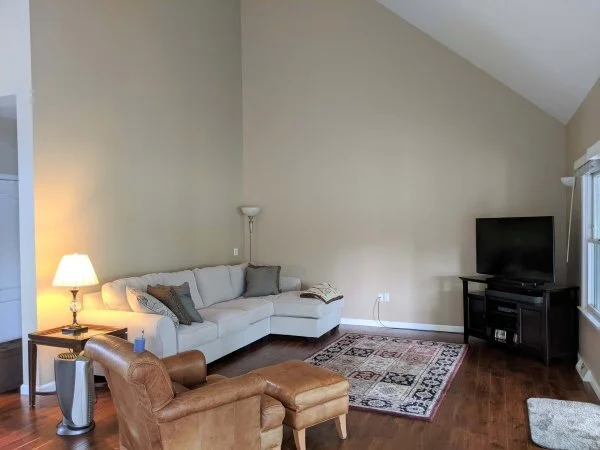
High ceilings are a dream for many, but turning that dream into a comfortable reality takes more than just hanging bigger art or adding tall furniture. It’s about understanding how to use proportion, color, and decor to connect the wall with the rest of the room.
Whether you’re working with a living room, bedroom, or entryway, you’ll discover how to use each inch of wall height thoughtfully. This article will walk you through essential strategies, expert tips, common mistakes to avoid, and inspiring ideas to help your high-ceilinged space feel complete and inviting.
Understanding The Challenge Of High Ceilings
High ceilings are often seen in luxury homes, lofts, and historic buildings. They range from nine feet to over twenty feet tall. While they add value and beauty, they also bring unique decorating challenges. A high wall can dwarf your furniture or decor, making them look lost in the space.
The wall can even become a distraction if it feels empty and blank.
Another challenge is maintaining a sense of scale. If you fill the wall with too many small items, it looks cluttered. If you leave it bare, the room feels cold. Lighting also becomes tricky—standard ceiling lights might not reach far enough, leaving dark spots or shadows.
Finally, keeping the space cozy while taking advantage of the height requires careful planning.
Key Principles For Decorating High Walls
Before choosing paint or art, it’s important to understand some basic principles that guide successful wall decoration in tall rooms.
Proportion And Scale
The most important rule is to respect proportion and scale. This means your decor should match the size of the wall. Large artworks, tall shelving units, or statement mirrors work better than small frames or tiny shelves. For example, a single 48-inch-wide painting can fill space more effectively than a group of small 8×10 frames scattered across the wall.
Vertical And Horizontal Balance
High walls draw the eye upward. To keep the room grounded, balance vertical decor (like tall shelves or drapes) with horizontal elements (such as wide sofas or benches). This prevents the room from feeling “top-heavy. ”
Layering And Depth
Layering adds depth and interest. Instead of one flat artwork, consider overlapping frames, adding sconces, or using textured wall panels. Layering helps break up the wall visually and makes the space feel more dynamic.
Connecting The Wall To The Room
High walls can feel disconnected from the rest of the space. Use colors, materials, or repeated shapes to link the wall with the furniture and floor. For example, a rug with similar colors to the wall art helps tie the look together.
Credit: carlaaston.com
Best Ways To Decorate A High-ceiling Wall
There are many ways to decorate a wall with high ceilings. The best method depends on your style, budget, and the function of the room. Here are practical ideas that work for almost any space.
1. Large-scale Art
One of the simplest ways to fill a tall wall is with large-scale artwork. Oversized paintings, photographs, or prints make a bold statement and create a focal point. Choose art that matches your color scheme and style—abstract pieces for modern rooms, landscapes for traditional spaces, or custom family portraits for a personal touch.
For very tall walls, consider stacking two or three large canvases vertically. This draws the eye upward and uses the full height without feeling overwhelming.
2. Gallery Walls
A gallery wall is a group of framed artworks, photos, or prints arranged together. On high walls, you can make the gallery much taller than usual—try stacking frames from eye level up toward the ceiling. Mix different sizes and shapes for a dynamic effect.
To keep it organized, lay out the arrangement on the floor first. Use consistent spacing (about 2-4 inches between frames) and stick to a color theme for a cohesive look. For a modern twist, include 3D objects like woven baskets or small sculptures among the frames.
3. Tall Shelving And Bookcases
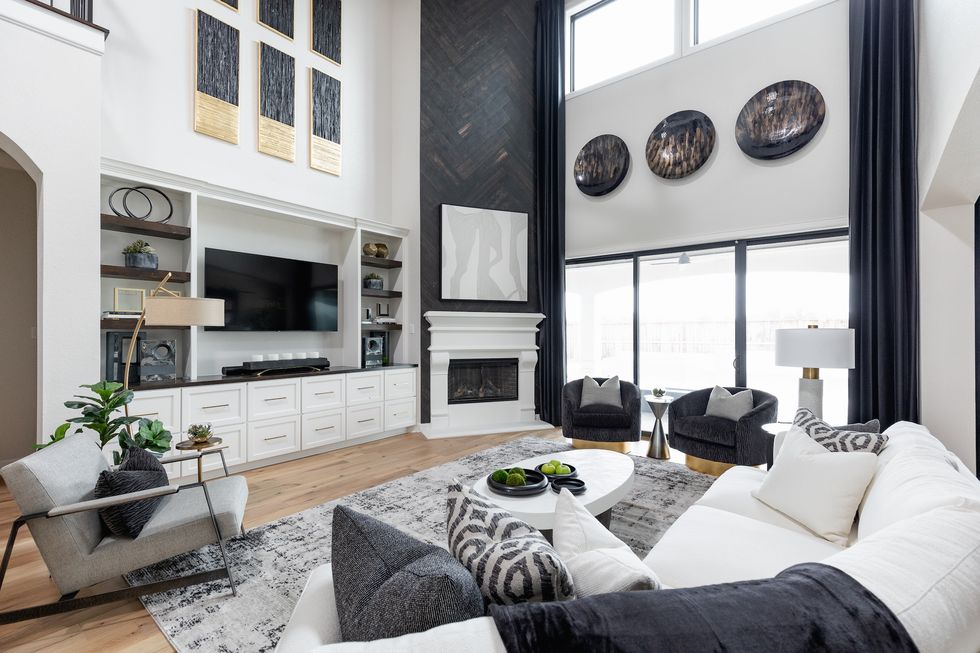
Tall shelves or bookcases are practical and beautiful. They use vertical space for storage and display. Place books, plants, art objects, or baskets on the shelves to add texture and color.
For the best effect, choose shelving units that reach at least two-thirds up the wall. Built-in bookcases or floating shelves can be customized to fit any size. If safety is a concern, secure tall units to the wall to prevent tipping.
4. Dramatic Drapery
Long curtains emphasize the height of the room and add softness. Hang floor-to-ceiling drapes above the window, as close to the ceiling as possible. This draws the eye upward and makes windows look larger.
Choose heavy fabrics for a classic look or light, sheer materials for a modern style. Layering two types of curtains (like a sheer and a blackout panel) adds depth and flexibility.
5. Statement Mirrors
A large mirror reflects light and makes the room feel even bigger. Place a tall mirror against the wall, either standing on the floor or mounted vertically. For a unique look, try a group of smaller mirrors in different shapes, arranged in a vertical line.
Mirrors work especially well in entryways, dining rooms, and living rooms. They’re practical too—helping brighten dark corners by bouncing light around the room.
6. Accent Walls And Paint Techniques
Painting one wall a bold color or using a special technique adds drama. Dark colors make a tall wall feel closer, while light colors keep the space open. Try two-tone walls, ombre effects (where the color fades from dark to light), or painted stripes to add visual interest.
Another idea is to use textured finishes—like limewash, Venetian plaster, or wallpaper—to add warmth and personality. Wall decals or murals can also cover large areas creatively.
7. Feature Lighting
Lighting is often overlooked in rooms with high ceilings. Standard ceiling lights may not be enough, so add layers of feature lighting. Tall floor lamps, wall sconces, and pendant lights help fill the vertical space and highlight your decor.
Hang a statement chandelier or a cluster of pendant lights at different heights for drama. In larger rooms, you can even add a second row of lights halfway up the wall.
8. Architectural Details
Adding architectural details like molding, paneling, or beams can break up a large wall and add character. Install crown molding near the ceiling, or use wainscoting or shiplap on the lower portion of the wall.
For a classic look, try picture frame molding or board-and-batten. These details help connect the wall to the rest of the room and create a more finished appearance.
9. Vertical Gardens
A vertical garden or living wall brings color and life to a tall space. Use wall-mounted planters or modular systems to grow real or artificial plants. Vertical gardens are perfect for bright, airy rooms or spaces that need a natural touch.
If you don’t have the time for live plants, use preserved moss panels or high-quality faux greenery for a similar effect with less maintenance.
10. Oversized Clocks Or Sculptures
Large decorative clocks or wall sculptures are perfect for high walls. They fill the space and act as functional art. Choose a clock with a bold design or a metal sculpture that fits your style.
Hang these items at eye level or slightly higher, but make sure they’re not too high to see or enjoy.
How To Decide Which Approach Is Best
Choosing how to decorate a high-ceiling wall depends on your room’s style, function, and your personal taste. Here’s a quick comparison to help you pick the right solution:
| Decor Option | Best For | Pros | Cons |
|---|---|---|---|
| Large-Scale Art | Modern or minimalist rooms | Simple, bold, easy to swap | Can be expensive |
| Gallery Walls | Personalized spaces | Flexible, creative, personal | Can look cluttered if not planned |
| Tall Shelving | Living rooms, libraries | Functional and decorative | Needs regular organizing |
| Dramatic Drapery | Bedrooms, living rooms | Adds softness, easy to change | Can collect dust, needs cleaning |
| Architectural Details | Traditional or formal rooms | Adds value, timeless look | Requires installation work |
Practical Tips For Decorating High Walls
Decorating a high-ceiling wall is not just about what you add, but how you add it. Here are some practical tips to help you succeed:
- Start at Eye Level: Place important items (like art or clocks) at eye level, then fill upward. This keeps the room comfortable and avoids neck strain.
- Use a Ladder Safely: Always use a stable ladder or scaffolding when hanging items high on the wall. If you’re not comfortable, hire a professional.
- Mix Materials: Combine metal, wood, glass, and fabric for a rich, layered look.
- Think in Zones: Divide the wall into sections—lower, middle, and upper. Decorate the lower part with furniture, the middle with art or shelves, and the upper part with lighting or architectural details.
- Keep It Cohesive: Use repeating colors, patterns, or shapes to connect the wall with the rest of the room.
- Don’t Overcrowd: Leave some empty space. Too much decor can make the room feel busy, not relaxing.
- Test Before Hanging: Lay out your arrangement on the floor first to see how it looks.
Common Mistakes To Avoid
Decorating tall walls comes with some hidden traps. Here are mistakes beginners often make—and how to avoid them:
Hanging Art Too High
Many people hang art closer to the ceiling than to the furniture. This creates an awkward gap and makes the decor hard to see. Always start at eye level, even in a tall room.
Using Only Small Items
Small frames or shelves get lost on a big wall. If you like collections, group them tightly for more impact.
Ignoring Lighting
Without good lighting, even the best decor looks dull. Add wall sconces, uplights, or tall lamps to highlight your design.
Forgetting The Lower Wall
It’s easy to focus on the upper part, but the area above your furniture needs attention too. Use large headboards, tall plants, or stacked art to connect the floor with the wall.
Not Considering Acoustics
High ceilings can make a room echo. Add fabric (curtains, rugs, upholstered furniture) to absorb sound and keep the space comfortable.
Real-life Examples
Seeing how others decorate high walls can be inspiring. Here are a few real-life examples that show what’s possible:
- In a modern loft, a homeowner used a 10-foot abstract painting to fill a brick wall, anchoring the space above a low-profile sofa.
- In a historic house, tall built-in bookcases stretch up to 14 feet, filled with books, plants, and ceramics for a cozy library feel.
- A family room with 18-foot ceilings uses a gallery wall of black-and-white family photos, starting above a large sectional and reaching nearly to the ceiling.
- In a dining room, a cluster of pendant lights hangs at different heights, creating a sculptural look and making the upper wall part of the decor.
- A living room features board-and-batten paneling up to nine feet, with a bold color above and a single dramatic mirror as a focal point.
Budget-friendly Ideas
Decorating a high wall doesn’t have to be expensive. Here are some tips for making a big impact on a small budget:
- DIY Art: Create your own large canvas paintings or digital prints. Use simple shapes, colors, or patterns for a modern look.
- Thrift Store Finds: Look for oversized frames, mirrors, or clocks at thrift stores and repaint or refinish them.
- Removable Wallpaper: Try peel-and-stick wallpaper for an accent wall. It’s easy to apply and change.
- Fabric Panels: Hang large fabric panels or tapestries as affordable, lightweight wall art.
- Plant Displays: Use wall-mounted planters or hang plants from the ceiling for a vertical garden effect.
How To Use Color And Pattern On High Walls
Color and pattern are powerful tools for transforming a tall wall. Here’s how to make them work for you:
Dark Colors For Coziness
Painting a high wall a dark color, like navy or charcoal, can make the space feel warmer and more intimate. It brings the wall visually closer and helps balance the room.
Light Colors For Openness
If you want to keep the room airy, use light shades like white, cream, or pale blue. These colors make the wall recede and keep the space feeling bright.
Patterns And Textures
Add interest with wallpaper, stencils, or painted patterns. Vertical stripes emphasize height, while horizontal stripes widen the room. Textured finishes, like grasscloth or plaster, add depth and richness.
Here’s a quick overview of how different colors and patterns affect high walls:
| Choice | Effect | Best Room Type |
|---|---|---|
| Dark Paint | Makes wall cozier, brings it closer | Bedrooms, living rooms |
| Light Paint | Keeps space open and airy | Entryways, kitchens |
| Vertical Stripes | Emphasizes height | Hallways, modern spaces |
| Textured Wallpaper | Adds warmth and depth | Formal dining, offices |
Lighting Strategies For High Walls
Lighting can make or break your high-ceiling decor. Tall walls need more than just a single ceiling light. Here’s how to get it right:
- Wall sconces: Mount these at different heights to break up the wall and add soft light.
- Pendant lights: Hang them at varying levels to fill vertical space and create drama.
- Track lighting: Use adjustable heads to highlight art or architectural details.
- Tall floor lamps: Place them in corners to brighten up dark spots.
- Picture lights: Install above or below art to make it stand out.
A non-obvious tip is to use smart lighting that allows you to change the brightness or color temperature. This way, you can adjust the mood depending on the time of day or event.

Credit: www.remodelaholic.com
When To Call A Professional
Some projects—like installing heavy art, tall bookcases, or custom molding—can be tricky. If you’re not comfortable with ladders or power tools, or if your decor is expensive or fragile, it’s smart to hire a professional. They have the right tools and experience to handle tall walls safely.
Maintenance And Upkeep
Decorating a high wall is just the beginning. Keeping it looking good takes a little extra work:
- Dust regularly: Use an extendable duster for shelves, art, and molding high up.
- Check hardware: Make sure heavy items stay secure over time.
- Clean fabrics: Wash curtains or tapestries as needed to avoid dust buildup.
- Water plants: If you have a vertical garden, plan for easy watering and trimming.
One often-missed tip is to take a photo of your wall after decorating. This makes it easier to remember how things looked if you ever have to take items down for cleaning.
Combining Multiple Ideas
You don’t have to pick just one approach. Some of the most beautiful high-ceiling rooms combine several ideas. For example, you might pair a tall bookcase with a gallery wall above, or use dramatic drapes alongside a vertical garden. The key is to keep the look balanced—don’t overload the wall, but don’t leave it feeling empty either.
For more inspiration and design science, the Architectural Digest website offers expert advice and real home tours.
Frequently Asked Questions
How High Should I Hang Art On A Tall Wall?
Always start at eye level—about 57 to 60 inches from the floor to the center of the art. For very tall walls, you can stack pieces upward, but keep the main focus where people can see it easily.
What Size Art Is Best For A Wall With High Ceilings?
Choose large pieces—at least 1/2 to 2/3 the width of your furniture or wall section. For very wide walls, consider several large pieces or a gallery wall to fill the space.
How Do I Make A High-ceiling Room Feel Cozier?
Use dark paint, soft textures, layered lighting, and large-scale decor. Add curtains, rugs, and upholstered furniture to absorb sound and add warmth.
What Are The Best Colors For High Walls?
Both light and dark colors can work. Light colors make the room open and airy, while dark shades bring the wall closer and add coziness. Choose based on the mood you want.
Can I Use Wallpaper On A Tall Wall?
Yes! Wallpaper is a great way to add pattern and interest. Try large patterns or textured papers for a bold look. Removable options are good for renters or those who like to change styles often.
Decorating a wall with high ceilings is a rewarding project that can transform your home. With the right ideas, careful planning, and a few creative touches, you can turn even the tallest wall into a stunning highlight of your living space.
Credit: www.elledecor.com