
Kittinger furniture has a unique place in American history and design. Known for its fine craftsmanship and long tradition, owning a Kittinger piece means you’re holding a part of the past. But how can you tell when a Kittinger piece was made?
Dating Kittinger furniture is not always simple, but it’s possible with the right knowledge and attention to detail. Whether you’re a collector, dealer, or just curious about your own piece, learning how to date Kittinger furniture can unlock stories, boost value, and help you appreciate the artistry behind each item.
In this guide, you’ll discover how to date Kittinger furniture confidently. You’ll learn what marks to look for, how styles changed over time, and why certain details matter more than others. By the end, you’ll have the tools to make informed decisions and avoid common mistakes.
Let’s explore how to reveal the true age of Kittinger furniture.
The Legacy Of Kittinger Furniture
Kittinger is a name that stands for quality and tradition. Founded in 1866 in Buffalo, New York, the company built a reputation for making fine, handcrafted furniture. Over the years, Kittinger produced everything from dining tables to desks, often in classic American and Colonial styles.
The company is famous for its work with the Colonial Williamsburg Foundation, creating exact reproductions of historic pieces. This partnership lasted for decades, and these reproductions are highly prized today.
Unlike many furniture makers, Kittinger focused on quality over quantity. Each piece was carefully constructed, with attention to wood selection, joinery, and finish. This commitment to craftsmanship means Kittinger pieces often outlast their mass-produced competitors.
Understanding this history helps when dating Kittinger furniture. Many pieces were made for special clients or as part of limited collections. The company’s records, style changes, and branding methods reflect shifts in both taste and technology.
Why Accurate Dating Matters
Knowing the date of your Kittinger furniture is not just about curiosity. It can greatly affect:
- Value: Older or rare pieces may be worth more.
- Restoration decisions: Restoring a valuable piece in the wrong way can lower its value.
- Historical interest: The date connects your item to a specific time and place.
- Collecting: Some collectors focus on certain periods or labels.
A misdated piece may be sold for far less than it’s worth or, worse, be altered in a way that loses its historical charm.
Key Features To Examine
When dating Kittinger furniture, you need to look at several details. No single clue gives the full answer—accurate dating comes from piecing together information. Here’s what to check:
1. Kittinger Labels And Marks
Kittinger used different labels and marks over the years. These are often found on the inside of drawers, under tabletops, or on the backs of pieces.
Some key types include:
- Brass plaques: Used on high-end or special order pieces, especially mid-20th century.
- Paper labels: Earlier items (late 1800s to early 1900s) often have paper labels glued on.
- Burned-in marks: Some 20th-century pieces have the Kittinger name burned or stamped into the wood.
- Stenciled numbers or names: Used for tracking collections or custom orders.
The style, color, and wording of the label can help pinpoint a date range.
2. Construction Techniques
The way a piece is made tells a lot about its age. Kittinger used traditional methods, but these evolved with technology:
- Hand-cut dovetails: Early drawers (late 1800s) often have uneven, hand-cut joints.
- Machine-cut dovetails: By the early 1900s, Kittinger used machines, making joints more uniform.
- Screws and nails: Older pieces use slotted screws and hand-forged nails. Phillips screws or staples mean a much later date.
- Finish: Shellac and varnish were common in earlier periods; lacquer became popular later.
3. Styles And Collections
Kittinger produced different styles over the decades. The look of a piece can often suggest an era:
- Victorian and Eastlake (late 1800s): Carved details, dark woods.
- Colonial Revival (1900-1940): Simpler lines, often mahogany or cherry.
- Williamsburg Reproductions (1937 onward): Accurate copies of Colonial American pieces.
- Modern lines (1950s-1970s): Cleaner, lighter, sometimes with minimal decoration.
4. Serial Numbers And Catalog Codes
Many Kittinger pieces have numbers stamped or written on them. These numbers can match old catalogs, allowing you to find production years and original descriptions. Not all numbers are dates, but they can be a major clue.
5. Hardware
Handles, knobs, and hinges reveal age. Originals are often brass or wood and may show signs of hand finishing or casting. Replaced hardware may indicate repairs or later alterations.
6. Wood Types
Kittinger used quality woods that changed as supplies and styles shifted. Mahogany and cherry dominated many periods, but walnut, maple, and oak also appear. The species, grain, and finish can support other clues.
7. Condition And Patina
Older pieces show wear, but genuine patina—like small scratches, color changes, and smoothness—usually develops over decades. Uniform color or modern finishes may signal newer production or restoration.
Understanding Kittinger Labels Over Time
The label is often your best starting point when dating Kittinger furniture. Over the years, the company changed its labeling methods. Here’s a guide to the main types:
| Label Type | Years Used | Description |
|---|---|---|
| Paper Label (Kittinger & Buffalo, N.Y.) | Late 1800s–1920s | Simple glued paper, serif fonts, often yellowed or worn |
| Burned-in Mark (KITTINGER) | 1930s–1950s | Branding iron mark, usually on drawer edges or underside |
| Brass Plaque (Kittinger/Colonial Williamsburg) | 1937 onward | Rectangular brass plate, screw-fixed, used on reproductions |
| Modern Paper Label (color logo) | 1970s–present | Bright colors, often “Kittinger Buffalo, N.Y.” or similar wording |
If your piece has a brass Colonial Williamsburg plaque, it was made after 1937. If the paper label says “The Kittinger Company,” it’s likely from the early 20th century.
Special Collections And Labels
Some Kittinger items were made for government buildings, embassies, or hotels. These may have added labels or numbers. For example, Kittinger made furniture for the White House during several administrations. These pieces have special branding and documentation.
How To Locate And Read Serial Numbers
Kittinger serial numbers are often hidden but worth finding. Common locations include:
- The back or underside of dressers and tables
- Inside drawers, on the side or bottom
- Near or under labels
Not all numbers are serials—some are assembly or model numbers. A typical Kittinger serial might look like “WB-33-105,” where “WB” refers to the Williamsburg line, “33” the style, and “105” the item number.
Cross-referencing these codes with Kittinger catalogs or Williamsburg archives can reveal production dates and style details. Libraries and some online resources have scanned catalogs you can use.
Comparing Kittinger Styles By Decade
Stylistic changes help narrow down the era of a piece. Here’s a comparison of Kittinger’s main styles over different decades:
| Decade | Popular Styles | Key Features |
|---|---|---|
| 1890s–1910s | Victorian, Eastlake | Ornate carving, dark stains, turned legs |
| 1920s–1940s | Colonial Revival | Mahogany/cherry, simpler lines, brass pulls |
| 1937–1970s | Williamsburg Reproductions | Exact Colonial copies, brass plaques, period hardware |
| 1950s–1970s | Modern/Transitional | Clean lines, lighter finishes, less ornament |
| 1980s–present | Custom/Contract | Mix of styles, higher use of custom codes/labels |
When you identify the style, compare it with known trends from Kittinger’s history. For example, a Queen Anne chair with a Williamsburg plaque is likely mid-20th century, not 18th century.
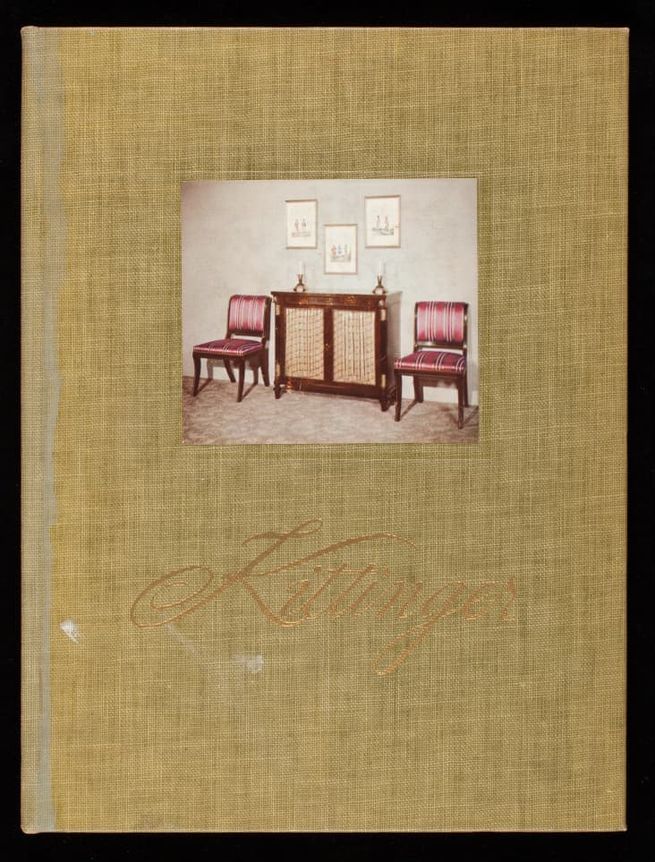
Credit: www.historicnewengland.org
Step-by-step Guide To Dating Kittinger Furniture
Let’s put it all together. Here’s a practical process to follow:
- Locate the Label or Mark
- Carefully check drawers, backs, and undersides.
- Take a photo for reference.
- Examine the Label Details
- Note the material (paper, brass, burned-in).
- Record exact wording and logo style.
- Look for Serial or Model Numbers
- Write down any numbers or codes.
- Note their location and format.
- Assess the Construction
- Check joint types (dovetails, dowels, screws).
- Identify the finish (shellac, lacquer, etc. ).
- Look at the underside for tool marks.
- Identify the Style
- Compare lines, legs, and ornament to known Kittinger designs.
- Use catalogs or online galleries for visual matches.
- Check Hardware
- Examine handles, hinges, and screws.
- Look for signs of replacement (new screws in old wood).
- Consider the Wood
- Identify the main wood type.
- Note grain, color, and finish.
- Research Catalogs and Online Archives
- Search for your label and serial number in old Kittinger catalogs.
- Use reputable sources like museums or collector forums.
- Cross-Reference All Clues
- No single detail is enough—combine label, style, and construction for accuracy.
- Consult an Expert for Unusual Cases
- If you have a rare piece, contact a furniture historian or Kittinger dealer.
Non-obvious Insights For Dating Kittinger Furniture
Many beginners miss these advanced tips:
- Labels can be reused. Sometimes, older Kittinger labels were kept in stock and applied to furniture made slightly later. Always check construction and style to confirm.
- Restorations can hide clues. A refinished piece may have lost its label, or hardware may have been swapped. Look for filled holes, different screw types, or uneven wear.
Another point: Kittinger sometimes made “in the style of” pieces for hotels or offices. These may not match cataloged lines but still have classic construction. Don’t assume an unlisted style is not authentic—compare all features.

Credit: live.thomastonauction.com
Mistakes To Avoid When Dating Kittinger Furniture
Even experienced collectors can make errors. Here are common pitfalls to watch out for:
- Relying only on style: Some designs were reproduced for decades.
- Ignoring hardware changes: Later repairs can add modern hardware, confusing the date.
- Assuming all plaques mean the same age: Brass plaques have been used for a long period; check other clues.
- Misreading catalog numbers: Not all numbers are dates—some are batch or order codes.
Take your time. If something doesn’t match, research further.
How Kittinger Compares To Other American Furniture Makers
Kittinger stands out for its focus on quality and historical accuracy. Here’s a brief comparison with other well-known brands:
| Brand | Main Period | Key Features | Label Type |
|---|---|---|---|
| Kittinger | 1866–present | Colonial revival, museum reproductions, custom work | Paper, burned-in, brass plaques |
| Drexel | 1929–present | Mid-century modern, French provincial, broad lines | Paper, stamped |
| Hickory Chair | 1911–present | Traditional and custom, museum partnerships | Paper, metal, burned-in |
| Baker | 1890–present | High-end, designer collaborations | Paper, brass plaques |
Kittinger’s close work with museums and historical sites is unique. The company’s attention to detail and use of premium materials make its pieces highly collectable.
How To Use Kittinger Catalogs And Resources
Old catalogs are a gold mine for dating furniture. Many libraries and historical societies have Kittinger catalogs in their collections. You can also find digital scans on sites like the Colonial Williamsburg Foundation or auction house archives.
When using a catalog:
- Match your piece’s style and label to catalog photos and descriptions.
- Check for model numbers and compare features like size, hardware, and finish.
- Note that catalog years sometimes lag behind actual production, so use a range.
If you need extra help, consider posting on collector forums or contacting the Kittinger company directly. Sometimes, an email with clear photos is enough for an expert to help you.
The Role Of Reproductions
Kittinger is famous for its Colonial Williamsburg Reproductions. These are not fakes but high-quality copies of historic pieces, made with great care. Dating these is important because:
- Early reproductions (1937–1960s) often have more handwork and early plaques.
- Later reproductions may use more modern finishes or hardware.
- Some reproductions are now old enough to be antiques themselves.
When you find a Williamsburg plaque, compare it to catalog images and look for signs of age.
The Influence Of Commissioned And Custom Pieces
Kittinger also made many custom and contract pieces for important buildings, hotels, and government offices. These may have special codes or labels not seen in regular catalogs. For example, the White House West Wing has Kittinger desks and chairs with unique marks.
If you suspect you have a commissioned item:
- Research the client history (hotel, government, etc. ).
- Compare with public records or photos of the interiors.
- Value can be much higher for famous commissions.
Practical Tips For Kittinger Collectors
If you’re collecting Kittinger furniture, remember these tips:
- Document everything: Take photos of labels, numbers, hardware, and construction.
- Avoid heavy restoration: Original finish, even if worn, is usually more valuable.
- Store catalogs and receipts: Provenance helps with dating and value.
- Be wary of deals “too good to be true”: Authentic Kittinger is rarely cheap at resale.
A non-obvious insight: Sometimes, Kittinger pieces appear in estate sales or auctions without full documentation. If you can confidently date and identify a piece, you may find undervalued treasures.
When To Seek Professional Help
Some Kittinger pieces are so rare or altered that only an expert can date them accurately. If you encounter:
- Missing or damaged labels
- Unusual styles or custom features
- Pieces with possible White House or museum history
Contact a furniture appraiser, museum curator, or the Kittinger company. They may ask for clear photos, measurements, and descriptions.
The Future Of Kittinger Collecting
Interest in Kittinger furniture remains strong, especially as people rediscover quality craftsmanship. As more records become available online, dating and authenticating pieces will get easier. However, the best tool is still your own careful observation—learning to read the signs of age, style, and construction.
If you want to go deeper, the Colonial Williamsburg Foundation is a trusted source for information about Kittinger’s reproductions and history. You can visit their site at Colonial Williamsburg Foundation.
Owning Kittinger means owning a piece of American history. With patience and the right techniques, you can date your furniture and enjoy the stories it brings.
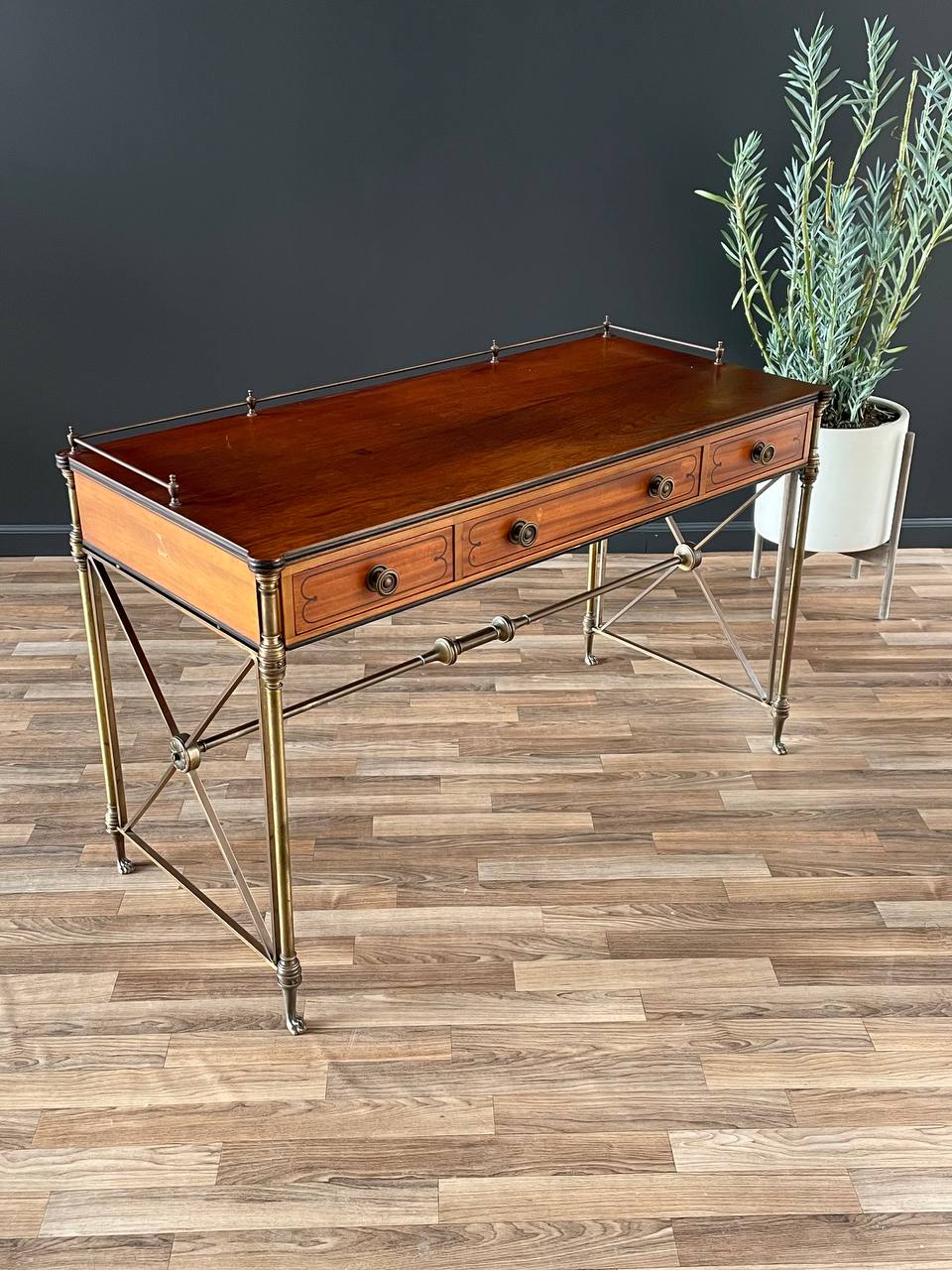
Credit: vintagesupplystore.com
Frequently Asked Questions
What Is The Most Valuable Kittinger Furniture?
The most valuable Kittinger pieces are usually early items from the late 1800s, custom commissions for famous buildings, and rare Colonial Williamsburg reproductions with original labels and documentation. Provenance, condition, and rarity affect value.
Where Do I Find Serial Numbers On Kittinger Furniture?
Serial numbers are often hidden on the back, underside, or inside drawers. Look for stamped, written, or burned-in codes. Not all numbers are serials—some may be batch or model numbers.
How Do I Know If My Kittinger Is A Williamsburg Reproduction?
Check for a brass plaque reading “Kittinger/Colonial Williamsburg” and compare the style with catalog images from the Colonial Williamsburg line. The plaque is usually on the back or inside of the piece.
Can Kittinger Furniture Be Restored Without Lowering Value?
Light restoration to preserve structure is fine, but avoid heavy refinishing or replacing hardware. Original finish and parts are most valuable. If in doubt, consult a professional restorer with experience in antiques.
Are There Fake Kittinger Pieces?
Fakes are rare, but sometimes pieces are misrepresented as Kittinger. Always check for authentic labels, construction details, and catalog matches. If the price seems too low or the story seems off, be cautious.
Dating Kittinger furniture is part art, part science. With careful study and attention to detail, you can unlock the history behind every piece. This knowledge not only helps you protect your investment but also deepens your appreciation for one of America’s finest furniture makers.