
Cleaning natural stone floor tiles can be a challenge, but it’s also rewarding. These tiles are beautiful, long-lasting, and make any room feel special. But if you clean them the wrong way, you risk dulling their shine or even damaging their surface. Many people don’t realize that natural stone is not the same as ceramic or porcelain tile—it needs extra care. Harsh chemicals, too much water, or wrong tools can create permanent problems. By learning the right steps, you protect your investment and keep your floors looking great for years.
In this guide, you’ll discover everything you need about how to clean natural stone floor tiles. We’ll cover daily care, deep cleaning, stain removal, and how to avoid common mistakes. You’ll also find practical tips, product comparisons, and expert advice that’s easy to follow, even if you’re a beginner. Let’s make your natural stone floors shine safely and beautifully.
Understanding Natural Stone Floor Tiles
Natural stone tiles come from real rocks, not factories. Each tile is unique, with patterns and colors that make your home special. But not all stones are the same—some are soft, some are hard, some are shiny, and others are matte.
The type of stone affects how you clean and care for your floor.
Types Of Natural Stone Tiles
- Marble: Known for elegant veining and a smooth, shiny finish. Marble is soft and can scratch or stain easily.
- Granite: One of the hardest stones, granite is tough and resists stains, but still needs proper care.
- Limestone: Has a soft, matte look. It’s porous, which means it can absorb water or spills.
- Travertine: Famous for its warm tones and small holes. It’s softer than granite but harder than marble.
- Slate: Has a natural, rough texture. Slate is durable but can flake if not sealed.
- Sandstone: Often used outdoors. It’s rough and very porous.
- Quartzite: Looks like marble but is as strong as granite.
Each stone type needs slightly different cleaning techniques. Always check the manufacturer’s instructions for your specific tile.
Why Natural Stone Needs Special Care
Natural stone is porous. This means it has tiny holes you can’t see, where dirt, water, or cleaners can get trapped. Over time, these can cause stains, dull spots, or even cracks. Some stones, like marble and limestone, are also sensitive to acids—even lemon juice or vinegar can damage them.
That’s why you need cleaners made for stone, and gentle tools.
Common Mistakes People Make
- Using vinegar, bleach, or regular bathroom cleaners
- Scrubbing with hard brushes or pads
- Letting water stand on the floor
- Skipping regular sealing
Avoiding these mistakes can save you a lot of money and effort.
Daily And Weekly Cleaning For Natural Stone Floors
Keeping your stone floor clean every day is the best way to protect it. Small bits of dirt or sand can scratch the surface, and spills can cause stains if not wiped up quickly.
Daily Care Steps
- Sweep or vacuum every day. Use a soft broom or a vacuum without a beater bar. Grit and dust act like sandpaper and will dull the surface.
- Wipe spills immediately. Even water can leave a mark on some stones. Use a soft cloth or paper towel.
- Use mats or rugs near doors and high-traffic areas. This traps dirt before it reaches your floor.
Weekly Cleaning Routine
Once a week (or more, if needed), give your floor a gentle wash:
- Fill a bucket with warm water.
- Add a small amount of pH-neutral stone cleaner. Never use vinegar or acidic cleaners.
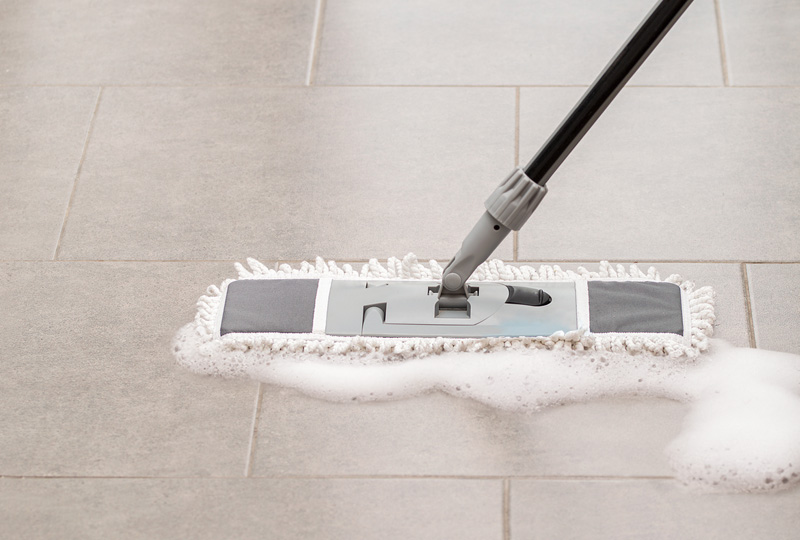
- Dip a soft mop (not sponge) into the solution, wring well, and mop the floor.
- Change the water if it gets dirty.
- After mopping, dry the floor with a soft towel or microfiber mop.
Comparison Of Cleaning Tools
Here’s a quick look at which cleaning tools are safe for different stone types:
| Tool | Safe for All Stones? | Notes |
|---|---|---|
| Soft broom | Yes | Best for daily use |
| Vacuum (no beater bar) | Yes | Quick, picks up fine dust |
| Sponge mop | No | Can push dirt into grout lines |
| Microfiber mop | Yes | Traps dust and gentle on surface |
| Hard bristle brush | No | Can scratch soft stones |
Non-obvious Tips For Daily Care
- Rotate your rugs and mats. Dirt can build up under them and scratch the floor if not cleaned regularly.
- Use felt pads under furniture legs to prevent scratches when moving chairs or tables.
Deep Cleaning Natural Stone Floor Tiles
Even with daily care, sometimes your floor needs a deeper clean. Deep cleaning removes built-up grime, stains, or dullness that regular cleaning can’t handle.
When To Deep Clean
- Every 1–3 months, depending on traffic and use
- When you notice dull spots, sticky residue, or stains
- Before resealing your stone floor
Deep Cleaning Steps
- Remove furniture from the area to clean all surfaces.
- Vacuum or sweep thoroughly.
- Mix a pH-neutral stone cleaner with warm water, following the instructions.
- Mop with a microfiber or chamois mop. Avoid flooding the floor—too much water can seep into the stone.
- For stubborn spots, use a soft cloth or a sponge with the cleaner. Rub gently in circles.
- Rinse the floor with clean water to remove any cleaner residue.
- Dry the surface with towels or a dry mop. Avoid air-drying, which can leave water spots.
Choosing The Right Cleaner
Some stone cleaners are made for daily use, others for deep cleaning. Always check the label. Here’s a comparison of popular products:
| Brand | Type | Safe for All Stones | Features |
|---|---|---|---|
| StoneTech Daily Cleaner | Daily | Yes | No-rinse, pH-neutral |
| Miracle Sealants Tile & Stone Cleaner | Deep | Yes | Concentrated, good for stubborn dirt |
| Granite Gold Clean & Shine | Daily | No (not for slate) | Adds shine, gentle on marble and granite |
| Homemade (water + mild dish soap) | Daily/Deep | Yes | Cheap, but must rinse well |
Common Deep Cleaning Mistakes
- Using steam mops. The heat and moisture can damage stone and loosen grout.
- Scrubbing with abrasive pads. Even a little grit can scratch the surface.
- Leaving cleaner residue on the floor. Always rinse and dry thoroughly.
How To Remove Stains From Natural Stone Floors
Even with care, accidents happen. Wine, coffee, oil, or mud can leave stains on stone tiles. The right technique depends on the type of stain and stone.
Step-by-step Stain Removal
- Identify the stain: Is it oil-based (grease, cooking oil), organic (coffee, tea, wine), or rust?
- Act quickly: The faster you treat a stain, the easier it is to remove.
- Blot, don’t rub: Use a paper towel or soft cloth to soak up as much as possible.
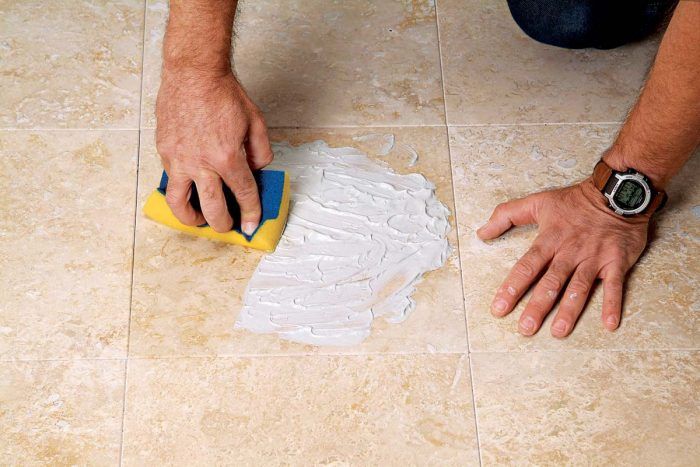
- Use a poultice for stubborn stains: A poultice is a paste that draws the stain out of the stone.
How To Make A Poultice
- Mix baking soda and water (for oil stains) or hydrogen peroxide (for organic stains) to form a thick paste.
- Spread the paste over the stain, about 1/4 inch thick.
- Cover with plastic wrap and tape the edges.
- Let it sit for 24–48 hours.
- Remove the wrap and let the paste dry.
- Gently scrape off the poultice and wipe with a damp cloth.
Stain Types And Treatments
| Stain Type | Best Treatment | Notes |
|---|---|---|
| Oil (grease, cosmetics) | Poultice with baking soda & water | Draws oil out of pores |
| Organic (wine, coffee, tea) | Poultice with hydrogen peroxide | Bleaches stain without acid |
| Rust | Commercial rust remover for stone | Test in small area first |
| Ink/Marker | Hydrogen peroxide or acetone (not for all stones) | Try hydrogen peroxide first |
| Mold/Mildew | Stone-safe mold cleaner | Never use bleach |
Two Insights Beginners Miss
- Most stains need time to come out. Don’t expect instant results—sometimes the poultice must be repeated.
- Never use metal scrapers or harsh chemicals. These can damage or discolor the stone permanently.
Credit: www.finehomebuilding.com
Sealing Natural Stone Floor Tiles
Sealing is one of the most important steps for protecting your stone. Sealers fill the tiny pores in the stone, making it less likely to absorb water or stains.
How Often To Seal
- Granite: Every 1–2 years
- Marble, limestone, travertine: Every 6–12 months
- Slate, sandstone: Every 6–12 months
High-traffic areas may need more frequent sealing. Not all stones need sealing—ask your installer or check product information.
How To Test If Your Floor Needs Sealing
- Place a few drops of water on the surface.
- Wait 10–15 minutes.
- If water soaks in and darkens the stone, it’s time to reseal.
How To Seal Your Stone Floor
- Clean the floor thoroughly and let it dry (24 hours is best).
- Choose a stone sealer (penetrating/semi-penetrating, not topical).
- Apply sealer with a soft cloth, mop, or sponge, following the instructions.
- Let the sealer soak in for 5–10 minutes.
- Wipe up any excess before it dries.
- Allow the floor to cure (stay off it) for the time recommended on the product (usually several hours).
Common Sealing Mistakes
- Using the wrong sealer. Do not use wood floor or tile sealers.
- Not cleaning the floor first. Dirt or stains will get trapped under the sealer.
- Applying too much sealer. This can leave a sticky, hazy surface.
Caring For Grout Lines
Grout is the material between the tiles. It’s usually more porous than the stone itself and can stain quickly.
How To Clean Grout On Natural Stone Floors
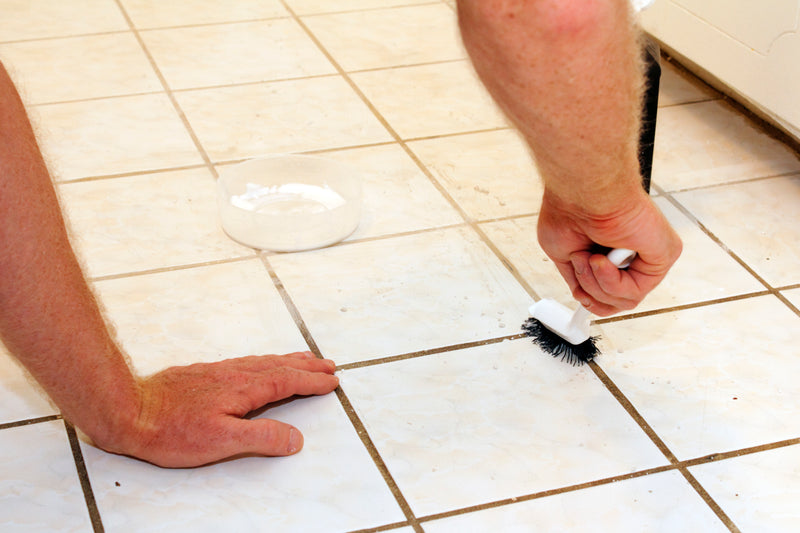
- Use a soft brush (not wire) and a pH-neutral stone cleaner.
- Avoid harsh chemicals or bleach—they can damage both grout and stone.
- For tough stains, make a paste of baking soda and water, apply with a toothbrush, and rinse well.
- Seal grout lines after cleaning and drying, using a grout sealer made for natural stone floors.
Practical Example
If your grout lines are dark or dirty, clean small sections at a time. Rinse with clean water and dry each section before moving on. This prevents dirty water from spreading into clean areas.
Preventing Damage And Keeping Your Floor Beautiful
Prevention is the best way to avoid hard work and expensive repairs. Here’s how to protect your natural stone floor:
- Place mats at entrances to trap dirt and moisture.
- Use felt pads under all furniture.
- Avoid dragging heavy objects across the floor.
- Use only stone-safe cleaning products.
- Wipe up spills immediately—especially wine, juice, coffee, and oil.
- Control humidity in your home to prevent mildew.
- Trim pet nails to avoid scratches.
- Schedule regular sealing and deep cleaning.
- Rotate area rugs to prevent uneven fading or wear.
- Teach family members and guests about stone floor care.
Two Insights Most People Miss
- Even “all-purpose” or “green” cleaners can be unsafe for stone. Always check labels for stone compatibility.
- Small chips or cracks should be repaired immediately by a professional to prevent bigger problems.
Green And Diy Cleaning Options
Many people want to avoid harsh chemicals. You can clean natural stone safely with simple, eco-friendly methods—just be careful to avoid acids.
Safe Diy Stone Cleaner Recipe
- Mix 1–2 drops of mild, unscented dish soap into a bucket of warm water.
- Use a microfiber mop, wring well, and mop as usual.
- Rinse with clean water and dry with a towel.
Never use vinegar, lemon, or ammonia—these will etch and dull the surface.
When To Use Commercial Products
If you have tough stains, high-traffic areas, or want extra shine, commercial cleaners made for stone are often the safest choice. Always follow instructions and test on a small area first.
Credit: www.stonesuperstore.co.uk
Professional Cleaning And Restoration
Sometimes, regular cleaning isn’t enough. If your floor is stained, scratched, or dull, professionals can help.
When To Call A Pro
- Deep stains you can’t remove
- Large cracks, chips, or broken tiles
- Dull, uneven, or etched surfaces
- After a flood or major spill
Professional cleaners use special machines and products that are safe for natural stone. They can also polish or refinish your floor to restore its shine.
What To Expect
- Inspection and testing of your floor
- Deep cleaning with stone-safe machines
- Polishing or grinding (if needed)
- Sealing and final protection
The cost depends on the size and condition of your floor. Always check references and make sure the company specializes in natural stone.
Frequently Asked Questions
How Can I Prevent Water Spots On My Marble Floor?
Water spots happen when water dries on the surface and leaves minerals behind. To prevent this, always dry your marble floor after mopping or cleaning. Use a clean, soft towel or a microfiber mop. Placing mats in wet areas, like kitchens or bathrooms, also helps keep water off the stone.
Can I Use A Steam Mop On My Granite Floor Tiles?
No, steam mops are not safe for granite or any natural stone. The heat and moisture can weaken the sealant and force water into the stone. This can cause stains, cracks, or loosen the grout. Stick to a damp (not wet) mop and a stone-safe cleaner.
What Should I Do If My Stone Floor Starts Looking Dull?
Dullness can be caused by dirt buildup, worn sealer, or scratches. Start by deep cleaning with a pH-neutral stone cleaner. If the shine doesn’t return, it may be time to reseal the floor. For deeper scratches or etching, call a professional to polish and restore the surface.
How Often Should I Reseal My Limestone Tiles?
Limestone is porous and should be resealed every 6–12 months. If you have high traffic or frequent spills, check more often. Do the water drop test: if water soaks in and darkens the stone, it’s time to reseal.
Are There Any Cleaning Products I Should Never Use On Natural Stone?
Yes, avoid vinegar, lemon juice, ammonia, bleach, and bathroom cleaners. These are acidic or harsh and can etch, dull, or discolor your stone. Always use products labeled safe for natural stone, and test in a small area first. For more detailed guidance, see the National Park Service stone care guide.
Maintaining natural stone floor tiles isn’t complicated, but it does require the right approach. By following these steps, using safe cleaners, and sealing your floor regularly, you can enjoy beautiful, durable stone floors for many years. With a little attention, your natural stone will reward you with timeless beauty and lasting value.
Credit: granitegold.com