
How To Cover L Shape Sofa
L shape sofas are popular in modern homes because they offer plenty of seating and make good use of space. But finding the right way to cover an L shape sofa can be challenging. They come in different sizes, angles, and sometimes have extra pieces like chaise lounges or recliners.
Whether you want to protect your sofa from stains, update its look, or make cleaning easier, learning how to cover an L shape sofa is a smart choice.
Many people try to use standard sofa covers or throw blankets, but these often slip off or look untidy. A well-fitted cover can make your room look neater, extend the life of your furniture, and even change the style of your living space.
This guide will walk you through every step, from measuring your sofa to choosing the right fabric and fitting the cover perfectly. You’ll learn practical tips and expert advice, including solutions for tricky corners, attached seats, and non-standard designs. With a little planning, you can get a professional-looking result at home, even if you’re not experienced with DIY projects.
Why Cover An L Shape Sofa?
L shape sofas see a lot of use, which means they get dirty faster than other furniture. If you have kids, pets, or like to eat on your sofa, spills and stains are common. A good cover protects your investment and saves cleaning time. Here are key reasons people cover their L shape sofas:
- Protection: Covers shield your sofa from dirt, sweat, pet hair, and accidental spills.
- Style Update: Changing the cover’s color or pattern refreshes your room without buying a new sofa.
- Easy Cleaning: Most covers are machine washable, so you can keep your sofa fresh with less effort.
- Cost Effective: A cover is much cheaper than reupholstering or replacing the sofa.
- Seasonal Variety: Swap covers for different seasons or occasions to match your mood or décor.
Most homeowners overlook that a cover can also keep your sofa’s fabric from fading in sunlight or wearing out in high-traffic areas.
Types Of L Shape Sofa Covers
Choosing the right type of cover is essential for a good fit and lasting comfort. Not every cover works with every sofa. Here are the main types you’ll find:
1. Ready-made Slipcovers
These are designed for standard L shape sofa sizes. They’re easy to find in stores and online. Most are stretchable and have elastic bands or straps to keep them in place. However, they may not fit custom or oversized sofas perfectly.
2. Custom-made Covers
Custom covers are made to your sofa’s exact measurements. You can choose the fabric, color, and fit. They look neat and are less likely to slip. The downside is that they cost more and take longer to make.
3. Diy Covers
If you enjoy sewing, you can make your own cover from fabric. This option gives you full control over material and design. You’ll need basic sewing skills and a sewing machine.
4. Modular Covers
Some brands sell covers in pieces that fit each sofa section separately. This is useful if your L shape sofa has detachable seats or a chaise that moves to either side.
5. Throw Blankets And Quilts
For a quick fix, large throws or quilts can cover an L shape sofa. They’re not fitted, so they may need regular adjustment, but they add a cozy, informal look.
Non-obvious insight: Many people do not realize that modular covers can be mixed and matched, allowing you to replace only the worn-out parts instead of buying a whole new set.
Measuring Your L Shape Sofa
A good fit starts with accurate measurements. L shape sofas can be left-facing, right-facing, or even U-shaped. Here’s how to measure:
- Total Length: Measure the longest side, including arms and any attached chaise.
- Chaise Length: If your L has a chaise, measure from the backrest to the end of the chaise.
- Seat Depth: Measure from the front of the seat to the back cushion.
- Arm Height: If your sofa has arms, measure from the floor to the top of the arm.
- Back Height: Measure from the floor to the highest point of the backrest.
- Section Widths: If your sofa has separate sections, measure each one.
Write down all measurements. Double-check, because even small mistakes can lead to poor fit.
Common Measuring Mistakes
- Forgetting to include the armrests or headrests in the measurements.
- Not accounting for attached cushions or recliners.
- Measuring only one part of the L and not both sides.
Expert tip: Use a flexible tape measure and have someone help you, especially with large or heavy sofas.
Choosing The Right Fabric
Fabric choice affects how the cover looks, feels, and performs. Each type has pros and cons, and the best one depends on your lifestyle.
| Fabric Type | Main Benefit | Best For | Care Instructions |
|---|---|---|---|
| Cotton | Soft, breathable | Homes with kids | Machine wash, gentle |
| Polyester | Durable, wrinkle-resistant | Pet owners | Machine wash, easy dry |
| Velvet | Luxurious look | Formal settings | Dry clean or gentle wash |
| Microfiber | Stain resistant | Busy families | Machine wash, stain remove |
| Leatherette | Wipes clean | Spill-prone areas | Wipe with damp cloth |
What To Consider
- Durability: If your sofa gets a lot of use, pick a tough fabric.
- Colorfastness: Dark colors hide stains, but lighter shades brighten a room.
- Texture: Smooth fabrics are easy to clean, but textured ones add warmth.
- Allergies: Hypoallergenic fabrics help if someone has allergies.
Non-obvious insight: Some fabrics, like microfiber, naturally repel pet hair and dust, making them ideal for homes with animals.
Preparing Your Sofa
Before you fit a cover, clean the sofa thoroughly. Dust, crumbs, and pet hair can get trapped under the cover and cause discomfort or odors.
- Vacuum: Use a vacuum with an upholstery attachment to remove dust and debris.
- Spot Clean: Treat any stains with a suitable cleaner for your sofa’s material.
- Dry: Make sure the sofa is completely dry before putting on the cover to avoid mold.
- Remove Detachable Parts: If your sofa has removable cushions or headrests, take them off for easier fitting.
- Check for Damage: Fix any loose springs or broken frames. A cover can hide problems, but it’s best to repair them first.
Experience-based tip: Some covers are designed to fit over sofas with attached cushions, while others require you to remove and cover each cushion separately.
How To Fit A Ready-made L Shape Sofa Cover
Ready-made covers are popular because they’re easy to use and affordable. Here’s a step-by-step process:
- Identify Sections: Most L shape covers come in two pieces—one for the main sofa and one for the chaise.
- Start with the Larger Section: Drape the main piece over the largest part of the sofa. Align seams with corners and arms.
- Fit the Chaise: Place the second piece over the chaise lounge. Adjust so it matches the first piece.
- Tuck Excess Fabric: Use your hands or a spatula to tuck fabric into the seat crevices. This keeps the cover snug.
- Secure with Straps or Foam: Most covers include straps or foam sticks. Insert foam into the gaps between cushions and backrest for a tight fit.
- Adjust and Smooth: Smooth out wrinkles and make sure the cover lies flat.
Common Problems And Fixes
- Loose Fabric: Use extra foam sticks or rolled towels to fill gaps and tighten the fit.
- Sliding Covers: Add non-slip mats under the cover, especially if your sofa is leather.
- Mismatch: If the cover doesn’t fit well, try adjusting the seams or switching the sections.
Making A Diy Sofa Cover
Sewing your own L shape sofa cover can be rewarding and allows full customization. Here’s how to do it:
Materials Needed
- Heavy-duty fabric (enough to cover all sofa parts)
- Measuring tape
- Scissors
- Pins or clips
- Chalk or fabric marker
- Sewing machine and thread
- Velcro, zippers, or ties (for closures)
- Iron and ironing board
Steps
- Take Measurements: Measure all dimensions, including each cushion and armrest.
- Make a Pattern: Use old sheets or paper to create a template for each sofa part. Label each piece clearly.
- Cut Fabric: Lay out your pattern on the fabric. Mark and cut out all sections.
- Sew Pieces Together: Start with the main body, then attach arms and chaise sections. Leave openings for cushions and closures.
- Add Closures: Sew in zippers or Velcro where needed for easy removal.
- Finish Edges: Hem all raw edges to prevent fraying and give a neat look.
- Fit and Adjust: Place the cover on the sofa. Make any final adjustments for fit.
Practical tip: If you’re new to sewing, use a simple fabric and avoid complex piping or decorative stitching.
Using Throw Blankets And Quilts
Throw blankets are a quick and budget-friendly way to cover an L shape sofa. Here’s how to get the best result:
- Choose Large Throws: Pick blankets big enough to cover the longest part of your sofa.
- Layer Strategically: Drape one throw over the main seat and another over the chaise.
- Tuck and Smooth: Tuck the edges into the seat gaps. Smooth out wrinkles for a tidy look.
- Use Clips or Pins: If needed, use upholstery pins to keep throws in place, but be careful not to damage the fabric.
- Rotate Regularly: Wash and rotate throws to keep your setup fresh and clean.
Drawbacks
- Throws can slip off easily, especially with children or pets.
- The look is more casual and may not suit formal spaces.
Straight-to-the-point tip: For better grip, place a non-slip rug pad under each throw.
Comparing Ready-made Vs. Custom Covers
Choosing between a ready-made and a custom cover depends on your needs and budget.
| Feature | Ready-Made Cover | Custom Cover |
|---|---|---|
| Fit | Standard sizes, may not fit perfectly | Exact fit for your sofa |
| Price | Lower | Higher |
| Fabric Choices | Limited | Wide range |
| Delivery Time | Immediate | Weeks to make |
| Style Options | Basic | Fully customizable |
Key takeaway: If your sofa is a standard size, a ready-made cover is usually enough. For unusual shapes or special needs, go for custom.
Fitting Covers On Tricky Shapes
Some L shape sofas have extra features like recliners, attached side tables, or built-in storage. These require special solutions:
Sofas With Attached Cushions
Choose covers with extra stretch or ones that come in separate cushion pieces. If the cover is loose, tuck it tightly and use foam sticks.
Reclining Sections
Look for covers labeled as “recliner-friendly. ” These have slits or extra fabric to allow for movement. Avoid covers that restrict reclining.
Built-in Storage
Make sure the cover allows access to storage compartments. Some custom covers include flaps or zippers for this purpose.
Non-standard Angles
If your sofa’s L is not a right angle, measure carefully and order a custom cover. DIY covers can be adjusted for odd angles by making a cardboard template first.

Credit: www.amazon.com
Caring For Your Sofa Cover
Regular care keeps your cover looking good and extends its life.
- Vacuum Weekly: Remove dust and crumbs before they set into the fabric.
- Spot Clean Spills: Treat stains quickly with a gentle cleaner.
- Machine Wash: Wash covers every few months, following the label’s instructions.
- Dry Properly: Air dry or use a low heat setting to avoid shrinking.
- Iron or Steam: Remove wrinkles with an iron or handheld steamer, if the fabric allows.
Practical advisor tip: Always wash covers separately from other laundry to prevent color transfer or lint.
Decorating With Sofa Covers
Covers don’t just protect—they can enhance your room’s style. Here’s how to make your L shape sofa cover work with your décor:
- Choose a Color Scheme: Match your cover to curtains, rugs, or wall colors.
- Mix Textures: Combine a smooth cover with textured pillows or throws.
- Seasonal Changes: Use bright covers for summer and warm, dark colors for winter.
- Add Accessories: Pair your covered sofa with decorative cushions or a stylish coffee table.
Experience-based advice: Neutral covers are timeless and easy to update with different pillows. Bold prints can become the room’s focal point, but may limit future decorating choices.
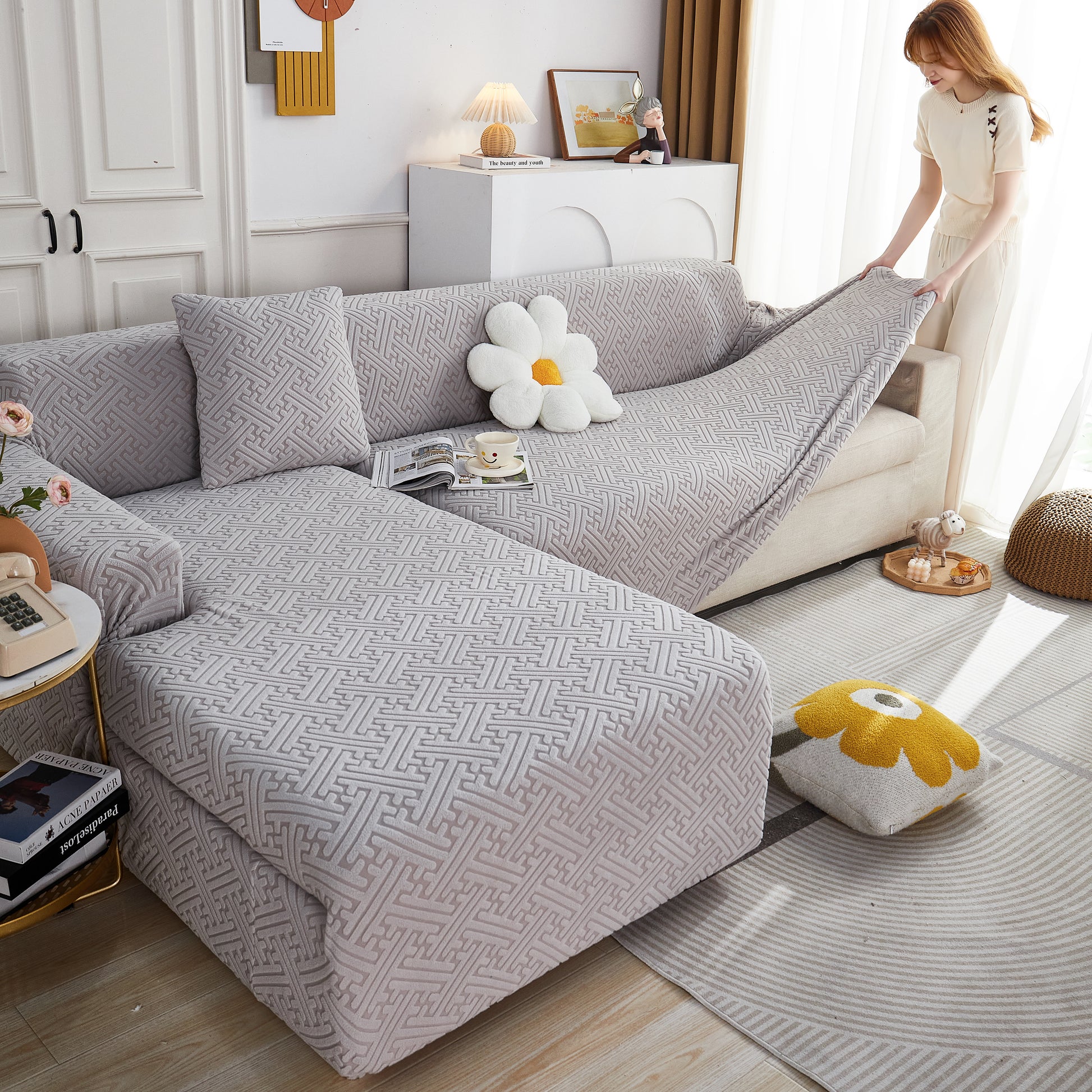
Credit: www.slipcoverkas.com
Mistakes To Avoid When Covering An L Shape Sofa
- Ignoring Measurements: Guessing sizes leads to poor fit and wasted money.
- Choosing the Wrong Fabric: Not all fabrics suit every lifestyle. Avoid delicate materials if you have pets or kids.
- Forgetting Practicality: Some covers look great but are hard to clean or put on.
- Not Securing the Cover: If you don’t use foam sticks or straps, the cover will slip and look messy.
- Skipping Sofa Cleaning: Putting a cover on a dirty sofa traps odors and dirt.
Non-obvious insight: Many people buy a cover based on color alone, forgetting to check if it’s machine washable or compatible with their sofa’s features.
Budgeting For Your L Shape Sofa Cover
Costs can range from under $50 for basic covers to several hundred dollars for custom-made options. Here’s a rough breakdown:
- Ready-Made Covers: $40–$120
- Custom Covers: $200–$500+
- DIY Covers (materials): $60–$150
- Throw Blankets: $30–$80 each
Where To Buy
- Home goods stores
- Online marketplaces (Amazon, Wayfair)
- Custom upholstery shops
- Fabric stores (for DIY)
Practical tip: Investing in a higher-quality cover pays off over time, as cheap covers often wear out quickly and need to be replaced.
When To Replace Your Sofa Cover
Even the best covers wear out. Replace your cover if you notice:
- Fading or discoloration
- Tears or holes that can’t be fixed
- Stubborn stains
- Loss of elasticity (cover won’t stay on)
- Odors that don’t go away after washing
Typically, a well-cared-for cover lasts 2–5 years, depending on use and fabric quality.
Eco-friendly And Sustainable Cover Options
If you want to reduce your environmental impact, look for covers made from sustainable materials:
- Organic cotton: Grown without harmful chemicals.
- Recycled polyester: Made from plastic bottles.
- Natural linen: Biodegradable and durable.
- Bamboo fabric: Soft and renewable.
Some brands now offer eco-friendly covers. Check for certifications like OEKO-TEX or GOTS for added assurance.
For more on sustainable furniture and coverings, see Good Housekeeping’s eco-friendly furniture guide.
Table: Popular Brands For L Shape Sofa Covers
Here’s a quick look at some reputable brands and what they offer.
| Brand | Type | Main Feature | Price Range |
|---|---|---|---|
| SureFit | Ready-made | Wide color options | $80–$200 |
| ComfortWorks | Custom | Fits IKEA and other brands | $250–$600 |
| Easy-Going | Ready-made | Water-resistant fabrics | $50–$120 |
| Bemz | Custom | Eco-friendly materials | $150–$500 |
| H.VERSAILTEX | Ready-made | Stretch slipcovers | $60–$140 |
Frequently Asked Questions
How Do I Know If A Cover Will Fit My L Shape Sofa?
Always check the product’s sizing guide and compare it to your sofa’s measurements. If in doubt, choose a slightly larger cover, as you can tuck in extra fabric.
Can I Use Multiple Covers On One L Shape Sofa?
Yes. Some people use separate covers for each section, especially if the pieces detach. This can give a better fit and allows you to change or wash covers one part at a time.
How Can I Stop My Cover From Slipping?
Use foam sticks, non-slip mats, or upholstery pins. Make sure the cover is the right size and tuck it firmly into the seat gaps.
Are Waterproof Sofa Covers A Good Idea?
Waterproof covers are great for homes with kids or pets. They protect against spills, but some can feel less breathable. Look for ones with a soft fabric surface.
How Often Should I Wash My Sofa Cover?
It depends on use, but washing every two to three months is a good rule. Wash sooner if you have allergies, pets, or after spills.
Covering an L shape sofa is a simple way to protect your furniture and keep your living space stylish. With the right cover, correct measurements, and a little care, your sofa can look great for years. Whether you buy, make, or adapt a cover, take the time to choose what works best for your home and lifestyle.
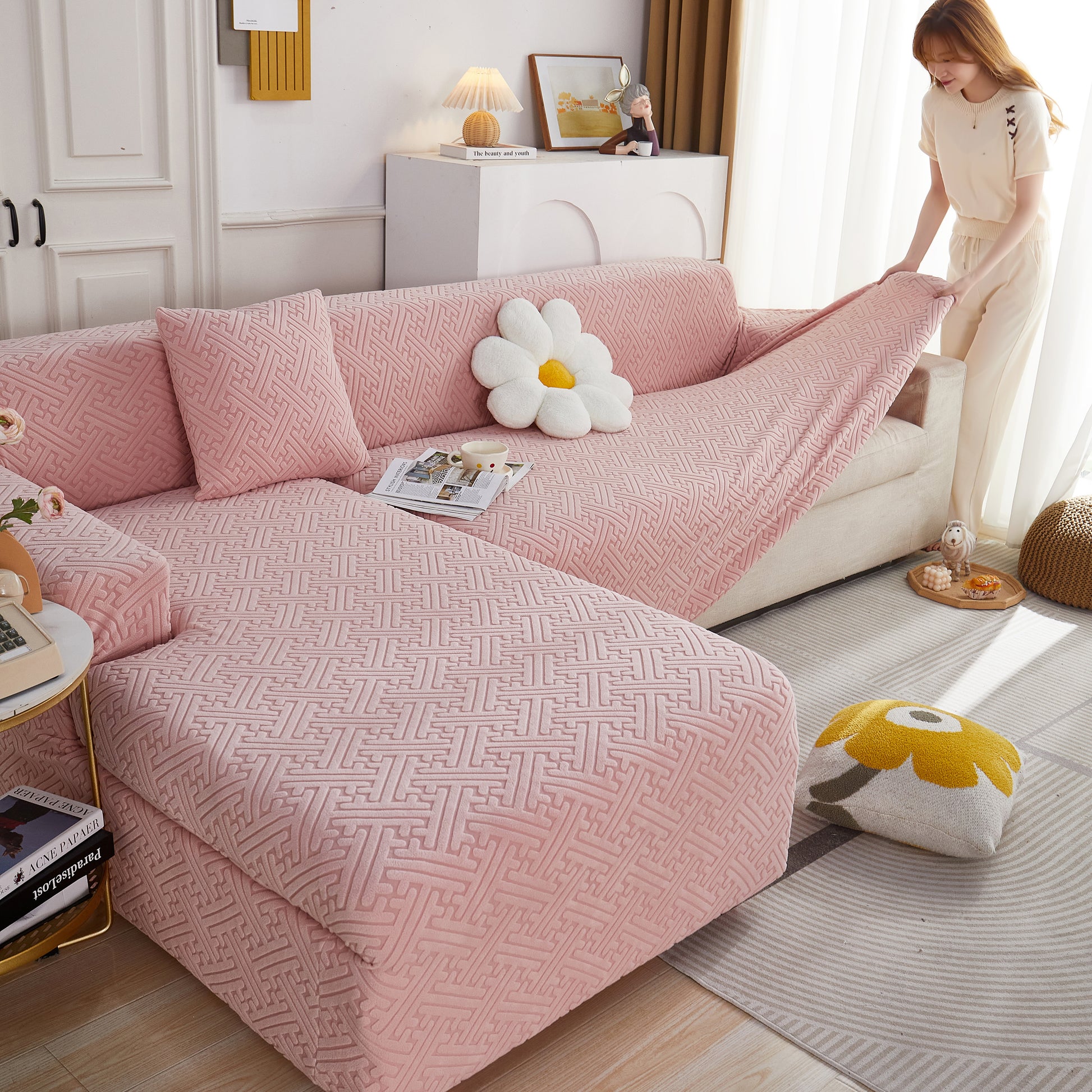
Credit: www.slipcoverkas.com