
Staying Cool in a Dorm Room: Strategies for Beating the Heat
College dorm rooms often feel much hotter than you expect. Small spaces, poor ventilation, and old buildings can make heat unbearable, especially in summer. Many students struggle to sleep, study, or even relax when the temperature rises. If you live in a dorm without air conditioning, it can feel impossible to cool down.
But don’t worry—there are many ways to make your space more comfortable, even during the hottest weeks.
This guide explores practical steps, clever tricks, and products that help lower the temperature in your dorm. You’ll find solutions for every budget, including methods that don’t require electricity or breaking dorm rules. From understanding how heat enters your room to choosing the best cooling devices, you’ll learn everything you need to keep your dorm cool and comfortable.
Let’s dive into the best ways to beat the heat and reclaim your focus, rest, and energy.
Why Dorm Rooms Get So Hot
Dorm rooms often get hot for several reasons. First, many are small and have little air flow. Second, college buildings are often old and may lack modern insulation. Windows might face the sun, letting in heat all day. Some dorms restrict air conditioners, making cooling harder.
Electronic devices like laptops and fridges add more warmth, especially in tight spaces. Knowing why your room gets hot helps you pick the right solutions.
Understanding Dorm Cooling Challenges
Before you start cooling your room, it’s important to understand the limits and rules of your dorm. Many colleges have strict policies about appliances. Some ban portable air conditioners, large fans, or window changes. Many dorms have small electrical circuits, so too many gadgets can trip breakers.
Finally, your room’s location matters—a top floor room under the roof will be hotter than a ground-floor space.
Key challenges:
- No air conditioning in most traditional dorms
- Small windows or windows that only open a little
- Strict appliance rules
- Limited space for big devices
- Shared living (roommates may have different comfort levels)
Understanding these challenges lets you focus on safe, allowed, and effective ways to cool your room.
1. Maximize Airflow
Good airflow is the first step to cooling any space. Dorm rooms often have just one window and a single door, which limits cross-ventilation. Still, there are ways to improve airflow.
Use Fans Wisely
A fan doesn’t cool the air, but it moves it. This helps sweat evaporate, making you feel cooler. Place a fan near the window to blow hot air out during the day, then flip it at night to pull in cooler air. If you have two fans, set one facing in and one facing out for stronger air movement.
Open Doors Safely
If allowed, prop open your dorm door for a few minutes when the hallway is cooler. This can create a breeze, especially if your window is open too. Never leave your door open unattended, and check your dorm’s rules.
Remove Blockages
Keep furniture away from vents and windows. A bed or desk blocking a window stops air from moving. Rearranging your room can improve airflow, even if you have little space.
2. Block Heat From Entering
Stopping heat from getting in is often easier than removing it. Sunlight through windows is a major source of room heat.
Use Blackout Curtains
Blackout curtains or thick blankets over windows keep sunlight out. This can lower room temperature by several degrees. Pin up the curtain as close to the glass as possible. If you can’t use nails, try tension rods or strong tape.
Close Blinds And Curtains During The Day
Even thin curtains help. Always close them during the day, especially if your window faces the sun. Open them at night to let cooler air in.
Reflective Window Film
Some students use reflective window film. This sticks to glass and reflects sunlight. It’s cheap and easy to remove. Check if your dorm allows it.
Seal Gaps
If you feel hot air leaking around windows, use weather stripping or rolled towels to block gaps. This stops hot drafts.
3. Use Cooling Devices The Right Way
Choosing the right device helps, but using it wisely is key.
Types Of Fans Compared
Here’s how different fans perform in dorm settings:
| Fan Type | Cooling Power | Noise Level | Size | Best Use |
|---|---|---|---|---|
| Desk Fan | Low | Low | Small | Personal cooling at desk/bed |
| Tower Fan | Medium | Medium | Medium | Whole room airflow |
| Box Fan | High | High | Large | Window use, strong airflow |
| Clip Fan | Low | Low | Tiny | Bed, bunk, or desk corners |
Mini Air Conditioners And Coolers
Some portable “air conditioners” for dorms are actually evaporative coolers (they use water to cool the air). They work in dry climates but not in humid areas. True portable AC units are often banned in dorms because they need to vent hot air out a window.
Tip: If your dorm allows, a small evaporative cooler can make a difference. For most students, a powerful fan and good airflow are simpler and safer.
Ice Fan Trick
One cheap method is to place a bowl of ice in front of your fan. The fan blows air over the ice, creating a cool breeze. Replace the ice as it melts. This trick works best in dry rooms.
4. Cool Yourself, Not Just The Room
Sometimes it’s easier to cool your body than the whole space.
Wear Light Clothing
Loose, light-colored clothes reflect heat and dry sweat quickly. Avoid dark or tight clothes, which trap heat.
Use Cold Packs And Wet Towels
Keep a damp washcloth in the fridge. Place it on your neck, wrists, or forehead for quick relief. Gel cold packs also work, but never put ice directly on your skin.
Take Cool Showers
A quick cold shower before bed lowers your body temperature. You’ll fall asleep faster and feel more comfortable.
Stay Hydrated
Drink cold water often, even if you’re not thirsty. Dehydration makes you feel hotter and more tired.
Sleep Low
Heat rises. If you have a lofted or bunk bed, try moving your mattress to the floor during hot nights.

Credit: www.dormco.com
5. Control Heat-producing Devices
Electronics give off a surprising amount of heat.
Unplug Devices
Turn off or unplug chargers, laptops, and TVs when not in use. Even in sleep mode, they create heat.
Use Energy-efficient Bulbs
Swap old bulbs for LED bulbs. They use less energy and make less heat.
Limit Cooking
Microwaves and hot plates warm the air quickly. If possible, prepare cold meals or cook during cooler hours.
6. Make Your Bed Cooler
Your bed can trap heat, making it hard to sleep.
Choose The Right Sheets
Use cotton or bamboo sheets. These fabrics breathe well and wick moisture away.
Try A Cooling Pillow
Some pillows have gel inserts that stay cold longer. A simple trick is to put your pillowcase in the freezer for a few minutes before bed.
Elevate Your Mattress
If your mattress sits on the floor, warm air can get trapped underneath. Use a simple bed riser or low frame to let air move.
Sleep Position
Spread out as much as possible, so your body releases heat faster.
7. Plan Your Day Around The Heat
Living in a hot dorm means adjusting your routine.
Study In Cooler Spaces
Take advantage of cooler places like the library, student center, or shaded outdoor areas. Do homework there during peak heat hours.
Exercise Early Or Late
Physical activity raises your body temperature. Work out in the morning or evening when it’s cooler, or use the campus gym with air conditioning.
Nap Smart
If you need a rest, do it during the cooler parts of the day. Power naps in the afternoon can help if nights are too hot for deep sleep.
8. Use Smart Technology
Some modern gadgets can help you stay cool, even in a dorm.
Smart Plugs And Timers
Plug your fan into a smart outlet or timer. Set it to turn on before you arrive or off after you fall asleep. This saves energy and stops you from waking up in the night to adjust settings.
Temperature Sensors
Some simple devices monitor room temperature and humidity. Use these to test which cooling tricks work best. Sometimes, opening the window at 2 a. m. is better than leaving it open all night.
Small Humidifiers Or Dehumidifiers
In dry climates, a small humidifier adds comfort. In humid areas, a mini dehumidifier can make the air feel cooler. Always check dorm rules first.
9. Diy Cooling Solutions
You don’t always need to buy expensive gear. Here are some easy, cheap ideas.
Create A Cross Breeze
If you have two windows (or a window and a hallway door), open both slightly. Place a fan facing out in one, and another fan or open space at the other. This pulls hot air out and brings cooler air in.
Wet Sheet In The Window
Hang a damp sheet or towel in front of your open window. As air passes through, it cools down. This works best at night when outside air is cooler.
Homemade Ice Packs
Fill a water bottle halfway, freeze it, then wrap it in a shirt. Use this as a cold pack for your bed or feet.
Shade Outside The Window
If allowed, hang a reflective emergency blanket outside the window using string or suction cups. This blocks sun before it hits the glass.
10. Organize Your Space For Cooling
A cluttered room traps heat and blocks airflow.
Declutter Surfaces
Keep desks and shelves tidy. Piles of clothes or books stop air from moving, especially near windows or fans.
Rearrange Furniture
Move your bed, desk, or chair to the coolest part of the room, usually away from windows with direct sunlight.
Keep The Floor Clear
A clear floor helps air move. Store items in bins or under the bed to free up space.
11. Use Plants Wisely
Some plants cool the air, but others make it feel stuffy.
Choose The Right Plants
Plants like snake plant or aloe vera release oxygen at night and don’t add much moisture. Too many plants or large leafy types can increase humidity, making heat worse.
Placement Matters
Put plants near windows for shade, but don’t block airflow. A single plant is enough in most dorms.
12. Team Up With Roommates
If you share a space, work together on cooling strategies.
Agree On Rules
Discuss when to open windows, close blinds, or use fans. Make sure everyone is comfortable with the plan.
Share Costs
Split the cost of fans or cooling gear. This way, you can afford better products and avoid arguments.
Alternate Responsibilities
Take turns freezing ice, closing curtains, or checking the temperature. Cooperation makes cooling easier for everyone.
13. Know When To Ventilate
Timing matters when airing out your room.
Open Windows At Night
Temperatures usually drop at night. Open windows in the evening and close them before sunrise to trap cool air.
Watch For Humidity
If it’s hotter or more humid outside, keep windows closed. Use a fan to circulate indoor air instead.
Use Weather Apps
Check local weather or apps for temperature and humidity. Plan window openings when outdoor air is cooler and drier.
14. Cooling Products To Consider
Some products are worth the investment if allowed by your dorm.
| Product | Function | Price Range | Allowed in Dorms? |
|---|---|---|---|
| Desk Fan | Personal airflow | $10–$30 | Usually Yes |
| Tower Fan | Room circulation | $30–$80 | Check with dorm |
| Evaporative Cooler | Cools air using water | $40–$120 | Sometimes |
| Cooling Pillow | Cool sleep surface | $20–$50 | Yes |
| Blackout Curtains | Block sunlight | $15–$60 | Usually Yes |
| Mini Dehumidifier | Removes moisture | $30–$80 | Check with dorm |
Important: Always check your dorm’s rules before buying anything. Some dorms ban devices with heating or water features.
15. Mistakes To Avoid
Many students try to cool their dorm but make simple errors.
- Running fans with windows closed in a hot room—fans just move hot air around.
- Leaving lights and electronics on—they add heat.
- Using too many devices at once—can blow a fuse or trip breakers.
- Opening windows during the day—lets more heat in.
- Forgetting to drink water—leads to heat exhaustion.
- Blocking AC or vents (if you have them)—reduces cooling power.
- Ignoring roommate needs—causes tension and discomfort.
16. Emergency Cooling Tips
Sometimes, heat waves make dorms dangerously hot. Here’s what to do:
- Take breaks in air-conditioned spaces (library, student center, campus café).
- Wet your hair or wear a cold, damp bandana.
- Keep blinds closed all day and open only at night.
- Sleep on the floor or on a cool tile surface.
- Call campus health if you feel dizzy, sick, or stop sweating.
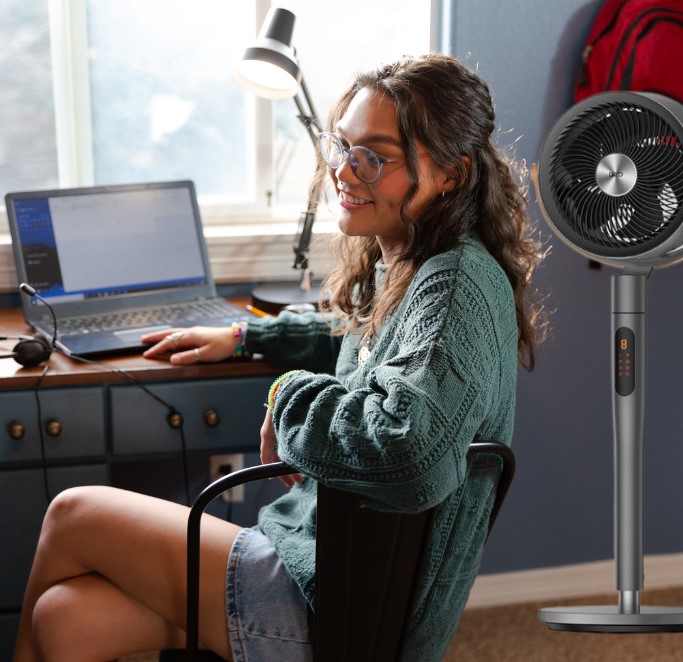
Credit: shopwithmemama.com
17. When To Ask For Help
Extreme heat is dangerous. If your room stays over 90°F (32°C) for days, contact your residence advisor or housing office. They may offer temporary cooling spaces, fans, or move you to a cooler room. Never risk your health.
18. Staying Cool On A Budget
Not every student can buy new gear. Here are affordable ways to stay cool:
- Use free campus resources—study in air-conditioned areas.
- Make your own cold packs with plastic bottles.
- Trade or borrow fans with other students.
- Use damp towels or sheets for cooling.
- Move your study or sleep spot to the coolest part of the room.
19. How Climate Affects Dorm Cooling
Your location changes your approach:
- Dry climates: Evaporative coolers, damp sheets, and cold water tricks work best.
- Humid climates: Fans and dehumidifiers are better. Avoid adding moisture to the air.
- Hot cities: Plan your day around air-conditioned campus spots.
- Cooler regions: Open windows at night and close them during the day.
20. Staying Cool While Sleeping
Hot nights make it hard to rest. These strategies help:
- Shower before bed to lower your temperature.
- Freeze your pillowcase or sheets for a quick chill.
- Set a fan to oscillate so it cools you without drying your skin.
- Sleep spread out to lose heat faster.
- Drink water before bed to stay hydrated through the night.

Credit: www.alumnihall.com
Non-obvious Insights For Dorm Cooling
Most students focus only on fans and cold drinks. But two often-missed tricks are:
- Controlling humidity is as important as temperature. Dry air feels cooler, so using a dehumidifier or avoiding wet laundry in your room can make a big difference.
- Heat builds up all day in walls and furniture. Cooling your room in the evening before bed—by opening windows, running fans, and turning off electronics—lets you start the night cooler, even if temperatures rise later.
Another smart idea is to track your own comfort patterns. Every dorm and student is different. Notice which times and spots in your room feel cooler or hotter. Adjust your study, sleep, and exercise times to match.
Frequently Asked Questions
How Can I Cool My Dorm Room Without Air Conditioning?
There are many ways to cool your dorm without AC. Use fans to move air, keep windows and blinds closed during the day, and open them at night. Block sunlight with blackout curtains or thick blankets. Wear loose, light clothes and use cold packs or damp towels. Stay hydrated and limit device use.
Are Portable Air Conditioners Allowed In Dorms?
Most dorms do not allow portable air conditioners because they need to vent hot air through the window and use a lot of electricity. Always check with your dorm’s housing office before buying one. Some may allow small evaporative coolers in dry climates.
What Are The Best Fans For Dorm Rooms?
Desk fans are best for personal cooling and take little space. Tower fans move more air for the whole room but use more space and power. Clip fans are great for bunks or desks. Box fans work well in windows but can be noisy and big. Always pick a fan that fits your space and is allowed by dorm rules.
Does Putting Ice In Front Of A Fan Really Work?
Yes, the ice fan trick works in small spaces. Place a bowl or tray of ice in front of a fan. The air blows over the ice, creating a cool breeze. Replace ice as it melts. This method is more effective in dry rooms than in humid climates.
Where Can I Find More Tips For Staying Cool?
You can find more ideas on college housing sites and health guides. For scientific background on heat and cooling, check this Wikipedia article on heat waves.
Staying cool in a dorm room is possible, even without air conditioning. With the right habits, clever devices, and teamwork, you can stay focused and comfortable all year. Remember: safety comes first. If the heat is overwhelming, reach out to your campus housing or health office for extra support.