
Keeping a screen porch with a concrete floor clean can be a bigger challenge than most people expect. Dust, pollen, leaves, and even mold can settle in and make the area less enjoyable. Over time, dirt can build up and stain the concrete, while the screens themselves can trap grime and bugs. Many homeowners clean only the visible mess, but true deep cleaning goes further and helps your porch stay inviting, safe, and beautiful all year long.
If you want to enjoy your screen porch without worrying about dirt or allergens, it’s worth learning the right steps and products to use. Whether your porch is a relaxing retreat, a play area for kids, or a place to entertain guests, a clean surface makes all the difference.
This guide walks you through everything you need to know, from preparing your space to handling tough stains and preventing future mess.
Understanding Your Screen Porch And Concrete Floor
A screen porch is a special place in the home. It’s open to the fresh air but protected from bugs and some weather. However, because of the screens, dust and pollen can get inside easily. The concrete floor, while durable, is also porous. This means it can absorb moisture, dirt, and even mold if not cleaned properly. Most porches are built to withstand rain, but standing water and organic debris can still cause problems.
Concrete is strong, but it stains easily, especially if you have trees, flowerpots, or pets nearby. Pollen, bird droppings, and leaves can all leave marks. Over time, these stains can become hard to remove and even create odors. Knowing what materials your porch is made from helps you choose the right cleaning methods and avoid damage.
Gathering Supplies And Tools
Getting the right tools is half the battle. You don’t need industrial equipment, but a few items will make the job faster and more effective. Here’s what most people will need:
- Broom or outdoor brush – To sweep large debris and dust.
- Vacuum cleaner (with a hose attachment) – Helpful for corners and removing fine dust.
- Bucket and mop – For washing the concrete.
- Garden hose or pressure washer – For rinsing the floor and screens (pressure washer is optional).
- Mild detergent or concrete cleaner – For scrubbing stains.
- Scrub brush (stiff bristle) – To work on tough spots.
- Microfiber cloths or sponges – For cleaning screens and frames.
- Protective gloves – To protect your hands from detergents and dirt.
- Plastic tarp or drop cloths – To cover furniture or sensitive items.
- Fan or leaf blower – Optional, for drying.
You may need other items for specific problems, like mold remover or rust cleaner. Always check the product label to make sure it’s safe for concrete and outdoor use.
Preparing The Area
Before you start cleaning, it’s important to prepare the porch. This step saves time and protects your belongings.
- Remove furniture and décor: Take out chairs, tables, rugs, potted plants, and anything else that could get in the way or be damaged by water.
- Cover sensitive items: If you can’t move something, cover it with a plastic tarp. This includes grills, electronics, or storage boxes.
- Sweep away loose dirt: Use a broom to clear leaves, dust, and other debris from the floor and corners.
- Check for cracks or damage: Look for cracks in the concrete or loose screens. Fix these before using water or heavy cleaners, since moisture can make problems worse.
Taking these steps means you won’t have to stop mid-way to move something or worry about water damage.
Dry Cleaning: The Essential First Step
Many people skip dry cleaning—but it’s crucial. Dry cleaning means removing all loose dirt and debris before adding water. If you skip this step, you’ll just make mud and push dirt into cracks.
- Start at the highest point: Brush off screens and window sills so dirt falls to the floor, not the other way around.
- Use a vacuum: After sweeping, use a vacuum cleaner with a hose to get into corners, along edges, and between cracks.
- Don’t forget the ceiling: If your porch has a ceiling or overhead beams, dust them off so nothing falls down later.
Removing dry dirt first makes wet cleaning faster and more effective. It also stops you from spreading grit and sand, which can scratch the concrete.
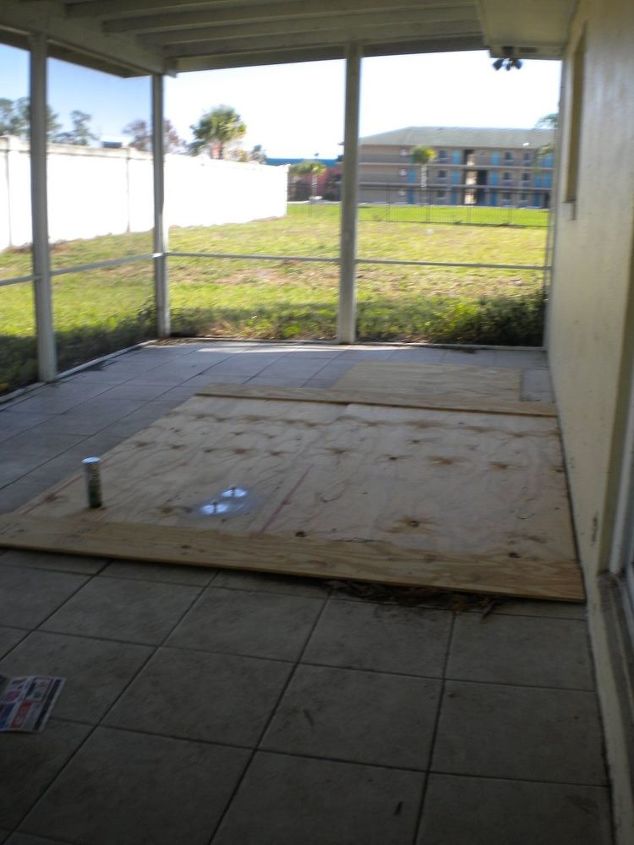
Credit: www.hometalk.com
Cleaning The Screens
A clean porch is not just about the floor. Screens trap pollen, bugs, and dirt, which can fall onto the floor if left dirty. Cleaning them extends their life and improves air quality.
- Dust with a brush or cloth: Gently brush loose dirt from the screen frames and mesh.
- Vacuum with a soft brush attachment: This removes finer dust without bending or tearing the mesh.
- Wash with soapy water: Mix a few drops of mild dish soap in a bucket of warm water. Dip a microfiber cloth or sponge and gently wipe the screens and frames.
- Rinse with a hose: Use gentle pressure to avoid damaging the mesh.
- Dry with a towel or let air dry: Avoid closing up the porch until everything is dry, to prevent mold.
For tough stains, a little white vinegar mixed with water can help, but always test in a small area first.
Wet Cleaning The Concrete Floor
Once the screens are clean, it’s time for the main event: cleaning the concrete floor. This step removes stains, dust, and allergens, leaving the surface safe and bright.
Step 1: Choose The Right Cleaner
There are many products for cleaning concrete. Mild dish soap works for most dirt, but for deeper stains, look for a concrete cleaner. Avoid anything with strong acids, as these can damage the surface.
- For grease or oil stains: Use a degreaser.
- For mold or mildew: Use a mold remover (make sure it’s safe for outdoor use).
Step 2: Mix And Apply
- Fill a bucket with warm water and your chosen cleaner. Follow the label instructions for mixing.
- Dip your mop or scrub brush into the solution and work in small sections.
Step 3: Scrub The Surface
- Use a stiff bristle brush for tough stains or textured concrete.
- Mop the rest of the floor, rinsing the mop often to avoid spreading dirt.
- For deep stains, let the cleaner sit for 5–10 minutes before scrubbing.
Step 4: Rinse Well
- Use a garden hose to rinse the floor. If you have a pressure washer, use the lowest pressure setting to avoid damaging the concrete or pushing water under screens.
- Make sure all soap and cleaner are washed away, as residue can become slippery or attract more dirt.
Step 5: Dry Thoroughly
- Use a large towel or squeegee to push standing water toward a drain or out the door.
- Open windows, turn on a fan, or use a leaf blower to speed drying. Never let water sit on concrete for long—this causes mold and damage.
Tackling Stubborn Stains
Even after a deep clean, some stains can remain. Here’s how to handle the most common problems:
Mold And Mildew
- Mix one part white vinegar to three parts water, or use a commercial mold cleaner.
- Scrub the spot with a stiff brush, then rinse well.
- Always let the area dry completely to prevent mold from returning.
Rust
- Sprinkle baking soda on the stain, then add a few drops of water to make a paste.
- Let it sit for 30 minutes, scrub with a brush, and rinse.
- For tougher stains, use a concrete-safe rust remover, following all safety instructions.
Grease And Oil
- Cover the stain with cat litter or baking soda to absorb as much as possible.
- Sweep up, then scrub with a degreaser and rinse.
- Repeat if needed—old oil stains can be stubborn.
Leaf And Organic Stains
- These often leave a dark mark. Use oxygen bleach (not chlorine) mixed with water to scrub the area.
- Rinse thoroughly.
Paint Or Glue
- For small spots, try a plastic scraper. For larger areas, use a concrete-safe paint remover.
- Never use metal tools, as these scratch and damage the floor.
Using A Pressure Washer
A pressure washer can make cleaning much faster, but it’s not always needed. If you use one, keep these tips in mind:
- Use a wide spray tip (25–40 degrees) to avoid damaging the surface.
- Start at a low pressure and increase only if needed.
- Keep the nozzle at least 12 inches from the surface.
- Move slowly and evenly to avoid streaking.
Never use a pressure washer on loose or cracked concrete, as it can make the problem worse. If you’re unsure, test in a small area first.
Cleaning The Porch Ceiling, Walls, And Trim
Many people forget about the rest of the porch. Dust, cobwebs, and even wasp nests can build up on the ceiling, trim, and inside corners.
- Use a long-handled duster to remove cobwebs.
- Wipe trim and window sills with a damp cloth.
- For mildew, use a 1: 4 mix of vinegar and water, then rinse.
- Clean light fixtures and fans, as dust here will fall on the floor later.
Keeping these areas clean means less dirt ends up on the floor and screens.
Drying And Ventilating Your Porch
Proper drying is as important as cleaning. Water left on concrete can cause mold, slippery spots, and even damage over time.
- Open all screen doors and windows to let air flow.
- Place a fan or two in the porch to speed up drying.
- If you used a lot of water, use a mop or towels to remove puddles.
A dry porch is a clean, healthy porch. Never move furniture or rugs back until everything is completely dry.

Credit: janovic.com
Preventing Future Dirt And Stains
Regular cleaning is easier than dealing with heavy stains. Here are some ways to keep your porch looking good for longer:
- Sweep weekly: A quick sweep removes most dust and leaves before they can stain.
- Wipe up spills fast: Don’t let liquids sit on the concrete.
- Use mats at entrances: These trap dirt from shoes before it gets inside.
- Keep plants off the floor: Place pots on stands or trays to avoid water and soil stains.
- Seal the concrete: A good sealer makes cleaning easier and prevents moisture from getting in.
- Check screens regularly: Repair holes or loose mesh to stop bugs and debris.
- Clean after storms: Heavy rain can blow in dirt and leaves.
These small habits save you time and money in the long run.
Comparing Concrete Floor Sealers
Sealing your concrete floor is one of the best ways to protect it. Here’s a quick look at common types of sealers:
| Sealer Type | Protection Level | Durability | Finish | Best For |
|---|---|---|---|---|
| Acrylic | Moderate | 1-3 years | Gloss/Satin | Quick, easy sealing |
| Penetrating | High | 5-10 years | Natural | Long-term protection |
| Epoxy | Very high | 5-7 years | Glossy | Heavy use, garages |
Acrylic sealers are fast and affordable, but need reapplying more often. Penetrating sealers last much longer and keep the floor looking natural. Epoxy creates a hard, glossy surface but is harder to apply.
Comparing Cleaning Methods
It helps to compare basic cleaning methods to pick what’s right for your porch:
| Method | Best For | Pros | Cons |
|---|---|---|---|
| Broom & Mop | Light dirt, regular cleaning | Low cost, gentle | May miss deep stains |
| Pressure Washer | Deep cleaning, large areas | Fast, removes tough dirt | Can damage if overused |
| Vacuum | Fine dust, corners | Gets into cracks | Not for wet messes |
For most people, a mix of broom, mop, and occasional pressure washing is best.
Troubleshooting Common Problems
Mold Returns After Cleaning
If mold keeps coming back, it often means the porch isn’t drying fully or there’s a leak. Check for standing water after rain, clogged gutters, or plants too close to the house. Improving airflow and sealing the concrete usually solves the problem.
Concrete Feels Gritty After Cleaning
This can happen if cleaning solution wasn’t rinsed well. Go over the area with clean water and a mop, then dry. Sometimes, outdoor dust settles quickly—sweep again the next day.
Strong Odors Remain
If the floor still smells bad, it might be from mold inside cracks or under the slab. Try a deeper cleaning with vinegar or a specialized odor remover. In bad cases, you may need to reseal the concrete.
Cleaning Leaves Streaks
Streaks often mean the cleaner was too strong, or dirty water was left to dry. Use less soap and rinse more. Dry with a towel or squeegee to prevent water marks.
Safety Tips For Cleaning A Screen Porch
Cleaning isn’t just about results—it’s about staying safe:
- Wear gloves when using cleaners or handling dirt.
- Use only mild cleaners on surfaces kids or pets touch.
- Never mix bleach and ammonia—they create dangerous fumes.
- Keep the area well-ventilated.
- Watch out for slippery wet floors, especially when rinsing.
If you use a pressure washer or strong chemicals, wear eye protection.
Eco-friendly Cleaning Tips
Many people worry about the environmental impact of cleaning. You can keep your porch clean and be kind to nature:
- Use baking soda or vinegar instead of harsh chemicals.
- Choose plant-based detergents.
- Sweep more often so you use less water and soap.
- Collect rinse water if you use strong cleaners—don’t let it run into the yard.
These methods are safe for pets and kids, and they help keep your garden healthy.

Credit: pasunrooms.com
Saving Time: Speed Cleaning Tips
If you’re short on time, these tricks help maintain your porch between deep cleans:
- Use a leaf blower to clear loose dirt in minutes.
- Keep a handheld vacuum nearby for quick spot cleaning.
- Keep a spray bottle with a mild cleaner for wiping small spills.
- Do a mini-clean after windy days to avoid buildup.
Regular small efforts mean you won’t need to spend hours scrubbing later.
Real-life Example: Monthly Cleaning Routine
Let’s look at a practical routine most homeowners can follow:
Week 1: Sweep and vacuum the porch. Wipe down screens and trim.
Week 2: Mop the floor with a mild cleaner. Spot-clean any stains.
Week 3: Check for mold or mildew. Treat early if you see any.
Week 4: Rinse the floor and screens with a hose. Let dry completely.
Every few months: Deep clean with a pressure washer or stronger cleaner. Reseal the floor once a year if needed.
This schedule keeps your porch looking fresh with just a little effort each week.
How Weather Affects Cleaning
Weather has a big impact on cleaning and maintenance:
- Spring: Pollen and rain increase dirt and mold. Clean more often.
- Summer: Dry weather means more dust, but faster drying after cleaning.
- Fall: Leaves and organic stains are common. Sweep and rinse regularly.
- Winter: Dirt is less, but moisture can freeze and crack concrete. Avoid letting water sit on the floor.
Plan your cleaning for a dry, sunny day to speed up drying and reduce mold risks.
When To Call A Professional
Most cleaning can be done yourself, but there are times when it’s best to hire an expert:
- Large, deep cracks or damaged concrete.
- Severe mold or mildew that keeps returning.
- Heavy paint, oil, or chemical stains.
- Restoration after a flood or storm.
Professionals have the tools and experience to fix problems without causing more damage. For most homeowners, a yearly professional cleaning plus regular DIY care is a great balance.
Helpful Resources
For more information on concrete cleaning and maintenance, you can visit the Concrete Network. They offer detailed guides and product recommendations for every situation.
Frequently Asked Questions
How Often Should I Clean My Screen Porch With A Concrete Floor?
It’s best to sweep and spot-clean weekly. A deep cleaning with soap and water every 1–2 months keeps stains away. If you live in a dusty or humid area, you may need to clean more often, especially during pollen season.
Can I Use Bleach On My Concrete Porch Floor?
Bleach can kill mold, but it’s not ideal for regular cleaning. It may discolor concrete and harm plants or pets. Try vinegar, baking soda, or a mild detergent for routine cleaning. Use bleach only for serious mold problems and rinse thoroughly.
What Is The Safest Way To Remove Mold From Concrete?
Use a mixture of white vinegar and water or a commercial mold remover labeled safe for concrete. Scrub with a stiff brush, rinse well, and let the area dry completely. Always wear gloves and ventilate the area to avoid breathing in mold spores.
Is A Pressure Washer Safe For All Screen Porch Floors?
Pressure washers are safe if used correctly. Start with low pressure and a wide spray. Keep the nozzle at least 12 inches away and avoid cracks or loose spots. Too much pressure can damage old or soft concrete, so test a small area first.
Should I Seal My Concrete Floor After Cleaning?
Sealing is a great idea. It protects against stains, moisture, and mold, and makes future cleaning much easier. Apply a sealer every 1–5 years, depending on the product you choose.
—
Keeping your screen porch with a concrete floor clean is easier when you know the right steps. With regular care, the right tools, and a few smart habits, you can enjoy a beautiful, healthy outdoor space all year round.