
When winter ends or after a rainy season, many people notice a white, chalky residue on their garage floors. This is usually salt—left behind by road de-icing chemicals, most commonly sodium chloride or calcium chloride. If you live in a place where roads are salted, your car tires and shoes bring this salt into the garage, where it builds up over time. Ignoring this residue can lead to damage: salt breaks down concrete, causes pitting, and encourages moisture problems. Left unchecked, it can even decrease the value of your home. But the good news? With the right approach, cleaning salt off a garage floor is straightforward, safe, and effective.
Below, you’ll learn not just the basics, but also expert tips and often-overlooked details to help you get your garage floor looking like new—and keep it that way.
Why Salt Is A Problem For Garage Floors
Most people see salt as a cosmetic issue, but it’s much more than that. Salt attracts moisture from the air. This moisture can seep into the concrete, leading to spalling (surface flaking), cracking, and even rebar corrosion inside reinforced slabs. Over time, this weakens the floor and makes repairs expensive.
Salt also makes the floor slippery and unsafe. If you have kids or elderly family members, this is a real hazard. Another detail: salt can transfer onto shoes and damage interior floors, carpets, and even your car’s undercarriage.
How To Identify Salt Stains And Damage
Not every white stain is from salt. Sometimes it’s just dust, minerals from water, or even paint. True salt stains are:
- White or grayish in color
- Powdery or slightly sticky to the touch
- Most visible after snow or icy weather
If you see dark, wet-looking patches or the surface feels rough, you may have early damage. Pitting (small holes) or flaking means salt and moisture have already started breaking down the concrete.

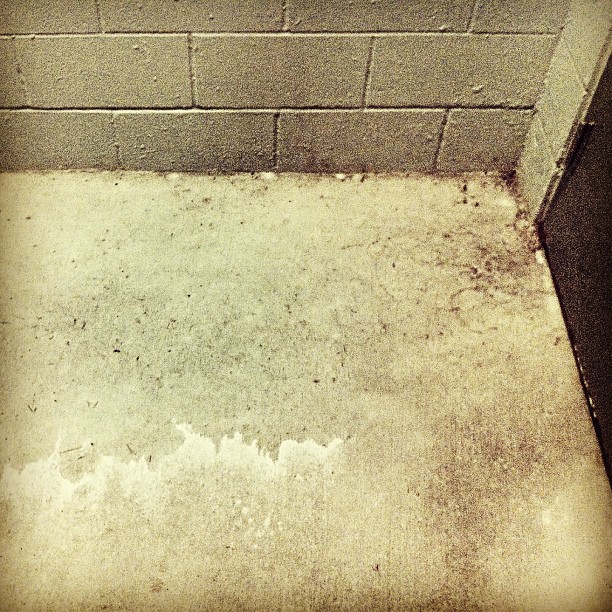
Credit: www.reddit.com
What You Need To Clean Salt Off Garage Floor
Before you start, gather the right materials. Using the correct tools and cleaners makes the process easier and prevents damage.
Basic supplies:
- Push broom or stiff brush
- Mop and bucket
- Wet/dry vacuum (optional, but makes cleanup easier)
- Rubber gloves
- Safety goggles
Cleaning solutions:
- Warm water
- Dish soap or mild degreaser
- Vinegar or citric acid (for stubborn stains)
- Commercial concrete cleaner (for heavy buildup)
Additional options:
- Floor squeegee
- Plastic scraper (never metal, which can scratch)
- Old towels or rags
Pro tip: Avoid using bleach or harsh acids. These can weaken concrete and may create toxic fumes in closed spaces.
Step-by-step Process: Cleaning Salt Off Garage Floor
1. Preparation
Clear the garage floor of all items—cars, bikes, boxes. Salt can get under tires and storage bins, so removing everything lets you clean thoroughly.
- Sweep loose dirt and debris with a push broom.
- Inspect the floor closely, marking areas with heavy salt or visible damage.
Insider tip: Place cardboard or a tarp under your car during winter. This traps salt and makes cleanup easier later.
2. Dry Scrubbing
For light salt buildup, sometimes dry brushing is enough.
- Use a stiff-bristled brush to loosen salt crystals.
- Sweep the loosened salt into a dustpan or use a shop vacuum to remove it.
Non-obvious insight: Dry scrubbing first keeps you from making a salty “slurry” that can soak deeper into cracks.
3. Wet Cleaning
Once loose salt is removed, you need to dissolve and lift what’s left.
- Fill a bucket with warm water and add a few drops of dish soap.
- Mop the floor, focusing on stained areas. Let it sit for 5–10 minutes—this “dwell time” helps dissolve salt.
For stubborn spots: Mix equal parts warm water and vinegar or use a small amount of citric acid. These are safe for concrete and cut through salt residue.
- Scrub with a brush, using circular motions.
- Rinse with clean water, either by mopping or pouring water and using a squeegee to push it outside.
4. Heavy Buildup And Stubborn Stains
If your floor has years of salt buildup, or if homemade solutions don’t work, a commercial concrete cleaner is best.
- Follow the product instructions exactly. Wear gloves and ventilate the garage.
- Most cleaners need to sit for 10–15 minutes before scrubbing.
- After cleaning, rinse thoroughly to prevent residue.
Practical example: If you have large, white patches that return after each cleaning, try a second round with vinegar, then rinse and dry completely.
5. Drying
Standing water can cause new stains or even mold. Use a floor squeegee or towels to dry the surface. Open the garage door for air flow.
Non-obvious tip: Don’t park your car back on the wet floor—wait until it’s fully dry to prevent re-contamination.
6. Inspect For Damage
After cleaning, look for pitting, cracks, or flaking. These need repair to prevent further damage. Small cracks can be filled with concrete patch, but bigger issues may need a professional.
Comparison Of Cleaning Solutions
Different cleaners work for different situations. Here’s a comparison to help you choose:
| Cleaner | Effectiveness | Safety | Cost | Best For |
|---|---|---|---|---|
| Warm water & dish soap | Moderate | Very safe | Low | Light stains |
| Vinegar solution | High | Safe | Low | Stubborn stains |
| Chemical concrete cleaner | Very high | Use gloves | Medium | Heavy buildup |
How Salt Damages Concrete: The Science
Salt, especially sodium chloride, reacts with water and the minerals in concrete. This process, called freeze-thaw cycling, expands water inside the concrete, breaking it apart. Calcium chloride (sometimes used instead of table salt) is even more aggressive—it pulls moisture into the slab, speeding up damage.
Data from the American Concrete Institute shows that repeated salt exposure can reduce surface strength by up to 40% in just 5 years if not cleaned. That’s why annual or even monthly cleaning is so important.
Tools: What Works Best (and What To Avoid)
Using the right tools makes cleaning easier and prevents new problems.
| Tool | Pros | Cons | When to Use |
|---|---|---|---|
| Stiff brush | Cheap, effective | Labor-intensive | Small areas, light stains |
| Mop & bucket | Easy, covers large areas | May leave streaks | General cleaning |
| Wet/dry vacuum | No mess, fast drying | Requires electricity | Large garages |
| Pressure washer | Very fast, deep clean | May damage weak concrete | Severe buildup, strong floors |
Expert tip: Never use metal brushes or scrapers. They scratch and expose concrete to even more salt damage.
Mistakes People Make When Cleaning Salt Off Garage Floor
Many people clean their garage floor but still notice salt returning or even more damage. Here’s why:
- Skipping the dry sweep – Watering down loose salt lets it soak in deeper.
- Using too much water – Excess water can carry salt into cracks.
- Not rinsing enough – Soap and cleaner residue can attract more dirt.
- Parking too soon – Wet floors pick up new salt instantly.
- Not fixing cracks – Salt will keep coming back if cracks are left open.
Non-obvious insight: Even using the wrong cleaner can make things worse. For example, using bleach can discolor your floor and weaken the surface.
Credit: www.citadelfloors.com
How Often Should You Clean Salt Off Garage Floor?
- Light salt use area: Once every 2–3 months in winter.
- Heavy salt use area: Once a month, or after every major snow event.
- After winter ends: Deep clean at least once.
If your garage is heated, salt melts faster and spreads more—so clean more often. If you have a floor coating (epoxy, sealer), cleaning is easier but still necessary, as salt can damage even sealed surfaces over time.
Preventing Salt Buildup: Long-term Solutions
Cleaning is important, but prevention saves time and money. Consider these strategies:
- Floor mats and trays – Place these where tires rest and under parked cars. They catch most salt before it touches the floor.
- Seal the concrete – Applying a concrete sealer creates a barrier. Sealers need reapplication every 1–3 years.
- Wash your car’s undercarriage – Less salt falls off inside the garage.
- Use a garage floor coating – Epoxy and polyaspartic coatings make cleaning very easy and protect against salt.
- Weather stripping – Keeps melted snow and salt from blowing in under the door.
Practical tip: Not all sealers are equal. Silicate sealers soak in and harden concrete, while topical sealers create a film. Both help, but topical sealers can be slippery when wet.
Credit: allgaragefloors.com
Cost Comparison: Diy Vs Professional Cleaning
If you’re deciding between cleaning yourself or hiring a pro, consider the following:
| Method | Cost (Approx.) | Time Required | Results |
|---|---|---|---|
| DIY (home supplies) | $10–$30 | 2–3 hours | Good for most homes |
| DIY (commercial cleaner, tools) | $30–$100 | 2–4 hours | Deep clean, heavy stains |
| Professional cleaning | $150–$400 | 1–2 hours (service time) | Best for damaged floors |
If your floor has deep pitting or coating damage, a professional is worth the investment. For most situations, DIY cleaning is effective and affordable.
Eco-friendly Ways To Clean Salt Off Garage Floor
Many people worry about chemicals going down the drain or harming the environment. Here are safer alternatives:
- Use vinegar or citric acid instead of harsh acids.
- Mop up dirty water with old towels, then wash them separately.
- Pour rinse water onto gravel or outside, not into storm drains.
Some regions ban certain cleaners. Always check local guidelines before using strong chemicals. For more information on safe cleaning, see the EPA Safer Choice program.
How To Keep Your Garage Floor Clean Year-round
Salt isn’t the only thing that can damage your garage floor. Oil, paint, and chemicals all play a role. Here’s how to keep your garage clean and safe:
- Sweep and mop monthly, not just after winter.
- Clean up spills immediately—oil and antifreeze can stain permanently.
- Use mats at doors to reduce dirt and salt coming in.
- Store chemicals off the ground and in sealed containers.
Extra tip: If you notice a musty smell, check for mold in corners. Salt attracts water, which can encourage mold growth.
Advanced Options: Floor Coatings And Sealants
If you want to go beyond simple cleaning, consider upgrading your garage floor. Modern coatings make cleaning easier and extend the life of your concrete.
Epoxy Coatings
Epoxy is a hard, plastic-like layer that bonds to concrete. It resists salt, oil, and water. You can apply it yourself, but for best results, hire a pro.
- Lasts 5–10 years
- Easy to clean, but can be slippery when wet
- Requires thorough prep—no salt or moisture can be left underneath
Polyaspartic Coatings
This newer option cures faster and is even more durable than epoxy.
- Withstands extreme temperature changes
- Resists salt damage better
- More expensive, but worth it for long-term protection
Penetrating Sealers
These soak into the concrete and repel water and salt from within.
- Invisible, doesn’t change floor appearance
- Needs reapplication every 1–2 years
Caution: All coatings require a perfectly clean, dry floor. Salt left underneath can cause bubbling or peeling.
Real-world Example: Cleaning A Salt-damaged Garage Floor
Let’s walk through a real scenario. Anna lives in Michigan, where roads are heavily salted. Every spring, she notices white spots and rough patches on her garage floor.
- She starts by removing all boxes and tools.
- She sweeps up loose dirt and salt.
- Using a stiff brush, she dry-scrubs the worst spots, then vacuums up the powder.
- She mixes a bucket of warm water and vinegar, mops the floor, and lets it sit for 10 minutes.
- Using a brush, she scrubs the most stubborn stains.
- She rinses with clean water, squeegees the floor, and lets it air dry.
- After inspecting for cracks, she patches a few small holes with concrete filler.
- Finally, she applies a concrete sealer for extra protection.
After this process, Anna only needs a quick mop each month to keep the floor in good shape. She also puts down rubber mats under her car in winter.
Frequently Asked Questions
What Is The White Residue On My Garage Floor After Winter?
That white powder is usually salt residue left behind by melting snow and ice. Sometimes it can be efflorescence (minerals from the concrete), but if you live where roads are salted, it’s almost always from de-icing chemicals.
Can I Use A Pressure Washer To Clean Salt Off My Garage Floor?
Yes, but use caution. Pressure washers can blast away salt, but they may also damage weak or cracked concrete. Always use a low-pressure setting and keep the nozzle moving. Never concentrate the spray in one spot.
Is Vinegar Safe For Cleaning Garage Floors?
Absolutely. Vinegar is mildly acidic and dissolves salt without harming concrete. Mix equal parts warm water and vinegar for best results. Rinse well, as vinegar can leave a smell if not washed away.
How Can I Prevent Salt From Getting Into My Garage?
Use floor mats at entry points, wash your car’s undercarriage, and consider applying a concrete sealer. Sweeping the garage regularly also helps reduce buildup.
Does Salt Damage Epoxy Or Coated Garage Floors?
Salt can’t easily penetrate epoxy or polyaspartic coatings, but it can make the surface slippery and cause buildup. Clean coated floors regularly to maintain safety and appearance.
Maintaining a clean garage floor doesn’t just make your home look better—it protects your investment, keeps your family safe, and saves money on repairs. With regular care and a few smart prevention strategies, you can keep salt stains away for good.