
Keeping a metal table looking clean and shiny makes any space feel more inviting. Whether it’s a stainless steel kitchen table, a wrought iron patio set, or a painted steel workbench, proper cleaning is essential. Many people worry about scratching the surface or causing rust, but with the right methods, you can make your metal table last for years and look its best.
In this article, you’ll learn everything about cleaning metal tables—from everyday dusting to deep cleaning tough stains. You’ll also discover how to protect against rust, handle different types of metals, and avoid common mistakes that can damage your table. Even if you’re a beginner, you’ll find this guide simple and practical.
Understanding Your Metal Table
Before you start cleaning, it’s important to know what kind of metal your table is made of. Not all metals are the same. Some need gentle care, while others can handle stronger cleaners. The most common types are stainless steel, aluminum, wrought iron, brass, and painted or coated steel.
Stainless Steel
Stainless steel tables are popular because they resist rust and are easy to clean. They’re common in kitchens and restaurants. However, they can show fingerprints and water spots.
Aluminum
Aluminum tables are lightweight and often used outdoors. They don’t rust, but they can get pitted or dull if not cleaned regularly.
Wrought Iron
Wrought iron tables are heavy and strong. You’ll often see them as patio furniture. They can rust if their protective coating is damaged.
Brass
Brass tables look elegant and have a yellow-gold color. They can tarnish (turn dark) if not polished and cleaned.
Painted Or Coated Steel
Some tables have a powder-coated or painted surface. This protects the metal but can chip if scratched. Cleaning must be gentle to avoid removing the coating.
To identify your table’s metal, look for a label, check the product manual, or contact the manufacturer. If you’re not sure, start with the gentlest cleaning method.
Essential Supplies And Tools
The right tools make cleaning easier and safer. Here’s what you’ll need for most metal tables:
- Soft microfiber cloths (avoid rough towels)
- Mild dish soap
- Warm water
- Non-abrasive sponge
- Spray bottle
- Soft-bristle brush (for crevices)
- White vinegar
- Baking soda
- Olive oil or mineral oil (for polishing)
- Rubber gloves
- Bucket
- Dry towel
For tough stains or rust, you may also need:
- Fine steel wool (#0000 grade)
- Lemon juice
- Commercial metal polish
- Rust remover (suitable for your metal type)
Avoid using:
- Steel brushes (except for heavy-duty iron surfaces)
- Abrasive cleaners with grit
- Bleach or ammonia (can corrode or discolor metal)
- Scouring powders
Step-by-step: How To Clean Metal Table
Everyday cleaning keeps your table looking good and prevents damage. Let’s break down the process for most metal tables.
1. Dust And Remove Loose Debris
Use a dry microfiber cloth to wipe away dust, crumbs, and loose dirt. This prevents scratches when you wash the table.
2. Prepare A Cleaning Solution
Mix a few drops of mild dish soap with warm water in a bucket. For light cleaning, this is enough. For outdoor tables or heavy dirt, you can add a splash of white vinegar.
3. Wipe Down The Surface
Dip a soft cloth or sponge in the soapy water. Wring it out so it’s damp, not dripping wet. Wipe the entire table, paying attention to sticky spots or fingerprints.
For tables with grooves or designs, use a soft-bristle brush to get into crevices.
4. Rinse And Dry
Use a clean, damp cloth to remove any soap residue. Then dry the table with a towel to prevent water spots or rust, especially on iron and steel.
5. Polish (optional)
For extra shine, put a few drops of olive oil or mineral oil on a soft cloth and buff the surface. This helps prevent fingerprints and adds a protective layer.
6. Clean Table Legs And Underside
Don’t forget to wipe the legs and the underside. These areas collect dust and spider webs, especially on outdoor tables.
Deep Cleaning And Stain Removal
Sometimes, regular cleaning isn’t enough. Grease, water stains, rust, or tarnish can make your table look old. Here’s how to tackle tough problems.
Removing Water Stains
Water spots are common on stainless steel. Make a paste of baking soda and water. Rub gently with a soft cloth, following the metal’s grain. Wipe clean and dry.
Grease And Sticky Residue
Mix equal parts vinegar and water in a spray bottle. Spray the sticky area, wait a few minutes, then wipe with a cloth. For stubborn spots, use a bit of baking soda.
Rust Removal
For small rust spots (especially on iron):
- Sprinkle baking soda on the rust.
- Add a little lemon juice to make a paste.
- Let it sit for 10–15 minutes.
- Scrub gently with fine steel wool or a soft brush.
- Wipe clean and dry.
Never use harsh rust removers on painted or coated metal—these can damage the finish.
Tarnish On Brass
Mix equal parts vinegar, salt, and flour to make a paste. Rub onto the tarnished area, let it sit for 10 minutes, then wipe off and buff with a clean cloth.
Mildew Or Mold
Outdoor tables sometimes grow mold in humid weather. Mix 1 part white vinegar with 3 parts water. Spray, wait 10 minutes, scrub, and rinse well.
Special Care By Metal Type
Different metals need different cleaning methods for the best results. Here’s a comparison of common types:
| Metal Type | Best Cleaning Method | What to Avoid | Extra Care Tips |
|---|---|---|---|
| Stainless Steel | Soap and water, polish with oil | Abrasives, bleach | Wipe with the grain |
| Aluminum | Vinegar solution, gentle scrubbing | Strong acids, steel wool | Rinse well to avoid dullness |
| Wrought Iron | Soap and water, rust removal | Letting it stay wet | Repaint if coating chips |
| Brass | Homemade paste (vinegar, salt, flour) | Ammonia, steel brushes | Polish regularly |
| Painted Steel | Mild soap, soft cloth | Scrubbing pads, harsh cleaners | Touch up chips quickly |
Cleaning Outdoor Vs. Indoor Metal Tables
Outdoor metal tables face more weather, dust, and bird droppings. Cleaning them requires a little extra effort.
- Rinse with a garden hose before washing.
- Use a gentle brush for pollen or mud.
- Apply a coat of car wax to protect against rain and sun.
- Store inside or use a cover when not in use.
Indoor tables are easier to maintain. Just avoid placing hot pots or wet cups directly on the surface, as this can leave marks.
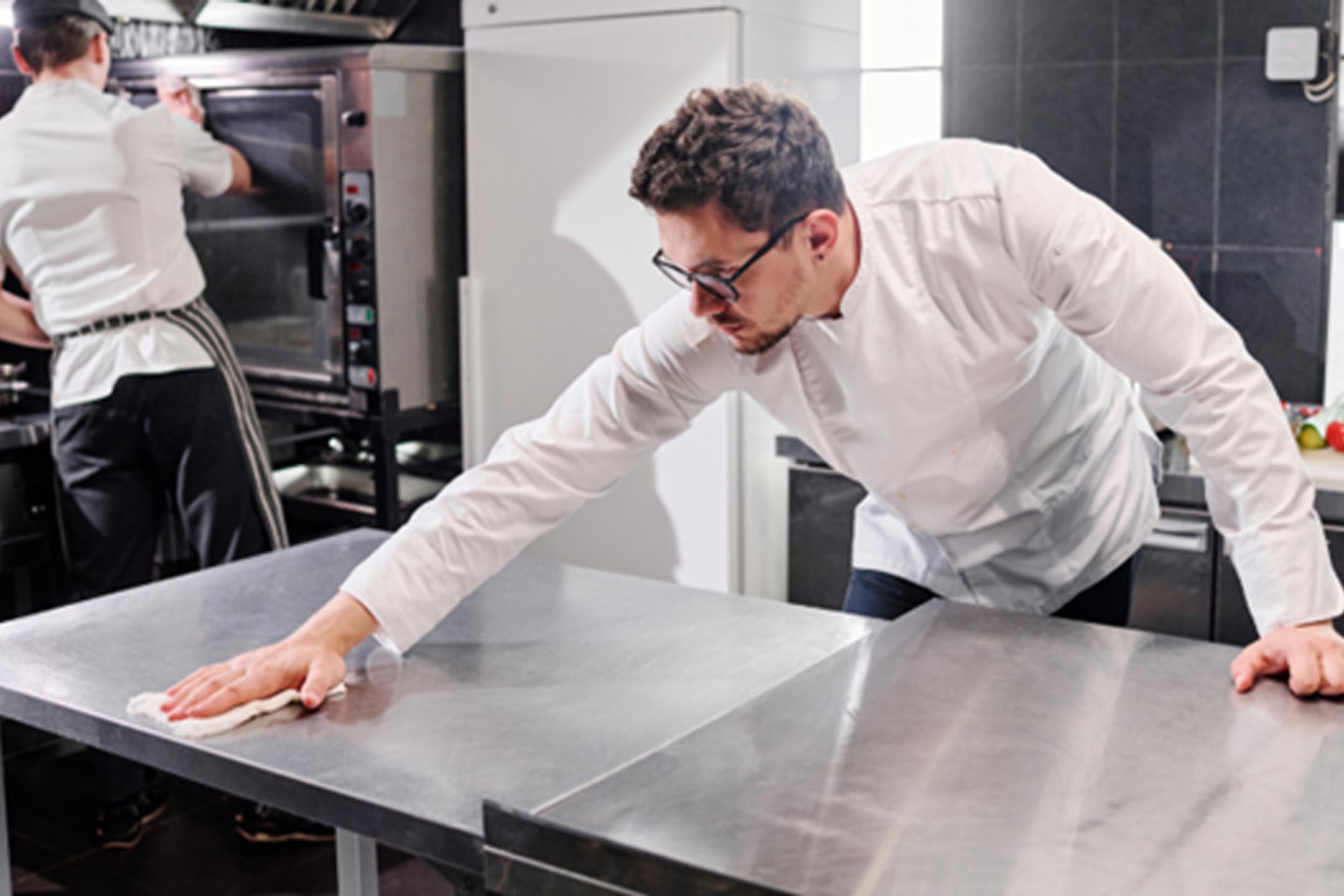
Credit: www.tarrison.com
Preventing Damage And Rust
Protecting your metal table is easier than fixing damage. Here’s how you can prevent common problems:
- Keep it dry: Water is the main cause of rust, especially for iron and steel. Always dry your table after cleaning or rain.
- Use coasters and placemats: This prevents scratches and water rings.
- Apply protective wax or oil: For outdoor tables, a thin coat of car wax or mineral oil forms a barrier against moisture.
- Touch up paint chips: If your table is painted, repair chips quickly to avoid rust underneath.
- Avoid harsh cleaners: Strong chemicals can strip protective coatings.
A small habit, like wiping your table once a week, can add years to its life.
How Often Should You Clean?
How often you clean depends on where and how you use your table.
| Use Case | Cleaning Frequency | Notes |
|---|---|---|
| Indoor Dining Table | Wipe daily, deep clean monthly | Check for fingerprints or spills often |
| Outdoor Patio Table | Rinse weekly, deep clean every 2 months | Clean after storms or pollen season |
| Workshop Table | Wipe after each use, deep clean every 2 weeks | Remove grease and dust regularly |

Credit: www.reddit.com
Common Mistakes To Avoid
Many people accidentally damage their metal tables by using the wrong methods. Here are mistakes to watch out for:
- Using abrasive pads or powders. These scratch the surface and remove protective coatings.
- Leaving water or cleaner residue to air dry. This can cause spots or rust.
- Using bleach or ammonia, especially on stainless steel and aluminum. These chemicals corrode metal.
- Scrubbing too hard on painted or coated surfaces. This can cause peeling.
- Ignoring small rust spots. Rust spreads quickly if not treated early.
If you’re unsure about a cleaner, always test on a small hidden spot first.
Eco-friendly Cleaning Options
Many commercial cleaners contain harsh chemicals. If you prefer natural cleaning, you can use:
- White vinegar: Cuts grease and disinfects.
- Baking soda: Gentle scrubber for stains and rust.
- Lemon juice: Removes rust and adds shine.
- Castile soap: Plant-based and safe for most metals.
Mix these with warm water for effective, safe cleaning.
When To Call A Professional
Some cleaning jobs need expert help:
- Deep rust or corrosion that covers large areas
- Antique tables with valuable finishes
- Heavy tarnish on brass or copper
- Paint or coating that is peeling off in sheets
A professional can restore the finish and prevent further damage. For valuable or sentimental pieces, always ask an expert before attempting repairs.
Caring For Metal Table Accessories
Many metal tables come with glass tops, cushions, or fabric covers. Clean these parts separately:
- Glass tops: Use glass cleaner and a soft cloth. Avoid spraying cleaner on the metal frame.
- Cushions: Wash covers according to label instructions. Let them dry completely before putting back.
- Fabric covers: Shake off dust, spot clean stains, and air out regularly.
Protect accessories from sun and rain to keep your table looking complete.
Real-world Example: Cleaning A Rusty Patio Table
Let’s say your wrought iron patio table has developed small rust spots after a rainy season. Here’s how you can restore it:
- Brush off loose dirt and flaking rust with a soft-bristle brush.
- Make a paste of baking soda and lemon juice. Apply to rust spots.
- Let it sit for 15 minutes, then gently scrub with fine steel wool.
- Rinse well and dry completely.
- If bare metal is exposed, touch up with outdoor metal paint to seal the area.
- Apply a coat of car wax for extra protection.
This process removes rust, prevents it from spreading, and keeps your table safe from future rain.
Quick Reference: Cleaning Metal Table At-a-glance
This summary chart helps you choose the right cleaning method at a glance:
| Problem | Quick Solution | Products Needed |
|---|---|---|
| Dust and fingerprints | Wipe with damp microfiber cloth | Water, microfiber cloth |
| Grease or sticky residue | Spray vinegar solution, wipe clean | Vinegar, water, spray bottle, cloth |
| Rust spots | Baking soda paste, gentle scrubbing | Baking soda, lemon juice, steel wool |
| Tarnish (brass) | Homemade paste, buff with cloth | Vinegar, salt, flour, cloth |
| Water spots | Baking soda paste, wipe dry | Baking soda, water, cloth |
Keep this chart handy to solve cleaning challenges quickly.

Credit: www.reddit.com
Non-obvious Insights For Better Results
Many beginners miss small details that make a big difference:
- Always wipe with the grain: For brushed metal, especially stainless steel, wiping with the grain prevents scratches and keeps the finish shiny.
- Change your cleaning cloth often: Using a dirty cloth can spread grit and cause micro-scratches. Switch to a clean cloth for drying and polishing.
- Check hardware and joints: Dirt and moisture can collect where the legs meet the tabletop. Clean these areas to prevent rust from starting out of sight.
- Seasonal deep cleaning: Even if your table looks clean, do a deep clean and inspection at least twice a year. This helps find early signs of rust or damage before they become serious.
Choosing Commercial Metal Cleaners
Sometimes, homemade solutions aren’t enough for heavy stains or tarnish. When buying a cleaner:
- Read labels to ensure it’s safe for your metal type.
- Avoid products with ammonia, chlorine, or abrasive grit.
- Look for “non-scratch” and “non-corrosive” formulas.
- Test on a hidden area first.
For more about safe cleaning chemicals, see the Wikipedia page on metal cleaning.
Frequently Asked Questions
What Is The Safest Way To Clean A Painted Metal Table?
Use mild dish soap and warm water with a soft cloth. Avoid scrubbing pads or strong cleaners. Dry the table completely to prevent water from seeping under the paint. If you see chips, touch them up quickly with matching paint.
How Can I Stop My Outdoor Metal Table From Rusting?
Keep your table clean and dry. Apply a thin coat of car wax or mineral oil every few months. Use a cover during rain or snow. If you see paint chips or scratches, repair them to seal the metal and prevent rust.
Can I Use Vinegar To Clean All Metal Tables?
Vinegar is safe for stainless steel, aluminum, and iron, but avoid using it on brass, copper, or painted surfaces, as it can damage the finish. Always dilute vinegar with water and rinse well.
How Do I Remove Old, Stubborn Stains From My Metal Table?
For tough stains, make a paste of baking soda and water. Apply, let sit for 10–15 minutes, then scrub gently with a soft cloth. For rust, use fine steel wool. If stains remain, try a commercial metal cleaner made for your table’s metal.
Is It Okay To Pressure Wash An Outdoor Metal Table?
Pressure washing can help with heavy dirt, but use a low-pressure setting and keep the nozzle at least 2 feet from the surface. Too much pressure can damage paint or force water into seams, causing rust later. Dry thoroughly after washing.
Caring for your metal table is not hard, but it does take attention to detail. The right cleaning routine keeps your table strong and beautiful for years. With a little effort, you’ll enjoy a table that looks almost as good as new—indoors or out.