
Cleaning ceiling tiles can feel like a tough job, especially when you want to avoid taking them down. Whether you’re dealing with a home, office, or school ceiling, dirty tiles can make a space look old and uncared for. Many people think you need to remove the tiles to clean them, but that’s not true.
With the right approach, you can clean ceiling tiles right where they are—no ladders full of messy tiles, no broken pieces, no hassle.
This guide walks you through how to clean ceiling tiles without removing them. You’ll find step-by-step instructions, tips for different tile types, the best cleaning solutions, and advice for dealing with tough stains. By the end, you’ll feel confident tackling even the dirtiest tiles, all while keeping your space neat and safe.
Why Clean Ceiling Tiles Regularly?
Ceiling tiles collect dust, cobwebs, and sometimes even mold. Over time, this doesn’t just look bad—it can affect your health. Dust can cause allergies, and mold spores can lead to breathing problems. In offices or schools, dirty ceilings can create a poor impression for visitors and staff.
Regular cleaning:
- Improves air quality
- Keeps your space looking bright
- Extends the life of your ceiling tiles
- Prevents stains from becoming permanent
Many people only notice ceilings when they’re dirty or stained. But with a little maintenance, you’ll avoid the need for expensive replacements later.
Understanding Different Types Of Ceiling Tiles
Not all ceiling tiles are the same. How you clean them depends on the material. Before you start, know what kind of tiles you have:
| Type of Tile | Common Places | Features |
|---|---|---|
| Mineral Fiber (Acoustic) | Offices, Schools | Porous, absorbs sound, stains easily |
| Vinyl-coated Gypsum | Hospitals, Kitchens | Moisture-resistant, easy to wipe |
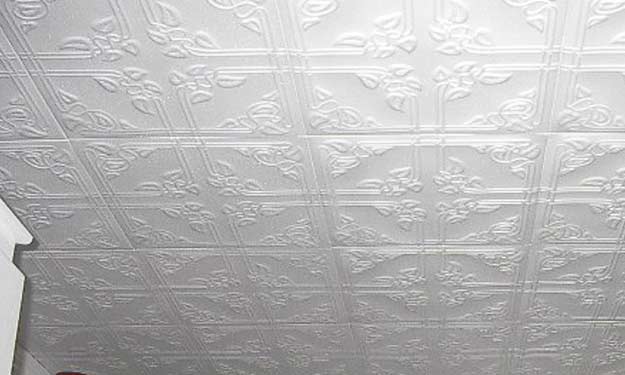
| Metal Tiles | Historic buildings, Restaurants | Durable, can tarnish, needs gentle cleaning |
| Plastic or PVC | Basements, Bathrooms | Mold-resistant, can be wiped clean |
| Wood Fiber | Homes, Some Commercial | Can warp with moisture, stains show clearly |
Tip: If you’re unsure what kind of tile you have, gently tap it. If it feels soft and powdery, it’s likely mineral fiber. Smooth and shiny? Probably vinyl or plastic.
Safety First: Preparing Your Space
Cleaning overhead means dust and cleaning solution can fall. Here’s how to protect yourself and your room:
- Wear safety glasses to avoid dust and cleaner in your eyes.
- Use a dust mask if you’re sensitive to dust.
- Cover furniture and floors with plastic sheets or old sheets.
- Set up a stable step ladder if your ceiling is high, but never overreach.
- Keep a bucket of clean water and a trash bag nearby for used wipes.
These steps might seem simple, but skipping them can lead to accidents or a bigger mess.
Tools And Materials You’ll Need
To clean ceiling tiles without removing them, get these supplies ready:
- Vacuum with brush attachment (for dust and cobwebs)
- Soft microfiber cloths
- Soft-bristle brush or duster with a long handle
- Spray bottle for your cleaning solution
- Mild cleaning solution (dish soap, vinegar, or commercial ceiling cleaner)
- Sponge mop or flat mop (for large areas)
- Baking soda (for stain removal)
- Hydrogen peroxide (for mold/mildew)
- Gloves (optional but helpful)
Pro tip: Avoid using strong chemicals or rough brushes. They can damage some ceiling tiles or remove their color.
Step-by-step: How To Clean Ceiling Tiles Without Removing Them
Follow these steps for clean, fresh-looking tiles:
1. Remove Surface Dust And Cobwebs
Start by removing loose dust so it doesn’t turn into mud when wet.
- Use a vacuum with a brush head or a long-handled duster.
- Work gently. Don’t press hard—tiles can crack or break.
- Move in one direction to avoid spreading dust around.
- Don’t forget corners and places near air vents.
2. Spot-test Your Cleaner
Before spraying anything, test your cleaner on a small, hidden area. Wait 5-10 minutes. If the tile changes color or softens, try a different cleaner.
3. Prepare Your Cleaning Solution
For most ceiling tiles, mix:
- 1 quart warm water
- Few drops of mild dish soap
For tougher stains:
- Mix 1 part white vinegar to 3 parts water
- Or use a commercial ceiling tile cleaner (follow label instructions)
Avoid bleach on colored or metal tiles.
4. Wipe Tiles With A Damp Cloth
- Lightly spray your cloth with the solution. Don’t soak it.
- Gently wipe the tile surface. Work from one side of the room to the other.
- For high ceilings, wrap a damp cloth around a flat mop head.
5. Rinse And Dry
- Wipe again with a clean, damp cloth to remove soap residue.
- Dry the tiles with a soft towel or let them air dry.
- Open windows or use fans for faster drying.
Caution: Too much water can warp or stain tiles. Always use the least amount needed.
Special Tips For Different Types Of Ceiling Tiles
Cleaning methods change depending on the tile material. Here’s how to get the best results:
Mineral Fiber (acoustic) Tiles
- These absorb sound and stains easily.
- Never soak them. Use a barely damp cloth.
- For grease or smoke stains, sprinkle a little baking soda on a damp sponge, rub gently, and wipe clean.
- If you see yellowing, try a 3% hydrogen peroxide solution, but always test first.
Vinyl-coated Gypsum Tiles
- Wipe with a soft cloth and mild soap solution.
- For mold, use a mix of water and hydrogen peroxide (1: 1 ratio).
- Avoid scrubbing hard—the vinyl coating can peel.
Metal Tiles
- Use a soft, dry cloth for regular dusting.
- For fingerprints, a little vinegar on the cloth works well.
- Dry immediately to avoid water spots or rust.
Plastic Or Pvc Tiles
- These are tough and resist stains.
- Use mild soap and water for most stains.
- For mold, a diluted vinegar spray works well.
Wood Fiber Tiles
- Use as little moisture as possible.
- Dust often to prevent buildup.
- For stains, try a slightly damp cloth with mild soap, then dry immediately.

Credit: www.reddit.com
Removing Tough Stains From Ceiling Tiles
Some stains need extra attention. Here’s how to handle the most common ones:
Water Stains
- Mix 1 part hydrogen peroxide with 2 parts water.
- Dab on the stain with a sponge.
- Let it sit for 10-15 minutes, then blot dry.
- Repeat if needed, but don’t soak the tile.
Smoke Or Nicotine Stains
- Mix 1/4 cup baking soda, 1 cup warm water, and a few drops of dish soap.
- Apply with a soft cloth, wipe, and rinse.
Mold And Mildew
- Use a spray of 1 part white vinegar, 1 part water.
- Spray lightly, let sit 5 minutes, then wipe.
- If the mold returns, check for leaks above the ceiling.
Grease Stains
- For kitchens, use a solution of dish soap and warm water.
- Apply with a cloth, rinse, and dry.
Marker Or Pen Ink
- Try a little rubbing alcohol on a cotton swab.
- Dab gently and rinse.
Note: If stains keep coming back, there may be a leak or moisture problem above the tile. Fix this first.
Cleaning Patterns: How Often Should You Clean Ceiling Tiles?
How often you clean depends on your space:
| Location | Recommended Cleaning Frequency | Why? |
|---|---|---|
| Home | Every 3-6 months | Less dust, lower traffic |
| Office | Every 2-3 months | Higher dust, more people |
| Restaurant/Kitchen | Monthly | Smoke, grease, food particles |
| School/Classroom | Every semester | Allergy control, appearance |
| Hospital/Clinic | Monthly or as required | Hygiene, infection control |
If you notice stains, cobwebs, or dust sooner, don’t wait for the next scheduled cleaning.
Preventing Future Stains And Damage
Once your tiles are clean, keep them looking fresh with these tips:
- Fix leaks quickly. Most water stains come from roof or pipe leaks.
- Change air filters in your HVAC system every 1-2 months to reduce dust.
- Close windows during storms or construction.
- Install exhaust fans in kitchens and bathrooms to reduce humidity.
- Consider ceiling tile sealant if stains are a recurring problem (always follow product instructions).
Non-obvious insight: Many stains start from above the ceiling, not below. If you notice repeated marks, investigate the space above the ceiling tiles.
Dealing With Drop Ceilings And Suspended Tiles
Most offices and schools have drop ceilings (also called suspended ceilings). These are a grid system where tiles sit on a frame. You can clean these tiles without removing them, but be gentle:
- Do not push up on the tiles—they can shift or break.
- Use a flat mop or duster with a long handle for the best reach.
- If you need to clean the grid, use a damp cloth with mild soap.
If tiles are sagging or stained beyond cleaning, it may be time to replace them.
Common Mistakes To Avoid
Many people cause damage by cleaning the wrong way. Here’s what not to do:
- Using too much water: This causes warping, stains, and even mold.
- Scrubbing hard: Most tiles are soft and will crumble or scratch.
- Skipping spot tests: Cleaners can bleach or destroy some materials.
- Ignoring leaks: Always fix the source of moisture before cleaning.
- Using bleach or harsh chemicals: These can damage tiles and are unsafe to breathe.
Non-obvious insight: Some commercial cleaners contain oil, which can attract dust and make stains worse over time. Always read the label and rinse off any residue.
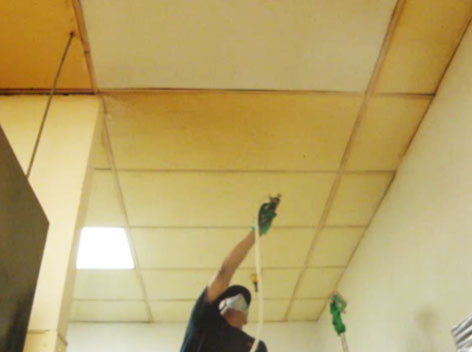
When To Call A Professional
Sometimes, cleaning isn’t enough. Call a professional if:
- You have mold covering a large area (more than 10 square feet).
- There is asbestos in old ceiling tiles (never clean or disturb these yourself).
- Stains keep returning, even after cleaning and fixing leaks.
- You need a deep clean for a medical or food-preparation area.
Professionals have the tools and experience to handle tough jobs safely.
Credit: www.ceilingcleaner.ca
Eco-friendly Cleaning Options
If you want to avoid chemicals, try these green methods:
- Vinegar and water for mold and general cleaning.
- Baking soda as a gentle scrub for stains.
- Hydrogen peroxide for tough spots (test first).
- Microfiber cloths and mops, which pick up dust without needing sprays.
These options are safe for most tiles and the environment.
Quick Comparison: Diy Vs Professional Ceiling Tile Cleaning
Should you clean ceiling tiles yourself or hire someone? Here’s a quick look:
| Factor | DIY Cleaning | Professional Cleaning |
|---|---|---|
| Cost | Low (just supplies) | Medium to High |
| Time Needed | 1-4 hours (depends on area) | Usually faster |
| Effectiveness | Good for surface stains | Removes deep/old stains, sanitizes |
| Best For | Regular maintenance, small stains | Large spaces, mold, health codes |
DIY is usually enough for homes or small offices. For big jobs or health-sensitive spaces, professionals are best.
Credit: housecleaningcentral.com
Practical Examples: Real Life Cleaning Scenarios
Home Living Room
A family noticed black spots on their ceiling tiles. After checking for leaks, they followed these steps:
- Vacuumed the tiles with a brush attachment.
- Used a vinegar-water mix to wipe the spots.
- Dried the tiles with a fan.
Result: The tiles looked nearly new, and the spots did not return.
Restaurant Kitchen
Grease stains built up above the cooking area. Staff:
- Covered food prep areas.
- Used a dish soap solution and sponge mop.
- Rinsed with clean water and dried with towels.
Result: Most stains disappeared. For a few tiles, replacement was needed.
School Classroom
A classroom had water stains after a leak. The janitor:
- Fixed the leak above the ceiling.
- Used hydrogen peroxide solution on the stains.
- Allowed tiles to air dry.
Result: Stains faded after two treatments. No mold appeared.
Cleaning Ceiling Tile Grids
Don’t forget the metal grid that holds your tiles:
- Wipe with a damp cloth and mild soap.
- For rust, use a little vinegar, then dry well.
- Clean grids make the whole ceiling look brighter.
Keeping Ceilings Cleaner, Longer
Want To Make Cleaning Easier Next Time?
- Dust regularly with a long-handled duster.
- Use air purifiers in dusty or busy spaces.
- Ask cleaning staff to check ceilings during routine cleaning.
A little regular care saves hours of work later.
Frequently Asked Questions
How Do I Remove Mold From Ceiling Tiles Without Taking Them Down?
Spray a mix of equal parts white vinegar and water onto the moldy area. Let it sit for 5–10 minutes, then gently wipe with a damp cloth. Always fix any leaks or moisture above the ceiling to prevent mold from returning.
Can I Paint Over Stained Ceiling Tiles Instead Of Cleaning Them?
You can, but it’s not always the best idea. Paint can trap moisture and cause more damage. Clean the tiles first and only paint if stains remain. Use special ceiling tile paint for best results.
What Should I Do If A Ceiling Tile Breaks During Cleaning?
If a tile cracks or breaks, remove loose pieces carefully. Replace with a matching tile if possible. For small chips, you can patch with ceiling tile repair paste, but this is only a temporary fix.
Are Commercial Ceiling Tile Cleaners Safe To Use?
Most are safe for vinyl, plastic, and metal tiles. Always read the label and test on a small area first. For mineral fiber or wood tiles, stick to mild soap and water to avoid damage.
Where Can I Find More Information About Ceiling Tile Materials And Care?
Visit the Wikipedia page on ceiling tiles for detailed information on types, materials, and maintenance.
Keeping your ceiling tiles clean without removing them is not only possible but easy with the right tools and methods. Regular care keeps your space bright, healthy, and welcoming. With these tips, you can handle ceiling cleaning like a pro—no ladders full of dirty tiles required.