
Cathedral ceilings bring a sense of openness and beauty to any space. Their height and design create an airy feeling, making rooms appear much larger. But maintaining their appearance is not easy. Dust, cobwebs, stains, and watermarks are much harder to reach than on regular ceilings. Many homeowners postpone cleaning because they worry about safety and the difficulty of the task.
Yet, dirty cathedral ceilings can make even the most stylish room feel dull. Neglected dust can cause allergies and reduce indoor air quality. If your ceiling is made of wood or has special finishes, dirt can cause permanent damage. The good news: you can keep your cathedral ceiling clean and looking new with the right tools, methods, and a little know-how.
In this guide, you’ll discover practical steps to clean cathedral ceilings—safely and efficiently. You’ll learn how to prepare, what tools to use, and how to handle different ceiling materials. We’ll also cover safety tips, professional cleaning options, and the best ways to keep your ceiling clean for longer.
If you want your home to shine from top to bottom, keep reading.
Understanding Cathedral Ceilings
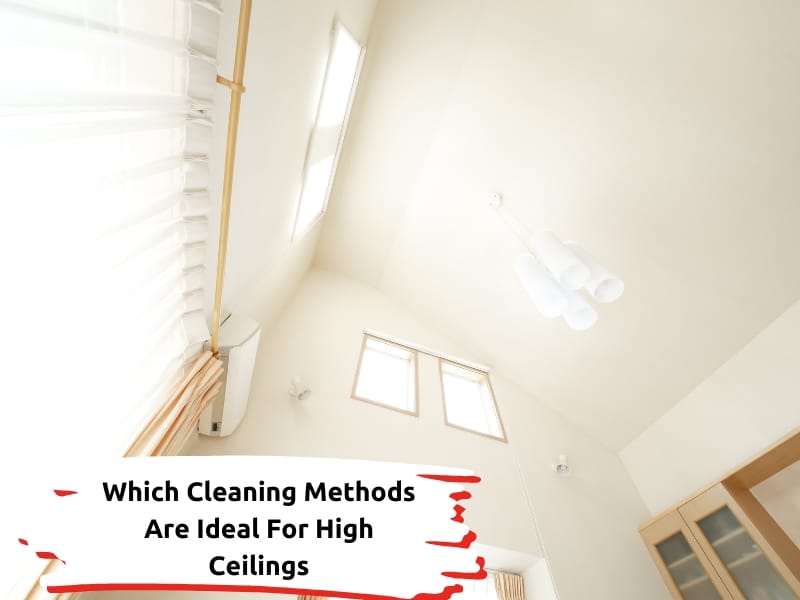
Cathedral ceilings are sloped, high ceilings that usually follow the pitch of the roof. They are common in living rooms, great rooms, and entryways. These ceilings can be made from drywall, wood, exposed beams, or even painted plaster. Each material has unique cleaning needs.
The most obvious challenge is their height—often 12 feet or higher. Light fixtures, fans, and beams add extra complexity. Dust settles on flat surfaces like beams and ledges, and cobwebs collect in corners. Stains from roof leaks or smoke can also appear. Understanding the specific features of your cathedral ceiling helps you plan the cleaning process.
Another unique trait of cathedral ceilings is how they affect the acoustics and temperature in a room. Because warm air rises, these ceilings can collect heat, and sometimes even humidity, near the top. This can lead to condensation, especially in colder climates, which over time may cause mold or mildew if not regularly checked.
Also, the unique angles and slopes can make light fixtures and vents more difficult to access, requiring special tools and extra caution.
Cathedral ceilings also highlight architectural details, like crown molding or decorative beams. These features look beautiful but can become a magnet for dust and even insects. In homes with open lofts or balconies, the ceiling’s visibility from multiple angles means any dirt or cobwebs are much more noticeable.
Preparation Before Cleaning
Cleaning a cathedral ceiling is not something you should start without preparation. Planning saves time, reduces mess, and, most importantly, keeps you safe.
Inspect The Ceiling
Walk around the room and look up. Notice the areas with the most dust or stains. Are there cobwebs in corners? Do you see watermarks? Make a note of any areas that need extra attention.
It helps to do this inspection at different times of day. Sunlight at certain angles can reveal dust, streaks, or cobwebs you might not see under artificial light. Use a flashlight or even a pair of binoculars to check high corners and the tops of beams.
If you have a digital camera with a zoom lens, take a few pictures—sometimes, a photo will help you spot problem areas you missed with the naked eye.
Gather The Right Tools
Having the correct equipment makes the job easier and safer. Here are the essentials:
- Extension pole (at least 12–20 feet)
- Microfiber duster or mop head
- Vacuum cleaner with extension wand
- Stable ladder (if you must climb)
- Drop cloths or plastic sheeting
- Protective eyewear and mask
- Buckets, sponges, and clean rags
- Mild cleaning solution (for painted or drywall ceilings)
- Wood cleaner (for wood surfaces)
- Spray bottle
- Gloves
For homes with larger rooms, consider renting a scaffolding tower if you need to do detailed cleaning or repairs. Scaffolding offers a much wider, more stable platform than ladders—especially useful if you need to work for long periods.
Clear And Protect The Area
Move furniture away from the area under the ceiling. Cover anything left with drop cloths. Lay plastic sheets on the floor to catch dust and drips. Remove or cover electronics, as dust can damage them.
Pay special attention to items like curtains, wall art, and air vents. Fine dust can settle on these surfaces and be hard to remove. If your room has a fireplace or built-in shelves, take a few minutes to cover those as well.
This extra step can save you hours of cleaning later.
Safety First
Cathedral ceilings often require you to work high above the ground. Never stand on chairs or unstable surfaces. If you need a ladder, make sure it is on a flat surface. Avoid stretching too far—move the ladder instead. Always have someone nearby if you’re climbing.
Double-check the condition of your ladder before starting. If it’s old or has any damage, do not use it. Wearing a dust mask is important, especially if you have allergies or asthma, as cleaning will stir up fine particles. If you’re using any cleaning chemicals, make sure the room is well-ventilated to avoid breathing in fumes.

Credit: www.hometalk.com
Choosing The Right Cleaning Tools
Not all cleaning tools are made for tall ceilings. The right choices help you reach high spots and clean thoroughly without risk.
| Tool | Best For | Advantages | Limitations |
|---|---|---|---|
| Extension Pole with Microfiber Duster | Dust and cobwebs | Safe, easy to use, no ladder needed | May not remove stains |
| Vacuum with Extension Wand | Loose dust, debris | Captures dust, reduces mess | Heavier, can be awkward overhead |
| Stable Ladder | Detailed cleaning, stains | Access tough spots | Safety risk if not used carefully |
| Spray Bottle & Sponge | Spots, stains | Targeted cleaning | Requires close access |
For most homeowners, a microfiber duster with an extension pole is the safest and fastest way to clean cathedral ceilings. Some extension poles can reach over 20 feet. Look for ones with adjustable heads to clean at different angles.
A key detail: choose microfiber over feather dusters. Microfiber traps dust rather than pushing it into the air, so the room stays cleaner. For especially high ceilings, consider a dusting system designed for commercial buildings. These are more expensive but can handle frequent use and larger spaces.
If your vacuum has a HEPA filter, use it. HEPA filters trap smaller particles and allergens, improving air quality as you clean. Always check that the vacuum extension attachments lock securely—loose attachments can fall and cause injury or damage.
Step-by-step Cleaning Process
Cleaning a cathedral ceiling is best done in stages. Each step removes a layer of dirt, so you avoid spreading dust or causing streaks.
1. Dry Dust Removal
Start by removing dry dust and cobwebs.
- Attach the microfiber duster or vacuum wand to the extension pole.
- Gently sweep the duster along the ceiling, following the slope.
- Start at the highest point and move downward.
- Pay special attention to corners and around light fixtures or beams.
- If you see heavy cobwebs, use a slightly damp duster for better results.
Tip: Move the duster in smooth, controlled motions. Jerky movements can flick dust onto walls and floors.
It’s a good idea to wear a cap or head covering, as dust can fall on you while you work. If you have pets or young children, keep them out of the room to avoid stirring up dust in areas you just cleaned.
2. Spot Cleaning Stains
After dusting, check for stains, watermarks, or sticky spots. These usually need a hands-on approach.
- Mix a mild cleaning solution: 1 tablespoon dish soap in 1 gallon of warm water.
- Dampen a clean sponge or rag with the solution.
- If possible, use a ladder to reach the spot. Otherwise, wrap the sponge around the end of the extension pole.
- Gently blot the stain. Do not rub hard, as this can damage the ceiling finish.
- For wood ceilings, use a cleaner made for wood and follow the product instructions.
- Rinse with a clean, damp cloth and let dry.
Non-obvious insight: Never spray cleaning solution directly on the ceiling. It can drip, cause streaks, or damage paint and wood.
If your stain is stubborn, let the cleaning solution sit for a minute or two before wiping. For very old or deeply set stains, you may need to repeat the process or consult a restoration specialist.
3. Cleaning Around Fixtures
Light fixtures and fans collect a surprising amount of dust.
- Turn off the power at the breaker before cleaning fixtures.
- Use a long-handled duster to clean the tops and blades.
- For glass fixtures, remove them if possible and wash in the sink.
- Dry all parts before reattaching.
- Replace any bulbs that are out while you have easy access.
If your fixtures are too high or heavy to remove, use a microfiber sock or cloth over your hand and carefully wipe them in place. Avoid using water near electrical components, and always double-check that fixtures are dry before turning the power back on.
4. Cleaning Exposed Beams
Many cathedral ceilings feature exposed wood beams. These need extra care.
- Dry dust with a microfiber duster.
- For deep cleaning, use a wood-safe cleaner sprayed onto a cloth (never directly onto the wood).
- Wipe in the direction of the wood grain.
- For sticky residue, gently scrub with a soft brush.
Practical tip: Avoid using water on unsealed wood, as it can cause warping or stains.
If your beams are stained or oiled, dusting is usually enough. For painted beams, check for peeling or flaking paint and touch up as needed after cleaning. In older homes, inspect beams for signs of insect activity, like tiny holes or sawdust, which may need professional attention.
5. Final Inspection And Touch-ups
Once the main cleaning is done, step back and check for missed spots. Use a flashlight to highlight dust and cobwebs, especially in corners.
If you find any remaining marks, repeat the spot cleaning process. Remove all drop cloths, return furniture, and enjoy your clean ceiling.
Don’t forget to check the tops of window frames and doorways, as dust can fall onto these surfaces during ceiling cleaning. Give these areas a quick wipe to finish the job neatly.
Cleaning Different Cathedral Ceiling Materials
Not all cathedral ceilings are the same. The material affects how you clean and what products you use.
Drywall Or Painted Plaster
- Use dry dusting first.
- For stains, use mild dish soap and water.
- Avoid abrasive cleaners or stiff brushes, which can damage the paint.
If your ceiling is painted with flat or matte paint, be extra gentle—these finishes can show streaks or marks easily. For glossy or semi-gloss finishes, mild soap and water usually work well.
Wood
- Dust with a microfiber tool.
- Use wood cleaner for sticky spots.
- Never soak wood—too much moisture can cause swelling.
If your wood ceiling is unfinished or reclaimed, consider using a vacuum with a brush attachment to remove dust from grooves and cracks. Occasionally, apply a wood conditioner or oil recommended for your wood type to maintain its shine.
Popcorn Or Textured Ceilings
- Use only dry dusting (microfiber or vacuum).
- Do not use wet cleaning, as moisture can break down the texture.
- If you see stains, consult a professional. Popcorn ceilings may contain asbestos if installed before 1980.
If you must remove a cobweb, try using a soft, dry paintbrush. Never press hard or use a wet rag, as this can cause the texture to flake off and create a bigger mess.
Metal Or Tin
- Dry dust regularly.
- For water spots, use a mix of water and vinegar (1: 1 ratio), but test in a hidden spot first.
- Dry immediately to prevent rust.
Polished tin ceilings can tarnish if exposed to moisture. If your ceiling is very shiny, use a microfiber cloth to buff it after cleaning for an even finish.
Glass Or Skylights
- Clean with a glass cleaner and a lint-free cloth.
- Remove dust first, then wash.
- Always clean skylights from inside and outside if possible.
If you have high skylights that are hard to reach, consider hiring a window cleaning company. They have the right safety gear for exterior cleaning.
Comparing Diy Vs. Professional Cleaning
For some homeowners, cleaning a cathedral ceiling is possible with the right tools and a helper. Others prefer to hire professionals, especially for very high or delicate ceilings.
| Option | Cost Range | Pros | Cons |
|---|---|---|---|
| DIY | $30–$150 (tools & supplies) | Lower cost, flexible timing, personal satisfaction | Safety risk, time-consuming, may miss spots |
| Professional Cleaning | $200–$800 (per visit) | Expertise, speed, thorough cleaning, insurance | Higher cost, must schedule, less control |
Non-obvious insight: If your ceiling is over 20 feet high, has delicate finishes, or you have mobility issues, professional cleaning is often safer and can prevent costly mistakes.
Also, professionals typically use commercial-grade equipment, which can reach higher and clean more thoroughly. They may spot early signs of damage, leaks, or pests that you could miss. Some cleaning companies offer routine maintenance plans, making it easier to keep your ceiling spotless year-round.

Credit: www.youtube.com
Advanced Cleaning Issues
Sometimes, cathedral ceilings have problems beyond normal dust and stains. Addressing these early prevents bigger issues.
Water Stains And Mold
Water stains usually appear as brown or yellow spots. They can signal a roof leak.
- Do not just clean the stain. Find and fix the leak first.
- For mold, use a solution of 1 part bleach to 3 parts water. Wear gloves and a mask.
- Scrub gently and allow the area to dry completely.
- If the mold covers a large area or if you have health concerns, call a mold remediation specialist.
If your ceiling insulation got wet, it may need to be replaced. Lingering moisture can cause mold to return, even after visible stains are gone. Always ventilate the area well during cleaning.
Smoke And Soot
If you use a fireplace or have had a minor fire, smoke stains may appear.
- Use a dry sponge (chemical sponge) for soot.
- For tough stains, try a mix of water and vinegar.
- Repeat as needed, but avoid harsh scrubbing.
Smoke particles can settle on all surfaces, not just the ceiling. Wash walls, window frames, and any soft furnishings in the area for a complete clean.
Insect Nests
Cathedral ceilings are attractive to spiders and sometimes wasps.
- Remove cobwebs with a duster.
- For active wasp nests, call pest control. Do not try to remove them yourself.
If you notice repeated insect activity, check for small gaps or cracks near the roofline where pests may be entering. Sealing these can prevent future problems.
Maintenance Tips To Keep Ceilings Clean Longer
Regular maintenance makes deep cleaning easier and your ceiling more attractive year-round.
- Dust monthly with an extension duster to prevent buildup.
- Vacuum or change air filters regularly to reduce airborne dust.
- Check for leaks after storms or heavy rain.
- Open windows occasionally for better air circulation.
- Trim trees near your home to reduce insect access.
- Use ceiling fans in reverse to circulate air and push dust away from the ceiling.
- Spot clean any stains as soon as you notice them.
Practical tip: Place a reminder on your calendar to inspect your cathedral ceiling every two months.
Another smart habit: after cleaning, take photos of your ceiling. Use these as a reference to spot new stains, leaks, or cracks in the future. If you see sudden changes, you’ll know exactly when they appeared, which helps with repairs or insurance claims.
If you live in a humid area, consider using a dehumidifier during wet seasons. This helps prevent mold and keeps wood ceilings in good condition.
Safety Considerations
Working at height comes with real risks. Never compromise on safety to save time or effort.
- Use ladders with a wide base and slip-resistant feet.
- Never climb higher than the manufacturer recommends.
- Wear non-slip shoes and avoid working alone.
- If using cleaning solutions, keep the area ventilated.
- Take breaks if you feel dizzy or tired.
Experience-based advice: Many injuries happen when people rush or try to stretch too far. Move the ladder more often and work slowly.
If you ever feel unsure or unsteady, stop and ask for help. Safety is more important than finishing quickly. Invest in quality safety gear, like a harness, if you do this type of cleaning regularly.
When To Call A Professional
Some situations require expert help:
- Ceilings over 20 feet high
- Popcorn ceilings that may contain asbestos
- Large or stubborn mold stains
- Damage from leaks or fire
- Mobility or health limitations
Professional cleaners have the right equipment and training to work safely and effectively. They can also spot problems you might miss, such as early signs of roof leaks or insect damage.
For more information about professional cleaning standards, visit the Institute of Inspection, Cleaning and Restoration Certification (IICRC).
Credit: jbmjanitorial.com
Common Mistakes To Avoid
Cleaning cathedral ceilings is different from cleaning walls or regular ceilings. Avoid these pitfalls:
- Using too much water, which can cause stains or damage
- Scrubbing hard on delicate finishes
- Ignoring safety and standing on unstable objects
- Forgetting to turn off power before cleaning fixtures
- Using harsh chemicals on painted or wood surfaces
If you’re unsure about a cleaning method, test it in a small, hidden area first.
Another common mistake is skipping routine maintenance and waiting until the ceiling looks dirty. Regular light cleaning is much easier and safer than tackling heavy buildup once or twice a year.
Frequently Asked Questions
How Often Should I Clean My Cathedral Ceiling?
Most cathedral ceilings need dusting every 1–3 months. Deep cleaning, including stain removal and fixture cleaning, is usually needed once or twice a year. If you have allergies or live in a dusty area, clean more often.
What Is The Safest Way To Clean A Cathedral Ceiling?
The safest method is using a microfiber duster attached to an extension pole. This lets you reach most surfaces without climbing. For stubborn stains, use a stable ladder and always have someone help you.
Can I Use A Steam Cleaner On My Cathedral Ceiling?
Steam cleaners are not recommended for most cathedral ceilings. They can damage paint, wood, or textured finishes. Stick to dry dusting and mild cleaning solutions.
What If My Ceiling Has Lead Paint Or Asbestos?
If your home was built before 1978, your ceiling might have lead paint or asbestos. Do not disturb these materials. Hire a certified professional to test and, if needed, remove them safely.
How Do I Clean Cathedral Ceilings With Skylights Or High Windows?
Use an extension pole with a squeegee or glass cleaner for inside surfaces. For outside cleaning, consider hiring a window cleaning service, especially if access is difficult.
Is There A Way To Minimize Dust On My Cathedral Ceiling?
Yes! Make sure your home’s air filters are high quality (such as HEPA) and changed regularly. Use ceiling fans in reverse to keep air moving. Also, keep doors and windows closed on windy days to reduce dust entering the home.
Maintaining a cathedral ceiling is challenging but rewarding. With regular care and the right approach, you can keep your ceiling beautiful, safe, and impressive for years to come. Remember: plan ahead, use the best tools, and never ignore safety. A clean cathedral ceiling lifts the whole room and makes your home a place you’re proud to show off.