
Cleaning a basement floor without a drain can feel overwhelming. Water and cleaning solutions have nowhere to escape, making the process tricky. But don’t worry—many homeowners face this, and with the right approach, you can achieve a spotless, dry basement floor without the mess.
Whether your basement is concrete, tile, or painted, this guide covers everything you need to know to clean it efficiently, avoid common mistakes, and keep your home safe from mold and moisture issues.
Why Basement Floors Without Drains Need Special Care
A basement floor with no drain creates unique challenges. Any water you use stays on the surface. If not handled well, this leads to puddles, moisture problems, and even mold. Basements often have less airflow and light, which means water takes longer to dry. That’s why you need methods that use minimal water and effective drying strategies.
Some homeowners try to “flood mop” or use a lot of water, thinking it will clean better. In reality, it can cause more harm, especially if you can’t remove the water quickly. The right cleaning approach is about control—using just enough moisture to lift dirt but not so much that you create a swamp.
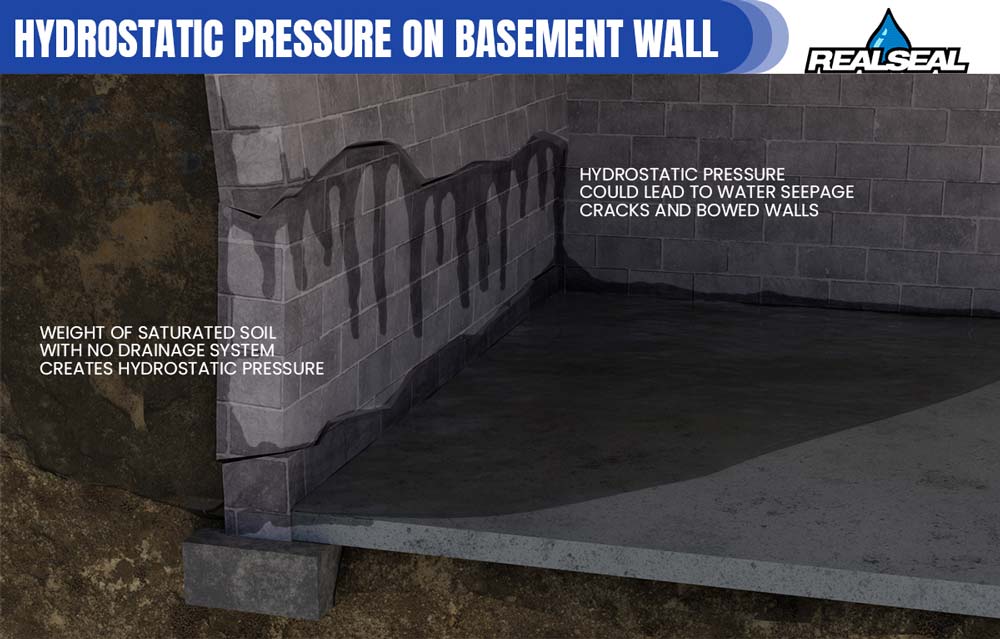
Another issue is that many basements have small cracks or uneven surfaces. Water can pool in these areas and stay hidden, sometimes causing damage that’s only noticed later. If you use too much water, it can seep into the floor or walls, increasing the risk of long-term moisture problems.
This is why it’s so important to pay attention to how much water you’re using and to dry the floor completely.
People also forget that basements are usually cooler than the rest of the house. This slows evaporation, especially in fall and winter. So, even a small spill or extra dampness can linger for days, raising the risk of musty odors and mold growth.
Special care means being proactive—think ahead about drying, cleaning, and keeping the space as moisture-free as possible.
Assessing The Basement Floor And Preparing
Before cleaning, you need to know your floor type and what you’re dealing with. Basements usually have concrete, painted concrete, vinyl tile, or sometimes ceramic tile. Each has its own cleaning needs.
Step 1: Identify Floor Material
- Concrete: Most common. Porous and soaks up water. Bare concrete also stains easily, so you’ll want to avoid harsh chemicals that might damage the surface.
- Painted Concrete: Paint layer helps resist stains but can peel with harsh cleaners or scrubbing. If you notice flaking or chips, be gentler to avoid making it worse.
- Vinyl Tile: Resistant to water but can crack if old or if there are heavy impacts. The seams between tiles can hold dirt and need extra attention.
- Ceramic Tile: Less common, usually in finished basements. Grout lines can stain or hold mold, so use a soft brush if needed.
Knowing your floor type helps you pick safe cleaners and avoid damage. For example, acidic cleaners might etch concrete or dull tile finishes, and strong degreasers can strip paint. If you’re unsure, test a small spot first.
Step 2: Remove All Items
Clear the floor completely. Move storage boxes, furniture, and rugs. Even if you plan to clean just part of the floor, removing everything makes your job easier and more thorough.
Don’t forget to look for small items tucked behind shelves or under workbenches. It’s easy to miss things, and moving everything lets you clean all the way to the edges. If you have a lot of items, try grouping them together in another part of the basement or in another room.
This also gives you a chance to check for any items affected by moisture or mold.
Step 3: Dry Dust And Debris Removal
Vacuum or sweep the entire floor. Use a shop vac or broom to remove all dust, sand, cobwebs, and loose dirt. Pay attention to corners and along walls where debris collects.
If your basement is large, divide it into sections so you don’t miss any area. Use a crevice tool on your vacuum for tight spots. If your floor is very dusty, go over it twice to make sure you get the fine particles.
Even a thin layer of dust can mix with water and turn into a slippery mess.
Step 4: Spot Check For Stains And Mold
Look for stubborn stains, mold, or mildew. Mark these areas to treat them separately. Mold needs extra care, which we’ll discuss later.
Pro Tip: Take a few photos before you start. This helps you see progress and spot areas you might miss.
Don’t overlook discolored spots or patches that feel damp. These can point to bigger problems like leaks or past water damage. If you see white powder (efflorescence), it’s usually mineral deposits from moisture moving through concrete. These spots need special cleaning, and you might want to monitor them after cleaning to see if moisture returns.
Choosing The Right Cleaning Supplies
Picking the right tools saves you time and prevents damage. Here’s a comparison of popular cleaning tools for a basement floor with no drain:
| Tool | Best For | Pros | Cons |
|---|---|---|---|
| Mop & Bucket | General cleaning, controlled moisture | Easy to use, affordable | Must wring mop well, risk of excess water |
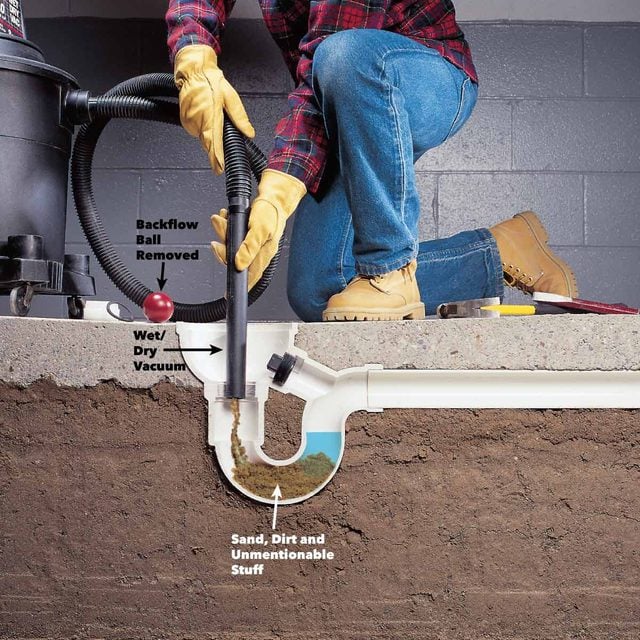
| Shop Vac (Wet/Dry) | Removing wet messes, small water spills | Picks up liquid quickly, good for emergencies | Can be noisy, needs power outlet |
| Spray Bottle & Microfiber Mop | Spot cleaning, minimal water use | Very controlled, safe for all floors | Slower for large areas |
| Floor Scrubber (Manual) | Deep cleaning, stains | Good for scrubbing tough spots | Requires effort, not for big areas |
Essential Supplies Checklist
- Bucket (for clean and dirty water)
- Mop (preferably microfiber or sponge, not string)
- Spray bottles (for cleaner and water)
- Microfiber rags
- Shop vac (optional, for spills)
- Fans or dehumidifier (for drying)
- Rubber gloves
- Mild floor cleaner (pH-neutral for most surfaces)
- Stain remover (for tough spots)
- Scrub brush
If you have pets or kids, look for cleaners labeled “non-toxic” or “pet safe. ” Avoid using old, dirty mops—these just push dirt around and can leave streaks. If you have allergies, a HEPA filter vacuum is great for picking up fine dust.
A less obvious tip: keep extra towels or absorbent cloths handy. They’re great for quickly soaking up any extra moisture, especially in tricky corners.
Step-by-step Guide: How To Clean A Basement Floor With No Drain
Let’s break down the process into clear steps for a safe, thorough clean.
Step 1: Dry Clean First
Always start dry. Use a vacuum or broom to remove dust, sand, cobwebs, and debris. This prevents mud when you add moisture.
This step is easy to rush, but it’s worth taking your time. The cleaner the floor is before you add water, the less likely you are to end up with a muddy mess that’s hard to dry. Go over each section twice if needed and make sure to get the edges, as dust often collects where walls meet the floor.
Step 2: Treat Stains And Mold Spots
For stains (oil, rust, mildew):
- Oil: Sprinkle baking soda, let sit 10 minutes, scrub with a damp brush. The baking soda helps lift the oil and neutralize odors.
- Rust: White vinegar works well. Pour on, let sit 5–10 minutes, scrub, wipe with a damp rag. For deeper rust, you may need to repeat or use a small amount of lemon juice mixed with salt.
- Mold/Mildew: Mix 1 part vinegar to 3 parts water. Spray, let sit, scrub, and wipe dry.
For tough spots, repeat the process. Wear gloves and ventilate the area—mold can cause breathing issues.
Insight: Many people skip stain treatment, thinking mopping will fix everything. But stains need focused effort before general cleaning.
If you find sticky stains, a little dish soap and warm water on a rag can help. Rinse and dry immediately to avoid leaving a slippery spot. For paint splatters or tape residue, rubbing alcohol on a rag can often lift the mess, but test in a hidden spot first.
Step 3: Choose The Right Mopping Technique
Because you have no drain, you must minimize water use.
Option A: Damp Mop Method
- Fill a bucket with a small amount of water and floor cleaner.
- Dip the mop, then wring until almost dry.
- Mop in small sections (3×3 feet).
- Wipe each section immediately with a dry microfiber cloth.
Option B: Spray-and-wipe Method
- Fill a spray bottle with diluted floor cleaner.
- Spray a small area (2×2 feet).
- Wipe immediately with a microfiber mop or rag.
- Repeat until the entire floor is clean.
Both methods prevent puddles. Never pour water directly on the floor.
If you’re working in a large basement, divide it into quadrants and finish one before starting another. This keeps water use low and lets you dry each area quickly. For stubborn dirt, let the cleaner sit for 2–3 minutes before wiping, but don’t let it dry on the surface.
Step 4: Rinse (if Needed)
If you used a lot of cleaner, rinse with a clean, damp mop (wrung out well). Go over the floor again with dry rags or towels to pick up moisture.
Don’t skip rinsing, especially if you used a strong-smelling or soapy cleaner. Any residue can make the floor sticky or attract more dirt later. Always wring your mop very well—a nearly dry mop is best for rinsing in a basement without a drain.
Step 5: Dry The Floor Quickly
Use fans, a dehumidifier, or open windows to speed up drying. Moisture left on a basement floor can lead to mold or damage, especially on porous concrete.
Table: Drying Methods Comparison
| Drying Method | Speed | Best For | Special Note |
|---|---|---|---|
| Box Fan | Moderate | All floor types | Place near damp spots |
| Dehumidifier | Fast | Humid basements | Reduces overall moisture |
| Open Window | Variable | Basements with windows | Weather dependent |
| Towels | Immediate | Small wet spots | Quick fix for puddles |
A tip many miss: aim fans low, across the floor, not just in the middle of the room. This pushes air across the wet surface, drying it much faster. If you have a ceiling fan, set it to run clockwise to pull damp air up and out. If you run a dehumidifier, empty it as soon as it fills to keep it working efficiently.
Step 6: Repeat For Heavily Soiled Areas
If the floor was very dirty, you may need to repeat the process. Always allow the floor to dry fully between passes.
It’s tempting to go over dirty spots again right away, but let the area dry first so you can see what’s left. Sometimes stains look darker when wet and will fade as they dry. Only repeat if spots are still visible after drying.
Credit: www.familyhandyman.com
Special Cases: Handling Paint, Old Wax, Or Sticky Residue
Some basements have painted floors or old wax coatings. These need extra care.
- Painted Concrete: Avoid harsh or acidic cleaners. Stick to pH-neutral products. For peeling areas, use a gentle hand; harsh scrubbing can pull up paint.
- Sticky Residue: Use warm water with a small amount of dish soap. Scrub gently and dry immediately. For thicker residue, a plastic scraper can help, but don’t gouge the floor.
- Wax or Old Sealer: For removal, a commercial wax remover or floor stripper is best. Test in a corner first. Removing old wax often takes time—work in small areas and rinse well.
Non-obvious insight: Many cleaning problems on basement floors come from using the wrong product. For example, bleach may discolor painted surfaces or damage vinyl.
For old adhesive, like from carpet tape, citrus-based cleaners can work well but should always be tested first. Never use metal scrapers, as they can scratch concrete and tile.
Dealing With Mold And Odor
Basements are prone to mold and musty smells. Cleaning alone may not solve the problem if you don’t remove the source.
Mold Removal Steps
- Wear gloves and a mask.
- Mix 1 part vinegar with 3 parts water in a spray bottle.
- Spray on the moldy area, let sit for 15 minutes.
- Scrub with a brush, wipe dry.
- Place a fan or dehumidifier to dry the area.
If mold returns, check for leaks or hidden moisture.
If the smell is strong, it often means there’s mold you can’t see—like behind baseboards or under flooring. You may need to remove a section of baseboard or lift up a corner of vinyl tile to check. Always dry the area completely after cleaning, as even a little moisture can let mold return.
Removing Odors
- Baking Soda: Sprinkle, let sit 24 hours, vacuum up.
- Activated Charcoal: Place in open containers around the basement.
- Ventilation: Use fans and keep windows open if possible.
Pro Tip: If musty smells stay after cleaning, check walls and furniture for hidden mold.
Another trick: leave bowls of white vinegar around the basement for a few days. Vinegar absorbs odors and is safe for most surfaces. If you have a persistent problem, consider sealing your concrete floor with a vapor barrier paint after cleaning and drying.
Credit: www.therealsealllc.com
Preventing Future Mess
Cleaning is only half the battle. Preventing future messes saves you time and effort.
Keep The Floor Dry
- Use a dehumidifier to control moisture.
- Fix leaks in walls, windows, or pipes.
- Store items off the floor on shelves or pallets.
If you have exposed pipes, check them for condensation or slow leaks. Even small drips can keep a floor damp and encourage mold. It also helps to check your basement after heavy rain for signs of water intrusion.
Regular Cleaning Routine
- Sweep or vacuum monthly.
- Mop lightly every 2–3 months or as needed.
- Treat stains quickly to avoid buildup.
Set a reminder to check your basement every month. The more regularly you clean, the less likely dirt and mold will build up, and each cleaning session will be easier.
Use Entry Mats
Place a heavy-duty mat at the entrance to catch dirt before it spreads.
If your basement is used for storage, consider placing mats near your shelving units to catch dust and debris. Wash mats regularly—they can hold a surprising amount of dirt.
Insight: Many basement issues start with small, unnoticed leaks or spills. A quick monthly check can catch these before they become big problems.
Common Mistakes And How To Avoid Them
Many homeowners unknowingly make mistakes when cleaning basement floors without drains. Here’s how to avoid them:
- Using Too Much Water: Extra water stays trapped. Always wring out your mop well and use spray methods.
- Ignoring Drying: Slow drying means mold risk. Always dry the floor with fans or towels.
- Harsh Chemicals: Bleach, ammonia, and strong acids can damage floors and create fumes.
- Not Treating Mold Properly: Just wiping does not kill mold. Use vinegar or a mold-specific cleaner.
- Skipping Regular Cleaning: Waiting too long between cleanings makes each session harder.
A less obvious mistake: forgetting to check behind stored items. Moisture or mold can hide there, especially if boxes are pushed up against walls. Move things around every few months to check for hidden issues.

Credit: basementwaterproofingscientists.com
Choosing The Best Cleaning Products (with Examples)
There are many cleaning products for basement floors, but not all are safe for every surface. Here’s a quick guide:
| Product Name | Safe For | Type | Special Features |
|---|---|---|---|
| Simple Green All-Purpose Cleaner | Concrete, tile, vinyl | Spray/liquid | Non-toxic, biodegradable |
| Zep Neutral Floor Cleaner | Painted concrete, vinyl | Liquid concentrate | No residue, mild scent |
| CLR Mold & Mildew Clear | Concrete, tile | Spray | For mold/mildew only |
| Fabuloso Multi-Purpose Cleaner | Tile, vinyl | Liquid concentrate | Strong scent, budget-friendly |
Always test a new product in a small, hidden area before using it on the entire floor.
If you want a homemade option, a mix of water, a few drops of dish soap, and white vinegar works for most floors. Just don’t use vinegar on natural stone tiles—it can dull the finish.
Insight: Many people use too much cleaner, thinking more soap means a cleaner floor. In reality, it can leave residue and attract more dirt.
When To Call A Professional
While most basement floor cleaning can be a DIY job, certain situations need an expert:
- Severe mold (covers more than 10 square feet)
- Flooding or standing water you can’t remove
- Persistent odors after cleaning
- Floor damage like deep cracks or crumbling concrete
Professionals have special tools to extract water and treat mold safely. For large mold problems, check the EPA’s guidance for homeowners (EPA Mold Cleanup).
If you see mushrooms or black mold growing, don’t try to clean it yourself—call a pro. The cost may be higher, but it’s safer for your health and home.
Real-life Example: A Weekend Basement Floor Rescue
Here’s how a homeowner cleaned a 600 sq ft concrete basement floor with no drain:
- Cleared all items and swept the floor.
- Sprayed vinegar solution on moldy corners and scrubbed.
- Used a spray bottle with diluted cleaner and a microfiber mop, working in small sections.
- Dried each area with towels right after mopping.
- Set up a box fan and dehumidifier overnight.
- Floor was dry, clean, and odor-free by Sunday.
Non-obvious insight: The key to success was working in small sections and drying each area before moving on. Large areas left wet can cause hidden moisture pockets.
Another thing the homeowner did was to check for moisture the next day using a dry paper towel. If any spots felt cool or damp, they ran the fan longer. This extra check prevented new mold from forming.
Frequently Asked Questions
What Is The Safest Way To Clean A Basement Floor With No Drain?
The safest method is to use a spray bottle with diluted cleaner and a microfiber mop or rag. Work in small sections and dry each area with towels or a fan immediately. Avoid pouring water or using a soaking mop.
How Do I Remove Mold From A Basement Floor Without A Drain?
Spray a mixture of vinegar and water (1:3 ratio) on the moldy area. Let it sit for 15 minutes, scrub, and wipe dry. Use a fan to speed up drying. If mold keeps coming back, check for leaks or high humidity.
Can I Use Bleach To Clean My Basement Floor?
Bleach is not recommended for most basement floors without drains. It can damage concrete and painted surfaces, and fumes can linger in closed spaces. Use vinegar or a pH-neutral cleaner instead.
How Do I Dry My Basement Floor Quickly?
Use fans, a dehumidifier, or towels to dry the floor fast. Open windows if weather allows. Always remove as much water as possible with towels before using fans.
What If I Have A Large Spill Or Flood In A Basement With No Drain?
For large spills, use a shop vac (wet/dry vacuum) to suck up as much water as possible. Lay down towels to soak up remaining water, then use fans and a dehumidifier. For big floods or if you can’t dry the area in 24 hours, call a professional.
Cleaning a basement floor with no drain takes a bit more effort, but with the right tools and strategies, you can keep your space fresh, safe, and dry. Remember, prevention and regular maintenance are just as important as deep cleaning.
With these tips, you’re ready to tackle any basement mess—no drain required.