
Copper and titanium are two metals that have changed industries and daily life. From electrical wiring to aerospace parts, these materials shape our modern world. But how do they truly compare? If you’re choosing between copper and titanium for a project, or just want to understand what makes each unique, this guide will give you clear, practical answers.
We’ll look at their properties, uses, costs, and even the small details beginners often miss.
What Makes Copper And Titanium Unique?
Copper has been used by humans for thousands of years. It’s known for its reddish color and high electrical conductivity. Titanium is a much newer discovery. With its silvery-gray color and low weight, it became popular in the 20th century, especially in high-tech and medical fields.
Both metals offer special qualities, but they serve very different needs. Understanding their core differences can help you make better decisions, whether you’re working in engineering, design, or just shopping for cookware.
Physical Properties Compared
Let’s start by looking at how copper and titanium differ physically. This affects their behavior in real-world applications.
| Property | Copper | Titanium |
|---|---|---|
| Color | Reddish-brown | Silver-gray |
| Density (g/cm³) | 8.96 | 4.51 |
| Melting Point (°C) | 1,085 | 1,668 |
| Electrical Conductivity | Very high | Low |
| Thermal Conductivity | Very high | Moderate |
| Corrosion Resistance | Good, but can tarnish | Excellent |
| Hardness (Mohs scale) | 3.0 | 6.0 |
| Magnetic? | No | No |
Key Takeaways
- Copper is heavier and softer than titanium.
- Titanium has a much higher melting point.
- Copper is a better conductor of heat and electricity.
- Titanium resists corrosion more, making it good for harsh environments.
Mechanical Strength And Durability
When it comes to strength, titanium stands out. Despite being lighter, it’s much stronger than copper. This makes it a favorite for parts that need to withstand high stress or weight.
Copper, on the other hand, is softer and more flexible. It bends easily without breaking, which is great for wiring and plumbing. However, it’s not ideal for structures that need to hold heavy loads.
Fatigue Resistance
Titanium can endure repeated stress without cracking. This is why it’s used in airplane parts, where materials face constant vibration and force. Copper, while durable, can weaken over time if bent back and forth repeatedly.
Wear And Tear
In situations with friction—like moving parts—titanium lasts longer. Copper can wear down faster, especially when rubbing against harder materials.
Non-obvious insight: Titanium’s surface forms a thin, strong oxide layer. This “self-healing” layer repairs itself if scratched, giving extra protection. Copper doesn’t have this feature, so it can tarnish or turn green (patina) over time.
Corrosion Resistance
Corrosion is a silent killer for metals. It causes pipes to leak, wires to fail, and structures to weaken.
- Copper resists corrosion in normal air and water, but not in salty or acidic environments. It can develop a green patina (like the Statue of Liberty), which actually protects it from further damage. However, in some cases—like with certain chemicals or underground pipes—copper can corrode faster.
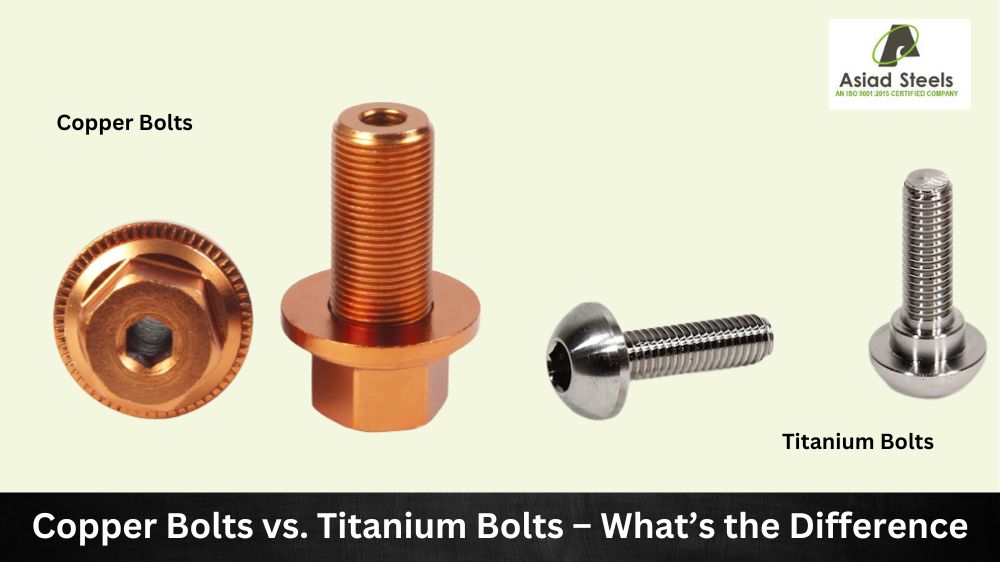
- Titanium is nearly immune to corrosion, even in saltwater, acids, and chlorine. This makes it perfect for medical implants, marine parts, and chemical plants.
Beginner tip: People often think stainless steel is more corrosion-resistant than titanium. In reality, titanium outperforms almost all common metals in harsh environments.
Credit: www.asiadsteels.com
Electrical And Thermal Conductivity
Copper is famous for its electrical conductivity. It’s the second-best conductor among all metals (only silver is better). That’s why it’s used for:
- Power lines
- Electrical wires
- Circuit boards
Titanium’s electrical conductivity is much lower. It’s not used for wiring or electronics.
When it comes to thermal conductivity (how well heat moves through the metal), copper is again the winner. It’s used in:
- Cookware (pots, pans)
- Heat sinks in computers
- Radiators
Titanium transfers heat much more slowly. That’s an advantage for some uses, like insulated tools or jet engines, but not for others.
Hidden detail: If you need a material that cools down or heats up quickly, copper is better. If you want to prevent heat transfer, titanium is the smarter pick.
Weight And Density
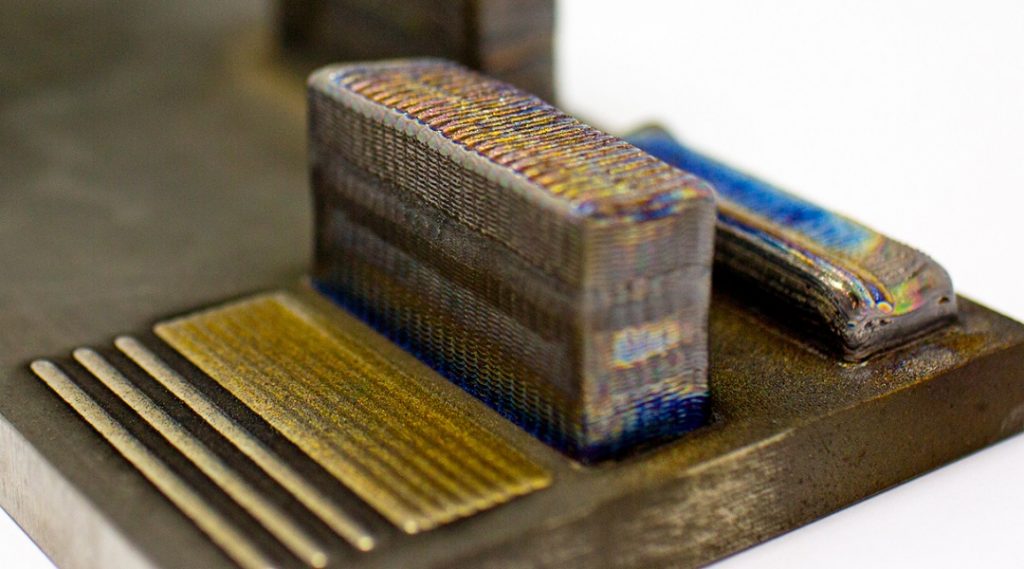
One of titanium’s main selling points is its low density. It’s about 45% as heavy as copper for the same volume.
| Metal | Density (g/cm³) | Relative Weight |
|---|---|---|
| Copper | 8.96 | Heavy |
| Titanium | 4.51 | Light |
This is why titanium is used for:
- Aircraft parts
- Racing bikes
- Lightweight armor
Copper’s weight can be useful for balance (like in coins or counterweights), but it’s a disadvantage when you need to reduce mass.
Credit: www.advancedsciencenews.com
Cost And Availability
Copper is much more common and easier to mine. It’s found in large amounts around the world, from Chile to the United States.
Titanium is also common in the Earth’s crust, but it’s harder to extract and refine. The process takes more energy and special equipment.
Price Comparison
Copper prices change daily, but it’s usually far cheaper than titanium. As of 2024:
- Copper: Around $9,000 per metric ton
- Titanium (pure, processed): $20,000–$30,000 per metric ton
Titanium alloys (used in aerospace) can be even more expensive.
Availability
Copper is widely available in hardware stores and supply shops. Titanium is less common and often needs to be ordered from specialty suppliers.
Beginner mistake: Some people choose titanium for small projects thinking it will last longer. For many uses, the extra cost isn’t worth it unless you need its unique strengths.
Common Uses And Applications
Each metal shines in certain areas. Let’s break down where copper and titanium are most useful.
Copper Applications
- Electrical wiring: Almost all household and industrial wiring uses copper.
- Electronics: Circuit boards, connectors, and electromagnets rely on copper.
- Plumbing: Water pipes in homes and buildings.
- Roofing and gutters: Durable and attractive for high-end construction.
- Cookware: Pots, pans, and heat exchangers.
- Coins: Pennies and other coins often contain copper.
- Motors and transformers: Essential for creating magnetic fields.
Titanium Applications
- Aerospace: Aircraft frames, jet engines, and spacecraft.
- Medical implants: Artificial joints, dental implants, and bone screws.
- Sports equipment: Lightweight bicycles, golf clubs, and tennis racquets.
- Automotive: High-performance car parts, exhaust systems.
- Marine parts: Ship propellers, underwater pipes.
- Chemical processing: Equipment for handling acids and corrosive liquids.
- Jewelry: Hypoallergenic rings and watches.
Non-obvious insight: Titanium is the go-to choice for medical implants because it’s not only strong and light, but also biocompatible—the body doesn’t reject it. Copper, in contrast, can be toxic inside the body.
Sustainability And Environmental Impact
Mining And Processing
- Copper mining has a big environmental footprint. It can cause soil and water pollution if not managed well. However, copper is highly recyclable—most copper ever mined is still in use today.
- Titanium extraction uses more energy. The Kroll process (the main way to make pure titanium) is energy-intensive and creates waste. However, titanium is also recyclable and lasts a long time.
Recycling
Both metals are valuable for recycling:
- Copper recycling is well-established and efficient.
- Titanium recycling is growing, especially in aerospace and medical fields.
Tip for eco-conscious users: If sustainability matters, choose recycled copper or titanium when possible. It saves energy and reduces pollution.
Workability And Fabrication
How easy is it to cut, bend, or shape these metals? This matters for manufacturers, builders, and hobbyists.
Copper
- Easy to shape: Can be bent, cut, or soldered with basic tools.
- Good for DIY projects: Plumbers and electricians work with copper daily.
- Joins well: Soldering and brazing are simple.
Titanium
- Hard to work: Needs special tools and skills. It’s tough but also brittle at low temperatures.
- Welding challenges: Must be welded in a protected atmosphere (like argon gas) to prevent contamination.
- Machining: Wears down tools quickly.
Beginner mistake: Trying to shape titanium with ordinary tools can damage both the material and the tools. If you’re not experienced, consider professional help.
Health And Safety
Both metals are generally safe in daily use, but there are important differences:
- Copper is essential for health in small amounts. It’s used in some medical devices outside the body. However, too much copper can be toxic if ingested.
- Titanium is safe and non-reactive. It’s used inside the body for implants. Titanium dust, however, can be a fire risk in manufacturing.
Hidden detail: Copper has natural antimicrobial properties. It can kill bacteria and viruses on contact, which is why some hospitals use copper surfaces.
Aesthetics And Surface Finish
Looks matter, especially for visible parts.
- Copper: Starts reddish, darkens over time, and develops a green patina if exposed to air and moisture. Many people find this attractive (like old roofs or statues).
- Titanium: Silvery-gray, stays bright. It can be anodized to show colors (blue, purple, gold), but doesn’t tarnish like copper.
Practical tip: If you want a material that changes character over time, choose copper. If you want a stable, modern look, titanium is better.
Magnetic And Electrical Behavior
Both metals are non-magnetic. This means they won’t stick to magnets and don’t interfere with magnetic fields. This is important for:
- MRI machines (medical use)
- Electronic devices (reducing interference)
Copper, as noted before, is an excellent electrical conductor. Titanium is not.
Food And Medical Safety
- Copper cookware: Safe if lined (with tin or stainless steel). Bare copper can react with acidic foods, which may cause health issues.
- Titanium cookware: Completely non-reactive and safe for all foods. Popular for camping gear because it’s lightweight and strong.
In medicine:
- Copper: Not used for implants due to risk of toxicity.
- Titanium: Preferred for bone screws, dental roots, and pacemaker cases.
Uncommon insight: Some high-end chefs use copper pans for precise temperature control, while mountaineers choose titanium for its weight savings.
Resistance To Extreme Temperatures
Titanium’s high melting point (1,668°C) makes it suitable for high-temperature environments:
- Jet engines
- Rocket nozzles
- Industrial furnaces
Copper melts at 1,085°C, which is still high but limits its use in extreme heat.
At very low temperatures, titanium becomes brittle and requires careful handling. Copper remains ductile (bendable) even when cold.
Sound And Vibration Dampening
Copper has good sound-dampening qualities, which is why it’s used in musical instruments (trumpets, saxophones) and architectural elements.
Titanium is stiffer, which can make sounds ring longer. It’s used in some high-end audio equipment for this reason.
Credit: www.anometproducts.com
Alloys And Variations
Both metals are often mixed with others to improve their properties.
Copper Alloys
- Bronze: Copper + tin. Used for statues and medals.
- Brass: Copper + zinc. Used in musical instruments, door handles.
Titanium Alloys
- Ti-6Al-4V: Titanium + aluminum + vanadium. Standard for aerospace and medical devices.
Alloys can change how each metal performs, so always check what you’re buying.
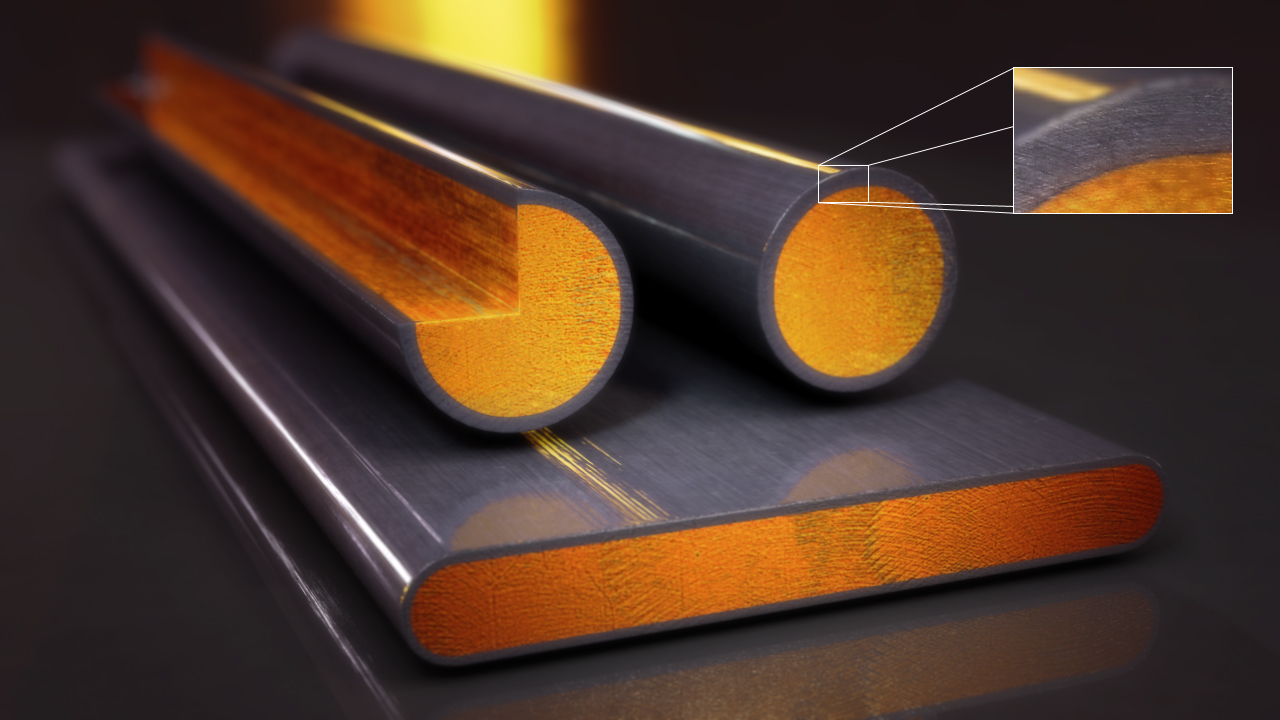
Practical detail: Titanium alloys are usually stronger and lighter than pure titanium, while copper alloys are often made for color or easier shaping.
Case Studies: Real-world Examples
Let’s see how these metals perform in practice.
Example 1: Airplane Engine Vs. Power Line
- Airplane engine: Needs to be light, strong, and resist heat and corrosion. Titanium is the only practical choice.
- Power line: Must carry electricity with minimal loss. Copper is unbeatable for this job.
Example 2: Hospital Surfaces Vs. Dental Implants
- Hospital surfaces: Copper can kill bacteria and viruses, reducing infections.
- Dental implants: Titanium doesn’t react with the body, lasts for decades, and is safe for permanent use.
Non-obvious insight: Some innovations combine both metals, like copper-titanium alloys for advanced electronics or special tools.
Future Trends And Innovations
Research continues to unlock new uses for both metals:
- Copper: Being explored for superconductors, antimicrobial fabrics, and advanced batteries.
- Titanium: Used in 3D-printed medical parts, next-generation prosthetics, and even jewelry with unique color finishes.
As technology advances, we may see even more creative combinations and applications.
Summary Table: Copper Vs Titanium At A Glance
Here’s a quick side-by-side summary:
| Feature | Copper | Titanium |
|---|---|---|
| Strength | Low to moderate | Very high |
| Weight | Heavy | Light |
| Cost | Lower | Higher |
| Corrosion Resistance | Good | Excellent |
| Electrical Use | Yes | No |
| Medical Use | Surface only | Implants |
| Cooking | Yes (if lined) | Yes |
| DIY Friendly | Yes | No (needs pros) |
How To Choose: Copper Or Titanium?
When deciding, ask these questions:
- What is your main need?
- Electrical or heat transfer: Go with copper.
- Strength, low weight, or corrosion resistance: Choose titanium.
- What is your budget?
- Copper is less expensive and easier to source.
- Will the metal be visible or touched often?
- Copper for a warm, classic look that changes over time.
- Titanium for a modern, hypoallergenic finish.
- Are there health or safety concerns?
- Use titanium for implants or food contact if unsure.
- How will you shape or join the metal?
- Copper is easier for most people to work with.
Final tip: Don’t pick a metal just because it sounds high-tech or traditional. Match the material to the job for the best results.
Frequently Asked Questions
Is Titanium Stronger Than Copper?
Yes, titanium is much stronger than copper. It can handle more stress and weight without bending or breaking. This is why titanium is used in airplanes and medical implants, while copper is used for wiring and pipes.
Can Copper And Titanium Be Welded Together?
Welding copper to titanium is very difficult. They have different melting points and don’t bond easily. Special techniques and equipment are needed, and the joint may not be as strong as the base metals.
Which Metal Is Better For Jewelry, Copper Or Titanium?
It depends. Titanium is hypoallergenic, strong, and doesn’t tarnish, making it great for rings and piercings. Copper has a warm color but can cause skin reactions for some people and may turn green over time.
Is Titanium Cookware Safer Than Copper Cookware?
Titanium cookware is completely non-reactive and safe for all foods. Copper cookware must be lined (usually with tin or stainless steel), because unlined copper can react with acidic foods and cause health risks.
Where Can I Learn More About The Properties Of These Metals?
A good starting point is the Wikipedia page on Titanium. It offers reliable, detailed information about the metal’s properties, uses, and history.
Copper and titanium each have their place in the modern world. By understanding their strengths and weaknesses, you can choose the right material for your needs—whether for engineering, design, or even your own kitchen. Both are fascinating metals that continue to shape the future.