
If you want your Armstrong vinyl flooring to look beautiful and last for years, cleaning it the right way is essential. Many people choose Armstrong vinyl because it’s tough, stylish, and simple to care for. But even the most durable floor can lose its shine if you don’t use the right cleaning techniques. Some cleaning methods can even damage the surface, causing fading, scratches, or curling at the edges.
In this guide, you’ll find clear, step-by-step advice for keeping Armstrong vinyl floors spotless and in top condition. Whether you have a new installation or older floors that need a refresh, you’ll learn how to handle daily messes, deep cleaning, stains, and even the little details that most guides overlook.
Along the way, you’ll discover common mistakes to avoid, smart tips from experienced homeowners, and answers to questions that often confuse beginners. By the end, you’ll feel confident in caring for your Armstrong vinyl flooring—without stress or guesswork.
Understanding Armstrong Vinyl Flooring
Before you start cleaning, it’s important to know what makes Armstrong vinyl flooring unique. Armstrong is a leading brand in the US, known for its high-quality vinyl products. These floors come in sheets, planks, and tiles. Most have a protective top layer (called a wear layer) that resists stains and scratches. Underneath, there are layers that provide stability and comfort.
Unlike hardwood or stone, Armstrong vinyl is water-resistant, so it’s perfect for kitchens, bathrooms, and basements. However, it’s not totally waterproof or indestructible. Harsh chemicals, too much water, or rough tools can still cause damage. That’s why the right cleaning approach matters.
Key Features Of Armstrong Vinyl Flooring
- Durable and stain-resistant surface
- Cushioned underfoot, quieter than tile or wood
- Easy to install and replace
- Wide variety of styles and colors
- Affordable compared to natural materials
Why Correct Cleaning Is Crucial
Using the wrong cleaner, too much water, or abrasive tools can harm even the toughest vinyl. For Armstrong floors, sticking to manufacturer recommendations helps preserve the finish and prevents problems like dullness, warping, or peeling. Simple habits can make a big difference in how your floors look over time.
Daily Cleaning Routine
Regular upkeep is the best way to keep Armstrong vinyl flooring looking fresh. You don’t need fancy products or hours of work—just a few easy steps each day.
Sweeping Or Vacuuming
Dust and grit are the biggest enemies of vinyl floors. Tiny particles act like sandpaper, scratching the surface over time. To prevent this:
- Use a soft-bristle broom or a microfiber dust mop. Sweep gently, paying extra attention to corners and under furniture.
- If you use a vacuum, make sure it’s set for hard floors. Turn off the beater bar or rotating brush, as this can scratch vinyl.
- For pet hair or fine dust, a microfiber mop works especially well because it traps particles instead of spreading them.
Quick Wipe-up Of Spills
Vinyl is resistant to stains, but spills can still leave marks if left too long. Clean up messes as soon as they happen:
- Use a damp cloth or paper towel for liquids.
- For sticky spots, use a mild soap and water solution on a soft cloth.
Entryway Mats And Shoe Policy
Place doormats at every entrance to catch dirt and grit before it reaches your floors. Consider a “no shoes inside” rule, especially if you have children or pets. This simple habit reduces cleaning time and extends the life of your flooring.
Practical Insight
Most people forget to clean under mats or around room edges. Every week, lift mats and sweep underneath. Dirt often hides there and can scratch if left unnoticed.

Credit: www.doordash.com
Weekly And Deep Cleaning Methods
Even with daily care, Armstrong vinyl flooring needs a deeper clean from time to time. This removes built-up grime and restores the shine.
Choosing The Right Cleaner
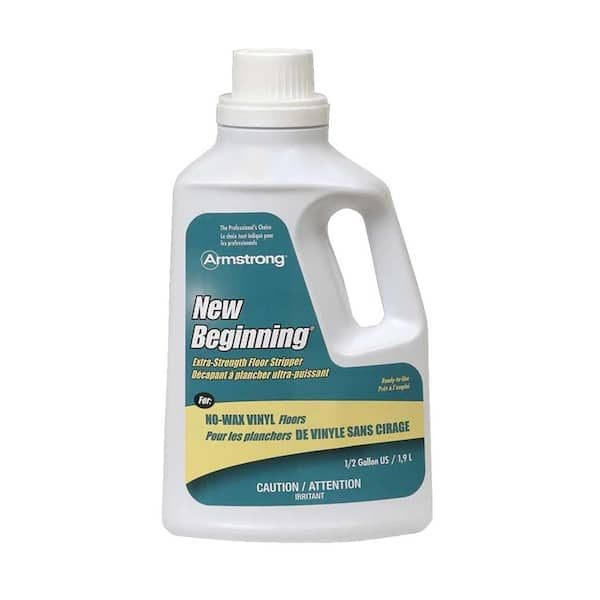
Stick to pH-neutral floor cleaners or Armstrong’s own recommended products. Avoid bleach, ammonia, or abrasive powders—they can discolor or damage the surface.
Homemade Cleaning Solution
You can make a simple, safe cleaner at home:
- Mix a few drops of mild dish soap (without bleach or oils) in a gallon of warm water.
Never use vinegar or baking soda as a regular cleaner. Vinegar’s acidity can dull the finish, and baking soda is too abrasive for vinyl.
Mopping Technique
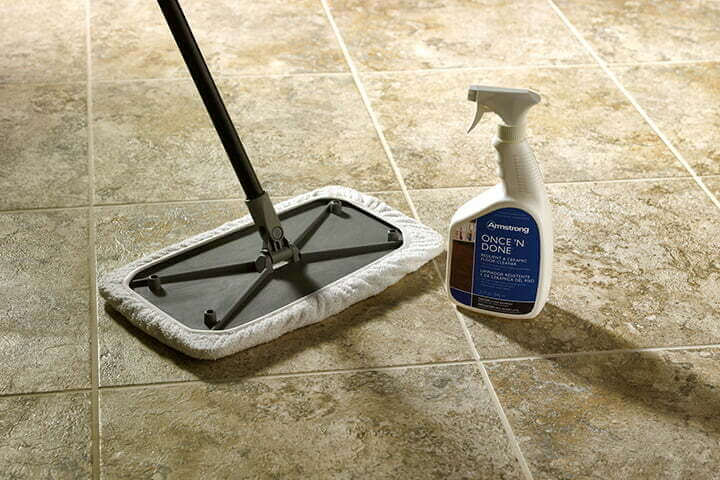
- Use a damp mop, not a soaking wet one. Too much water can seep into seams and edges, causing the vinyl to lift or bubble.
- Mop the floor, rinsing the mop often. Change the water if it gets dirty.
- After mopping, dry the floor with a clean towel to prevent water spots.
Comparison: Mop Types For Armstrong Vinyl
Here’s a quick look at popular mop styles:
| Mop Type | Best For | Pros | Cons |
|---|---|---|---|
| Microfiber Mop | Everyday cleaning | Gentle, traps dust, reusable | Needs washing after use |
| Sponge Mop | Sticky spills | Absorbs liquid well | Can leave streaks if dirty |
| String Mop | Large areas | Covers space quickly | Hard to wring out, uses more water |
Extra Shine (without Damage)
If your Armstrong vinyl looks dull, use a cleaner made for vinyl shine—never wax or polish, unless the floor type specifically allows it. Most Armstrong vinyl is “no-wax,” meaning wax can actually make it sticky or attract dirt.
Non-obvious Insight
Many people try to use steam mops for a deep clean. This is not safe for Armstrong vinyl. The heat and moisture from a steam mop can break down the adhesive and harm the wear layer, leading to bubbling or peeling.
Spot Cleaning And Stain Removal
Sometimes, accidents happen—like spilled wine, marker ink, or pet messes. Knowing how to treat these quickly will save your floor from permanent stains.
Common Stains And How To Treat Them
- Food and Drink: Wipe up immediately. Use a soft cloth with mild soap and water. For tougher spots (like juice or ketchup), let the soapy cloth sit on the stain for a few minutes, then wipe.
- Grease or Oil: Sprinkle a little cornstarch or baking soda (for absorption only, not scrubbing). After a few minutes, sweep up and use a damp cloth with mild soap.
- Ink or Marker: Use a small amount of rubbing alcohol on a cotton ball. Dab (don’t rub hard) until the stain lifts.
- Crayon or Lipstick: Put a dry paper towel over the spot and gently warm with a hair dryer (on low). Wipe with soapy water.
- Scuffs and Shoe Marks: Use a pink eraser or a damp melamine sponge (like Magic Eraser). Don’t scrub too hard, as this can dull the finish.
Stubborn Stain Strategy
If a stain won’t budge, check Armstrong’s recommendations or contact their customer service before trying strong chemicals. Test any new cleaner in a hidden corner first.
Practical Example
A family with young children found that colored drink stains could be removed by laying a damp cloth with dish soap over the spot for 10 minutes, then wiping gently. Quick action is always best.
Preventing Damage While Cleaning
It’s easy to make mistakes that cause more harm than good. Here’s how to avoid the most common cleaning errors with Armstrong vinyl flooring.
Tools To Avoid
- Abrasive scrubbers (steel wool, hard brushes)
- Strong chemicals (bleach, acetone, ammonia)
- Steam cleaners or hot water
- Scouring powders
Protective Cleaning Habits
- Always use soft, non-abrasive cloths or mops
- Wring out mops until just damp
- Never flood the floor with water
- Test new products in an out-of-sight area
Extra Tip: Furniture And Floor Protection
When cleaning around furniture, lift items instead of dragging them. Place felt pads under chair and table legs. This prevents scratches and makes cleaning easier.
Non-obvious Insight
Some cleaning products marketed for “all floors” can damage vinyl. Always check the label for vinyl compatibility or stick to Armstrong’s approved cleaners.
Seasonal And Annual Deep Cleaning
Seasonal cleaning goes beyond the basics to keep your floor looking like new, especially in high-traffic areas or after messy weather.
Steps For A Seasonal Deep Clean
- Move furniture: Take out lightweight furniture to reach all areas.
- Vacuum or sweep thoroughly: Get into corners, under appliances, and along baseboards.
- Mop with a recommended cleaner: Use a damp mop, changing the water when dirty.
- Detail clean: Use a soft cloth to wipe around baseboards, vents, and edges.
- Inspect for damage: Look for loose edges, lifting seams, or scratches. Address problems early to avoid bigger repairs.
Deep Cleaning Data
According to Armstrong’s care guides, deep cleaning every 3-6 months can extend the life of your flooring by up to 30%. Skipping seasonal cleaning increases the risk of discoloration and wear in busy rooms.
Table: Frequency And Type Of Cleaning Tasks
| Task | How Often | Why It Matters |
|---|---|---|
| Sweep/Dust Mop | Daily | Prevents scratches and dullness |
| Mop | Weekly | Removes stuck-on dirt and grime |
| Spot Clean | As needed | Stops stains from setting |
| Deep Clean | 3-6 months | Restores shine and prevents buildup |
| Edge Cleaning | Monthly | Removes hidden dirt along walls |
Credit: www.homedepot.com
Special Situations: Pets, Kids, And High Traffic
Life gets messy, especially with active families or pets. Armstrong vinyl is built to handle it, but a few extra steps help keep floors looking great.
Pets
- Trim pet nails to reduce scratches.
- Place mats under food and water bowls.
- Clean up accidents right away to prevent odors and stains.
Children
- Use washable play mats in play areas.
- Encourage kids to take off shoes indoors.
- Wipe up spilled drinks and food quickly.
High Traffic Areas
- Place area rugs or runners in busy hallways.
- Choose rugs with non-staining backings (some rubber mats can discolor vinyl).
- Rotate rugs regularly to prevent uneven wear.
Practical Insight
Many parents notice that black scuff marks from sneakers are common near doors. Keeping a soft eraser handy saves time and avoids harsh chemicals.
Armstrong Vinyl Flooring: What Not To Do
There are a few cleaning myths and mistakes that can ruin your floor’s appearance. Here’s what to avoid:
- Don’t use paste wax or solvent-based polishes—these are for old-fashioned floors, not modern vinyl.
- Don’t use vinegar regularly—it weakens the finish.
- Don’t use string mops dripping with water—this can cause seams to swell.
- Don’t drag heavy furniture—always lift or use sliders.
- Don’t let spills sit—clean them up as soon as possible.
Quick Comparison: Safe Vs. Unsafe Cleaning Products
| Product Type | Safe for Armstrong Vinyl? | Notes |
|---|---|---|
| pH-neutral floor cleaner | Yes | Follow label directions |
| Bleach | No | Can discolor or damage surface |
| Vinegar solution | Not recommended | Mildly acidic, dulls finish over time |
| Steam mop | No | Heat and moisture can cause lifting |
| Dish soap + water | Yes | Use in small amounts |
Long-term Maintenance For Armstrong Vinyl Flooring
Cleaning is just one part of caring for your Armstrong vinyl floors. Smart maintenance habits help keep them beautiful for many years.
Preventive Tips
- Place mats at all entrances.
- Use felt pads under furniture legs.
- Sweep regularly to stop dirt from scratching.
- Rearrange furniture and rugs from time to time for even wear.
- Keep blinds or curtains closed during strong sunlight to prevent fading.
Handling Small Repairs
If you notice minor scratches, you can often mask them with a vinyl floor sealer or touch-up kit (ask your flooring dealer for the right match). For deeper cuts or lifted seams, contact a professional installer or Armstrong’s support team.
When To Call A Pro
Some problems—like large tears, bubbling, or widespread discoloration—require expert attention. Trying to fix these yourself can make things worse, so don’t hesitate to ask for help.
Extra Insight
Homeowners often wait too long to repair small issues. Fixing them early prevents bigger, more expensive problems later.
Frequently Asked Questions
What Is The Best Cleaner For Armstrong Vinyl Flooring?
The best cleaner is a pH-neutral floor cleaner made for vinyl, or Armstrong’s own recommended cleaning products. Avoid harsh chemicals and abrasive scrubbing pads. For everyday cleaning, a mix of a few drops of mild dish soap in warm water is safe.
Can I Use A Steam Mop On Armstrong Vinyl Flooring?
No, steam mops are not safe for Armstrong vinyl flooring. The heat and moisture can break down the adhesive and damage the wear layer, causing bubbling, warping, or peeling. Always use a damp mop, not a wet or steam one.
How Can I Remove Scuff Marks From Armstrong Vinyl Flooring?
For scuff marks, gently rub with a soft pink eraser or a damp melamine sponge (like Magic Eraser). Avoid scrubbing hard or using abrasive materials, as these can dull the floor’s finish.
Is It Safe To Use Vinegar And Water On Armstrong Vinyl Flooring?
Regular use of vinegar and water is not recommended. Vinegar is acidic and can dull the protective finish of your vinyl flooring over time. Stick to pH-neutral cleaners or mild dish soap with water.
Where Can I Find Armstrong’s Official Cleaning Recommendations?
You can find Armstrong’s cleaning and care guidelines on the official Armstrong Flooring website or through their customer support. For detailed advice and the latest care products, visit Armstrong Flooring Vinyl Floor Care.
Keeping your Armstrong vinyl flooring clean doesn’t need to be complicated or time-consuming. With the right habits and a little attention, your floors will stay bright, safe, and beautiful year after year. Small steps—like sweeping daily, using the right mop, and avoiding harsh chemicals—make the biggest difference.
Remember, cleaning is not just about appearance; it’s about protecting your investment and keeping your home a welcoming place for everyone.
Credit: www.carpet2go.com