
Cleaning an infrared gas grill isn’t just about keeping it looking good—it’s the key to safe cooking, better-tasting food, and a long grill life. If you’ve invested in an infrared gas grill, you already know it heats up fast, cooks evenly, and gives steakhouse results at home. But many grill owners don’t realize these special grills need different cleaning methods compared to traditional gas or charcoal grills. The wrong cleaning routine can damage the delicate infrared plates or burners, cause flare-ups, or make your grill cook unevenly.
If you’ve ever struggled with stuck-on food, greasy residue, or uneven heat, you’re not alone. Many people skip or rush through cleaning, worried about damaging the fragile parts. This guide will show you exactly how to clean an infrared gas grill the right way—step by step.
You’ll get practical tips, detailed instructions, and learn common mistakes to avoid. Whether you’re a weekend griller or a BBQ enthusiast, this complete guide will help you keep your grill in perfect shape for years.
Why Cleaning Your Infrared Gas Grill Matters
A clean grill does more than look good. It has a big impact on your cooking and safety.
Better Taste And Food Safety
Old food bits and grease can burn, creating smoke and bad flavors. Bacteria can also grow on dirty parts. Regular cleaning keeps your food safe and tasting fresh.
Consistent Performance
Infrared burners need to be clean to give even heat. If they’re blocked by grease or debris, you’ll see hot and cold spots—your steak might be raw in one place and burnt in another.
Longer Grill Life
Grease buildup can damage parts, leading to rust or burner problems. Cleaning removes the stuff that wears out your grill. Most manufacturers say regular cleaning is key for a long-lasting grill.
Fewer Flare-ups
Flare-ups happen when fat or oil catches fire. Cleaning removes these risks, so you don’t get sudden flames that can ruin food or even cause burns.
Understanding Your Infrared Gas Grill
Before you start cleaning, know what makes your grill different. Infrared grills use a special burner and plate system to cook food with radiant heat instead of just hot air.
Main Parts Of An Infrared Grill
- Grates – Where you place the food. Usually made of stainless steel or porcelain-coated iron.
- Emitter Plates – Sit between the burner and the grates. They spread the heat and block direct flames.
- Infrared Burners – The heat source. These can be made from ceramic, glass, or stainless steel with tiny holes.
- Drip Tray/Pan – Catches grease and food bits underneath the burners.
- Exterior Body – The main shell, often made of stainless steel or powder-coated metal.
Infrared grills are sensitive to the type of cleaning you use. Some cleaning products or tools can damage the emitter plates or burners. Always use the right method for each part.
Tools And Supplies You’ll Need
Cleaning an infrared gas grill doesn’t require fancy tools, but a few basics will make the job easier and safer.
- Grill brush (with nylon or brass bristles, not steel)
- Soft sponge or microfiber cloth
- Bucket of warm water
- Mild dish soap
- Plastic scraper or putty knife
- Vacuum cleaner (optional, for loose debris)
- Paper towels or old rags
- Toothbrush (for small areas)
- Gloves (protect your hands from grease and chemicals)
Never use steel wool or harsh chemicals—they can scratch or damage your grill’s parts.
How Often Should You Clean Your Infrared Gas Grill?
Not every part needs cleaning every time. Here’s a quick look at how often to clean each part:
| Part | After Each Use | Weekly | Monthly | Seasonally |
|---|---|---|---|---|
| Grates | ✔ | ✔ | ||
| Emitter Plates | ✔ | ✔ | ||
| Burners | ✔ | ✔ | ||
| Drip Tray | ✔ | ✔ | ||
| Exterior | ✔ | ✔ |
Cleaning more often is better if you grill often or cook fatty foods. Letting grease and debris build up makes cleaning much harder later.

Credit: www.youtube.com
Step-by-step Guide: How To Clean An Infrared Gas Grill
Now let’s break down the cleaning process into clear steps, from quick after-cooking care to deep cleaning.
1. Safety First
Always make sure your grill is off and completely cool before cleaning. Disconnect the gas supply if you’ll be moving parts or using water near the burners. Wear gloves to protect your hands from sharp edges and chemicals.
2. Quick Clean After Every Use
Doing a light cleaning right after cooking makes deeper cleans easier.
While Grill Is Still Warm
- Turn off the burners but leave the lid closed for 5-10 minutes. The heat will burn off some food and grease.
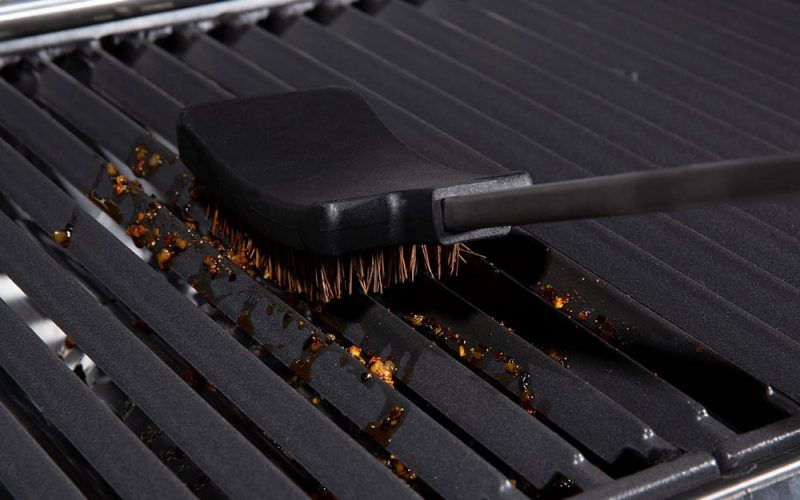
- Use a grill brush (nylon or brass) to scrub the grates. Remove any stuck-on food.
- Wipe the grates with a damp cloth to remove loose debris.
Never use water on hot ceramic infrared burners—they can crack from the temperature change.
3. Deep Cleaning The Cooking Grates
Grates get dirty fast. A deep clean removes grease, smoke stains, and food bits.
How To Deep Clean
- Remove the grates from the grill.
- Fill a bucket with warm water and a few drops of mild dish soap.
- Soak the grates for 10-15 minutes.
- Scrub with a soft sponge or brush to remove stubborn residue.
- Rinse with clean water and dry thoroughly before putting back.
Tip: For really tough buildup, use a paste of baking soda and water, let it sit for 5 minutes, then scrub.
4. Cleaning The Emitter Plates
Emitter plates are key to even cooking. Grease or ash can clog the tiny holes or grooves, causing flare-ups and uneven heating.
How To Clean Emitter Plates
- Once grates are off, gently lift out the emitter plates. (Check your grill’s manual for exact instructions.)
- Brush off loose debris with a dry nylon brush.
- For stuck grease, wipe with a damp cloth and mild soap. Avoid soaking if plates are ceramic.
- Let them dry fully before replacing.
Non-obvious insight: Don’t use strong chemicals or wire brushes on emitter plates. These can damage the surface and ruin heat distribution.
5. Cleaning The Infrared Burners
Burners are delicate. Treat them carefully to avoid clogging or damage.
Cleaning Steps
- Remove the burners if your grill allows (check your manual).
- Gently brush off dust, ash, or debris with a soft, dry brush.
- Use a vacuum cleaner with a brush attachment to remove fine particles from holes.
- If burners are clogged, use a wooden toothpick or a soft brush to clear them—never use metal pins.
Pro tip: Never wash burners with water unless your manual says it’s safe. Water can cause rust or block gas flow.
6. Emptying And Cleaning The Drip Tray
A full drip tray can cause grease fires and smoke.
How To Clean
- Slide out the drip tray.
- Scrape off solid bits with a plastic scraper.
- Wash with warm, soapy water.
- Rinse and dry before putting it back.
Mistake to avoid: Don’t wait until the tray is full. Clean it every few uses, especially after cooking fatty meats.
7. Cleaning The Grill Exterior
A clean exterior looks good and stops rust.
How To Clean
- Wipe with a soft cloth and warm, soapy water.
- For stainless steel, wipe in the direction of the grain.
- Dry with a clean cloth to avoid water spots.
Don’t use abrasive cleaners or steel wool—they scratch and dull the finish.
8. Deep Cleaning For End Of Season
Once or twice a year, do a full deep clean.
- Disassemble grates, emitter plates, and burners.
- Clean each part as above.
- Check for rust, cracks, or blockages.
- Clean all inside surfaces with soapy water.
- Let everything dry fully before reassembling.
Extra tip: Cover your grill when not in use to keep it clean longer.
Common Mistakes To Avoid
Many grill owners make the same errors when cleaning their infrared gas grill. Here’s what to watch out for:
- Using wire brushes or steel wool – These scratch the surface and damage infrared parts.
- Cleaning while the grill is hot – Sudden temperature changes can crack ceramic or glass parts.
- Ignoring the emitter plates – Dirty plates cause uneven heating and flare-ups.
- Using harsh chemicals – These can damage the coating or corrode the burners.
- Not drying parts fully – Moisture leads to rust and blockages.
- Skipping regular cleaning – Waiting until parts are dirty makes cleaning much harder and can shorten your grill’s life.
- Forgetting about the gas lines – Rare, but sometimes debris gets into the gas jets. Check and clean gently as needed.
How To Remove Tough Grease And Burnt-on Residue
Sometimes, regular cleaning isn’t enough. Here’s how to tackle the toughest messes safely.
Baking Soda Paste
Mix three parts baking soda with one part water to make a thick paste. Apply to greasy spots, let sit for 10-15 minutes, then scrub gently. Rinse and dry.
Vinegar Spray
Fill a spray bottle with equal parts white vinegar and water. Spray on metal surfaces, let sit for a few minutes, then wipe clean.
Grill Stone
A grill stone (pumice block) can help remove burnt-on residue from grates. Test on a small area first to make sure it doesn’t scratch.
Commercial Grill Cleaner
Use only cleaners made for infrared grills. Check your manual or manufacturer’s recommendations. Never use oven cleaner on infrared plates or burners.
Comparing Infrared Grill Cleaning To Traditional Grills
You may wonder how cleaning an infrared gas grill is different from a regular gas or charcoal grill. Here’s a simple comparison:
| Feature | Infrared Gas Grill | Traditional Gas Grill | Charcoal Grill |
|---|---|---|---|
| Heat Source | Infrared burners | Gas burners | Charcoal briquettes |
| Cleaning Frequency | More frequent, gentler cleaning | Regular, deeper cleaning | Remove ash after each use |
| Tools Needed | Soft brush, mild soap | Wire brush, degreaser | Ash bucket, stiff brush |
| Delicate Parts | Emitter plates, burners | Burner tubes | Grate only |
Insight: The main difference is that infrared grills have delicate plates and burners that need gentle cleaning—never use harsh tools.
When To Call A Professional
Most cleaning can be done at home. But if you notice any of these problems, call a pro:
- Gas leaks or the smell of gas
- Burner won’t light after cleaning
- Cracked or broken ceramic burners
- Rust holes in key parts
- Gas lines blocked or damaged
A licensed technician can fix these safely.
How To Maintain Your Grill After Cleaning
Cleaning is only part of good grill care. A few habits will help keep your infrared gas grill in top shape.
- Heat the grill for 5-10 minutes before and after cooking. This burns off grease and food bits.
- Oil the grates lightly before cooking to stop food from sticking.
- Check for rust or damage every few months.
- Cover your grill when not in use.
- Store indoors if you won’t use the grill for several months.
Credit: www.bbqgrills.com
Signs Your Grill Needs Cleaning
How do you know it’s time to clean? Watch for these signs:
- Uneven heating or hot/cold spots on the cooking surface
- Excessive smoke or strange smells during grilling
- Flare-ups even with lean foods
- Food sticking more than usual
- Visible grease or debris buildup
If you see any of these, it’s time for a deep clean.
Environmentally Friendly Cleaning Tips
Caring for your grill is also about caring for the planet. Here’s how to clean green:
- Use biodegradable dish soap and natural cleaners like vinegar or baking soda.
- Avoid harsh chemicals that can harm water systems.
- Dispose of grease and debris in the trash, not down the drain.
- Recycle old metal grill parts if replacing them.
Troubleshooting Common Infrared Grill Problems
Sometimes, cleaning reveals issues you didn’t notice before. Here’s how to handle a few common ones:
Burner Won’t Ignite
- Check that gas is connected and turned on.
- Clean the igniter electrode gently with a toothbrush.
- Make sure burner holes aren’t blocked.
Uneven Heating
- Clean emitter plates and burners.
- Check for blockages or cracks.
Excessive Smoke
- Remove and clean drip tray.
- Check for grease buildup on burners or plates.
Food Tastes Bad
- Clean all cooking surfaces and burners.
- Burn off old grease by running grill on high for 10-15 minutes.
Quick Reference: Cleaning Timeline
Here’s a simple timeline to keep your infrared gas grill in great shape:
| Task | Frequency |
|---|---|
| Brush grates | After each use |
| Clean emitter plates | Weekly |
| Deep clean burners | Monthly |
| Empty drip tray | Every 2-3 uses |
| Clean exterior | Monthly |
| Full deep clean | End of season |

Credit: hellamaid.ca
Practical Tips For Easier Grill Cleaning
- Clean when the grill is slightly warm (but not hot) for easier grease removal.
- Use a grill mat or foil under fatty foods to keep plates cleaner.
- Keep tools handy—a small bucket with your cleaning gear makes quick cleaning easier.
- Check your manual for special instructions—every grill model is a little different.
- Don’t forget the lid—wipe inside and out to remove smoke stains and grease.
External Resource
For more details about infrared grilling technology and maintenance, visit the Wikipedia page on Infrared Grills.
Frequently Asked Questions
How Often Should I Clean My Infrared Gas Grill?
For the best results, brush the grates after each use, clean emitter plates and drip tray weekly, and do a full deep clean at least once per season. If you grill often, clean more often.
Can I Use Oven Cleaner On My Infrared Grill?
No. Oven cleaners are too harsh for infrared burners and emitter plates. They can damage the surfaces and cause rust. Use only mild soap and water or approved grill cleaners.
What Should I Do If My Grill Has A Bad Smell After Cleaning?
Run the grill on high for 10-15 minutes to burn off any leftover cleaning product or grease. If the smell continues, check for hidden grease in the drip tray or burner area.
Is It Safe To Clean The Burners With Water?
Usually, no. Most infrared burners should be cleaned dry, using a brush or vacuum. Water can cause rust or block gas flow. Check your manual before using water on burners.
How Do I Prevent Rust On My Infrared Grill?
Keep the grill dry after cleaning, cover it when not in use, and store indoors if possible. Oil the grates lightly before and after use to protect them.
Infrared gas grills are powerful, efficient, and can last for many years if cared for properly. By following these cleaning steps, you’ll keep your grill safe, make food taste better, and protect your investment. Happy grilling!