
Choosing the right interior door style for your home is more important than many people realize. Doors are not just functional—they shape the look and feel of every room. A well-chosen door can make a space feel brighter, more spacious, or more private. Whether you are renovating, building, or simply updating a room, picking the best door style is a decision that deserves careful thought. Many homeowners focus only on color or price, but there is much more to consider: design, materials, sound control, and even how a door opens can transform your living space. In this guide, you’ll learn how to choose interior door styles that suit your needs, taste, and budget. Along the way, you’ll discover practical tips, key comparisons, and expert advice that beginners often miss.
Understanding Interior Door Styles
Before you start shopping, it’s helpful to know the main types of interior doors. Each style has its own look, function, and advantages. Here are the most common options:
Panel Doors
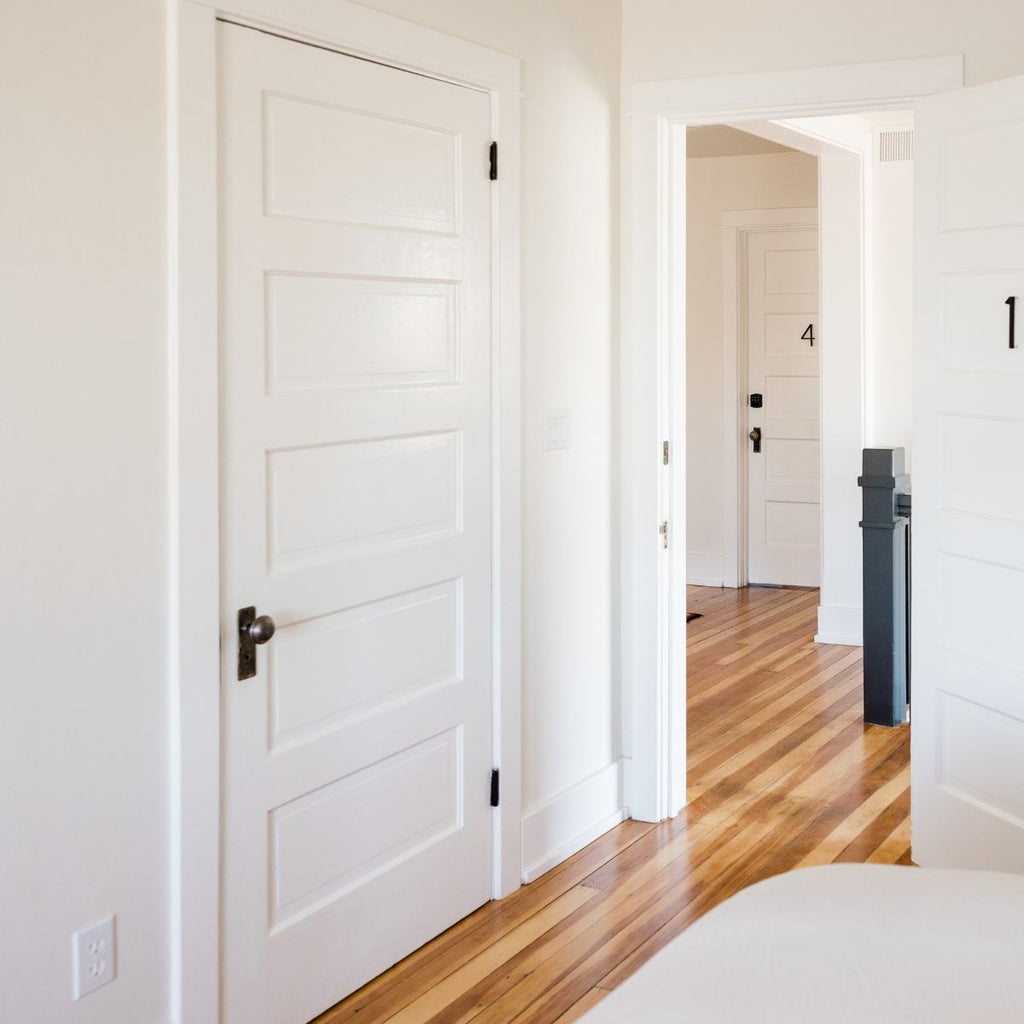
Panel doors have rectangular or square panels set into the frame. They are classic and fit well in many homes. You can find them with one, two, or multiple panels. The panels can be flat or raised, giving different effects.
Flush Doors
Flush doors have a smooth, flat surface. They are simple, modern, and often used in contemporary homes. They work well where you want a clean, uncluttered look.
French Doors
French doors have glass panes, usually set in wood frames. They are elegant and let in light, making rooms feel open. French doors are perfect for connecting living rooms, dining rooms, or offices.
Sliding Doors
Sliding doors move sideways on tracks. They save space and are ideal for closets, bathrooms, or areas where swinging doors are not practical.
Pocket Doors
Pocket doors slide into the wall. They are a smart choice for small rooms, as they don’t take up floor space. Pocket doors are often used in bathrooms or between rooms where privacy is needed.
Bifold Doors
Bifold doors fold in half as they open. They are common for closets and laundry rooms because they allow easy access without using much space.
Barn Doors
Barn doors slide on a rail above the door opening. They have a rustic look and are popular in modern farmhouse designs. Barn doors are also practical for rooms with limited floor space.
Louvered Doors
Louvered doors have slats for ventilation. They are used where airflow is important, such as closets or laundry rooms.
Accordion Doors
Accordion doors fold up like an accordion. They are flexible and used for dividing spaces or in areas where doors must cover wide openings.
Each door style has its own personality and practical benefits. Understanding these types helps you picture how each one might fit in your home.
Key Factors To Consider When Choosing Interior Door Style
Picking the right door style is not only about appearance. There are several important factors to keep in mind:
- Room Function: The purpose of the room matters. For example, a bedroom needs privacy, while a living room may benefit from doors that let in light.
- Space Available: Measure how much space you have. Swinging doors need room to open. Sliding or pocket doors are good for tight spaces.
- Style of Your Home: Match the door to your home’s style. Classic panel doors suit traditional homes. Flush doors fit modern spaces.
- Material: Wood, MDF, glass, and metal are common materials. Each has different looks, durability, and price.
- Sound Control: Some doors block noise better than others. Solid wood doors are quieter than hollow-core doors.
- Budget: Costs vary widely. Set a budget before shopping.
- Maintenance: Some doors need more care. Glass doors show fingerprints. Louvered doors collect dust.
- Light and Privacy: Decide if you want doors to let in light or provide privacy.
- Hardware and Finish: Handles, hinges, and finishes add style and can affect how the door works.
- Safety: Think about safety, especially for families with children.
- Ease of Installation: Some doors are simple to install; others need professional help.
- Resale Value: Doors can affect your home’s value. Good quality doors are an investment.
It’s easy to overlook factors like sound control or maintenance. But these details can make a big difference in daily life.
Comparing Door Materials
The material of your interior door affects its look, price, durability, and performance. Here’s a comparison to help you make an informed choice:
| Material | Appearance | Durability | Price Range | Sound Control | Maintenance |
|---|---|---|---|---|---|
| Solid Wood | Rich, natural | High | $200-$500 | Excellent | Medium |
| MDF | Smooth, paintable | Medium | $100-$300 | Good | Low |
| Hollow-core | Basic, lightweight | Low | $40-$150 | Poor | Low |
| Glass | Modern, bright | Medium | $200-$600 | Varies | High |
| Metal | Industrial, sleek | High | $250-$700 | Excellent | Medium |
Solid wood doors are heavy and block sound well, but they cost more and may need refinishing over time. MDF doors are affordable and look smooth but are less durable. Hollow-core doors are cheap and lightweight but do not block sound well. Glass doors are stylish but show dirt easily and may need frequent cleaning. Metal doors are strong and modern but can be expensive.
Matching Door Style To Room
Different rooms need different types of doors. Here’s how to choose the best style for each space:
Bedrooms
Privacy and sound control are important. Choose solid doors, like panel or flush styles. Avoid glass doors unless privacy is not a concern.
Bathrooms
Privacy is key. Solid panel, flush, or pocket doors work well. Louvered doors are also used in some bathrooms for ventilation, but only if privacy is not needed.
Closets
Space-saving options are best. Sliding, bifold, or louvered doors are common. Bifold doors allow wide access, while sliding doors save space.
Living Rooms
French doors and barn doors add style and light. Panel doors work in traditional homes. Glass doors make spaces feel open.
Kitchens
Depending on layout, you might want sliding or pocket doors to save space. Panel doors are classic for pantry doors.
Home Offices
Sound control matters. Solid panel or flush doors are best. Glass doors can make offices feel open but may let in noise.
Laundry Rooms
Louvered doors help with ventilation. Bifold and sliding doors are popular for saving space.
Dining Rooms
French doors add elegance and let in light. Panel doors suit formal dining rooms.
Hallways
Flush or panel doors blend in well. Sliding doors are useful if space is limited.
Matching the door style to the function of each room is a smart way to improve your home’s comfort and look.
Choosing Door Colors And Finishes
Color and finish can change the mood of a room. Here’s how to pick the right one:
- White doors are classic and match almost any décor.
- Wood stain shows off natural grain and adds warmth.
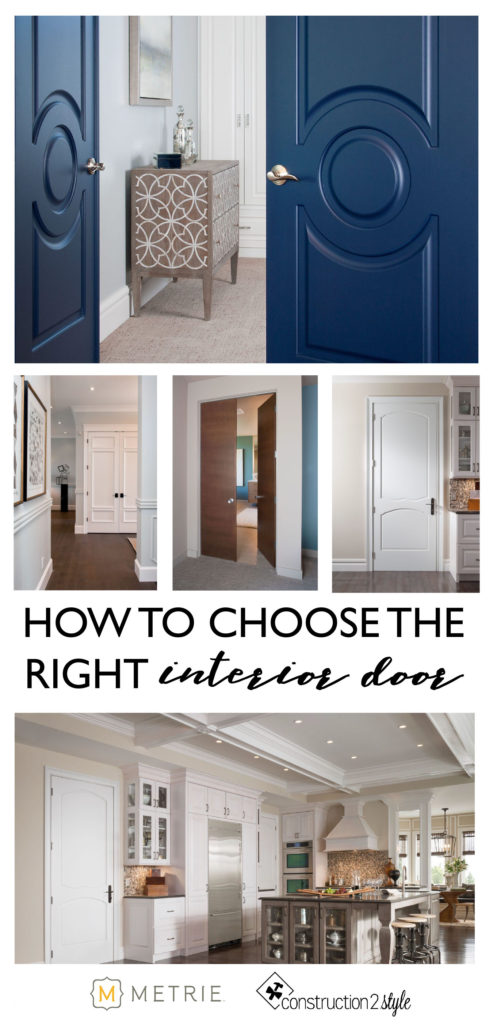
- Bold colors make a statement—try navy, green, or black for modern homes.
- Matte finishes are subtle and modern.
- Glossy finishes reflect light and look bright.
When choosing a color, consider the wall color, floor, and trim. Test samples before deciding. Remember, doors can be repainted or refinished, so you can update the look later.
Door Sizes And Measurements
Size is often overlooked but is vital for a good fit. Standard interior doors are usually 80 inches tall and 30-32 inches wide. Measure the opening carefully before buying.
Here are common mistakes to avoid:
- Not measuring the height, width, and thickness.
- Forgetting to check the swing direction.
- Ignoring space for hardware.
If you have unusual-sized openings, consider custom doors. Always check if the floor is level, as uneven floors can affect installation.
Door Hardware And Accessories
Handles, hinges, and locks add function and style. Here’s what to keep in mind:
- Handles: Choose from knobs, levers, or pulls. Levers are easier for children and seniors.
- Hinges: Pick sturdy hinges that match the door weight.
- Locks: Bedrooms and bathrooms need privacy locks.
- Closers: Soft closers prevent slamming.
- Stoppers: Protect walls from door swings.
Hardware comes in finishes like chrome, brass, and matte black. Match the hardware to your home’s style for a unified look.
Sound Control And Privacy
Some doors block sound better than others. Solid wood and metal doors are best for noise control. Hollow-core doors let sound pass through. If privacy is important, avoid glass or louvered doors.
Soundproofing is sometimes overlooked. For offices or bedrooms, consider adding weatherstripping or using solid doors. If you have children, pets, or noisy neighbors, sound control can make a big difference.
Energy Efficiency And Ventilation
Doors can affect airflow and energy efficiency. Louvered doors help ventilation. Solid doors block drafts. If you want to save energy, look for doors that seal tightly. In humid areas, choose materials that resist warping.
Ventilation is important in closets, laundry rooms, and bathrooms. Louvered doors are often used, but make sure they fit the room’s needs.
Installation Tips And Common Mistakes
Installing interior doors is not always simple. Here are tips to help:
- Measure twice before ordering.
- Check if the wall and floor are level.
- Use proper tools for installation.
- Attach hinges firmly.
- Align the door so it swings easily.
Common mistakes include:
- Buying the wrong size.
- Installing the door backward.
- Using weak hardware.
- Forgetting about clearance for furniture or light switches.
If you’re unsure, consider hiring a professional. Proper installation ensures your door works well and lasts longer.
Credit: www.doortodoorco.com
Cost And Budgeting
Interior doors range from $40 for basic hollow-core to $700 for custom metal or glass. Set a budget before shopping. Remember to add costs for hardware, installation, and finishing.
Here’s a comparison of typical costs:
| Door Type | Low-End Price | High-End Price | Installation Cost |
|---|---|---|---|
| Panel | $100 | $400 | $100-$250 |
| Flush | $60 | $250 | $80-$200 |
| French | $250 | $600 | $150-$300 |
| Sliding | $120 | $500 | $100-$250 |
| Barn | $200 | $700 | $150-$350 |
| $150 | $600 | $200-$400 |
Don’t forget to include extra costs for painting, finishing, and hardware. Budgeting for quality pays off, as good doors last longer and can increase your home’s value.
Mistakes To Avoid When Choosing Interior Door Style
Many people make simple mistakes when choosing doors. Here are the most common:
- Ignoring room function: Not every door suits every space.
- Choosing the wrong material: Some materials don’t last in humid rooms.
- Overlooking sound control: Thin doors can let in noise.
- Neglecting measurements: Wrong sizes lead to costly returns.
- Buying only for looks: Style matters, but so does function.
- Skipping hardware quality: Cheap hardware breaks easily.
- Not considering swing direction: Doors can block furniture or switches.
- Forgetting about maintenance: Some doors need frequent cleaning.
- Missing resale value: Poor-quality doors can lower home value.
- Ignoring installation challenges: DIY installation is not always easy.
Avoiding these mistakes saves time, money, and frustration.
Trends In Interior Door Styles
Design trends change over time. Here’s what’s popular today:
- Minimalist designs: Flush doors with hidden hardware.
- Bold colors: Navy, black, and deep green doors.
- Glass panels: French and sliding doors for open, bright spaces.
- Barn doors: Rustic look for modern homes.
- Mixed materials: Combining wood, glass, and metal.
- Eco-friendly materials: Sustainable wood and recycled products.
Trends can make your home feel fresh, but classic styles usually have lasting appeal.
Practical Insights Beginners Often Miss
Many first-time buyers don’t realize:
- Doors affect acoustics: Choosing the right door can reduce echoes and noise.
- Door thickness matters: Thicker doors feel sturdier and block more sound.
- Finish quality: Cheap finishes scratch easily and look dull over time.
- Custom doors: Custom sizes or shapes are available if you have unique openings.
- Swing direction: Right-hand or left-hand swing impacts furniture layout.
These details may seem small, but they make daily life easier and more comfortable.
How To Choose The Perfect Interior Door Style
Here is a step-by-step guide:
- List your needs: Write down what you want from your doors (privacy, light, space-saving).
- Measure carefully: Check the size of each door opening.
- Match style to room: Choose a style that fits the function and look of the space.
- Pick materials: Decide based on durability, sound, and budget.
- Choose color and finish: Consider the room’s colors and mood.
- Select hardware: Handles, hinges, and locks add personality.
- Check installation needs: DIY or professional? Factor in difficulty.
- Set your budget: Include all costs, not just the door.
- Look for quality: Better doors last longer and work smoothly.
- Test samples: If possible, see doors in person before buying.
This approach helps you avoid common mistakes and ensures you pick the best door for your home.
Comparing Interior Door Styles For Different Needs
To help you decide, here’s a comparison of door styles for common needs:
| Door Style | Best For | Privacy | Space Saving | Light | Maintenance |
|---|---|---|---|---|---|
| Panel | Bedrooms, offices | High | Low | Low | Medium |
| Flush | Modern rooms | High | Low | Low | Low |
| French | Living, dining | Medium | Low | High | High |
| Sliding | Closets, bathrooms | Medium | High | Medium | Medium |
| Small spaces | Medium | High | Medium | Medium | |
| Bifold | Closets | Low | High | Low | Low |
| Barn | Open layouts | Medium | High | Medium | Medium |
| Louvered | Closets, laundry | Low | High | Low | High |
This table helps you match door styles to your specific needs.

Credit: www.jeld-wen.co.uk
Where To Buy Interior Doors
You can buy interior doors from home improvement stores, specialty shops, or online retailers. Look for stores with good reviews and a wide selection. If you need custom sizes, ask about special orders.
For more information on interior doors and styles, visit Home Depot.
Frequently Asked Questions
What Is The Most Popular Interior Door Style?
Panel doors are the most common because they fit many home styles and offer good privacy and sound control. Their classic look suits both modern and traditional homes.
How Do I Know What Size Interior Door To Buy?
Measure the width, height, and thickness of the opening. Standard doors are 80 inches tall and 30-32 inches wide, but always check your space. Allow extra room for hinges and handles.
Are Glass Doors A Good Choice For Bedrooms?
Glass doors are stylish, but they don’t offer much privacy or sound control. They’re better for living rooms or offices. For bedrooms, solid panel or flush doors are best.
What Is The Difference Between Solid Wood And Hollow-core Doors?
Solid wood doors are heavier, block sound better, and last longer. Hollow-core doors are cheaper and lighter but don’t block noise well and are less durable.
Can I Install An Interior Door Myself?
Many interior doors can be installed by handy homeowners, especially if the opening is standard. However, pocket, sliding, and heavy doors often need professional installation for best results.
Choosing the right interior door style is a mix of practical thinking and personal taste. Take time to consider your needs, budget, and home design. Avoid common mistakes, and you’ll find doors that look great and work well for years to come.
With the right style, material, and finish, your doors will enhance the comfort, beauty, and value of your home.
Credit: construction2style.com