
If you want to update the look of your living room or improve the safety and efficiency of your fireplace, changing the fireplace doors is a smart project. New doors can help keep your house warmer, cut down on drafts, and even save you money on energy bills.
Plus, they can completely change the style of your fireplace, making an old hearth look modern or classic, depending on your choice. Many homeowners feel nervous about taking on this task, but with the right tools and clear steps, it’s very manageable—even if you’ve never done it before.
This guide will walk you through every detail of how to change fireplace doors, from choosing the right style to final installation and maintenance. Along the way, you’ll find tips that even experienced DIYers sometimes miss.
Why Change Fireplace Doors?
Fireplace doors are more than just decoration. They serve several important functions in your home. First, they help control the airflow in and out of the fireplace. This means better control of heat and less cold air leaking into your living space.
Second, quality doors improve safety by keeping sparks and embers inside the fireplace. If you have children or pets, this is especially important. Lastly, changing old or damaged doors can improve the efficiency and appearance of your fireplace.
Many older doors become warped, cracked, or hard to open and close over time. They may not fit tightly anymore, letting cold air in during winter and hot air in during summer. New doors can seal better, are easier to clean, and can make a big difference in your energy bills.
In fact, the US Department of Energy says that fireplaces can account for as much as 14% of heat loss in a home with a traditional open hearth. By installing new, well-sealed doors, you help keep your house warmer and safer.
Choosing The Right Fireplace Doors
Before you start, you need to pick the right doors for your fireplace. There are a few key factors to consider:
Fireplace Type
The most important step is to know what kind of fireplace you have. The three main types are:
- Masonry fireplaces: Built from brick, stone, or concrete. These are common in older homes.
- Prefab fireplaces: Factory-built, often with a metal firebox and metal chimney.
- Gas fireplaces: Sometimes these have their own doors, but some need custom solutions.
Most fireplace doors are made for either masonry or prefab units. The difference matters because the fit, mounting method, and safety requirements change. Check your fireplace’s instruction manual or look for a metal tag inside the firebox for the model number.
Door Style
Fireplace doors come in several styles. Some popular options include:
- Bi-fold doors: Open like a folding book. These save space and are easy to use.
- Cabinet doors: Open outwards like a cabinet. Give a classic look.
- Trackless doors: Smooth, modern, and easy to clean.
- Full-view doors: Maximize your view of the fire.
The right style depends on your taste and how you use the fireplace. If you want to roast marshmallows or need full access, doors that open completely (like cabinet or trackless) work best.
Material And Finish
Most doors are made from tempered glass and metal frames. The glass can be clear, tinted, or frosted. Frames come in finishes like black, brass, nickel, or bronze. Choose a finish that matches your home’s décor.
Size And Fit
Getting the right size is crucial. Even a small gap can let in drafts or be a fire hazard. Measure the width and height of your fireplace opening in several places (top, middle, bottom; left and right sides). Use the smallest measurement for each direction.
Many companies offer custom doors if your fireplace is a unique size.
Safety Features
Look for doors with:
- Tempered safety glass: Stronger and safer than regular glass.
- Heat-resistant handles: So you don’t burn your hands.
- Secure latches: Keep doors closed when not in use.
- Ventilation controls: Some doors have adjustable vents to control airflow.
Cost And Budget
Fireplace doors range from $200 for basic models to over $1,500 for custom or designer options. Installation by a pro can add $150–$400 more. If you do it yourself, you’ll save on labor.
| Feature | Basic Doors | Premium Doors |
|---|---|---|
| Material | Steel, clear glass | Brass, bronze, tinted glass |
| Price Range | $200–$500 | $700–$1,500+ |
| Customization | Limited | Full custom |
| Installation | DIY-friendly | May need pro |
Tools And Materials You’ll Need
Gather everything before you start. Here’s a basic list:
- New fireplace doors (proper size and type)
- Measuring tape
- Drill and drill bits (usually 3/16″ masonry bit for brick)
- Screwdriver (Phillips and flat-head)
- Adjustable wrench or socket set
- Level
- Pencil or marker
- Work gloves
- Shop vacuum or brush for cleaning
- Caulk gun (for some installs)
- High-temperature silicone or refractory caulk (if needed)
- Safety glasses
Most fireplace door kits include mounting hardware, brackets, and instructions. Always double-check what’s in the box before you begin.
How To Remove Old Fireplace Doors
Taking out the old doors is the first hands-on step. Here’s a safe, efficient way:
- Turn off all flames and let the fireplace cool. Never work on a hot fireplace.
- Lay down a drop cloth. Protect your flooring from soot and debris.
- Open and remove doors. Most doors lift up and out from the track. If not, check for screws or pins at the top and bottom.
- Unscrew mounting brackets. Use a screwdriver or drill. Some older doors may be mortared in place; in that case, carefully chip away the mortar with a chisel.
- Remove the frame. Pull out the frame gently. If it’s stuck, double-check for hidden screws.
- Clean the opening. Use a vacuum or brush to remove ash, soot, and dust.
Be careful—old doors can be heavier than they look, and glass may be sharp if cracked. Always use gloves and safety glasses.
Preparing The Fireplace Opening
A clean, level surface helps the new doors fit well and seal tightly.
- Sweep or vacuum thoroughly. Remove ash, dust, and bits of old mortar.
- Check for damage. Look for cracks or loose bricks. Repair with fire-safe mortar if needed.
- Test fit the new doors. Place them in the opening before installing to check the fit. They should sit flush against the face of the fireplace.
If your opening is uneven, you may need to use shims (small wedges) or caulk to get a tight seal. Some small gaps are normal, but large gaps can hurt efficiency and safety.
Step-by-step Guide To Installing New Fireplace Doors
With the old doors gone and the opening ready, you’re set to put in the new doors. While every model is a little different, most follow these basic steps:
1. Read The Manufacturer’s Instructions
Every set of doors is slightly different. Always read the instructions that come with your doors. This guide covers the basics, but follow the specific advice for your model.
2. Assemble The Frame (if Needed)
Some doors come in several pieces. Put the frame together on a flat surface. Use the included screws or bolts. Make sure the corners are tight and square.
3. Position The Frame
Set the frame in the fireplace opening. Use a level to check that it’s straight. Mark the spots where you’ll drill holes for the mounting brackets.
4. Drill Pilot Holes
Remove the frame. If your fireplace is brick or stone, use a masonry bit to drill small holes where you marked. This keeps screws from slipping and makes installation easier.
5. Attach Mounting Brackets
Put the frame back in place. Insert the mounting screws through the brackets and into the pilot holes. Tighten gently at first, so you can adjust the fit.
6. Level And Secure
Double-check that the frame is level and flush with the fireplace face. Once you’re happy with the position, tighten all screws firmly.
7. Seal (if Needed)
Some models require a bead of high-temperature silicone or refractory caulk around the frame. This helps seal out drafts and holds the frame tight. Only use products rated for high heat.
8. Hang The Doors
Attach the doors to the frame. Some models use pins, others use hinges or tracks. Make sure the doors swing freely and close tightly.
9. Test The Doors
Open and close the doors several times. Check for smooth movement and a good seal. Adjust the hinges or screws if needed.
10. Clean Up
Wipe down the doors and frame. Remove any fingerprints or smudges from the glass with a glass cleaner rated for fireplace use.
| Step | Key Action | Tools Needed |
|---|---|---|
| 1 | Read instructions | None |
| 2 | Assemble frame | Screwdriver, wrench |
| 3 | Position frame | Level, pencil |
| 4 | Drill holes | Drill, masonry bit |
| 5 | Attach brackets | Screwdriver, wrench |
| 6 | Level and secure | Level, screwdriver |
| 7 | Seal frame | Caulk gun, silicone |
| 8 | Hang doors | Depends on model |
| 9 | Test fit | None |
| 10 | Clean up | Glass cleaner, cloth |
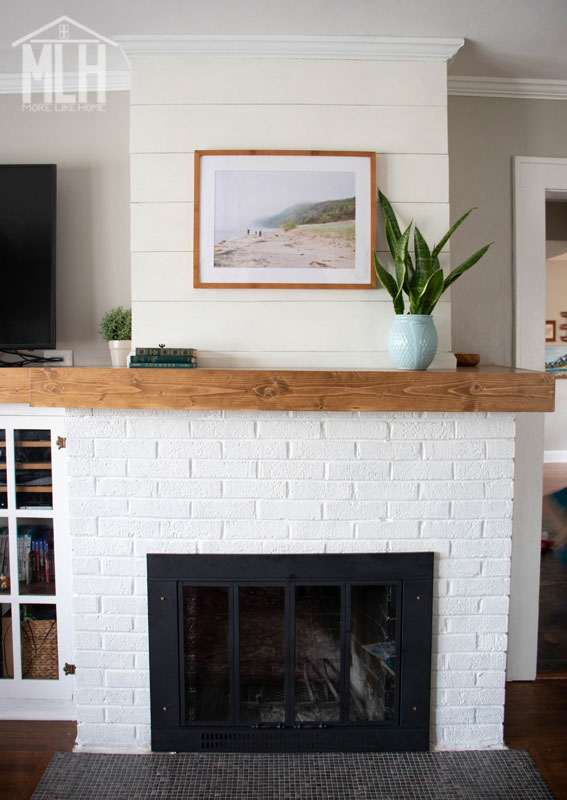
Credit: www.morelikehome.net
Special Tips For A Perfect Installation
While the basic steps are simple, a few extra tips can make your project go much smoother:
- Check for hidden wires or gas lines. Some fireplaces have electrical or gas connections nearby. Always turn off any gas or electricity before drilling.
- Use painter’s tape to mark drill spots. This helps prevent chipping on brick or stone.
- Don’t overtighten screws. Too much force can crack brick, strip threads, or bend the frame.
- Work with a partner. Fireplace doors can be heavy and awkward to handle alone.
- Wear gloves. Edges can be sharp, and glass can break.
- If you have a prefab fireplace, use only manufacturer-approved doors. The wrong doors can be a fire hazard and may void your warranty or insurance.
- Keep the packaging until you’re done. Just in case you need to return or exchange the doors.
Common Mistakes To Avoid
Even handy people make mistakes when changing fireplace doors. Here are some errors and how to avoid them:
- Measuring incorrectly: Double-check all measurements. Write them down and compare to the manufacturer’s sizing chart.
- Skipping cleaning: Dirt and ash can prevent a tight seal.
- Using the wrong tools: Masonry work needs special drill bits and anchors.
- Not sealing gaps: Even small gaps can let in drafts. Use high-temp caulk when needed.
- Choosing the wrong door type: If you have a prefab fireplace, using doors for masonry fireplaces can be dangerous.
- Ignoring safety gear: Always wear gloves and safety glasses.

Credit: www.youtube.com
How To Choose Between Diy And Professional Installation
Many people can install fireplace doors themselves with patience and care. But there are times when hiring a professional is the safer or smarter choice.
Do-it-yourself Installation
Best for:
- Standard masonry fireplaces
- Simple, lightweight doors
- Good access to tools
DIY can save you $150–$400 in labor costs. It’s also satisfying and lets you control every step.
Professional Installation
Recommended for:
- Prefab or gas fireplaces
- Heavy or complex doors
- Homes with unusual fireplace shapes
- If you’re unsure about measuring or drilling
Professionals can also check for hidden safety issues, like damaged fireboxes or unsafe venting.
Maintenance After Installation
Once your new doors are in place, a few simple habits will keep them looking and working great:
- Clean the glass regularly with a soft cloth and fireplace glass cleaner. Soot can build up quickly.
- Check the frame and screws twice a year. Tighten any loose parts.
- Vacuum or sweep the hearth area to remove ash and debris.
- Inspect gaskets and seals. Replace if they’re cracked or worn.
- Never slam the doors. Gentle use keeps hinges and glass safe.
Most doors last for many years with basic care. If you notice broken glass or warped frames, replace them right away for safety.

Credit: www.youtube.com
Energy Efficiency And Fireplace Doors
Installing new fireplace doors isn’t just about looks or safety—it can help lower your heating and cooling costs. Open fireplaces are a major source of energy loss. Even when not in use, they let warm air escape up the chimney and cold air come in.
According to the US Department of Energy, fireplaces can lose up to 80% of the heat they produce. Quality doors act as a barrier, reducing this loss. Some studies show that closing tight-fitting doors can cut heat loss by as much as 50%. The savings on your energy bill can add up over time.
To maximize efficiency:
- Close the doors when the fire is out.
- Keep the damper closed when not in use.
- Use a fireplace insert for even better insulation.
One non-obvious tip: If you live in a very cold climate, consider installing a fireplace balloon or chimney draft stopper in addition to doors for extra protection against drafts.
Style And Design: Making The Right Choice
Your fireplace is often the centerpiece of your living room. The right doors can set the mood and elevate your décor. Here are a few style tips:
- Modern homes: Go for minimalist, trackless doors in black or brushed nickel.
- Traditional homes: Brass or bronze frames with cabinet-style doors look classic.
- Rustic style: Hammered metal or wrought iron frames add a cozy feel.
- Small rooms: Full-view glass doors make the space feel larger.
Don’t be afraid to mix finishes. For example, black frames with nickel handles can look both modern and warm.
Real-life Example: Before And After
Let’s look at a real homeowner’s experience. Sarah had a 30-year-old brick fireplace with rusty, warped doors. The glass was cloudy, and cold air leaked into her living room every winter. She chose to install new bi-fold, full-view doors with a black frame.
After removing the old doors and cleaning the opening, she installed the new frame and sealed it with high-temp silicone. The new doors fit tightly, the room was warmer, and the fireplace looked brand new. Sarah noticed her heating bill dropped by about 10% in the first winter after installation.
When To Replace Vs. Repair Fireplace Doors
Sometimes, you may wonder if you can repair old doors instead of replacing them. Here’s when replacement is the better choice:
- Cracked or shattered glass: Safety risk. Always replace.
- Warped or rusted frames: Can’t seal well.
- Missing or broken hardware: Hard to find replacements for old doors.
- Doesn’t fit tightly: Drafts and safety concerns.
Repairs are only worth it for minor issues, like loose screws or a dirty finish. For bigger problems, new doors are safer and often more cost-effective.
Environmental Impact: Recycling Old Fireplace Doors
When you remove old doors, don’t just throw them away. Most glass and metal parts can be recycled. Contact your local recycling center for instructions. Some manufacturers will even take back old doors for responsible disposal.
This is a small step, but it’s better for the environment and keeps heavy metal and glass out of landfills.
Comparing Popular Brands Of Fireplace Doors
With many brands on the market, it’s smart to compare features, price, and quality before you buy. Here’s a quick comparison of three popular brands:
| Brand | Price Range | Styles Offered | Warranty | Custom Options |
|---|---|---|---|---|
| Pleasant Hearth | $200–$500 | Bi-fold, Cabinet | 1 year | Limited |
| Thermo-Rite | $500–$1,200+ | Custom, Trackless, Cabinet | Lifetime | Full custom |
| Design Specialties | $400–$1,000+ | Contemporary, Classic | 5 years | Custom sizes |
Always read reviews and check the warranty before buying. Some brands offer better support or easier DIY installation. For more in-depth info on fireplace doors and safety, visit the US Department of Energy.
Frequently Asked Questions
How Do I Know If My Fireplace Is Masonry Or Prefab?
Look inside your fireplace. If it’s made of solid brick or stone and has no metal box, it’s masonry. If you see a metal firebox and the chimney is metal or has a metal cap, it’s prefab. Many prefab units also have a model tag inside.
Can I Install Fireplace Doors Myself, Or Do I Need A Professional?
Most people can install doors on a masonry fireplace with basic tools. Prefab fireplaces or gas units may need a professional because of safety codes. When in doubt, ask the door manufacturer or a local installer.
Do Fireplace Doors Make My Home Safer?
Yes. Fireplace doors keep sparks, embers, and ash inside the fireplace. They also protect children and pets from getting too close to the fire. Always use tempered safety glass and check that the doors close securely.
How Do I Clean Fireplace Doors Without Scratching The Glass?
Wait until the glass is cool. Use a soft, damp cloth and a fireplace glass cleaner. Avoid using abrasive pads or regular window cleaner, as these can scratch or damage the glass.
Are There Any Special Rules For Gas Fireplaces?
Yes. Many gas fireplaces have their own doors or screens. Only use doors made for your specific gas fireplace model. Installing the wrong doors can block vents and be a fire hazard. Always check your owner’s manual or ask a professional.
Changing fireplace doors can make your home safer, warmer, and more stylish. With careful planning and the right tools, most homeowners can handle this project themselves. Pay close attention to measuring, choose doors that fit your fireplace type, and don’t rush the installation.
The result will be a fireplace you enjoy for many years—one that’s as efficient as it is beautiful.