
Gas leaks are silent threats that can turn a normal day into a dangerous situation without warning. Most people rarely think about them, but knowing how to detect a gas leak could protect your home, your health, and even your life.
This is not just about a bad smell or a faint hissing sound; gas leaks involve invisible risks that can lead to fires, explosions, or serious poisoning. Whether you use natural gas for cooking or heating, or have gas appliances at home, understanding the signs and safety steps is essential.
Many homeowners believe they would always notice a gas leak, but that’s not true. Gas leaks often go unnoticed until symptoms appear or there is property damage. In this guide, you’ll learn the physical signs, technical methods, and practical tips to detect a gas leak early.
You’ll also discover what to do if you find one, how to prevent leaks, and common mistakes people make. Even experienced homeowners sometimes miss the less obvious clues—by the end of this article, you’ll be more prepared than most.
What Is A Gas Leak?
A gas leak happens when a gas escapes from a pipeline, valve, or appliance that is supposed to contain it. Most homes use natural gas (mainly methane) or liquefied petroleum gas (LPG), such as propane or butane, for heating, cooking, or hot water. These gases are highly flammable and can be dangerous if they leak into the air. Gas leaks can be caused by:
- Old, corroded pipes
- Faulty appliances
- Poor installation or repairs
- Accidental damage (like digging in the yard)
Natural gas and LPG are both colorless and odorless. Gas companies add a strong-smelling chemical called mercaptan to make leaks easier to detect. Still, not all leaks have an obvious smell or sound.
Why Are Gas Leaks Dangerous?
Understanding the risks helps you see why early detection matters. The main dangers of gas leaks include:
- Fire and explosion: Gas mixes with air and can easily ignite, causing massive damage and injury. According to the US National Fire Protection Association, gas leaks cause about 4,200 home fires each year in the US.
- Health risks: Breathing in leaking gas can lead to headaches, dizziness, nausea, and even suffocation. Carbon monoxide (CO) poisoning can also occur if gas is burned without enough oxygen.
- Environmental impact: Methane is a strong greenhouse gas, with more than 25 times the warming effect of carbon dioxide over 100 years.
Common Signs Of A Gas Leak
Recognizing the signs of a gas leak quickly can save lives. There are several ways gas leaks show themselves, and not all are obvious.
1. Smell
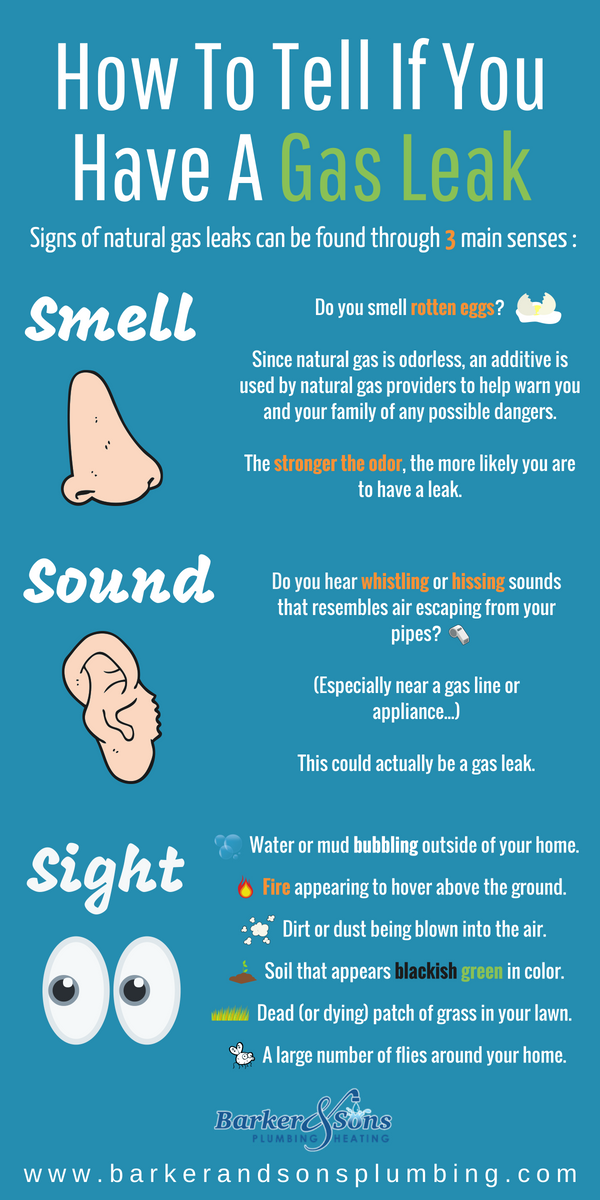
The most common sign is a strong rotten egg smell. The added mercaptan creates this odor, making leaks easier to notice. If you ever smell this in your home, take it seriously.
2. Sound
A hissing or whistling noise near a gas line, appliance, or wall can indicate gas escaping under pressure. Even a faint sound is a warning sign.
3. Physical Symptoms
Gas leaks can cause health effects, especially in closed spaces. Watch for:
- Headaches
- Dizziness
- Nausea or vomiting
- Fatigue
- Breathing problems
- Chest pain
If these symptoms improve when you leave the house, suspect a gas leak.
4. Dead Or Dying Plants
If indoor plants suddenly wilt, yellow, or die, or if outside vegetation near pipelines dies without a clear reason, leaking gas may be removing oxygen from the soil.
5. Visible Signs
Some leaks show up as:
- Dust or dirt blowing from a hole in the ground
- Bubbles in standing water above buried gas lines
- A white, cloudy mist or fog near the leak
6. Appliance Issues
Watch for these changes:
- Pilot lights keep going out
- Burners produce orange or yellow flames instead of blue
- Soot or scorch marks around appliances
- Unusual condensation on windows near gas appliances
7. Increased Gas Bills
A sudden, unexplained rise in your gas bill may indicate gas is escaping somewhere.
How To Detect A Gas Leak: Step-by-step
If you suspect a gas leak, follow these steps to confirm it safely.
Step 1: Trust Your Senses—but Don’t Rely Only On Them
If you notice any of the signs above, act immediately. But remember, not all leaks have a strong smell or sound, especially if you have a cold or the leak is very small.
Step 2: Check Appliances And Pilot Lights
Look for unusual behavior in gas appliances. If the pilot light won’t stay lit or you see soot, there may be a leak.
Step 3: Perform A Bubble Test
For small, accessible areas (like a stove connection), you can use a simple bubble test:
- Mix a few drops of dish soap with water in a spray bottle.
- Spray the solution on the pipe, fitting, or suspected leak area.
- If you see bubbles forming and growing, gas is escaping.
Never use this method on or near open flames or electrical outlets.
Step 4: Use A Gas Leak Detector
Electronic gas detectors are small devices that sense natural gas, propane, or even carbon monoxide. There are portable detectors for spot checks and plug-in alarms for constant monitoring. Some detectors beep, others show a digital readout.
Comparison Of Gas Leak Detection Methods
| Method | Pros | Cons | Best For |
|---|---|---|---|
| Smell/Sound | Quick, free | Not always reliable | Initial check |
| Bubble test | Cheap, easy | Only finds surface leaks | Accessible pipes |
| Electronic detector | Accurate, sensitive | Cost, needs batteries | Whole home |
| Professional service | Most thorough | More expensive, needs scheduling | Annual checks, serious leaks |
Step 5: Call A Professional
If you are unsure or suspect a large leak, contact your gas company or a licensed plumber. Professionals use advanced tools like combustible gas analyzers and sniffer probes for hard-to-find leaks.
What To Do If You Suspect A Gas Leak
Act fast, but stay calm. Your safety comes first.
- Leave the area: Get everyone (including pets) outside and away from the building.
- Do NOT use electrical devices: Don’t turn on/off lights, use phones, or operate appliances. These can spark and ignite gas.
- Do NOT light matches or lighters
- Do NOT try to find the leak if you smell strong gas
- Open doors and windows on your way out, if you can do so quickly and safely.
- Turn off the main gas supply valve if you know how and it’s safe.
- Call your gas company or emergency services from outside or from a neighbor’s phone.
- Wait for professionals to check and clear the area before going back inside.
How Do Professionals Find Gas Leaks?
Gas technicians use advanced methods to locate leaks quickly and safely. Here’s how they do it:
Electronic Sniffers
These handheld devices sense even tiny traces of gas in the air. The technician moves the probe along pipes, valves, and appliances to pinpoint the leak.
Combustible Gas Analyzers
These tools measure the exact concentration of gas in the air, helping to find leaks behind walls or underground.
Pressure Testing
Technicians may pressurize the gas pipes with air or a safe gas and use gauges to see if pressure drops, indicating a leak.
Thermal Imaging
Some leaks cause temperature changes that thermal cameras can “see. ” This is especially useful for hidden leaks.
Tracer Gas Methods
For very hard-to-find leaks, a harmless “tracer gas” is injected into the system. Special detectors then track where it escapes.
Where Are Gas Leaks Most Likely To Happen?
Some areas and appliances are more likely to develop leaks. Knowing these spots helps you check regularly.
Common Locations
- Flexible connectors on stoves, dryers, and water heaters
- Pipe joints and unions
- Gas meters and regulators (usually outside)
- Old or corroded underground pipes
- Outdoor barbecue connections
High-risk Appliances
- Furnaces and boilers
- Gas ovens and ranges
- Water heaters
- Fireplaces and space heaters
- Clothes dryers
Regularly inspect these places and keep them clean and accessible.
How To Prevent Gas Leaks
Prevention is always easier and safer than dealing with a leak. Here’s how to lower your risk:
1. Schedule Regular Inspections
Have a licensed professional check your gas system every year. Most leaks are found during routine maintenance.
2. Install Gas Detectors
Put electronic gas alarms in your kitchen, basement, and near sleeping areas. Test the batteries monthly.
3. Replace Old Appliances
Older devices are more likely to fail. Upgrade to newer, safer models when possible.
4. Never Ignore Warning Signs
If a pilot light keeps going out, or you smell even a faint odor, call for help.
5. Use Qualified Installers
DIY gas work is dangerous and often illegal. Always hire certified technicians.
6. Keep Areas Clear
Do not stack boxes, cleaning supplies, or flammable items near gas appliances or meters.
7. Know Your Gas Shutoff
Learn where your main gas valve is and how to turn it off in an emergency.
Health Effects Of Gas Exposure
Gas leaks don’t just threaten your property—they harm your health, too. The main risks are:
- Asphyxiation: High gas levels can displace oxygen, causing suffocation.
- Poisoning: If gas burns incompletely, it makes carbon monoxide (CO), which is deadly even in small amounts.
- Irritation: Breathing in gas fumes can cause headaches, dizziness, and nausea.
Symptoms Of Gas Poisoning
- Shortness of breath
- Chest tightness
- Confusion
- Loss of consciousness
If you or your family have these symptoms and suspect a gas leak, leave immediately and get medical help.
Carbon Monoxide: The Invisible Killer
While natural gas itself is not toxic, burning it without enough oxygen creates carbon monoxide. This gas is colorless, odorless, and can be fatal. CO poisoning kills over 400 people each year in the US.
Preventing Carbon Monoxide Poisoning
- Install carbon monoxide detectors near bedrooms and appliances.
- Have your heating system serviced yearly.
- Never use a generator or barbecue indoors.
Co Detectors Vs Gas Detectors
Many people confuse the two. CO detectors sense carbon monoxide, not gas leaks. For full safety, use both.
Quick Comparison: Gas Detectors Vs Co Detectors
| Feature | Gas Detector | CO Detector |
|---|---|---|
| Senses natural gas/LPG leaks? | Yes | No |
| Senses carbon monoxide? | No | Yes |
| Where to install | Kitchen, basement, near appliances | Near sleeping areas, living spaces |
| Alarm type | Beeping or flashing light | Beeping or voice alert |
What Causes People To Miss Gas Leaks?
Even careful people sometimes miss leaks. Here are two overlooked reasons:
- “Olfactory fatigue”: If you smell gas for a long time, your nose gets used to it and stops noticing. That’s why it’s important to have detectors.
- Blocked sense of smell: Allergies, colds, or age can dull your sense of smell, making leaks harder to notice.
Also, leaks in empty vacation homes or basements may go unnoticed for weeks.
Legal And Insurance Issues
Gas leaks are not only a safety issue—they have legal and financial consequences.
- Home insurance: Many policies require proof of regular maintenance. If you ignore a leak and there’s damage, your claim may be denied.
- Building codes: Most places require all gas work to be done by licensed professionals. DIY repairs can lead to fines or even criminal charges.
- Landlord/tenant laws: Landlords must keep gas systems safe. Tenants should report any problems immediately.
Technology Advances In Gas Leak Detection
New technology is making gas leak detection faster and more reliable. Here are some recent advances:
- Smart gas detectors: These connect to Wi-Fi and send alerts to your phone, even if you are not home.
- Drones: Utility companies now use drones with gas sensors to inspect pipelines in hard-to-reach areas.
- Infrared cameras: These “see” gas leaks that are invisible to the eye, especially useful outdoors or in factories.
As technology improves, detecting leaks will become easier and safer.
What Not To Do During A Gas Leak
Common mistakes can make a bad situation worse. Avoid these errors:
- Do not try to locate large leaks yourself.
- Never use candles, flashlights, or lighters to “check” for gas.
- Don’t ignore a leak because you can’t see it.
- Do not cover up or tape over leaks—this only delays proper repair.
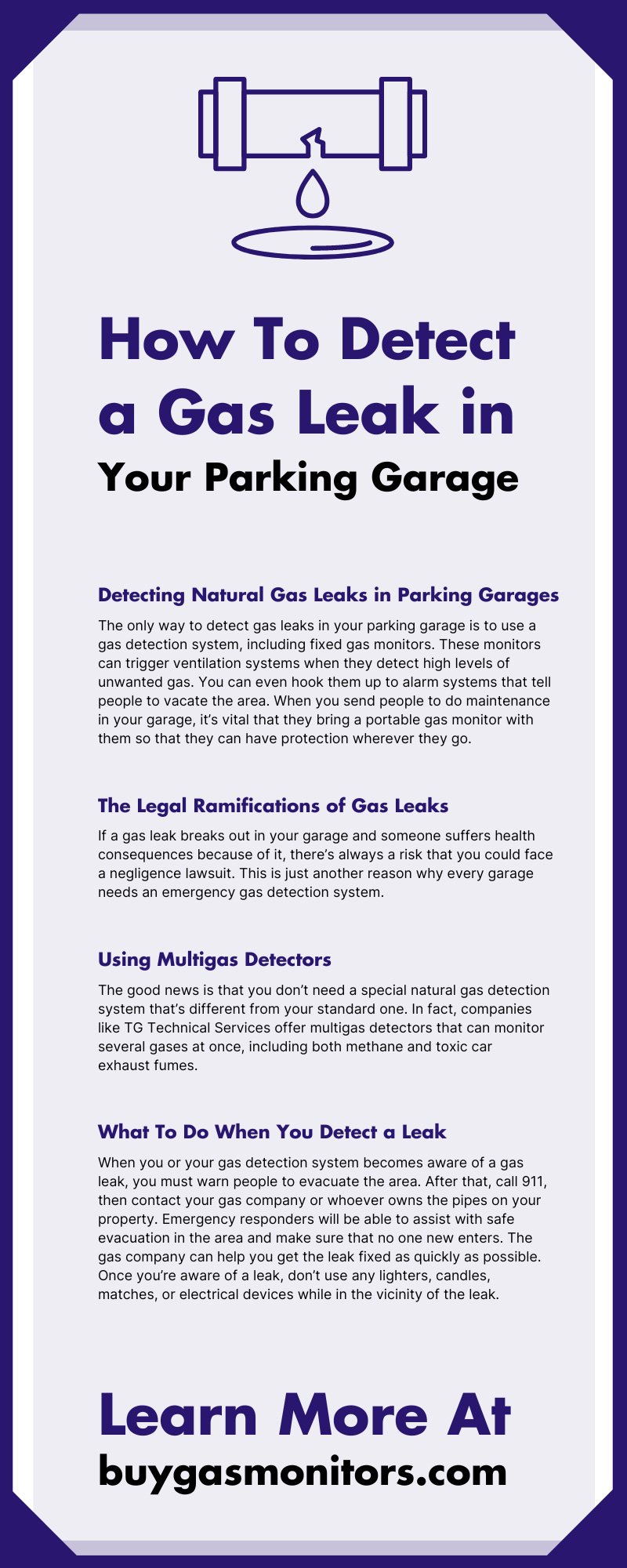
Credit: www.buygasmonitors.com
Real-world Gas Leak Incidents
Learning from past incidents helps highlight the risks. In 2018, an explosion in Massachusetts caused by a gas leak destroyed several homes and injured more than 20 people. Investigations showed that old pipes and poor maintenance were the main causes.
This event led to stricter safety checks and better public awareness.
In another case, a family in Texas suffered carbon monoxide poisoning after a small gas leak went unnoticed for weeks. Their only warning was feeling sick at home but better when outside. Installing detectors could have prevented the tragedy.
How To Check For Leaks Outside The Home
Outdoor leaks are often missed but can be just as risky. Look for:
- Patches of dead grass or plants above buried pipes
- Bubbling water in puddles or moist soil
- Unusual dirt movement or blowing dust
If you see these, do not dig or try to repair the pipe. Call your utility company.
Gas Leak Detection In Apartments And Multi-unit Buildings
If you live in an apartment, you share gas lines with neighbors. Here’s what to do:
- Report any strange smells to your landlord immediately.
- Know the building’s emergency procedures.
- Do not prop open fire doors or block exits.
- Keep hallways clear in case you need to evacuate.
How Often Should You Check For Gas Leaks?
Many people wait until there is a problem, but regular checks are best. Homeowners should:
- Visually inspect appliances every month
- Schedule professional inspections once a year
- Test detectors monthly and replace batteries as needed
Renters should ask landlords about inspection schedules.

Credit: myplumbingpros.com
The Role Of Gas Companies
Gas utilities have strict rules for safety. They:
- Add odorant to make leaks easier to smell
- Offer 24/7 emergency hotlines
- Sometimes provide free safety checks
Visit your gas company’s website for local safety tips and emergency numbers. For example, the US Department of Energy offers detailed advice on natural gas safety (Natural Gas Safety Tips).
A Checklist For Gas Leak Safety
- Learn to recognize gas leak signs
- Install and test detectors regularly
- Know where your main gas shutoff is
- Have professionals inspect your system yearly
- Never ignore warning signs or health symptoms
- Teach family members what to do in an emergency
Credit: www.barkerandsonsplumbing.com
Frequently Asked Questions
How Can I Tell If My House Has A Gas Leak If I Can’t Smell Anything?
Sometimes, leaks do not smell strong or your sense of smell may be blocked. Watch for other signs like hissing sounds, dying plants, or higher gas bills. Installing electronic gas detectors is the best way to catch odorless leaks.
Is A Small Gas Leak Dangerous?
Yes, even small leaks can build up over time. They increase the risk of fire, explosion, and health problems. All leaks, no matter how small, need to be repaired quickly.
Can Carbon Monoxide Detectors Detect Natural Gas Leaks?
No, carbon monoxide detectors only sense CO, not natural gas or propane. You need a separate gas detector for leaks.
What Should I Do If I Accidentally Cause A Gas Leak?
Leave the area immediately, avoid using electrical devices or open flames, and call your gas company or emergency services from outside. Do not try to fix the leak yourself.
How Often Should Gas Appliances Be Checked For Leaks?
It is best to check appliances visually every month and have a professional inspection once a year. Replace detectors every 5-7 years and test them monthly.
Gas leaks are a serious danger, but with the right knowledge and tools, you can keep your home and loved ones safe. Stay alert, act quickly, and never take chances with gas safety.