
Choosing between hard anodized and stainless steel cookware is a big decision for anyone who loves to cook. These two materials are everywhere—in home kitchens, restaurants, and even professional cooking shows. Each one has a long list of fans and some critics. If you’re thinking of upgrading your pots and pans, or simply want to know which is best for your style of cooking, it’s important to look beyond the marketing and dig into the facts. In this article, you’ll discover how each material is made, how they perform in real kitchens, what makes them unique, and which one might suit your needs best. We’ll cover durability, safety, cooking results, maintenance, and much more. By the end, you’ll have a clear idea of what to expect from both hard anodized and stainless steel cookware—without any confusion.
What Is Hard Anodized Cookware?
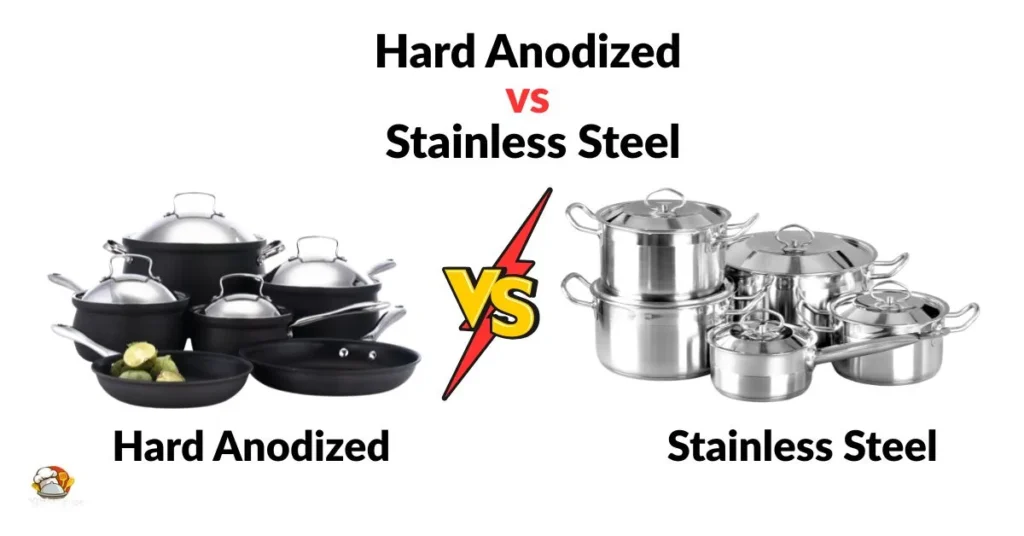
Hard anodized cookware is aluminum that’s been specially treated to make it tougher and more resistant to wear. In the anodizing process, the aluminum is put in a chemical bath and given an electric charge. This creates a thick, hard oxide layer on the surface. This outer layer is much tougher than regular aluminum, which means the cookware is less likely to warp, scratch, or react with food.
One big advantage is that hard anodized cookware is often nonstick. Many pieces have a nonstick coating, which makes cooking and cleanup much easier. The surface is dark, smooth, and feels solid. Some brands avoid extra coatings, relying on the anodized surface alone for natural stick resistance.
However, hard anodized cookware is not dishwasher safe in most cases. The harsh detergent and high temperature can damage the surface. It’s also not ideal for induction stoves unless it has a special base. Still, for most home cooks, it’s a popular choice for everyday meals.
What Is Stainless Steel Cookware?
Stainless steel cookware is made from a mix of steel and other metals, mainly chromium and nickel. This blend resists rust, stains, and corrosion. Stainless steel is famous for being shiny, strong, and able to handle high heat. Unlike hard anodized, stainless steel does not need extra coatings. Instead, it’s naturally non-reactive, so it won’t change the taste or color of your food.
You’ll often see stainless steel pans with an aluminum or copper core. This extra layer helps with even heating, since plain stainless steel is not a great heat conductor. The metal is tough, dishwasher safe, and can go from stovetop to oven. Stainless steel works on all types of cooktops, including induction, which adds to its versatility.
Some cooks say stainless steel pans are harder to clean, especially when food sticks. But with the right technique and practice, you can get great results and keep your pans looking like new for years.
Key Differences At A Glance
To help you compare, here’s a side-by-side look at the main features of hard anodized and stainless steel cookware:
| Feature | Hard Anodized | Stainless Steel |
|---|---|---|
| Material | Anodized Aluminum | Stainless Steel (often with aluminum/copper core) |
| Surface | Usually nonstick, dark color | Shiny, non-reactive, no coating |
| Durability | Scratch-resistant but can wear over time | Very durable, long-lasting |
| Oven Safe | Most up to 400°F | Often up to 500°F or more |
| Dishwasher Safe | Usually not recommended | Yes |
| Induction Compatible | Rarely, unless with special base | Yes |
| Price | Moderate | Moderate to high |
Durability: Which Lasts Longer?
When you invest in cookware, you want it to last. Hard anodized pans are known for their strong, tough surface. The anodizing process makes the aluminum harder than stainless steel. These pans resist scratching, chipping, and peeling—at least at first. However, after many years, the nonstick coating (if present) can wear down, especially with metal utensils or high-heat cooking. Once the coating is gone, the pan loses its main advantage.
Stainless steel cookware is nearly impossible to wear out with normal use. It can handle high heat, repeated scrubbing, and metal tools. Stainless steel doesn’t chip or peel, so it often lasts for decades. You might see some discoloration or surface scratches, but these don’t affect performance. Many families pass down stainless steel pots from one generation to the next.
One insight many miss: the weak point of hard anodized cookware is the nonstick layer, not the anodized surface. If you buy a pan without an added coating, it lasts much longer, but food may stick more. For stainless steel, the biggest threat is warping if the pan is heated or cooled too quickly, but this is rare with quality brands.
Credit: kitchenpluse.com
Cooking Performance: Heat, Results, And Versatility
Heat Distribution And Retention
Hard anodized aluminum is an excellent heat conductor. It heats up quickly and spreads the heat evenly across the surface. This means fewer hot spots and more consistent cooking. You can sear, fry, or sauté with good control. However, hard anodized pans usually don’t hold heat for long once removed from the stove.
Stainless steel on its own is a poor heat conductor. That’s why most stainless pans include an aluminum or copper core. With this design, they distribute heat almost as well as hard anodized cookware. Stainless steel retains heat better, especially thicker pans. This is ideal for slow-cooking, browning meat, or making sauces.
Many beginners miss the fact that stainless steel pans often need a preheating step. Heating the pan before adding oil or food helps prevent sticking and ensures even cooking. This step is less critical with hard anodized nonstick pans.
Cooking Different Types Of Food
Hard anodized pans are perfect for foods that stick easily—like eggs, pancakes, and fish. The nonstick surface makes these tasks simple, and you can often use less oil. These pans are also good for quick stir-fries and sautéing vegetables.
Stainless steel is the go-to choice for tasks where you want to develop flavor, like browning meat for stews or deglazing with wine. It’s also the best for making pan sauces, since you can scrape up the tasty browned bits.
Stainless steel handles higher heat and acidic foods (like tomato sauce) without reacting or changing flavor.
One non-obvious advantage: stainless steel is better for searing and caramelizing. The surface lets you create a crust on meat and build deep flavors, which is harder with nonstick pans.
Versatility Across Cooking Methods
Hard anodized pans are usually oven safe up to 400°F, but you should always check the manufacturer’s guidelines. Some handles may not be rated for high oven temperatures. Stainless steel pans can often go from stovetop to oven to broiler, withstanding 500°F or more.
This makes them more flexible for recipes that start on the stove and finish in the oven.
Induction cooking is another key difference. Unless a hard anodized pan has a magnetic stainless steel base, it will not work on induction cooktops. Stainless steel, especially with a magnetic core, is fully compatible.
Maintenance And Care
Cleaning
Hard anodized cookware is easy to clean by hand, especially if it has a nonstick coating. Food usually slides right off with a gentle sponge and mild detergent. However, it’s not recommended for the dishwasher. The harsh chemicals and strong jets can damage the surface and cause discoloration.
Stainless steel cookware is dishwasher safe, though hand washing helps keep it looking new. You can scrub with steel wool or abrasive pads if needed. If food sticks, soaking the pan or boiling water in it helps loosen residue. Some discoloration (rainbow stains) can appear, but these are harmless and can be removed with vinegar or special cleaners.
A practical tip: never put cold water into a hot stainless steel pan. This can cause warping over time. Always let it cool a bit first.
Stain And Odor Resistance
Hard anodized cookware resists stains well, but some foods (like tomato sauce) can leave marks over time. Stainless steel is highly resistant to stains and odors. Even after cooking strong-smelling foods (like fish or curry), a quick wash removes any trace.
Storage
Hard anodized pans with nonstick surfaces need to be stacked carefully to avoid scratching. Many cooks place a towel or paper between pans. Stainless steel pans are tougher and can be stacked without much worry, though they may get surface scratches.
Health And Safety
When it comes to health, both materials have their strengths and weaknesses.
Hard anodized cookware forms a stable, non-reactive surface. It won’t leach aluminum into your food, which is a common fear with untreated aluminum. However, the main concern is the nonstick coating. Most modern brands use PTFE (like Teflon) or ceramic coatings. At high heat (above 500°F), PTFE can break down and release fumes, which are unsafe for birds and can irritate humans. Always cook on medium or low heat with nonstick pans.
Stainless steel is naturally non-reactive and safe. It doesn’t have a coating to wear off. Some people with nickel allergies may react to stainless steel, but this is rare. Quality stainless steel cookware is tested to meet food safety standards.
A non-obvious insight: if you often use metal utensils or cook at high heat, stainless steel is safer long-term. The surface can take abuse without breaking down or releasing chemicals.
Cost And Value
Initial Purchase Price
Hard anodized cookware is generally less expensive than premium stainless steel, especially when buying full sets. You can get a good-quality 10-piece set for $100 to $200. High-end brands cost more, but the price is usually lower than similar stainless steel sets.
Stainless steel cookware prices vary widely. Basic sets start around $100, but professional-quality sets with triple-layer construction can cost $300 to $1,500 or more. Single pans are more affordable, but full sets require a bigger investment.
Long-term Value
While hard anodized pans are cheaper at first, their nonstick coating may wear out in 3 to 5 years with regular use. When the coating fails, you’ll need to replace the pan. Stainless steel pans can last a lifetime with proper care.
Even if they look worn, they usually perform as well as new.
For cooks on a budget, hard anodized is a good short-term choice. For those who want to buy once and keep their pans forever, stainless steel offers better long-term value.
Credit: www.debuyer-usa.com
Environmental Impact
The environmental effect of your cookware depends on how it’s made and how long it lasts.
Hard anodized cookware requires chemicals and electricity for the anodizing process. Most brands now control waste and use safe methods. The main concern is that nonstick coatings are hard to recycle and can release harmful chemicals if overheated.
Stainless steel is highly recyclable. Old pans can be melted down and reused. The manufacturing process uses energy and resources, but stainless steel’s long life means less waste over time.
One key thing beginners miss: replacing nonstick pans every few years increases waste. A single stainless steel pan can replace many nonstick pans over its lifetime.
Popular Brands And Models
Some of the most trusted brands for hard anodized cookware include:
- Calphalon – Known for quality and durability.
- T-fal – Offers affordable, reliable nonstick pans.
- Anolon – Focuses on comfortable handles and even heating.
- Cuisinart – Makes both budget-friendly and high-end sets.
- All-Clad – Premium line with top performance.
For stainless steel cookware, the leaders are:
- All-Clad – Famous for its tri-ply design, made in the USA.
- Cuisinart – Offers a range from basic to professional.
- Viking – High-performance, often used by chefs.
- Calphalon – Good mix of value and quality.
- Demeyere – Belgian brand known for innovation and durability.
Each brand offers unique features, but the overall performance depends more on the material and construction than the name.
When To Choose Hard Anodized
Hard anodized cookware is a smart pick if you:
- Prefer quick, easy cleanup
- Cook foods that stick (eggs, pancakes, fish)
- Want lightweight pans
- Need affordable, non-reactive cookware
- Cook mostly on gas or electric (not induction)
It’s ideal for busy families, beginners, and anyone who values convenience. Just remember to avoid metal utensils and high heat.
When To Choose Stainless Steel
Stainless steel is the best choice if you:
- Want pans that last for decades
- Cook with high heat
- Make pan sauces and gravies often
- Use metal utensils
- Need induction-compatible cookware
- Care about environmental impact
It’s the top pick for serious cooks, professionals, and those building a long-term kitchen.
Common Mistakes To Avoid
- Overheating nonstick pans: Never heat an empty hard anodized pan with a nonstick surface. It can damage the coating.
- Skipping preheating with stainless steel: Always heat the pan before adding oil and food to prevent sticking.
- Using metal tools on nonstick: Stick to wooden, silicone, or plastic utensils with hard anodized nonstick surfaces.
- Dishwasher cleaning for hard anodized: Hand wash to extend the life of your pan.
- Stacking pans without protection: Use towels or pan protectors to avoid scratches, especially with nonstick pans.
Real-world Example: Everyday Cooking
Imagine making a simple breakfast of eggs, bacon, and hash browns. With a hard anodized nonstick pan, you’ll flip eggs with ease and slide hash browns right out. Cleanup takes seconds.
Try the same meal with a stainless steel pan. You’ll need a bit more oil, and technique matters. Preheat the pan, add oil, and wait for a shimmer before adding eggs. With practice, you’ll get a crispy edge and rich flavor, but the first few tries might stick.
For a pasta night, stainless steel shines. You can brown sausage, add garlic and onions, deglaze with wine, and finish your sauce—all in the same pan. The fond (brown bits) add depth you can’t get with nonstick.
Comparing Specific Use Cases
Here’s a quick look at which material wins in common kitchen tasks:
| Cooking Task | Hard Anodized | Stainless Steel |
|---|---|---|
| Frying Eggs | Excellent | Good (with practice) |
| Searing Steak | Good | Excellent |
| Simmering Sauces | Good | Excellent |
| Making Pancakes | Excellent | Fair (may stick) |
| Oven Roasting | Good (up to 400°F) | Excellent (higher temps) |
| Induction Cooking | Poor (unless special base) | Excellent |
| Dishwasher Cleaning | Poor | Excellent |
Which Is Right For You?
The choice between hard anodized and stainless steel depends on your cooking habits, priorities, and budget. If you want fast, easy meals and simple cleaning, hard anodized is hard to beat. If you love experimenting, making sauces, and want pans that last forever, stainless steel is the way to go.
One overlooked detail: most cooks benefit from having both types. Use hard anodized for eggs and delicate foods, and stainless steel for browning, roasting, and sauce-making. Mixing and matching gives you the best of both worlds.

Credit: www.omichef.com
Frequently Asked Questions
What Is The Main Difference Between Hard Anodized And Stainless Steel Cookware?
The main difference is the material and surface. Hard anodized cookware is made from aluminum that’s been treated for extra strength and often has a nonstick coating. Stainless steel is made from a mix of metals, is naturally non-reactive, and usually has no coating. Stainless steel lasts longer, while hard anodized is easier to clean.
Is Hard Anodized Cookware Safe For Health?
Yes, hard anodized cookware is safe for most people. The anodizing process seals the aluminum, so it won’t leach into food. However, you should avoid overheating pans with a nonstick coating, as this can release fumes. Always follow the manufacturer’s instructions.
Can Stainless Steel Pans Go In The Dishwasher?
Most stainless steel pans are dishwasher safe, but hand washing helps them look new longer. Some dishwasher detergents can cause discoloration, but this doesn’t affect performance. Avoid putting hot pans in cold water, as this can cause warping.
Which Cookware Is Better For Induction Stoves?
Stainless steel is usually better for induction cooking, as long as it has a magnetic base. Hard anodized pans only work on induction if they have a special stainless steel layer. Check the packaging for induction compatibility before buying.
How Long Do Hard Anodized And Stainless Steel Pans Last?
Stainless steel pans can last a lifetime with proper care, and some are passed down for generations. Hard anodized pans usually last 3 to 5 years if they have a nonstick coating. If the coating wears off, you should replace the pan to avoid sticking and possible health risks.
For more on cookware safety, visit the Wikipedia Cookware Guide.
Choosing between hard anodized and stainless steel cookware isn’t always easy, but knowing the facts helps you make the right decision. Whether you value convenience, durability, or versatility, both types have a place in a well-equipped kitchen. Don’t be afraid to try both and see what works best for your cooking style.