
Gas stoves are a common sight in homes and commercial kitchens around the world. For many people, they offer quick heating, precise temperature control, and a familiar cooking experience. But have you ever wondered how the flame starts when you turn the knob? Do modern gas stoves still use pilot lights, or has technology replaced them with something else? Understanding how gas stoves ignite is more than just a technical detail—it impacts safety, convenience, energy use, and even how you maintain your kitchen. Whether you’re choosing a new stove, troubleshooting a problem, or just curious, knowing about pilot lights and alternatives can help you make better decisions and avoid common mistakes.
This article explores if gas stoves have pilot lights, how they work, the evolution of ignition systems, and the practical implications for everyday users. You’ll discover the differences between pilot lights and electronic ignition, learn how to recognize which system your stove uses, and get tips for safe operation.
We’ll also cover common myths, maintenance advice, and answer the most frequently asked questions on this topic. By the end, you’ll feel confident about the inner workings of your gas stove—no matter what model you own.
What Is A Pilot Light?
A pilot light is a small, steady flame that burns constantly inside some gas appliances. Its main purpose is to act as an ignition source. When you turn on the gas, the pilot light ignites the gas, creating the larger flame you use for cooking.
The pilot light is usually hidden from view, placed near the burners or inside the oven compartment. It burns a small, continuous stream of gas, ready to light the main burner when needed. This system was common in older gas stoves and is still found in some homes today.
How Does A Pilot Light Work?
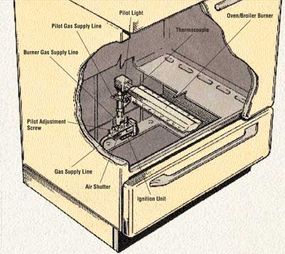
A pilot light works by using a tiny tube (called a pilot tube) that delivers gas from the main supply. This gas is ignited and kept burning by a small flame. When you turn your stove knob, gas flows to the main burner, and the pilot flame lights it instantly.
To keep things safe, most pilot systems include a thermocouple—a safety device that senses heat from the flame. If the pilot goes out, the thermocouple shuts off the gas, preventing leaks. This is a critical feature because unburned gas can be dangerous.
Where Can You Find Pilot Lights?
You’ll usually find pilot lights in:
- Older gas stoves (especially those made before the 1980s)
- Some commercial kitchen equipment
- Gas ovens and water heaters
If you have a newer residential stove, it’s less likely to have a pilot light. But in older homes or vintage appliances, pilot lights are common.
Types Of Gas Stove Ignition Systems
Over the years, the way gas stoves light their burners has changed. Today, two main systems are used: pilot lights and electronic ignition. Understanding the differences will help you identify your stove’s system and maintain it properly.
1. Standing Pilot Light
This is the traditional system. The pilot light stays on all the time, even when the stove is not in use. It uses a small amount of gas continuously.
Pros:
- Simple technology, easy to understand
- Works even during a power outage
Cons:
- Wastes gas (pilot burns 24/7)
- Needs occasional relighting and maintenance
2. Electronic Ignition
Most modern gas stoves use electronic ignition. When you turn the knob, a small electric spark lights the gas—no pilot flame needed.
Pros:
- Saves energy (no gas burned when not in use)
- Safer (no open flame when stove is off)
- Easier to maintain
Cons:
- Needs electricity (may not work during a blackout)
- More complex parts to repair if something goes wrong
3. Intermittent Pilot (hybrid Systems)
Some newer stoves and ovens use a hybrid system called intermittent pilot. Here, a small pilot flame lights only when needed, then turns off.
Pros:
- Reduces gas waste
- Still allows for reliable ignition
Cons:
- More complex than standing pilots
- Still uses a pilot flame, just not all the time
Comparison Of Ignition Systems
To make it easier, here’s a side-by-side look at the main types:
| Ignition Type | Pilot Flame | Energy Use | Works Without Electricity | Maintenance Needs |
|---|---|---|---|---|
| Standing Pilot | Always On | High (constant gas use) | Yes | Relighting, cleaning |
| Electronic Ignition | No | Low | No | Spark igniter may need service |
| Intermittent Pilot | On Only When Needed | Medium | Sometimes | Occasional maintenance |
Do Most Gas Stoves Today Have Pilot Lights?
In the past, almost every gas stove had a pilot light. But things have changed. Since the late 20th century, most new stoves use electronic ignition instead. This shift happened mainly for two reasons: energy savings and safety.
Why Did Manufacturers Move Away From Pilot Lights?
- Energy Waste: A pilot light can use up to 600 BTUs (British Thermal Units) of gas per hour. That may not sound like much, but over a year, it adds up—sometimes costing $50 or more in extra gas bills.
- Safety: If the pilot light goes out and gas keeps flowing, it can create a dangerous situation. Modern safety systems help, but electronic ignition eliminates this risk.
- Convenience: Relighting a pilot can be tricky and sometimes frustrating. Electronic systems are more reliable for most users.
- Environmental Impact: Constantly burning gas for a pilot light increases carbon emissions. Electronic ignition is more eco-friendly.
Which Gas Stoves Still Have Pilot Lights?
You are more likely to find pilot lights in:
- Stoves made before the mid-1980s
- Some commercial or heavy-duty kitchen ranges
- Areas with unreliable electricity (since electronic ignition needs power)
Most gas stoves sold today in the U.S. do not have standing pilot lights. If you buy a new stove, it will almost always use electronic ignition.
How To Tell If Your Gas Stove Has A Pilot Light
Not sure which system your stove uses? Here are some easy ways to check:
1. Listen For A Clicking Sound
When you turn the burner knob, do you hear a rapid clicking noise? That’s the spark from an electronic ignition system. If you hear nothing, your stove may have a pilot light.
2. Look Under The Burner
- Turn off all burners and let your stove cool.
- Remove the burner grates and look closely near the center.
- A small, blue flame burning all the time means you have a pilot light.
- If you see a small metal rod (with no flame) or a ceramic tip, that’s probably a spark igniter.
3. Check The Owner’s Manual
If you have the manual, it will say which ignition system your stove uses. If you don’t have the manual, search online for your stove’s model number.
4. Power Outage Test
If your burners still light with no electricity, you likely have a pilot light. Electronic ignition needs power.
5. Look For A Reset Or Ignition Button
Some stoves with electronic ignition have a separate button or switch for lighting the burner. Pilot systems usually do not.
Example: Identifying A Pilot Light
Suppose you have a 1970s gas range. You peek under the cooktop and see a small, steady flame. When you turn a burner knob, the main flame lights instantly—no clicking sound. In this case, you have a standing pilot light system.
How To Relight A Pilot Light
If you have a stove with a pilot light, sometimes it goes out. Maybe a draft, spilled liquid, or cleaning knocked it out. Relighting is usually simple, but it’s important to do it safely.
Step-by-step Relighting Guide
- Turn Off All Burners: Make sure no gas is flowing.
- Wait a Few Minutes: This lets any unburned gas dissipate.
- Locate the Pilot Light: Usually under the cooktop or inside the oven. Check your manual if unsure.
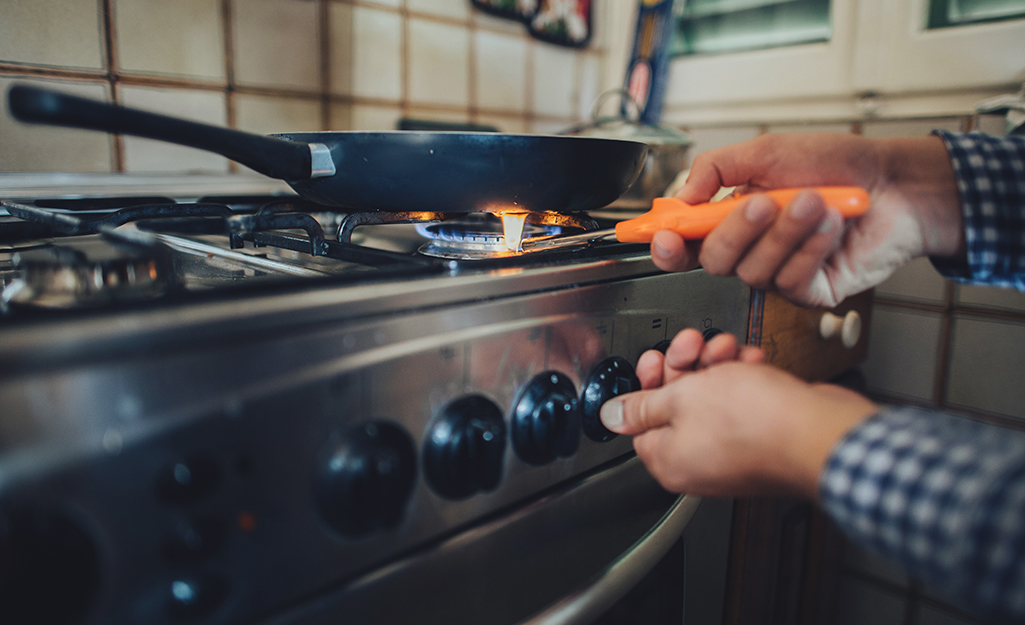
- Light a Long Match or Lighter: Use a long-reach lighter for safety.
- Press the Safety Button (if present): Some stoves have a button you must hold while lighting.
- Light the Pilot: Hold the flame at the pilot opening. The flame should catch quickly.
- Hold for 30 Seconds: If there’s a thermocouple, keep holding the button for about 30 seconds to heat the sensor.
- Release and Check: The pilot flame should stay lit. If not, repeat or check for blockages.
Safety Tip: If you smell strong gas, stop and ventilate the area. Do not try to relight. Call a professional.
Pros And Cons Of Pilot Lights Vs. Electronic Ignition
Choosing between a stove with a pilot light and one with electronic ignition depends on your needs. Here’s a closer look at the advantages and disadvantages.
Advantages Of Pilot Lights
- Works During Power Outages: You can still cook if the electricity goes out.
- Simple Technology: Fewer electronic parts mean less can go wrong.
- Easy DIY Fixes: If the pilot goes out, most people can relight it themselves.
Disadvantages Of Pilot Lights
- Wastes Gas: The flame burns 24/7, even when you’re not cooking.
- Maintenance: You may need to clean or relight the pilot regularly.
- Safety Risk: If the flame goes out and the thermocouple fails, gas can leak.
Advantages Of Electronic Ignition
- Saves Energy: No continuous flame means lower gas bills.
- Safer: No open flame when not in use.
- Environmentally Friendly: Reduces greenhouse gas emissions.
Disadvantages Of Electronic Ignition
- Needs Power: In a blackout, your stove may not work (though you can sometimes light burners with a match).
- More Complex Repairs: Spark modules can fail and may need a professional to replace.
- Initial Cost: Electronic ignition stoves can be more expensive.
Side-by-side Comparison
Here’s a quick reference:
| Feature | Pilot Light | Electronic Ignition |
|---|---|---|
| Continuous Flame | Yes | No |
| Works Without Power | Yes | Usually No |
| Gas Usage | High (wasteful) | Low |
| Common in New Stoves | No | Yes |
| Maintenance | Basic | May need technician |
Common Problems With Pilot Lights
While pilot lights are reliable, they do have some typical issues. Knowing these can help you troubleshoot and avoid bigger problems.
1. Pilot Light Won’t Stay Lit
This usually means the thermocouple is dirty or faulty. Cleaning or replacing the thermocouple often solves the problem.
2. Weak Or Yellow Flame
A pilot flame should be small and blue. If it’s yellow or flickering, the pilot tube may be dirty. Cleaning with a small brush or needle can help.
3. Pilot Light Goes Out Repeatedly
Drafts, spilled food, or grease can cause the flame to go out. Make sure the area is clean and shielded from strong air flow.
4. Gas Smell
If you smell gas near your stove, turn off everything and ventilate the room. Do not relight the pilot. Call a professional immediately.
5. Hard To Access
Some older stoves have pilot lights in tricky places. Use a flashlight and long-reach lighter for safety.
Non-obvious Insight: Many people forget that cleaning the area around the pilot light is as important as cleaning the burners. Even small crumbs or grease can block gas flow and cause the pilot to go out.
How Electronic Ignition Systems Work
Electronic ignition stoves use a spark to light the gas. This is how most new stoves operate.
How It Works
- You turn the knob to the “light” position.
- An electrical circuit sends a voltage to a spark module.
- The module creates a rapid clicking sound and makes a visible spark.
- The spark ignites the gas, and the burner lights.
Types Of Electronic Ignition
- Spark Ignition: Most common. Produces a visible spark.
- Hot Surface Ignition: Uses a heated element instead of a spark (more common in ovens than cooktops).
What If The Power Goes Out?
Most stoves with electronic ignition can still be lit with a match if the power is out, but you must be careful. Some newer models have safety features that stop gas flow entirely without electricity. Always check your manual.
Practical Tip: If your spark igniter clicks but does not light, it may be dirty or misaligned. Cleaning with a toothbrush or adjusting its position often fixes the problem.
Credit: home.howstuffworks.com
Safety Features In Modern Gas Stoves
Both pilot light and electronic ignition stoves have important safety features. Here’s what you should know:
Thermocouples And Flame Sensors
- Thermocouple: Senses heat from the pilot light. If the flame goes out, it shuts off the gas.
- Flame Sensor: Used in electronic ignition. Detects if the burner flame is present and cuts gas if not.
Auto Shut-off
Most new stoves cut off gas flow if the burner doesn’t light within a few seconds. This reduces the risk of gas buildup.
Child Lock And Control Knobs
Some stoves have child safety locks or recessed knobs to prevent accidental ignition.
Ventilation
Good ventilation is essential with any gas stove. Install a range hood or exhaust fan to remove fumes and improve air quality.
Non-obvious Insight: Many people think only older stoves need ventilation. In reality, all gas appliances should be vented to avoid buildup of carbon monoxide and other gases.
Environmental And Cost Impact
Pilot lights and electronic ignition systems affect both the environment and your wallet.
Gas Consumption
A standing pilot light uses about 600 BTUs per hour. Over a year, that’s about 5 million BTUs—enough to cook a lot of meals!
Cost
Depending on gas prices, a pilot light can cost $40–$60 per year just to keep burning. Electronic ignition cuts this to almost zero.
Carbon Footprint
Burning gas produces carbon dioxide. Switching to electronic ignition reduces your home’s greenhouse gas emissions.
Example: The U.S. Department of Energy recommends electronic ignition for energy savings and environmental benefits. For more, see the U.S. Department of Energy.
Credit: www.homedepot.com
Maintenance Tips For Both Systems
Proper maintenance keeps your gas stove safe and efficient.
For Pilot Lights
- Clean the pilot opening regularly to remove dust or grease.
- Check the thermocouple and pilot tube for wear.
- Relight carefully after cleaning or power outages.
- Schedule a professional checkup yearly, especially for older models.
For Electronic Ignition
- Keep igniter tips clean and dry.
- Listen for clicking—if it stops, check the spark module.
- Replace worn igniters or batteries in battery-powered models.
- Avoid spilling water near the igniter area.
Pro Tip: Never use harsh chemicals or wire brushes on igniters. A soft brush and mild soap are best.
Myths And Misconceptions
Many people have outdated or incorrect ideas about gas stoves and pilot lights. Let’s clear up a few:
Myth 1: All Gas Stoves Have Pilot Lights
Not true. Most new models use electronic ignition.
Myth 2: Pilot Lights Are Safer
Pilot lights are reliable, but electronic ignition is generally safer because there’s no open flame when the stove is off.
Myth 3: You Can’t Use A Gas Stove In A Power Outage
Older stoves with pilot lights work fine in a blackout. Many electronic ignition stoves can be lit with a match, but check your model first.
Myth 4: Electronic Ignition Is Hard To Fix
Most problems are simple—often just cleaning the igniter or replacing a part.
Myth 5: Pilot Lights Never Go Out
They can go out due to drafts, spills, or dirty components.
Credit: www.reddit.com
When To Replace Or Upgrade Your Stove
If you have a very old stove with a pilot light, you might wonder when to replace it.
Signs It’s Time To Upgrade
- Frequent pilot light failures
- Hard-to-find replacement parts
- Gas leaks or strong odors
- Poor burner performance
- High gas bills
Benefits Of Upgrading
- Lower energy costs
- Improved safety features
- Easier cleaning and maintenance
- Better temperature control
Note: If your stove is more than 30 years old, consider an upgrade for safety and efficiency.
Frequently Asked Questions
What Should I Do If My Pilot Light Keeps Going Out?
If your pilot light keeps going out, check for drafts, clean the pilot opening, and inspect the thermocouple. If the problem continues, call a professional. Persistent issues may mean a faulty part or gas pressure problem.
Can I Install Electronic Ignition On An Old Stove With A Pilot Light?
In some cases, you can retrofit electronic ignition, but it’s often not cost-effective. The wiring and gas controls may not be compatible. It’s usually better to replace the stove with a newer model.
Is It Dangerous If The Pilot Light Goes Out?
If the pilot light goes out, the thermocouple should shut off the gas flow. However, if you smell gas or the system is old, it could be dangerous. Always ventilate the area and call for service if you suspect a leak.
How Much Gas Does A Pilot Light Use?
A typical pilot light uses about 600 BTUs per hour. Over a year, this adds up to about 5 million BTUs—enough to increase your gas bill by $40–$60, depending on rates.
How Do I Know If My Stove Is Safe To Use During A Power Outage?
If your stove has a pilot light, it works during a power outage. For electronic ignition stoves, check your manual—some allow match lighting, others don’t. Never try to bypass safety features.
Gas stoves have evolved from always-on pilot lights to modern, efficient electronic ignition systems. Most new stoves no longer use pilot lights, but you’ll still find them in older models. Knowing which system you have helps you cook safely, save energy, and avoid common problems.
With the right maintenance and knowledge, your gas stove can serve you well for years.